
The New Era of Plant-Based Strength
For years, the gym floor conversation was dominated by one protein source: whey. The belief that plant-based options were somehow inferior for building muscle was widespread. But if you look around today, you'll see elite athletes and dedicated fitness enthusiasts reaching for plant-based shakers for performance, not just principles. This shift isn't just a trend; it's backed by a better understanding of how our bodies work.
The core process for building muscle is called Muscle Protein Synthesis (MPS). Think of it as your body’s natural repair crew, fixing and rebuilding muscle fibers stronger after a workout. Any protein's effectiveness, whether from an animal or a plant, is measured by its ability to trigger this process. The old debate of plant based protein vs whey often missed this fundamental point.
Modern science and formulation have completely changed the conversation. We now know that when plant proteins are intelligently crafted, they can stimulate MPS just as effectively as their dairy-based counterparts. This performance-driven approach is a topic we explore frequently, offering insights to help you on your fitness journey. The question is no longer *if* plants can build muscle, but *how* they do it so well.
The Science Behind Plant Protein's Power
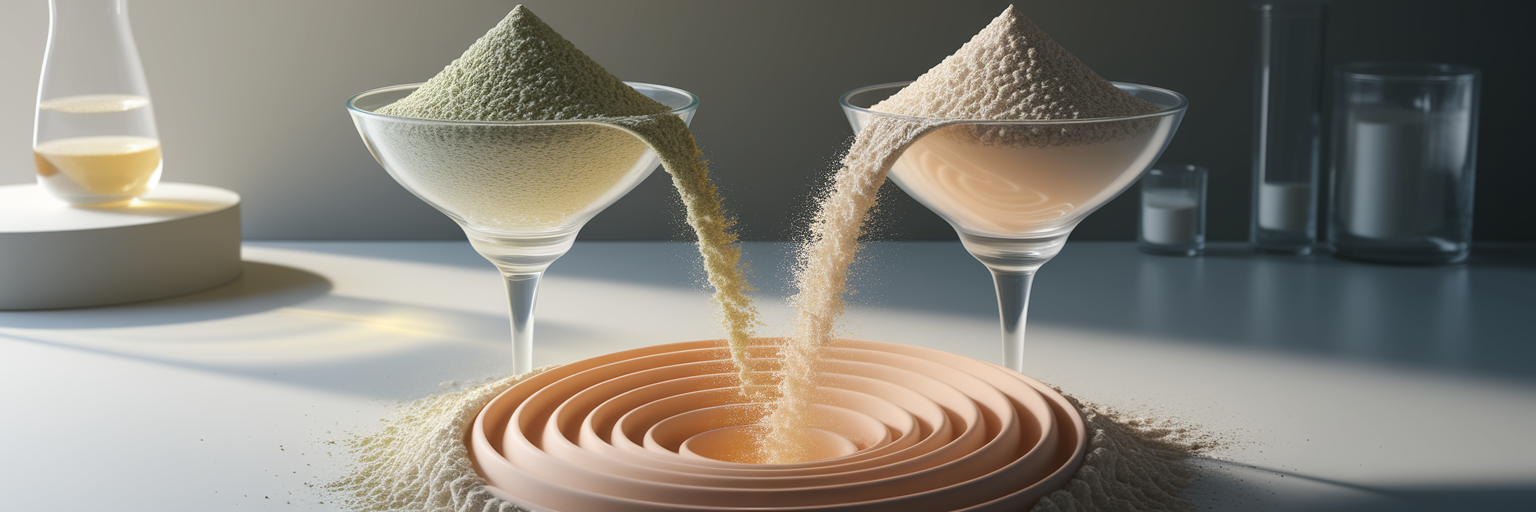
So, how exactly does a plant-based formula achieve results comparable to whey? The answer lies in understanding the building blocks of protein: amino acids. It’s a bit like cracking a code that unlocks muscle growth.
Cracking the Amino Acid Code
For your body to initiate muscle repair, it needs all nine essential amino acids (EAAs). These are the amino acids your body can't produce on its own. A protein source that contains all nine is considered "complete." Historically, the challenge with some plant proteins was that a single source, like rice, might be low in one EAA, while another, like peas, might be low in a different one. This created the perception that they were incomplete and therefore less effective for vegan protein for muscle growth.
Leucine: The Anabolic 'On' Switch
Among the nine EAAs, one stands out as the primary trigger for Muscle Protein Synthesis: leucine. It acts as the "on" switch that tells your muscles to start rebuilding. The main reason whey was long considered the gold standard was its naturally high leucine content. In fact, a 2024 study published in a peer-reviewed nutrition journal found that a plant isolate enriched with leucine stimulated Muscle Protein Synthesis at rates that matched whey protein. This confirmed that hitting a specific leucine threshold is what truly matters.
The Power of Smart Blending
This is where modern formulation comes in. Instead of relying on a single plant source, the best formulas combine complementary proteins. By blending pea protein (rich in leucine) with rice protein (rich in other EAAs like methionine), you create a robust and complete amino acid profile. This is the principle behind expertly crafted supplements, like our Chocolate Vegan Protein, which is designed for optimal absorption and muscle support. Advanced processing also improves digestibility and removes compounds that could hinder absorption, all without needing artificial additives.
Maximizing Your Muscle Growth on Plants
With the science clear, the next question is practical: how do you apply it to your own routine? Knowing how to build muscle on a vegan diet is about being strategic with your nutrition, not just eating more plants. It comes down to hitting a few key targets consistently.
First, focus on total daily protein. This recommendation is supported by modeling studies, such as one from MDPI in 2024, which confirmed that fully plant-based diets can meet these thresholds for bodybuilders. Spreading this intake across several meals helps maintain a steady supply of amino acids for your muscles. Integrating these protein-rich meals into your day can be delicious and simple. For inspiration, check out these 3 easy vegan protein recipes you'll actually crave.
Here’s a simple blueprint to guide you:
| Guideline | Scientific Target | Practical Tip |
|---|---|---|
| Daily Protein Intake | 1.6–2.2 g per kg of body weight | A 150 lb (68 kg) person should aim for 109–150 g of protein daily. |
| Protein Per Meal | 0.4 g per kg of body weight | For a 150 lb person, this is ~27 g of protein per meal, spread across 4-5 meals. |
| Leucine Threshold | At least 2.5 g of leucine per serving | Check your supplement label. A high-quality vegan protein powder should provide this amount. |
| Post-Workout Timing | Within 2 hours of exercise | Have a protein shake or meal soon after your workout to kickstart recovery. |
Hitting that leucine threshold of at least 2.5 grams per serving is especially important for igniting MPS. While you can get this from whole foods, a high-quality vegan protein powder makes it incredibly simple and convenient, especially after a workout when your body is primed for recovery.
More Than Muscle: Overall Wellness Benefits

While building strength is a key goal, the benefits of switching to plant-based protein extend far beyond the gym. It’s a choice that supports your entire body’s wellness, not just your biceps.
One of the most significant advantages is improved cardiovascular health. A comprehensive 2025 review in a Springer journal highlighted that higher intake of plant proteins is associated with benefits like reduced blood pressure and improved lipid profiles. This means you’re supporting your long-term heart health while fueling your short-term fitness goals.
Then there’s the digestive aspect. We’ve all heard the stories of digestive discomfort from dairy-based proteins—the bloating and heaviness that can follow a workout. For many, dairy free protein supplements US are a welcome relief. Plant proteins are generally easier on the gut, allowing you to recover without uncomfortable side effects. This clean feeling aligns perfectly with a holistic approach to health. Pairing your protein with other clean supplements, like our pure creatine monohydrate, can create a powerful stack for overall performance and wellness.
Choosing a Clean and Sustainable Protein
Making the switch to vegan protein is a powerful decision for your health, and it’s also a conscious choice for the planet. According to a 2025 review in the journal MDPI, shifting from dairy to legume-derived proteins can reduce the carbon footprint per gram of protein by an incredible 70-80%. It also requires significantly less land and water.
This conscious mindset extends to what you put in your body. The demand for transparency has fueled the "clean label" movement, where people want to know exactly what’s in their supplements. The best clean label protein powder is one with a short, understandable ingredient list, free from artificial sweeteners, colors, and unnecessary fillers. While some people worry about "anti-nutrients" in plants, it's important to know that modern processing methods used in high-quality products effectively minimize these compounds, ensuring maximum nutrient absorption.
When you're ready to choose, look for these key markers of quality:
- A complete amino acid profile, usually from a blend of sources like pea and rice.
- At least 2.5 grams of leucine per serving to effectively trigger muscle growth.
- A clean, transparent label with no artificial additives.
Ready to fuel your fitness journey with a clean, effective, and sustainable choice? Explore our collection of plant-based nutrition to find the perfect fit for your goals.