

La meta es solo el comienzo de la recuperación
Puedes oír a la multitud antes de verla. Te pesan las piernas, te arden los pulmones, pero superas esos últimos pasos y cruzas la meta. Una oleada de alivio y satisfacción te invade. Esa medalla te pesa en el cuello. Pero a medida que la adrenalina se desvanece, una nueva realidad se impone: este momento es el pistoletazo de salida para tu recuperación.
La recuperación no se trata solo de descansar. Es una parte activa y esencial del entrenamiento que desarrolla la resiliencia y ayuda a prevenir futuras lesiones. Lo que ingieres en las horas posteriores a una carrera influye directamente en la rapidez con la que te recuperas. Por esta razón, muchos atletas de resistencia estadounidenses están recurriendo a herramientas limpias y eficientes, como las proteínas veganas en polvo, para impulsar el proceso de recuperación.
No se trata de comer cualquier refrigerio. Se trata de darle a tu cuerpo justo lo que necesita para reconstruirse. Exploraremos la ciencia detrás de cómo la proteína vegetal repara los músculos, las mejores maneras de usarla y cómo encaja en un plan nutricional completo de recuperación para maratones que te ayudará a recuperarte, más fuerte que antes.
Las ventajas únicas de la proteína vegetal para la resistencia

Después de un maratón, tus músculos se llenan de microdesgarros. Imagínatelo como una cuerda desgastada por el uso intenso. La proteína proporciona las nuevas fibras para reconstruir esa cuerda, fortaleciéndola aún más. Este proceso biológico, conocido como síntesis de proteína muscular, es la base de toda recuperación. Pero no todas las fuentes de proteína funcionan igual, y las opciones vegetales ofrecen beneficios distintivos para los corredores.
Cómo la proteína reconstruye los músculos que trabajan duro
Cada cucharada de proteína de calidad aporta aminoácidos esenciales, los componentes básicos que tu cuerpo necesita para repararse. Al consumir proteína después de una carrera larga, estos aminoácidos se transportan a tus músculos para comenzar a reparar el daño. Por eso, un batido de proteínas después de correr no es solo un capricho; es un primer paso crucial en el ciclo de reparación de tu cuerpo.
El poder antiinflamatorio de las plantas
Uno de los mayores obstáculos para la recuperación es la inflamación, una de las principales causas del dolor muscular. Las proteínas vegetales, como las de los guisantes y el arroz, están repletas de fitonutrientes que ayudan a controlar la respuesta inflamatoria del cuerpo. Como destaca una reseña en RunnersConnect, las dietas a base de plantas ofrecen importantes beneficios cardiovasculares gracias a la mejora del flujo sanguíneo, fundamental para el suministro de nutrientes a los músculos en recuperación. Esta propiedad antiinflamatoria confiere a la proteína vegana para corredores una ventaja única, ayudando a calmar el sistema cuando más lo necesita.
Desmintiendo el mito de la "proteína incompleta"
Quizás hayas oído que las proteínas vegetales son "incompletas". Este es un error común. Si bien una sola fuente vegetal puede no contener todos los aminoácidos esenciales, las mezclas de proteínas veganas modernas combinan diferentes fuentes, como la proteína de guisante y la de arroz, para crear un perfil completo de aminoácidos . Esto garantiza que tus músculos obtengan todo lo que necesitan para una reparación óptima. Comprender las diferencias entre las fuentes es fundamental, y puedes obtener más información sobre algunas de nuestras mejores proteínas en polvo disponibles .
| Característica | Proteína de origen vegetal (por ejemplo, mezcla de guisantes y arroz) | Proteína de origen animal (por ejemplo, suero de leche) |
|---|---|---|
| Respuesta inflamatoria | Inferior; contiene fitonutrientes antiinflamatorios | Puede ser proinflamatorio para algunas personas. |
| Digestibilidad | Generalmente más suave para el intestino, sin lácteos y con menos hinchazón. | Puede causar problemas digestivos en personas con sensibilidad a la lactosa. |
| Densidad de nutrientes | Rico en fibra, antioxidantes y micronutrientes. | Principalmente proteínas; menos compuestos vegetales adicionales |
| Apoyo cardiovascular | Asociado con un mejor flujo sanguíneo y salud cardíaca. | Puede tener un alto contenido de grasas saturadas según la fuente. |
Nota: Esta tabla compara las propiedades generales de las categorías de proteínas. Existen fuentes de alta calidad en ambas categorías, pero las opciones vegetales suelen ofrecer beneficios nutricionales más amplios que favorecen el bienestar general de los atletas de resistencia.
Cómo combatir el dolor y la fatiga después del maratón
Todos hemos pasado por eso. El día después de una gran carrera, cuando incluso bajar un tramo de escaleras se siente como una tarea monumental. Este dolor intenso se conoce como Dolor Muscular de Aparición Tardía (DMAT) y suele alcanzar su punto máximo entre 24 y 48 horas después del ejercicio intenso. Si bien es una parte normal del proceso, puedes tomar medidas para controlarlo eficazmente.
Aquí es donde una estrategia nutricional adecuada puede marcar la diferencia. El objetivo es reducir el dolor muscular después de una maratón , y la proteína vegetal es una herramienta poderosa para lograrlo. Como se destaca en un artículo de Nutrition Now , las fuentes de proteína vegana suelen contener compuestos antiinflamatorios que no se encuentran normalmente en productos animales, lo que favorece una recuperación más rápida. No se trata solo de reconstruir los músculos, sino de calmar el sistema.
Así es como la proteína vegetal ayuda a combatir el dolor:
- Aporta aminoácidos esenciales: proporciona las materias primas necesarias para reparar el daño muscular directamente en la fuente, abordando la causa raíz del dolor.
- Combate la inflamación: los ingredientes de origen vegetal contienen compuestos naturales que ayudan a calmar la respuesta inflamatoria del cuerpo al ejercicio intenso, aliviando las molestias.
- Neutraliza el estrés oxidativo: Una carrera larga genera radicales libres que pueden dañar las células. Los antioxidantes presentes en las proteínas vegetales ayudan a combatir este estrés oxidativo, protegiendo el cuerpo de daños mayores.
Cómo perfeccionar la ingesta y el momento de consumir proteínas
Has terminado tu carrera y tu cuerpo está listo para recuperarse. Pero el tiempo lo es todo. Hay un periodo de entre 30 y 60 minutos después de correr, a menudo llamado "ventana metabólica", en el que tus músculos están increíblemente receptivos a los nutrientes. Aprovechar esta ventana puede acelerar significativamente tu recuperación.
Sin embargo, la proteína no funciona sola. Necesita un aliado: los carbohidratos. Los carbohidratos son esenciales para reponer las reservas de glucógeno agotadas, que son la principal fuente de energía de los músculos. Consumirlos con proteínas también ayuda a transportar los aminoácidos a las células musculares de forma más eficiente. Según Runner's World , la proteína es un macronutriente vital para el desarrollo y la recuperación muscular, así como para mantener huesos y tejido conectivo fuertes.
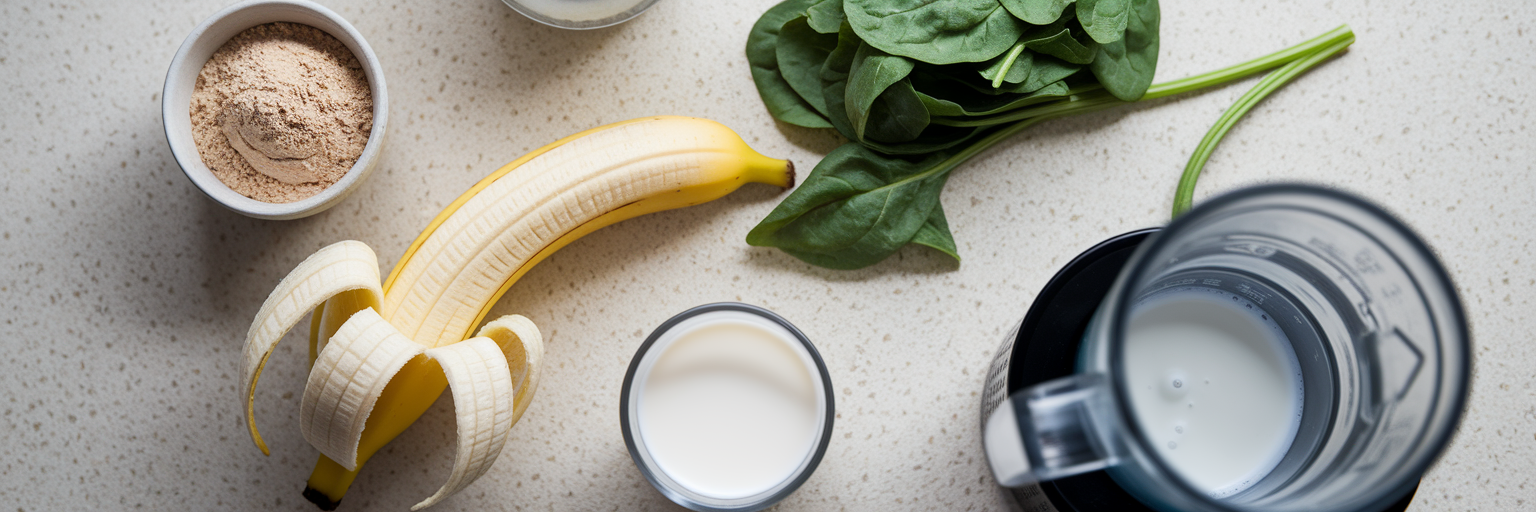
Para tu batido o comida después de correr, intenta consumir entre 20 y 30 gramos de proteína . Este es el punto ideal para impulsar la síntesis de proteína muscular sin sobrecargar el sistema. Consumir proteína vegetal después de correr es una forma sencilla y efectiva de alcanzar este objetivo. Aquí tienes una receta fácil para empezar:
- Comience con una base de proteína de calidad: 1 cucharada de una proteína limpia y suave como nuestra proteína vegana de chocolate proporciona la base perfecta.
- Agregue carbohidratos de acción rápida: 1 plátano maduro.
- Incluir micronutrientes: Un puñado de espinacas.
- Licuar con un líquido: 1 taza de leche de almendras o agua.
Esta sencilla combinación le da a tu cuerpo exactamente lo que necesita después de un esfuerzo largo y duro.
Construyendo un plan de recuperación completo basado en plantas
Tu batido post-carrera es un comienzo fantástico, pero una recuperación completa depende de un enfoque holístico. Piensa en tu nutrición como una estrategia para todo el día, no como algo puntual. Para mantener un aporte constante de aminoácidos para una reparación continua, es útil incorporar proteínas a tus comidas a lo largo del día. Puedes mezclarlas con tu avena matutina, preparar batidos o incluso usarlas para hacer barritas energéticas caseras.
Creemos en una mentalidad de "primero la comida", donde los suplementos complementan una dieta rica en alimentos integrales. Combina tu proteína en polvo con otras excelentes fuentes vegetales como lentejas, tofu, quinoa y frijoles. Esto te asegura obtener una amplia gama de nutrientes para apoyar tu salud general. Hacer que la recuperación sea deliciosa es la mitad del camino. Para más ideas, consulta estassencillas recetas veganas de proteína que te encantarán .
Recuerda, la proteína es solo una pieza del rompecabezas. Un plan de recuperación verdaderamente efectivo se basa en cuatro pilares clave:
- Reabastecimiento inteligente: ingesta constante de proteínas de alta calidad y carbohidratos complejos para reparar los músculos y restaurar la energía.
- Hidratación adecuada: reponer diligentemente los líquidos y electrolitos perdidos durante la carrera.
- Recuperación activa: movimientos suaves como estiramientos, uso de rodillos de espuma o una caminata ligera para mejorar el flujo sanguíneo y aliviar la rigidez.
- Sueño de calidad: intente dormir entre 7 y 9 horas por noche, ya que es en ese momento cuando su cuerpo realiza la mayor parte de su trabajo de reparación.
Para obtener más consejos sobre cómo crear un estilo de vida saludable basado en plantas, nuestro blog está lleno de artículos útiles .
Corre más fuerte, recupérate más rápido
Cruzar la meta de un maratón es un testimonio de tu dedicación. Reconocer ese esfuerzo con una recuperación inteligente es la forma de asegurarte de poder repetirlo una y otra vez. Hemos visto cómo la proteína vegana es una excelente herramienta para la reparación muscular, ayudando a reducir el dolor muscular gracias a sus propiedades antiinflamatorias y funcionando mejor cuando se combina correctamente con carbohidratos.
Pero los beneficios van más allá de los músculos. Un enfoque basado en plantas favorece la salud cardiovascular y aporta nutrientes valiosos al cuerpo. Escuchar a tu cuerpo y nutrirlo con ingredientes limpios y de alta calidad es la clave para la longevidad en este deporte. Se trata de mucho más que terminar; se trata de terminar con fuerza y recuperarse aún más fuerte.
¿Listo para sentir la diferencia en tu recuperación? Explora nuestra colección de proteínas vegetales limpias, diseñadas para ayudarte a llegar a la meta sintiéndote de maravilla.