

Por qué tus músculos necesitan apoyo después de un día en el sendero
No hay nada como sentir un dolor de piernas satisfactorio después de un largo día explorando senderos. Es señal de un fin de semana bien aprovechado al aire libre. Esa sensación, a menudo llamada Dolor Muscular de Aparición Tardía (DMAT), es el resultado de pequeñas microrroturas en las fibras musculares causadas por el esfuerzo físico de caminar, escalar y cargar una mochila. Si bien es parte normal de fortalecerse, no tiene por qué dejarte fuera de juego durante el resto del viaje.
Piensa en la proteína como el equipo esencial para reparar tus músculos . Cuando consumes proteína después de entrenar, tu cuerpo la descompone en aminoácidos, que luego se utilizan para reparar esas microlesiones. Este proceso, conocido como síntesis de proteína muscular, es lo que ayuda a que tus músculos se reconstruyan más fuertes que antes. Este proceso de reconstrucción de las fibras musculares dañadas está respaldado por décadas de ciencia nutricional, con instituciones como la Escuela de Salud Pública de Harvard que confirman que una ingesta adecuada de proteínas es crucial después del esfuerzo.
El momento adecuado puede marcar la diferencia. Consumir proteínas una o dos horas después de la caminata ayuda a iniciar este proceso de reparación, cuando el cuerpo está más receptivo. Esto es clave para una recuperación muscular eficaz en los senderistas . Pero no se trata solo de la reparación muscular. La actividad intensa también agota la principal fuente de energía del cuerpo, el glucógeno. Para una recarga óptima, muchos expertos sugieren una proporción de 4:1 de carbohidratos y proteínas. Esta combinación no solo repara los músculos, sino que también repone rápidamente las reservas de energía, lo que garantiza que estés listo para lo que te depare la ruta del día siguiente. Se trata de sentirte menos dolorido y con más energía para toda la aventura.
La elección del campista inteligente para una nutrición ligera
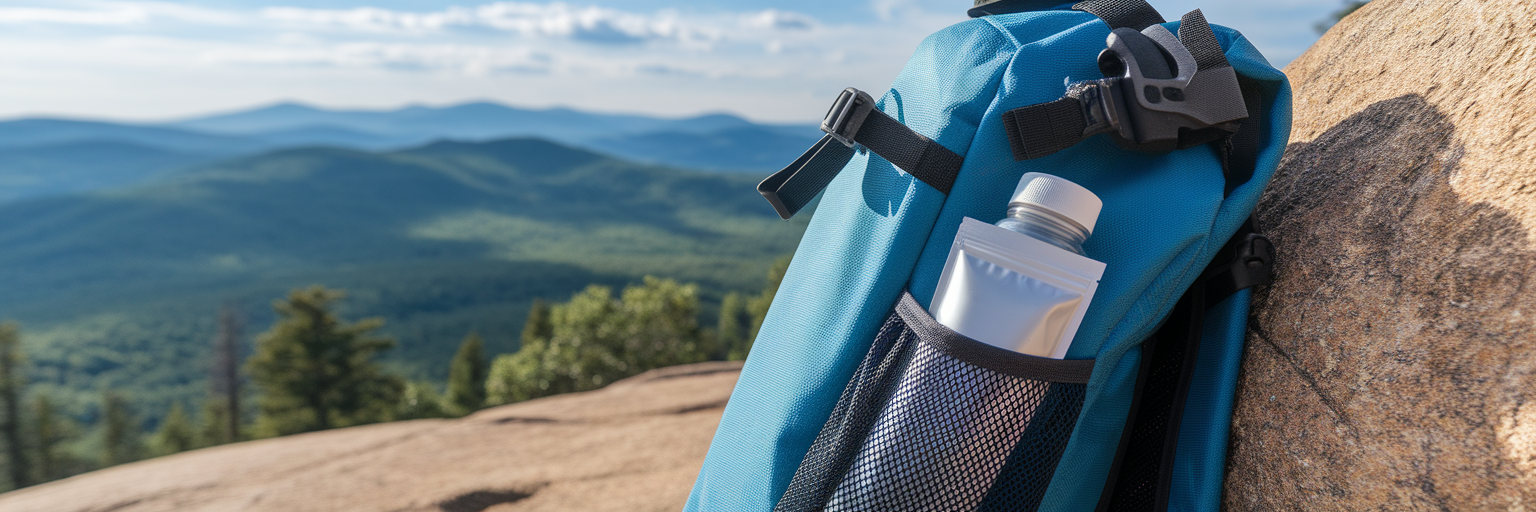
Cuando cada gramo de tu mochila cuenta, tus elecciones de alimentos se vuelven estratégicas. Aquí es donde la proteína vegana en polvo realmente brilla para campistas y excursionistas. Su ventaja más obvia es su portabilidad. Una bolsa ligera de proteína en polvo ocupa mucho menos espacio y peso que alternativas voluminosas como frijoles enlatados, comidas precocinadas o fuentes de proteína perecederas. Puedes llevar la cantidad de proteína de alta calidad necesaria para un día sin sentirte agobiado.
Más allá de su peso, la estabilidad de la proteína en polvo es una gran ventaja. Es una fuente confiable de nutrición que no se echa a perder, ya sea en las calurosas caminatas de verano en Zion o en las frescas noches de otoño en las Adirondacks. Esto la convierte en una parte esencial de tu plan de nutrición vegetal para senderismo . No tienes que preocuparte por la refrigeración ni por el deterioro, lo que te ahorra un problema en el camino.
Otro beneficio que a menudo se pasa por alto es la digestibilidad. El esfuerzo físico, especialmente en altura, a veces puede ralentizar un poco el sistema digestivo. Las proteínas vegetales de alta calidad suelen estar formuladas para ser suaves con el estómago, aportando los nutrientes necesarios sin causar molestias. Elegir un polvo limpio y eficaz garantiza obtener todos los beneficios sin molestias digestivas, y puedes explorar una variedad de nuestras opciones vegetales para encontrar la que mejor se adapte a ti. Para la comunidad estadounidense moderna y con conciencia ecológica de amantes de las actividades al aire libre, elegir proteínas vegetales también se alinea con el compromiso con la sostenibilidad y una huella ambiental más limpia.
Cómo seleccionar la mejor proteína vegetal en polvo
No todas las proteínas en polvo son iguales, especialmente cuando necesitas una que rinda bien en la naturaleza. Una elección informada te garantiza obtener los beneficios de recuperación que necesitas sin ningún extra indeseado. A continuación, te indicamos qué debes buscar al elegir una proteína vegana para acampar :
- Busca un perfil completo de aminoácidos: Tus músculos necesitan los nueve aminoácidos esenciales para una reparación eficaz. Si bien algunas proteínas vegetales individuales son incompletas, una mezcla de múltiples fuentes de proteína de guisante, arroz y cáñamo suele proporcionar el espectro completo. Como recomienda la guía de entrenamiento 2025 de Tough Mudder, los atletas deberían buscar polvos con al menos dos proteínas vegetales para maximizar la reparación muscular.
- Comprueba la ingesta de 20 a 25 gramos de proteína: Para estimular eficazmente la síntesis de proteína muscular, una porción debe contener entre 20 y 25 gramos de proteína. Esta dosis es ampliamente reconocida como la ideal para activar los mecanismos de recuperación del cuerpo después de una caminata extenuante.
- Lee la lista de ingredientes: Una fórmula verdaderamente limpia debe estar libre de edulcorantes artificiales, colorantes, rellenos y aditivos innecesarios. Lo último que quieres en el camino es malestar digestivo por ingredientes que tu cuerpo no reconoce. Opta por polvos con ingredientes sencillos y fáciles de entender.
- No te conformes con una textura granulosa: Se acabaron los días de la proteína vegetal grumosa y desagradable. Las fórmulas modernas están diseñadas para una textura suave y agradable que se mezcla fácilmente con solo agua en una botella mezcladora. Creemos que no deberías tener que sacrificar ni el sabor ni la textura para obtener combustible limpio.
Encontrar un polvo que cumpla con todos estos requisitos puede parecer mucho, pero comprender qué hace que los polvos de proteína sean los mejores del mercado hace que la elección sea mucho más fácil.
| Característica | Por qué es importante para los campistas | Qué buscar |
|---|---|---|
| Fuente de proteína | Asegura todos los aminoácidos esenciales para una reparación muscular completa. | Mezclas de múltiples fuentes (por ejemplo, guisantes, arroz, cáñamo). |
| Proteína por porción | Proporciona la dosis efectiva para desencadenar la recuperación muscular. | 20-25 gramos. |
| Lista de ingredientes | Evita molestias digestivas y se alinea con los valores de una alimentación limpia. | Sin edulcorantes, saborizantes ni rellenos artificiales. |
| Textura y mezclabilidad | Asegura una bebida agradable con sólo agua y una coctelera. | Etiquetas que mencionan 'textura suave' o 'fácil mezcla'. |
| Sabor | Previene la fatiga del sabor en viajes de varios días. | Sabores naturales como chocolate o vainilla que son versátiles. |
Esta lista de verificación resume los factores clave a tener en cuenta al elegir un polvo de proteína de origen vegetal para sus aventuras al aire libre, garantizando que obtenga una nutrición efectiva que también sea agradable de consumir.
Recetas sencillas sin cocinar para tu camping
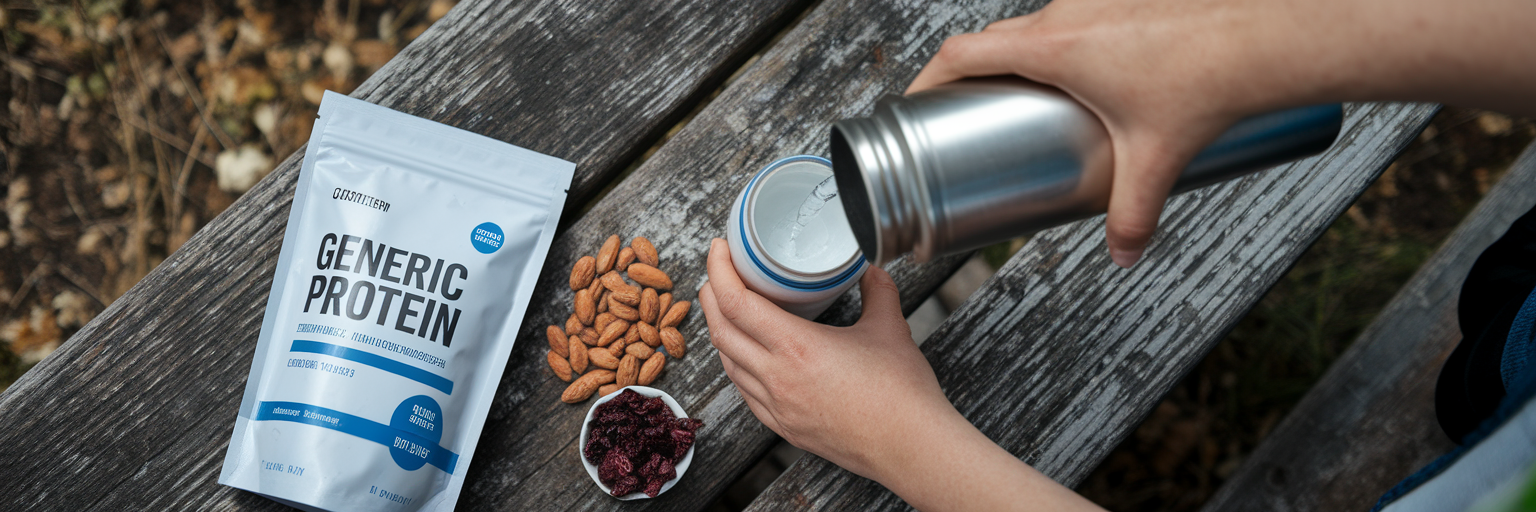
Las mejores comidas para acampar son sencillas, requieren poco equipo y ofrecen la máxima nutrición. La proteína vegana en polvo es la base perfecta para una recuperación rápida y satisfactoria. Aquí tienes algunas recetas fáciles de proteínas para exteriores que puedes preparar en minutos sin necesidad de una estufa.
- Batido de Recuperación de 30 Segundos: Esta es la bebida de recuperación más rápida y sencilla para después de una caminata . Simplemente combina una cucharada de tu proteína en polvo favorita con 280-350 ml de agua en una botella mezcladora y agita vigorosamente durante 30 segundos. Para un impulso extra, añade una pizca de sal marina para ayudar a reponer los electrolitos perdidos por el sudor.
- Avena instantánea con proteína: Prepárala en casa para que sea aún más fácil en el campamento. En una bolsa reutilizable, combina media taza de avena instantánea, una cucharada de proteína en polvo de vainilla o sin sabor, una cucharada de semillas de chía y un puñado de frutos secos. En el campamento, simplemente añade agua caliente o fría, remueve y deja reposar unos minutos hasta que espese.
- Pudín Cremoso de Proteína: Para un capricho con sabor a postre, mezcla una cucharada de proteína en polvo con suficiente agua para obtener una consistencia espesa, similar a la de un pudín. Empieza con unas cucharadas de agua y añade más hasta que quede perfecto. Nuestra Proteína Vegana de Chocolate es perfecta para esto. Cúbrela con un puñado de frutos secos o un paquete de mantequilla de frutos secos para obtener grasas saludables adicionales y una textura crujiente y satisfactoria.
Un consejo rápido: puedes ajustar fácilmente las calorías de estas recetas según tu nivel de actividad. Si fue una caminata corta, usa agua como base. Para un día más intenso, mezclar la proteína con una leche vegetal de larga duración añadirá calorías y cremosidad. Estas sencillas recetas son solo el comienzo. Si buscas maneras más creativas de alimentar tus aventuras, echa un vistazo a estas otrasrecetas veganas fáciles de proteína que seguro te encantarán .
Consejos inteligentes para preparar proteínas para el camino
Una cosa es tener una nutrición adecuada; otra muy distinta es facilitar el acceso a ella en el camino. Un poco de preparación en casa puede marcar una gran diferencia en la comodidad de usar la proteína en el campamento. Aquí tienes algunos consejos de campistas experimentados:
- Prepara tus raciones con antelación. En lugar de llevar la bolsa entera, mide porciones individuales de proteína en polvo en pequeñas bolsas reutilizables con cierre hermético. Esto te ahorra tiempo y desorden en el campamento, y te permite tener justo lo que necesitas.
- Invierte en una buena botella mezcladora. Una botella mezcladora de calidad, libre de BPA y con un mecanismo de mezcla fiable, como un batidor de bola, es tu mejor aliada para un batido sin grumos. Garantiza que la proteína se disuelva por completo, incluso con agua fría.
- Protégelo de la humedad. La proteína en polvo y la humedad no se llevan bien. Guarda las bolsas pre-porcionadas en un recipiente hermético grande o en una bolsa impermeable para protegerlas del rocío matutino o de un chaparrón inesperado. Como recomiendan fuentes expertas como Campfood.org , guardar los polvos en recipientes herméticos evita que se aglomeren y garantiza que tu proteína esté lista cuando la necesites.
- Equilibra tu energía con alimentos integrales. Si bien la proteína en polvo es fantástica para la recuperación, recuerda llevar otros refrigerios integrales. Los sobres de mantequilla de frutos secos, la fruta deshidratada y la mezcla de frutos secos proporcionan energía sostenida y diferentes texturas, lo que ayuda a prevenir la fatiga del sabor en viajes largos.
Con el combustible adecuado en tu mochila, estarás listo para cualquier desafío que te depare el camino. ¿Listo para tu próximo viaje? Explora la gama completa de nuestros suplementos vegetales y encuentra tu combustible ideal para la aventura.