

¿Por qué añadir proteínas a tu salsa para pasta?
Seamos sinceros, pocas cosas en la vida son tan reconfortantes como un buen plato de pasta. Es la comida predilecta que se siente como un abrazo cálido, especialmente después de un largo día. Pero si te preocupas por tu salud, conoces el dilema clásico: tu plato de pasta favorito suele ser rico en carbohidratos y pobre en las proteínas necesarias para un estilo de vida activo. ¿Y si pudieras cambiar eso sin renunciar a la comodidad?
No se trata de una dieta restrictiva. Considéralo un truco simple e inteligente para que tu comida favorita te funcione. Al añadir una cucharada de proteína vegana en polvo a tu salsa, transformas una simple cena de pasta en una comida equilibrada y potente para fortalecer los músculos. Es la comida vegana perfecta para después del entrenamiento que, además, te ofrece todo el sabor que buscas.
Obtener suficiente proteína es esencial para reparar los músculos después de una sesión de gimnasio, ayudarte a sentirte saciado por más tiempo para apoyar el control de peso y proporcionarte la energía sostenida que necesitas para afrontar el día. Este aporte de proteína es esencial para la recuperación, un tema que exploramos con más detalle en nuestra guía sobre los beneficios de los suplementos clave para el fitness . Para cualquier persona que siga una dieta a base de plantas, alcanzar tus objetivos diarios de proteína a veces puede ser un desafío. Enriquecer tu salsa para pasta es una solución deliciosa y casi invisible para ayudarte a lograrlo. No tienes que elegir entre tu comida reconfortante y tus objetivos de fitness. Puedes tener ambos.
Cómo elegir la proteína vegana en polvo adecuada
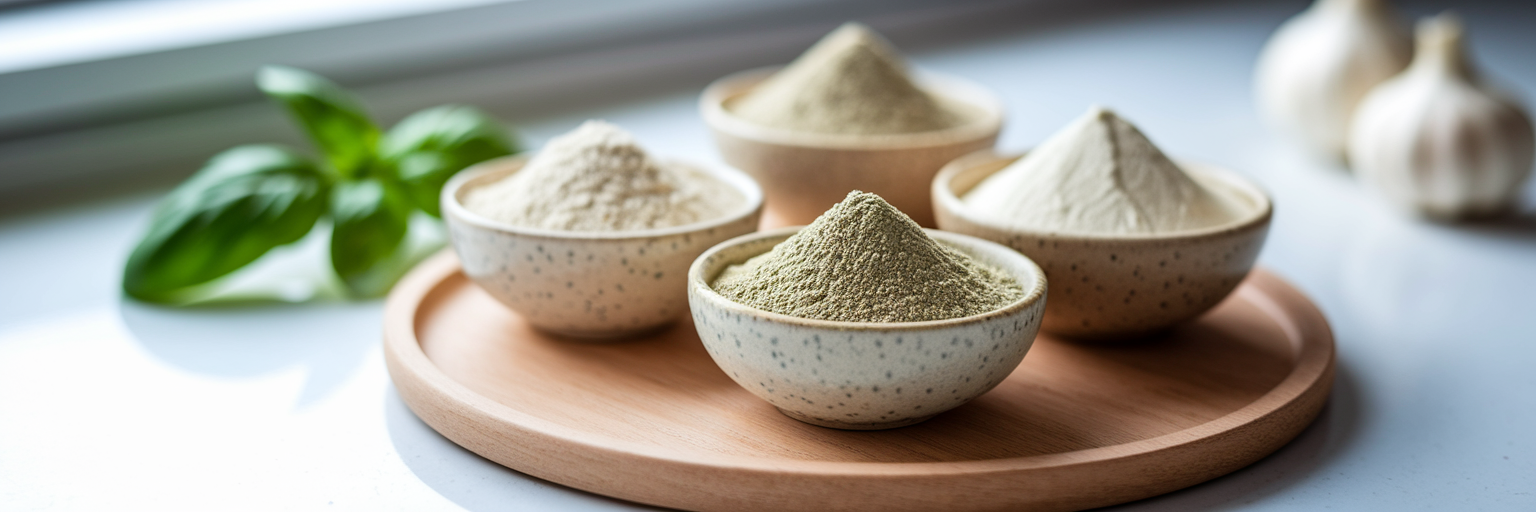
Antes de empezar, ten en cuenta esto: la proteína en polvo que elijas es crucial para obtener un resultado delicioso. No todos los polvos son iguales, sobre todo en la cocina. Aquí te explicamos qué debes buscar para garantizar una salsa suave y sabrosa en todo momento.
Priorizar los alimentos sin sabor ni azúcar
Este es un punto clave para las recetas de proteína en polvo sin sabor. Imagina que tu marinara clásica de repente sabe a vainilla o chocolate; ¡no es precisamente lo ideal! Un polvo sin sabor se integrará perfectamente en tu salsa sin desentonar con el ajo, las hierbas y los tomates que tanto te gustan. Aporta un toque nutritivo sin dejar un regusto extraño.
Tenga en cuenta la fuente de proteína y la textura
La fuente de proteína influye directamente en la textura final de la salsa. Para una consistencia más suave y cremosa, un aislado de proteína de guisante finamente molido es la mejor opción. Tiene un sabor neutro y se disuelve a la perfección. Si bien las mezclas de proteína de soja o arroz también pueden funcionar, a veces tienen un sabor más marcado o un acabado ligeramente más arenoso. Un aislado de proteína vegano de alta calidad está diseñado específicamente para tener una textura suave, lo que lo hace ideal para crear salsas cremosas sin textura calcárea.
Busque ingredientes limpios y sencillos
Conviértete en un detective de etiquetas. Las mejores proteínas en polvo para cocinar tienen una lista de ingredientes corta y sencilla. Evita las proteínas en polvo cargadas de edulcorantes artificiales, gomas o rellenos, ya que pueden afectar el sabor y la consistencia de tu salsa. Los ingredientes limpios se traducen en un sabor puro y una mejor nutrición. Si buscas una proteína en polvo que cumpla con todos estos requisitos, puedes explorar nuestra gama de proteínas vegetales limpias, diseñadas para ser versátiles.
| Fuente de proteína | Perfil de sabor | Textura cuando se mezcla | Mejor para |
|---|---|---|---|
| Aislado de proteína de guisante | Neutro, ligeramente terroso. | Muy suave, se disuelve bien. | Salsas cremosas y de tomate |
| Aislado de proteína de soja | Neutro a ligeramente frijol | Suave, puede ser muy espeso. | Salsas cremosas, funciona bien en licuadoras. |
| Proteína de cáñamo | Sabor a nuez, fuerte y terroso. | Ligeramente arenoso, fibroso | No es ideal para salsas suaves; mejor en platos rústicos. |
| Proteína de arroz integral | Ligeramente dulce, sabor distintivo. | Puede ser calcáreo o arenoso | Es mejor evitarlo para salsas suaves. |
Nota: Esta tabla compara las proteínas en polvo comunes de un solo ingrediente. El sabor y la textura pueden variar según la marca y el método de procesamiento. Un aislado de alta calidad generalmente ofrece los mejores resultados para salsas.
La técnica básica para una salsa perfectamente suave
Ahora que tienes el polvo adecuado, empecemos con la técnica. Conseguir una salsa perfectamente suave y rica en proteínas es fácil una vez que conoces los secretos. Todo se reduce a cómo incorporas el polvo. Aquí es donde brillarán tus habilidades culinarias con proteína vegana en polvo .
El error número 1 que hay que evitar
Hagas lo que hagas, no viertas la proteína en polvo directamente en una salsa picante . La proteína se cocinará demasiado rápido y se endurecerá, creando grumos difíciles de desmoldar. Esta es la forma más rápida de obtener una comida grumosa y decepcionante. Un poco de preparación marca la diferencia.
Método 1: Crear una suspensión
Este es el método clásico e infalible para incorporar cualquier polvo a un líquido sin grumos. Solo toma un minuto extra.
- Tome una cucharada de su proteína en polvo sin sabor y colóquela en un tazón pequeño.
- Añade un poco de líquido frío o tibio, como agua, caldo de verduras o leche vegetal sin azúcar. Aproximadamente 1/4 de taza debería ser suficiente.
- Bata vigorosamente hasta que el polvo se disuelva por completo y obtenga una pasta suave y sin grumos. Este método de suspensión es una técnica confiable tanto en las artes culinarias como en la ciencia de los alimentos. Como señalan los expertos de EarthChimp , agregar el líquido al tazón antes del polvo es clave para asegurar una mezcla suave en todo momento.
Método 2: La ventaja de la licuadora
Si ya preparas una salsa cremosa con la licuadora, este método es aún más fácil. Simplemente añade la cucharada de proteína en polvo a la licuadora junto con los demás ingredientes básicos (como anacardos, tofu sedoso o verduras asadas) antes de licuar. La alta velocidad de la licuadora los integrará perfectamente.
Una vez hecha la pasta o licuada la salsa, baje el fuego de la salsa principal. Vierta lentamente la mezcla de proteínas, revolviendo constantemente hasta que esté completamente integrada. Un último consejo: la proteína en polvo espesa las salsas de forma natural, así que tenga a mano un poco de caldo o leche vegetal extra para diluirla a la consistencia deseada.
Guía de recetas para salsas cremosas ricas en proteínas
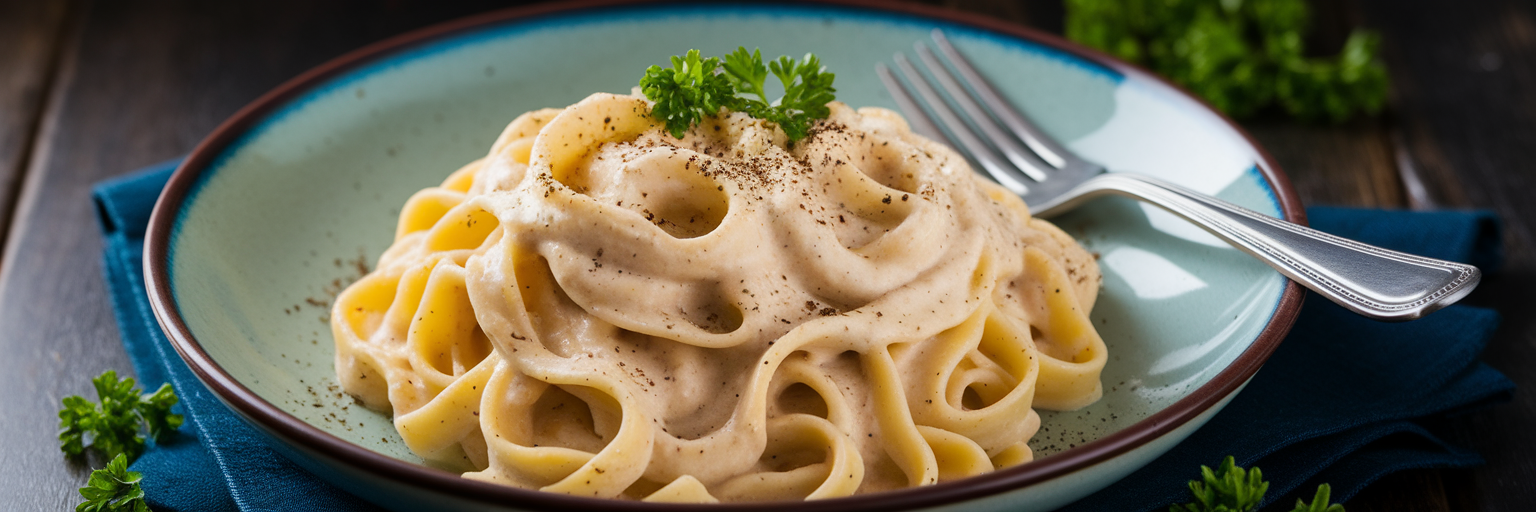
¿Listo para poner en práctica estas técnicas? Crear una salsa para pasta vegana rica, cremosa y rica en proteínas es más fácil de lo que crees. La clave está en empezar con una buena base. Aquí te explicamos cómo preparar pasta vegana cremosa que saciará tus antojos y te ayudará a alcanzar tus objetivos.
Para una salsa cremosa, tienes dos opciones fantásticas. La primera es el tofu sedoso , una base excelente, baja en grasas y rica en proteínas, que se funde en una salsa increíblemente suave. Usar tofu sedoso como base es un método popular en la comunidad vegana, con blogueros gastronómicos como Elavegan demostrando cómo se puede crear una salsa increíblemente cremosa, baja en grasas y con más de 30 gramos de proteína por porción. La segunda opción son los anacardos crudos remojados , la opción ideal para una salsa cremosa más rica y exquisita que rivaliza con cualquier clásico lácteo.
Una vez elegida la base, es hora de equilibrar el sabor. Como la proteína en polvo sin sabor es neutra, puedes realzar la salsa con algunos ingredientes clave. Añade levadura nutricional para un sabor a queso y umami, un chorrito de jugo de limón fresco para realzarlo todo y una pizca de nuez moscada para un toque cálido y profundo. Estos ingredientes ayudan a garantizar que tu salsa sea deliciosa.
Aquí tienes una receta rápida para empezar:
- Alfredo cremoso rico en proteínas: Saltee unos dientes de ajo picados en aceite de oliva hasta que desprendan su aroma. En una licuadora de alta velocidad, mezcle 1 taza de anacardos crudos remojados, 1.5 tazas de agua, el ajo salteado, 1/4 de taza de levadura nutricional, un chorrito de jugo de limón, sal, pimienta y una cucharada de proteína vegana sin sabor. Licúe hasta obtener una mezcla suave. Caliente la salsa en una sartén (¡sin que hierva!) y acompañe con sus fettuccine favoritos.
Una vez que domines esta salsa cremosa, estarás listo para probarrecetas de proteínas veganas aún más deliciosas y fáciles .
Dominando las salsas proteicas a base de tomate
Añadir proteína a una salsa de tomate requiere un enfoque ligeramente diferente. Dado que la marinara y otras salsas rojas tienen un sabor más delicado y ácido, conviene asegurarse de que la proteína potencie los nutrientes sin alterar el sabor. En este caso, un polvo sin sabor es absolutamente esencial.
La regla de oro para las salsas de tomate es añadir la proteína al final de la cocción . Deja que la salsa hierva a fuego lento para que los deliciosos sabores del tomate, el ajo y las hierbas se integren. Cuando esté casi lista para servir, baja el fuego. Este es el momento perfecto para usar el método de la mezcla que mencionamos antes. Es la mejor opción, ya que normalmente no se usa una licuadora para una marinara clásica.
Simplemente bate tu cucharada de proteína con un poco de agua fría hasta formar una pasta suave y luego incorpórala a la salsa hirviendo. Si notas un ligero cambio de sabor, es fácil de arreglar. Un poco más de albahaca fresca, una pizca de orégano o una pizca de ajo en polvo lo equilibrarán a la perfección. Marcas como Nutraflav también recomiendan este método: añadir una cucharada de proteína sin sabor una vez que la salsa esté hirviendo y mezclar bien para asegurar que se disuelva por completo.
Pruebe esta noche una de estas sencillas recetas de pasta vegana con alto contenido proteico :
- Marinara Fortificada: Prepare su salsa marinara favorita en la estufa. En un tazón aparte, bata una cucharada de proteína vegana sin sabor con 1/4 de taza de agua hasta obtener una mezcla suave. Baje el fuego de la salsa y agregue la mezcla hasta que esté completamente integrada. Deje hervir a fuego lento durante uno o dos minutos más y sirva sobre la pasta.
Comienza tu aventura culinaria rica en proteínas
Ahora ya conoces los secretos para preparar salsas para pasta increíbles y ricas en proteínas: usa un polvo sin sabor de calidad, hazlo siempre en una pasta o mézclalo, y añádelo en el momento justo. ¿Listo para que tus comidas rindan más? Explora nuestros polvos de proteína veganos suaves, limpios y sin sabor para empezar. ¡Nos encantaría ver tus creaciones! Etiquétanos en Instagram con tus platos de pasta ricos en proteínas.