
Acabas de terminar un entrenamiento fantástico. Te sientes realizado, con energía y listo para relajarte. De repente, te entra un antojo intenso. No es de algo dulce, sino del crujiente sabor de unas papas fritas o unos pretzels. Si esto te suena familiar, no estás solo. Esta experiencia es increíblemente común para cualquiera que se esfuerce al máximo con el ejercicio.
Entonces, ¿qué ocurre? Esta fuerte necesidad de sal es una señal clara que envía tu cuerpo. Al sudar, pierdes más que solo agua; también pierdes electrolitos esenciales, siendo el sodio el más importante . Tu cuerpo, en su sabiduría, te dice que lo repongas. Al mismo tiempo, acabas de quemar una cantidad significativa de energía, lo que naturalmente provoca hambre.
La solución fácil parece ser comprar una bolsa de snacks salados. Pero aquí está el truco: si bien satisfacen el antojo inmediato, a menudo van en contra de tus objetivos de fitness al aportar calorías vacías, grasas no saludables y mucho más sodio del que realmente necesitas. Aquí es donde entra en juego una estrategia más inteligente. Una proteína vegana de alta calidad puede satisfacer tanto tu hambre como la necesidad de reposición de tu cuerpo, ayudándote a recuperarte sin sacrificar nada.
Explicación del antojo de sal después del entrenamiento
Esa sensación de terminar un buen entrenamiento y encontrarse con un intenso antojo de algo salado es una experiencia casi universal para los amantes del fitness. Es la forma en que el cuerpo comunica sus necesidades después de un esfuerzo excesivo. La ciencia que lo sustenta es bastante simple y se reduce a dos factores principales.
En primer lugar, al sudar, se pierden electrolitos, y el más importante es el sodio. El cuerpo es una máquina muy precisa que sabe cuándo bajan sus niveles de sodio. Ese antojo de papas fritas o pretzels es una señal directa para reponer lo perdido. En segundo lugar, el ejercicio quema mucha energía, y el cuerpo envía señales de hambre de forma natural para reponer sus reservas agotadas. Esta combinación crea un fuerte deseo de algo salado y saciante.
El problema es que los snacks salados procesados son una solución poco ideal. Puede que calmen el antojo por un momento, pero suelen contener demasiado sodio, grasas no saludables y muy poco valor nutricional para favorecer la recuperación muscular. Este es el conflicto central: satisfacer una necesidad fisiológica real con un alimento que puede socavar tu esfuerzo. Afortunadamente, hay una forma mucho mejor de responder. Una proteína vegana de calidad puede abordar tanto el hambre como el equilibrio electrolítico, preparándote para una recuperación exitosa.
La ciencia de las proteínas y la saciedad

Para entender cómo un batido de proteínas puede ser la solución a un antojo de sal, primero debemos hablar de la saciedad. La saciedad es simplemente la sensación de plenitud y satisfacción que le indica al cerebro que ya has comido suficiente. La proteína es excepcionalmente eficaz para crear esta sensación. Al consumir proteína, se desencadena la liberación de hormonas intestinales como el GLP-1 y el PYY, que actúan como mensajeros, indicando al cerebro que estás lleno. Este proceso ayuda a desactivar las señales de hambre antes de que te lleven a comer en exceso.
El efecto no es solo una sensación; está respaldado por la ciencia. Por ejemplo, un ensayo cruzado de 2014 publicado en Nutrition Journal descubrió que, cuando mujeres sanas consumían un refrigerio proteico de 14 gramos, sentían significativamente menos hambre después que cuando consumían un refrigerio de chocolate con alto contenido de grasa. El estudio destacó que el refrigerio proteico redujo su ingesta calórica en la siguiente comida en aproximadamente 100 calorías, lo que demuestra un impacto real en el control del apetito.
Las proteínas vegetales, como las derivadas de los guisantes y el arroz, son especialmente eficaces. Ofrecen un perfil completo de aminoácidos que el cuerpo puede absorber eficientemente, lo que ayuda a mitigar las señales de hambre justo cuando más las necesitas: después de entrenar. Por eso es tan eficaz incorporar proteína vegana en estrategias de pérdida de peso : te ayuda a controlar el apetito de forma natural. Al comprender cómo funcionan las proteínas, te darás cuenta de que un batido post-entrenamiento no solo sirve para reparar los músculos. Es una herramienta estratégica para controlar el hambre y tomar decisiones conscientes. Si te interesa saber cuáles son las mejores opciones, puedes aprender más con los consejos que hemos compartido sobre cómo elegir proteínas en polvo que se ajusten a tus objetivos.
Cómo cronometrar tu proteína vegana para obtener el máximo efecto
Quizás hayas oído hablar de la "ventana anabólica", que suena técnico, pero en realidad es el período de 30 a 60 minutos después del ejercicio, cuando tu cuerpo es más receptivo a los nutrientes. Durante este tiempo, tus músculos son como esponjas, listos para absorber proteínas y otros nutrientes para comenzar el proceso de reparación y recuperación. Aprovechar esta ventana no solo se trata del crecimiento muscular; también es una poderosa estrategia para controlar el hambre.
Un estudio de 2024 sobre adultos de mediana edad, disponible en PubMed, aportó pruebas contundentes de ello. Demostró que tomar un batido de proteínas después de las sesiones de entrenamiento , concretamente inmediatamente después del entrenamiento de resistencia, reducía significativamente el apetito durante las horas siguientes en comparación con una bebida solo con carbohidratos. Este hallazgo nos ofrece una conclusión clara y práctica: el momento oportuno es importante.
Para poner esto en práctica, adopta una estrategia de "proteínas primero". Intenta consumir de 20 a 30 gramos de proteína vegana de alta calidad en los 30 minutos siguientes a tu entrenamiento. Este sencillo paso puede estabilizar eficazmente tu apetito y eliminar esos antojos salados incluso antes de que aparezcan. Considéralo como el primer paso de tu rutina post-entrenamiento. Antes de estirar, antes de ducharte, prepara tu batido. Al atender tu hambre de inmediato, te das el espacio para tomar decisiones alimentarias más conscientes y saludables más adelante, en lugar de reaccionar ante antojos intensos. Para complementar esta estrategia, puedes explorar nuestra gama completa de opciones limpias y vegetales .
Formas inteligentes de reponer electrolitos
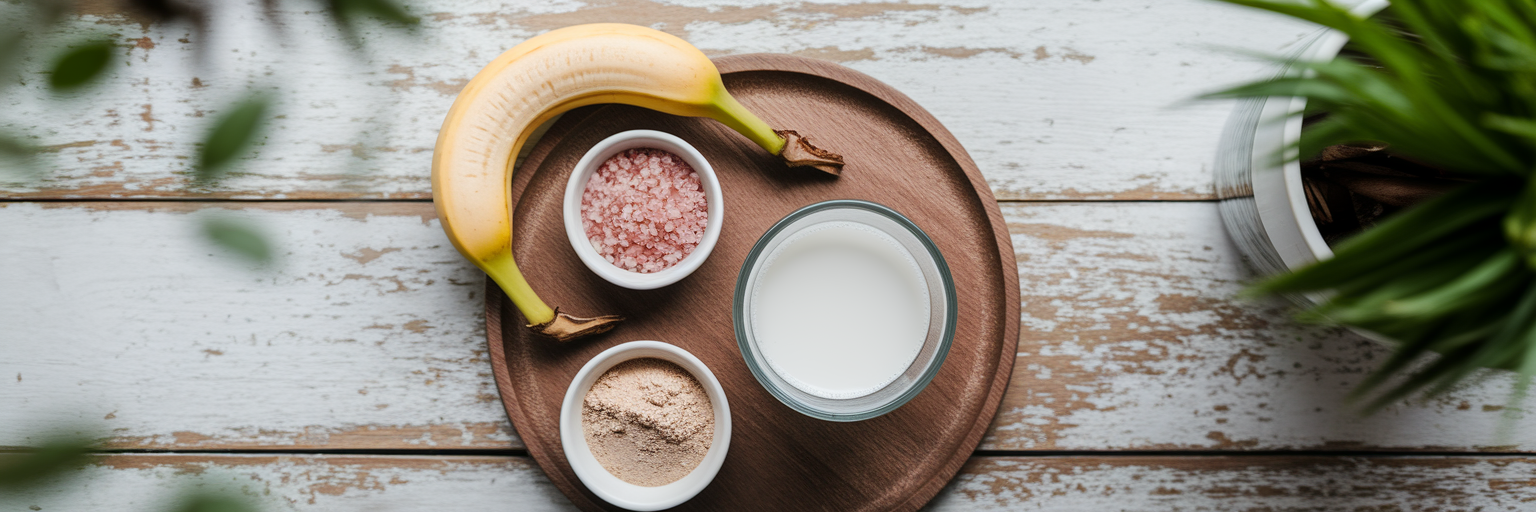
Seamos claros: el antojo de sal es una señal real del cuerpo. Necesita reponer el sodio que pierde a través del sudor, y debes escucharlo. Sin embargo, comer una bolsa de papas fritas procesadas es como usar un mazo para colgar un marco de fotos. Es excesivo. Estos bocadillos suelen estar repletos de sodio, grasas no saludables y casi no aportan ningún valor nutricional para ayudar a la recuperación.
La alternativa más inteligente es un batido de recuperación equilibrado que satisface todas las necesidades de tu cuerpo a la vez. En lugar de calorías vacías, puedes crear una de las mejores ideas de refrigerio post-entrenamiento combinando una cucharada de proteína vegana limpia con ingredientes integrales. Por ejemplo, añadir un plátano o un chorrito de agua de coco aporta potasio, otro electrolito clave que se pierde a través del sudor. Para saciar ese sabor salado tan particular, simplemente añade una pizca de sal marina de alta calidad directamente a tu batido. Esto te da el sabor que buscas de forma controlada y beneficiosa, ayudando a reequilibrar tus electrolitos sin la basura.
Como han señalado los profesionales del fitness en el blog de NASM, los atletas que consumen proteínas poco después de una sesión reportan una reducción significativa en sus antojos de snacks salados. Este enfoque basado en la proteína, combinado con un toque de sal, es el complemento perfecto. Incluso puedes encontrar más inspiración con algunas denuestras recetas veganas fáciles de proteína que realmente te encantarán.
| Característica | Snacks salados procesados (por ejemplo, patatas fritas) | Batido de recuperación inteligente |
|---|---|---|
| Fuente de sodio | Altamente procesado, cantidades excesivas | Pizca controlada de sal marina |
| Valor nutricional | Calorías vacías, grasas no saludables | Alto en proteínas, vitaminas y minerales. |
| Impacto en la recuperación | Puede causar hinchazón y dificultar el logro de objetivos. | Favorece la reparación y rehidratación muscular. |
| Efecto de saciedad | Bajo; a menudo conduce a comer en exceso | Alto; promueve la saciedad y frena los antojos. |
Esta tabla ilustra cómo un batido preparado cuidadosamente proporciona una nutrición específica para la recuperación, mientras que los refrigerios procesados ofrecen beneficios mínimos y pueden restar valor al progreso físico.
Recetas de batidos y snacks proteicos veganos sabrosos
Saber cómo acabar con los antojos salados es una cosa, pero tener opciones deliciosas y sabrosas a mano lo hace muy fácil. La tendencia hacia los snacks funcionales y salados está en auge, y puedes preparar los tuyos fácilmente en casa. Aquí tienes un par de recetas de snacks salados saludables diseñadas para saciar ese antojo después del entrenamiento y, al mismo tiempo, impulsar tu recuperación.
Batido de proteína de pepino y miso sabroso
Este batido es refrescante, hidratante y tiene la cantidad justa de sabor salado para dar en el clavo.
- 1 cucharada de proteína vegana en polvo sin sabor o vainilla
- 1 taza de leche de almendras sin azúcar
- 1/2 taza de pepino picado
- 1 cucharadita de pasta de miso blanca
- Un pequeño puñado de hojas de menta fresca
- Cubitos de hielo
- Combine todos los ingredientes en una licuadora.
- Licuar hasta obtener una mezcla suave y cremosa.
- Disfrútelo inmediatamente y disfrute de un refrigerio refrescante y reparador.
Bocados crujientes de proteína de lentejas
Cuando necesitas ese crujido satisfactorio, estos bocados son el reemplazo perfecto de las papas fritas.
- 1 taza de lentejas marrones o verdes cocidas, muy secas
- 1/2 cucharada de proteína vegana en polvo sin sabor
- 1 cucharada de levadura nutricional
- 1/2 cucharadita de ajo en polvo
- 1/2 cucharadita de pimentón ahumado
- Una pizca de sal marina y pimienta negra.
- Precaliente su horno o freidora de aire a 400°F (200°C).
- En un bol, mezcle las lentejas secas con la proteína en polvo y los condimentos hasta que estén cubiertas de manera uniforme.
- Extiende las lentejas en una sola capa sobre una bandeja para hornear.
- Hornee durante 15 a 20 minutos, o hasta que esté crujiente, agitando la sartén a la mitad de la cocción.
- Déjalos enfriar unos minutos antes de disfrutarlos.
¡No tengas miedo de ser creativo! También puedes mezclar proteína en polvo sin sabor con hummus o una salsa de yogur vegetal y servirla con palitos de verduras crujientes. Para más ideas, explora nuestro blog e inspírate con ingredientes vegetales.
Cómo elegir la proteína vegetal adecuada
Al buscar maneras de controlar los antojos, es importante recordar que no todos los productos veganos son iguales. Mucha gente asume que "vegano" significa automáticamente "saludable", pero no siempre es así. De hecho, un artículo de la revista Natural Awakenings señala que muchos sustitutos veganos ultraprocesados, como los sustitutos de la carne y el queso, pueden tener un contenido sorprendentemente alto de sodio oculto y aditivos artificiales.
Entonces, ¿cómo elegir una proteína vegana en polvo de alta calidad que realmente te ayude a alcanzar tus objetivos? Aquí tienes una lista sencilla:
- Lista mínima de ingredientes: Busca productos con ingredientes que puedas reconocer. Cuantos menos, mejor.
- Sin aditivos artificiales: Evite los edulcorantes, saborizantes y chicles artificiales que pueden causar molestias digestivas.
- Bajo en sodio: revise la etiqueta para asegurarse de que el polvo en sí no aporte un exceso de sodio a su dieta.
- Perfil completo de aminoácidos: una mezcla de proteína de guisante y arroz generalmente proporciona todos los aminoácidos esenciales que el cuerpo necesita para la reparación muscular.
Una de las mayores dudas que la gente tiene con la proteína vegana es el miedo a una textura grumosa y arenosa. Lo entendemos. Por eso formulamos nuestras proteínas para que sean increíblemente suaves y agradables de beber. Una proteína de calidad debería ser un capricho, no una obligación.
Al elegir sabiamente, tomas el control de tu nutrición post-entrenamiento, convirtiendo un momento de antojo en una oportunidad para recuperarte. Te invitamos a explorar nuestras proteínas vegetales limpias y efectivas y a encontrar la perfecta para apoyar tu camino hacia el fitness.