

Mejora tus snacks con proteínas de origen vegetal
Hay algo universalmente reconfortante en sacar del horno una bandeja de palitos de pan calentitos y sabrosos. Ese aroma por sí solo puede transportarte. Pero ¿y si ese tentempié tan querido pudiera hacer más que simplemente saciar un antojo? ¿Y si pudiera contribuir activamente a tus objetivos de salud y bienestar?
Aquí es donde reinventamos un clásico. Al enriquecer palitos de pan veganos caseros con proteína vegetal en polvo, puedes transformar un simple alimento reconfortante en una fuente de nutrientes funcionales. Es un método sorprendentemente sencillo que convierte tu merienda en una oportunidad. La idea de enriquecer productos horneados no es nueva, pero como señalan publicaciones como VegNews , el uso de proteína vegetal en panes está en auge a medida que las personas buscan alimentos más funcionales. Con esta receta, puedes añadir fácilmente entre 10 y 15 gramos de proteína por porción.
Para quienes se preocupan por el fitness, esa proteína extra es una gran ventaja. Ayuda a la recuperación muscular después del entrenamiento y aumenta la saciedad, lo que puede ser un gran aliado para controlar el peso, ya que te mantiene saciado por más tiempo. Alcanzar tu objetivo diario de proteínas se vuelve más fácil y mucho más delicioso. Estos son los snacks veganos fáciles de proteína que se adaptan perfectamente a un estilo de vida ajetreado y saludable. ¡Y esto es solo el principio! Hay muchísimas maneras de ser creativo en la cocina, y hemos recopilado algunas de nuestrasrecetas veganas fáciles de proteína favoritas que te encantarán para ayudarte a empezar.
Elegir los ingredientes adecuados para el éxito
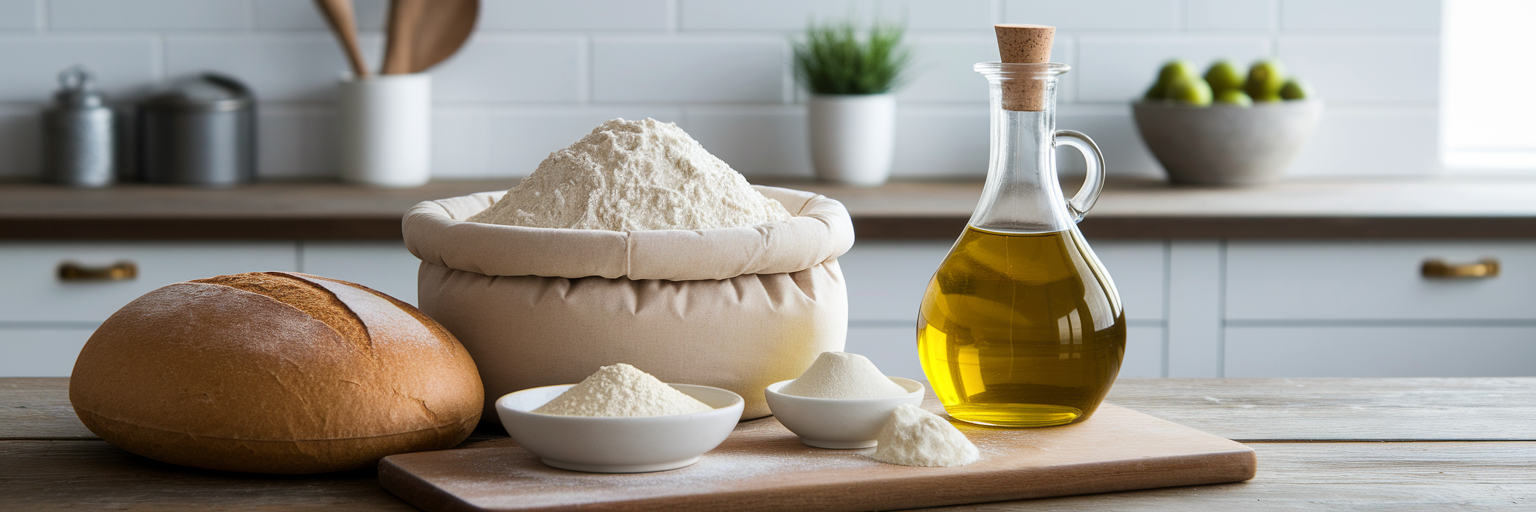
El secreto de unos palitos de pan increíbles reside en unos cuantos ingredientes clave. Conseguirlos bien desde el principio garantiza una textura y un sabor perfectos, especialmente si se añade un aporte proteico. Analicemos qué necesitas y por qué es importante.
La Fundación: Por qué la harina de pan es la mejor
Aunque te sientas tentado a comprar harina común, usar harina de fuerza marcará una diferencia notable. Su mayor contenido de gluten es lo que crea la textura ideal para los palitos de pan: un exterior firme y masticable con un interior suave y esponjoso. Esta estructura es especialmente importante al añadir proteína en polvo, ya que ayuda a que la masa mantenga su integridad. Muchos panaderos experimentados, como los de Domestic Gothess , recomiendan específicamente la harina de fuerza para los palitos de pan veganos, ya que les da una textura masticable superior.
El impulso proteico: Cómo elegir tu proteína vegana en polvo
No todas las proteínas en polvo son iguales para hornear. Para esta receta, la mejor opción es un aislado de proteína vegano sin sabor o con sabor a vainilla . Estos polvos suelen tener una textura más fina que se mezcla suavemente con la masa, evitando cualquier regusto a tiza o arena. Nuestros polvos Beyond Good Foods están diseñados precisamente para esto, garantizando un sabor limpio y una consistencia suave. Necesitarás aproximadamente ¼ de taza (30 g) para esta receta. Perfeccionar el arte de hornear con proteína vegana en polvo comienza con un producto de calidad. Si te preguntas qué tipo de proteína es la adecuada para tu despensa, nuestra guía de las mejores proteínas en polvo puede ayudarte a decidir según tus objetivos y preferencias.
El ingrediente mágico: Activar la levadura
Preparar la levadura puede parecer intimidante, pero es bastante sencillo. Este paso garantiza que esté activa y lista para hacer su magia. En un tazón pequeño, disuelva una cucharadita de levadura de crecimiento rápido y una pizca de azúcar en ¼ de taza de agua tibia (a unos 43 °C o 110 °F). Déjela reposar unos 5 minutos. Si se forma espuma y burbujea, ¡listo! Esta espuma demuestra que la levadura está activa y le dará a sus palitos de pan una subida perfecta. Un poco de aceite de oliva le da un toque de sabor intenso, mientras que la sal es esencial para realzar todos los sabores.
| Tipo de harina | Contenido típico de proteínas | Textura resultante | Mejor para |
|---|---|---|---|
| Harina de pan | 12-14% | Masticable, aireado y estructurado. | Conseguir un pan clásico, robusto y con un interior suave. |
| Harina para todo uso | 10-12% | Más suave, menos masticable, ligeramente más denso. | Una alternativa decente si no hay harina de pan disponible, pero puede dar como resultado un palito de pan menos estructurado. |
| Harina de trigo integral | 13-14% | Denso, abundante y con sabor a nuez. | Aporta fibra y un sabor rústico, pero se debe mezclar con harina de pan para evitar que los palitos de pan queden demasiado pesados. |
Esta tabla compara harinas comunes para ayudarte a elegir la mejor para la textura deseada de tus palitos de pan. El contenido de proteína en la harina influye directamente en el desarrollo del gluten, clave para la textura y la estructura final.
Una guía paso a paso para hacer la masa
Ahora que los ingredientes están listos, es hora de preparar la masa. Esta parte de la receta de palitos de pan veganos ricos en proteínas es sencilla y gratificante. Solo sigue estos pasos para obtener una masa suave y elástica, lista para levar.
- Batir los ingredientes secos: En un tazón grande, mezclar la harina de fuerza, la proteína vegana en polvo y la sal. Mezclar bien. Este paso es crucial porque asegura que la proteína en polvo se distribuya uniformemente, evitando grumos y garantizando una textura consistente en cada bocado.
- Combina la mezcla de harina: Haz un hueco en el centro. Vierte la mezcla de levadura espumosa y el aceite de oliva. Usa una espátula o cuchara de madera para mezclar todo hasta que se forme una masa áspera y grumosa. No te preocupes si se ve un poco desordenada en este punto; todo se integrará.
- Amasar la masa: Coloca la masa sobre una superficie ligeramente enharinada y amásala durante 8-10 minutos. Si tienes una batidora de pedestal, puedes usar el gancho para amasar a baja velocidad durante el mismo tiempo. La masa debe quedar suave, elástica y ligeramente pegajosa al tacto. Al presionarla con un dedo, debería recuperar su forma lentamente.
- Dejar levar: Untar ligeramente con aceite un bol limpio y colocar la masa dentro, dándole la vuelta una vez para que se impregne bien. Cubrir el bol con un paño de cocina limpio o film transparente. Dejar levar en un lugar cálido y sin corrientes de aire durante unos 30 minutos, o hasta que haya doblado su tamaño. Durante este periodo de fermentación, los palitos de pan adquieren su textura ligera y su delicioso sabor.
Cómo dar forma y hornear sus palitos de pan proteicos
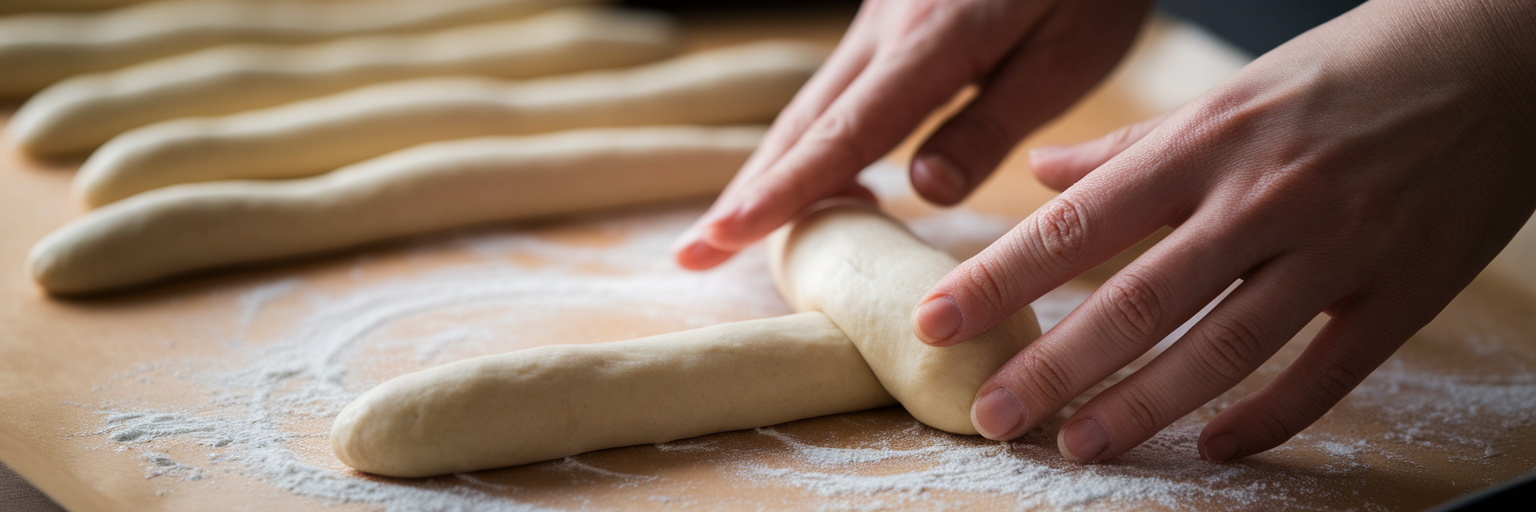
Tu masa ha subido de maravilla, y ahora viene la parte divertida: darle forma y hornear. Aquí es donde tu masa, rica en proteínas, se transforma en palitos de pan dorados y deliciosos. Esta es una de esas recetas de proteína vegetal en polvo que querrás preparar una y otra vez.
- Dividir la masa: Golpear suavemente la masa levada para liberar el aire. Transferirla a una superficie de trabajo limpia y dividirla en diez porciones iguales. Para obtener palitos de pan perfectamente uniformes que se horneen de forma uniforme, usar una báscula de cocina es un truco excelente.
- Dale forma a los palitos de pan: Toma un trozo de masa y extiéndelo entre las palmas de las manos o sobre la encimera para formar una cuerda de unos 25 a 30 cm de largo. Intenta que el grosor sea uniforme de punta a punta para que cada palito se hornee a la misma velocidad. Repite el proceso con las porciones restantes de masa.
- Preparación para hornear: Cubre una bandeja grande para hornear con papel vegetal. Coloca las tiras de masa sobre la bandeja, dejando al menos 2,5 cm de espacio entre cada una. Este espacio permite la circulación del aire, lo que ayuda a que los bordes queden crujientes.
- Horneado perfecto: Precalienta el horno a 175 °C (350 °F). Hornea los palitos de pan durante unos 20 minutos. Sabrás que están listos cuando adquieran un bonito color dorado y suenen a hueco al golpearlos por debajo. Este tiempo y temperatura de horneado coinciden con otras recetas de palitos de pan ricos en proteínas, como la de Food.com , lo que garantiza un dorado perfecto. Déjalos enfriar en la bandeja unos minutos antes de transferirlos a una rejilla.
Variaciones creativas de sabores y aderezos
Una de las mejores cosas de los palitos de pan caseros es que puedes personalizarlos. Aunque son deliciosos solos, unos simples añadidos antes o después de hornearlos pueden hacerlos realmente especiales. Aquí tienes algunas ideas para deliciosas recetas saladas con proteína en polvo .
- Hierbas y ajo clásicos: Antes de hornear, unte ligeramente las tiras de masa con aceite de oliva. Espolvoree generosamente con una mezcla de romero seco, tomillo y ajo en polvo para obtener un sabor aromático y atemporal.
- Delicia vegana con queso: Para un toque sabroso y rico en umami, unta los palitos de pan con aceite de oliva y espolvorea con levadura nutricional, una pizca de pimentón ahumado y sal marina gruesa. La levadura nutricional le da un delicioso sabor a queso sin lácteos.
- Mantequilla de Ajo Gourmet: Esta receta es un verdadero capricho. Después de sacar los palitos de pan del horno, úntalos mientras aún estén calientes con una mezcla de mantequilla vegana derretida, ajo recién picado y perejil picado. Para una experiencia auténticamente de restaurante, puedes crear una cobertura vegana de ajo y parmesano similar a la que Karissa's Vegan Kitchen usa para sus populares palitos de pan .
¿Un consejo sorprendente? Usar proteína de vainilla en polvo de calidad puede añadir un dulzor sutil y subyacente que combina de maravilla con ingredientes salados o picantes, creando un perfil de sabor más complejo y satisfactorio.
Maridajes perfectos para una comida equilibrada
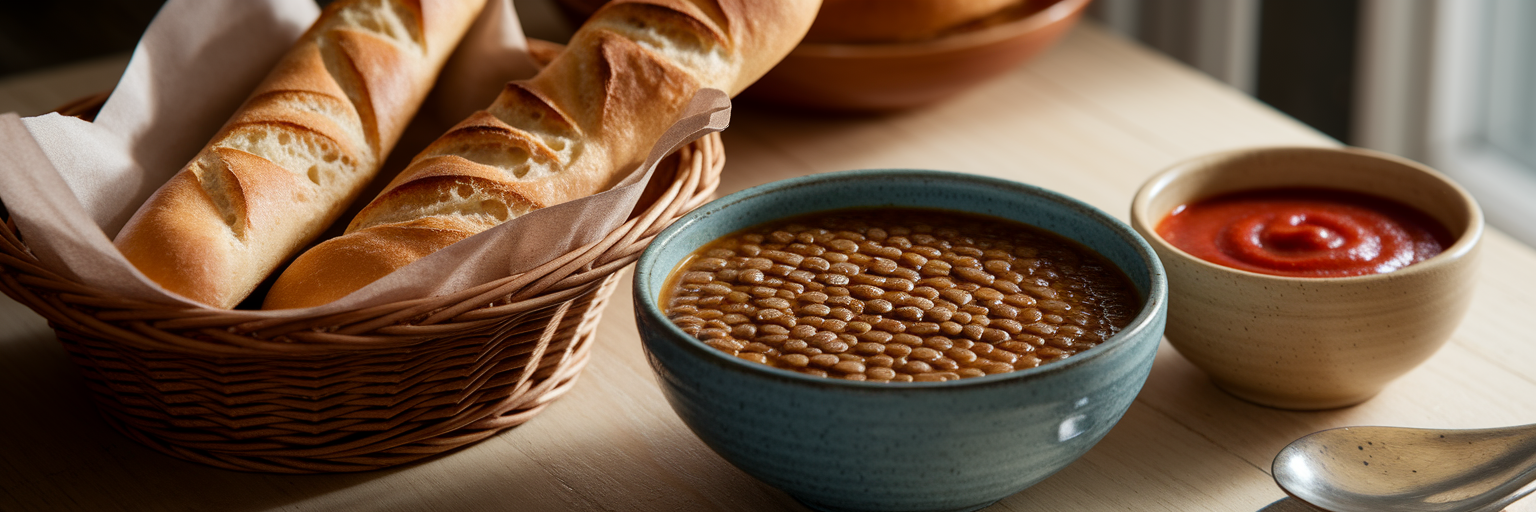
Estos palitos de pan ricos en proteínas son fantásticos por sí solos, pero también son el complemento perfecto para una comida más abundante y equilibrada. La combinación adecuada puede convertir un simple refrigerio en una experiencia gastronómica sumamente satisfactoria.
Para mojar, la salsa marinara clásica es una apuesta segura. La clásica combinación de palitos de pan con salsa marinara es famosa por algo, una combinación que incluso se destaca en la guía de PETA sobre opciones veganas en Olive Garden . Un pesto de albahaca fresca también queda de maravilla. Para añadir aún más proteínas, considera preparar un hummus casero rico en proteínas o una cremosa y sabrosa salsa de tahini.
Más allá de las salsas, piensa en estos palitos de pan como la guarnición perfecta. Sírvelos con una abundante sopa de lentejas, una cremosa crema de tomate o una ensalada grande y crujiente con tus verduras favoritas y una vinagreta ligera. Esta combinación crea una comida maravillosamente completa, con un equilibrio perfecto de proteínas de los palitos de pan, grasas saludables y carbohidratos complejos para mantenerte con energía.
¡Ahora te toca ser creativo! Experimenta con tus propias combinaciones de sabores y no olvides compartir tus creaciones con nosotros en redes sociales. Para más inspiración sobre cómo usar tu proteína en polvo, consulta otras ideas deliciosas en nuestro blog . ¿Listo para empezar a hornear? Explora nuestra colección completa de proteínas vegetales limpias y encuentra la base perfecta para tu próxima receta.