

El auge de las galletas que mejoran el rendimiento
Todos hemos pasado por eso. Terminas un entrenamiento excelente, tu cuerpo vibra y de repente te entra el antojo: quieres una galleta. No una ensalada, ni otro batido, sino una galleta calentita, masticable y que te sacie. Durante años, ese simple deseo parecía una disyuntiva entre darte un capricho dulce y arruinar tu progreso físico. Pero ¿y si no tuvieras que elegir?
Presentamos la galleta vegana rica en proteínas. Este no es un postre cualquiera. Los panaderos caseros y los entusiastas del fitness ahora están creando galletas que sirven como herramientas de recuperación funcional. Esta tendencia ha llevado a los panaderos caseros a desarrollar recetas que aportan desde 8 gramos de proteína por galleta, como señala Eat with Clarity , hasta la impresionante cifra de 30 gramos en versiones individuales. Estas delicias están diseñadas para reponer los músculos y saciar los antojos sin el bajón de azúcar.
Esta guía te ofrecerá mucho más que una simple receta de galletas veganas ricas en proteínas . Te brindará los conocimientos necesarios para perfeccionar la textura, personalizar tus ingredientes e integrar a la perfección estos deliciosos snacks que mejoran tu rendimiento en tu estilo de vida saludable. ¡A hornear!
Cómo elegir los ingredientes principales para hornear
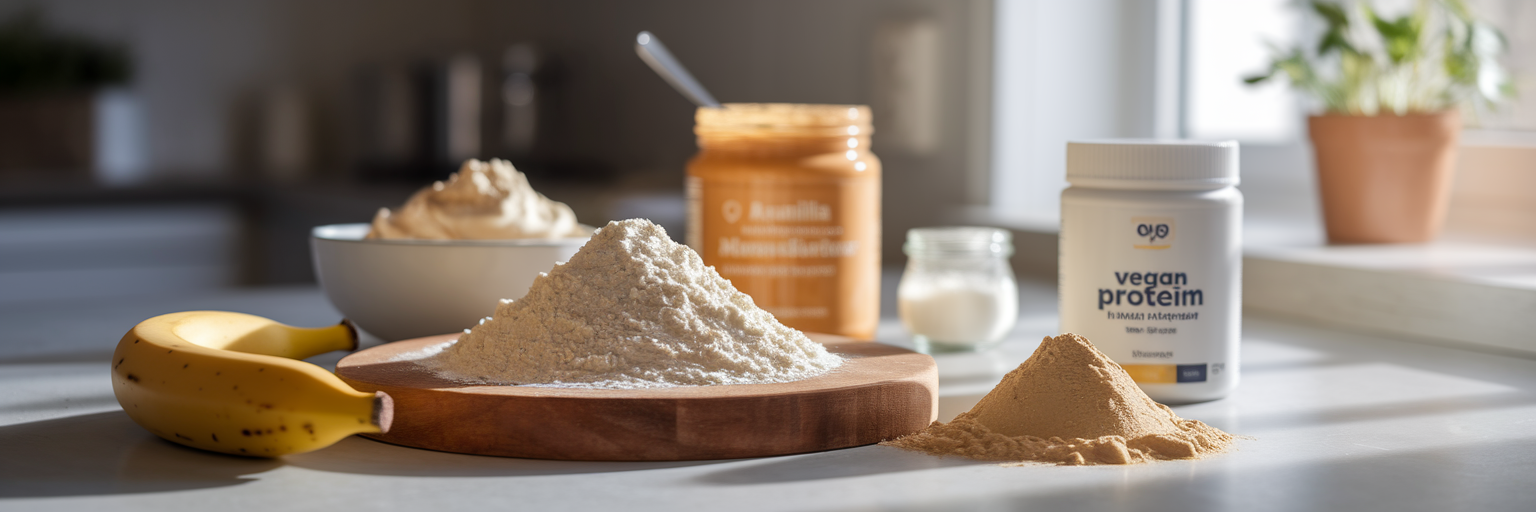
El secreto de unas increíbles galletas de proteína sin lácteos no está solo en la receta, sino en comprender el aporte de cada ingrediente. Cuando conoces el "porqué" del "qué", puedes adaptarlas y crear galletas perfectas para ti. Piensa que es más como un delicioso experimento en tu propia cocina que como seguir una fórmula estricta.
La Fundación de Proteína en Polvo
La estrella del espectáculo es, por supuesto, la proteína. Una proteína vegana en polvo finamente molida y de alta calidad para hornear es esencial. Muchas proteínas vegetales pueden dejar una textura grumosa y arenosa, pero las mezclas modernas están diseñadas para un acabado más suave. Un polvo de calidad proporciona estructura y un perfil completo de aminoácidos para favorecer la recuperación muscular. Siéntete libre de explorar diferentes sabores, como vainilla o chocolate, para personalizar tus galletas, y puedes explorar nuestra gama completa de opciones vegetales limpias para encontrar la combinación perfecta.
Harina para estructura y textura
La harina le da cuerpo a las galletas. La harina de almendras es una opción fantástica porque es rica en grasas saludables, lo que aporta humedad y crea un resultado denso y masticable. Por otro lado, la harina de avena (que se puede preparar simplemente mezclando copos de avena) produce galletas más ligeras, suaves y con una textura más parecida a la de un bizcocho. Incluso puedes usar una mezcla de ambas para obtener lo mejor de ambos mundos.
Aglutinantes e ingredientes húmedos
Sin huevos, necesitamos algo que mantenga todo unido. El puré de plátano o calabaza son excelentes opciones porque aportan humedad y dulzor natural, reduciendo la necesidad de azúcar extra. Un "huevo de lino", hecho mezclando una cucharada de linaza molida con tres cucharadas de agua, actúa como un potente emulsionante que une los ingredientes y aporta omega-3 saludables.
El papel de las grasas saludables
Las grasas saludables son indispensables para una galleta suave. Las mantequillas de frutos secos, como la de almendras o anacardos, no solo aportan sabor. Recubren las partículas de proteína y harina, reteniendo la humedad y evitando que el producto final se seque y se desmorone. Esta es la clave para lograr esa textura tierna y masticable tan deseada.
| Ingrediente | Rol principal | Impacto en la textura | Mejor para |
|---|---|---|---|
| Proteína vegana en polvo | Añade proteínas y estructura. | Puede ser secante; la calidad importa | Recuperación muscular, saciedad. |
| Harina de almendras | Estructura, grasas saludables | Denso, húmedo, masticable. | Galletas sin gluten y bajas en carbohidratos |
| Harina de avena | Estructura, fibra | Más ligero, más suave, más esponjoso. | Una galleta menos densa, parecida a un pastel. |
| Puré de plátano y calabaza | Humedad, dulzura natural, unión. | Muy húmedo, suave. | Reducir los azúcares añadidos |
| Mantequilla de nueces | Humedad, grasas saludables, sabor. | Rico, tierno, masticable. | Cómo evitar que las galletas queden secas y desmenuzables |
| Huevo de lino | Unión, emulsificación | Agrega humedad y mantiene la masa unida. | Galletas proteicas sin huevo ni lácteos |
Esta tabla resume cómo cada ingrediente clave influye en la galleta final. Úsala como guía para personalizar tu receta según tu textura y preferencias nutricionales.
Receta: La clásica galleta proteica con chispas de chocolate
¿Listo para empezar? Esta es la receta básica perfecta. Es sencilla, fiable y produce una galleta deliciosamente masticable que te hará olvidar que está llena de proteínas. Es la recompensa ideal después del entrenamiento o el energizante de la tarde.
Ingredientes:
- 1/2 taza de proteína vegana de chocolate Beyond Good Foods para un sabor rico y delicioso
- 1 taza de harina de almendras
- 1/2 taza de mantequilla cremosa de almendras
- 1/4 taza de jarabe de arce
- 1 huevo de lino (1 cucharada de linaza molida + 3 cucharadas de agua, batidas y dejadas reposar durante 5 minutos)
- 1 cucharadita de extracto de vainilla
- 1/2 cucharadita de bicarbonato de sodio
- Una pizca de sal
- 1/3 taza de chispas de chocolate veganas
Instrucciones:
- Precaliente el horno a 325°F (165°C) y cubra una bandeja para hornear con papel pergamino.
- En un tazón grande, mezcle los ingredientes húmedos: mantequilla de almendras, jarabe de arce, huevo de lino y extracto de vainilla hasta que quede una mezcla suave.
- En un recipiente aparte, combine los ingredientes secos: proteína en polvo, harina de almendras, bicarbonato de sodio y sal.
- Añade gradualmente los ingredientes secos a los húmedos, mezclando hasta que estén bien integrados. Ten cuidado de no mezclar demasiado. Incorpora las chispas de chocolate.
- Consejo: Deja reposar la masa de 10 a 15 minutos. Esto permite que la proteína en polvo y la harina absorban completamente la humedad, fundamental para obtener una textura masticable y sin grumos.
- Saque unas 2 cucharadas de masa por galleta, forme bolitas y colóquelas en la bandeja para hornear preparada. Aplane cada bolita con cuidado con la palma de la mano.
- Hornee de 12 a 15 minutos. Las galletas se verán un poco crudas en el centro, lo cual es perfecto. Déjelas enfriar en la bandeja durante 10 minutos antes de transferirlas a una rejilla.
Dominando el arte de una textura suave y masticable

Aquí te explicamos cómo preparar galletas de proteína siempre deliciosas . La principal queja de hornear proteínas es la sequedad, pero es completamente evitable una vez que entiendes la ciencia. Todo se reduce a dos cosas: grasa e hidratación.
La grasa es tu mejor amiga. Como ya mencionamos, ingredientes como la mantequilla de frutos secos y la harina de almendras son esenciales porque recubren las partículas de proteína, impidiendo que absorban toda la humedad y conviertan tu galleta en un disco de hockey. No te sientas tentado a reducir el contenido de grasa; es lo que garantiza un bocado tierno. Usar proteína en polvo preendulzada y con sabor natural también ayuda a mejorar el sabor general sin necesidad de añadir mucha azúcar extra, que también puede afectar la textura.
Dejar reposar la masa es otra ventaja. Expertos en repostería como Sam Does Her Best señalan que dejar reposar la masa de 10 a 15 minutos permite que la proteína en polvo se hidrate por completo, lo cual es clave para evitar una textura arenosa. Piensa en esto como darle tiempo a los ingredientes para que se ablanden antes de meterlos al horno.
Solución de problemas de textura:
- ¿La galleta está demasiado seca o se desmorona? La masa necesita más humedad. Añade una cucharada de leche vegetal o un poco más de mantequilla de frutos secos.
- ¿La galleta está demasiado densa? Cambia la mitad de la harina de almendras por harina de avena para aligerar la textura.
- ¿La galleta se extiende demasiado? La masa podría estar demasiado caliente o húmeda. Refrigérela de 20 a 30 minutos antes de hornearla.
- ¿La galleta tiene una textura granulosa? Asegúrate de usar proteína en polvo finamente molida y deja reposar la masa antes de hornear.
Una vez que domines la textura, puedes aplicar estos principios a otras delicias. Para más inspiración, consulta estas otrasrecetas fáciles de proteína vegana .
Receta: Galleta energética individual de 30 gramos
Para esos días en los que necesitas una dosis de proteína rápida y eficaz. Inspirada en las creaciones individuales populares entre los influencers de fitness, esta receta contiene más de 25 gramos de proteína en una galleta saciante. Es el snack ideal para recuperarte tras un entrenamiento.
Ingredientes:
- 1/4 taza de proteína vegana en polvo (vainilla o chocolate)
- 1 cucharada de harina de avena
- 1 cucharada de mantequilla de nueces cremosa
- 2-3 cucharadas de leche vegetal
- 1 cucharada de jarabe de arce o al gusto
- Una pizca de polvo para hornear
- Unas chispas de chocolate veganas (opcional)
Instrucciones:
- Precaliente su horno o horno tostador a 350°F (175°C).
- En un tazón pequeño, mezcle todos los ingredientes hasta formar una masa espesa y pegajosa. Quizás necesite usar las manos.
- Forme la masa como una galleta grande y gruesa sobre una bandeja para hornear cubierta con papel pergamino.
- Hornee de 8 a 10 minutos, o hasta que los bordes estén firmes pero el centro aún esté tierno. Deje enfriar unos minutos antes de disfrutar.
Variaciones de sabor:
- Brownie de chocolate: use proteína de chocolate en polvo y agregue algunas chispas de chocolate adicionales.
- Especias de canela: agregue una pizca de canela y nuez moscada a una base de proteína de vainilla.
- Taza de mantequilla de maní: use proteína de vainilla, mantequilla de maní y presione una mini taza de mantequilla de maní vegana en el centro antes de hornear.
Preparación y almacenamiento inteligente de comidas para sus galletas
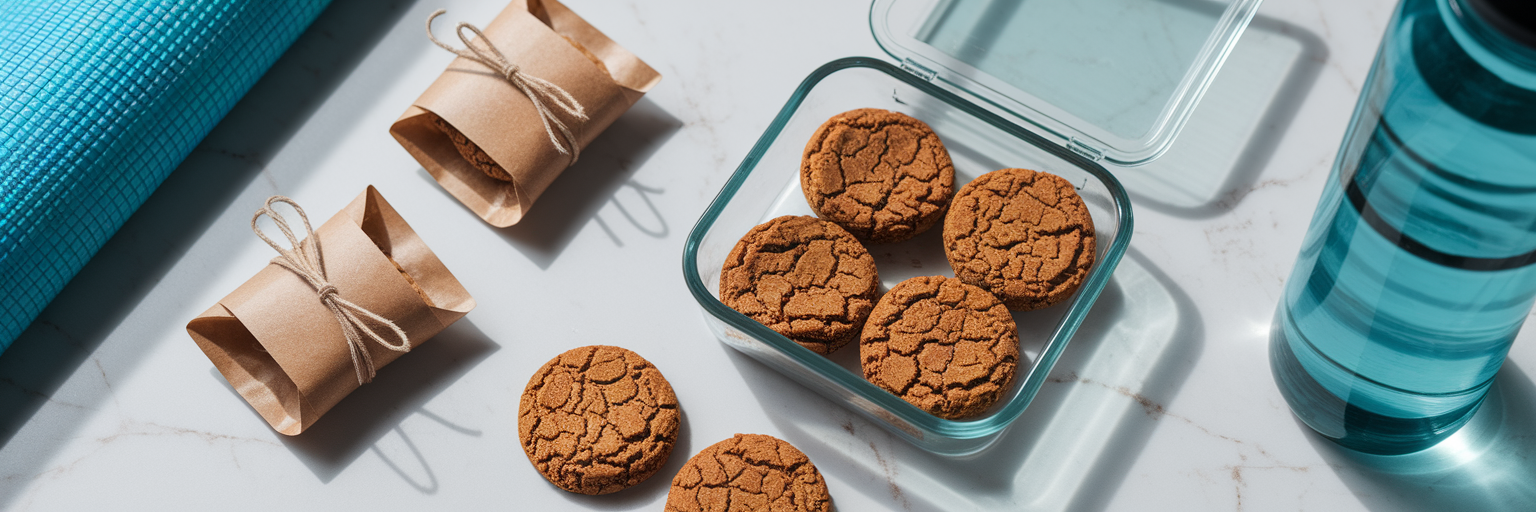
Estas ideas de galletas de proteína para preparar comidas son perfectas para asegurarte de tener siempre a mano un refrigerio saludable y nutritivo. Un poco de planificación te ayudará mucho. Según la Dra. Erin Carter de Pure and Simple Nourishment , estas galletas conservan su textura perfectamente hasta 5 días en un recipiente hermético, lo que las hace perfectas para preparar comidas semanales.
A continuación te indicamos cómo mantener tus galletas frescas y listas para cuando más las necesites:
- Almacenamiento a corto plazo (hasta 5 días): Guarde las galletas completamente frías en un recipiente hermético a temperatura ambiente. Añadir una rebanada de pan al recipiente puede ayudar a mantener su textura suave.
- Almacenamiento a largo plazo (hasta 3 meses): Para tenerlas listas para llevar, envuelva cada galleta individualmente en papel vegetal o film transparente. Colóquelas en una bolsa o recipiente apto para congelador. Estarán listas para descongelar a temperatura ambiente o métalas en el microondas unos segundos para que se sientan como recién horneadas.
Hornea una tanda este fin de semana y prepárate para una semana de éxito delicioso que te ayudará a alcanzar tus metas. Para más recetas saludables y consejos de bienestar, no olvides explorar nuestro blog .