

Repensando la fortaleza ósea con una dieta basada en plantas
Existe el mito persistente de que una dieta vegana debilita los huesos. Seamos sinceros: un estilo de vida a base de plantas bien planificado puede ser fantástico para la salud ósea. El debate sobre la fortaleza ósea a menudo se centra exclusivamente en el calcio, pero eso es solo una parte de la historia. Piensa en tus huesos como un edificio. El calcio proporciona los ladrillos duros y rígidos, pero ¿qué pasa con la estructura de acero flexible que lo mantiene todo unido? Esa estructura está hecha de proteína.
Aproximadamente el 50% del volumen óseo es proteína, lo que crea una matriz viva y flexible que ayuda a absorber el impacto y prevenir fracturas. Para los adultos activos, esto lo es todo. Unos huesos más fuertes son la base para alcanzar un nuevo récord personal, disfrutar de una larga caminata sin preocupaciones y mantener la vitalidad durante años. No se trata solo de evitar la debilidad; se trata de desarrollar una versión más resiliente de uno mismo.
Comprender el papel de la proteína vegana en la salud ósea es el primer paso. Este artículo te guiará a través de la ciencia, los mejores alimentos de origen vegetal y consejos sencillos para cuidar tu esqueleto. Este es solo el comienzo de tu camino hacia una versión más fuerte de ti mismo. Para más consejos sobre bienestar a base de plantas, puedes explorar nuestra gama completa de artículos en el blog Beyond Good Foods .
El vínculo científico entre las proteínas y la densidad ósea
Entonces, ¿cómo fortalece exactamente la proteína los huesos? Se reduce a un proceso constante que ocurre dentro del cuerpo llamado remodelación ósea. Imagine un pequeño equipo de construcción: células especializadas llamadas osteoclastos eliminan el tejido óseo viejo y desgastado, mientras que los osteoblastos se encargan de construir hueso nuevo y fuerte en su lugar. Este ciclo es esencial para mantener el esqueleto sano y capaz de responder a las exigencias que le imponemos.
La proteína proporciona los aminoácidos esenciales que los osteoblastos necesitan para crear colágeno. Este colágeno forma una estructura similar a una red que proporciona a los huesos su resistencia y capacidad de flexionarse bajo presión. Sin suficiente proteína, esta estructura se debilita, dejando los huesos más frágiles y susceptibles a lesiones. Por eso, mantener una ingesta adecuada de proteínas es tan importante para la salud ósea de los adultos activos .
Los científicos miden la fortaleza ósea mediante una métrica llamada densidad mineral ósea (DMO). Si bien el calcio es clave para la densidad, la estructura proteica subyacente es lo que la hace importante. De hecho, una revisión bibliográfica de 2022 publicada en la Biblioteca Nacional de Medicina (PMC) destacó que una ingesta crónicamente baja de proteínas suele correlacionarse con una menor densidad mineral ósea y un mayor riesgo de fracturas en adultos. La buena noticia es que una dieta variada a base de plantas puede aportar fácilmente los nueve aminoácidos esenciales que el cuerpo necesita para este proceso. La proteína también favorece la producción de factores de crecimiento como el IGF-1, que ayudan a regular el desarrollo y el mantenimiento óseo, garantizando así que el equipo de construcción interno tenga todo lo necesario para realizar su trabajo.
Los mejores alimentos de origen vegetal para un esqueleto más fuerte
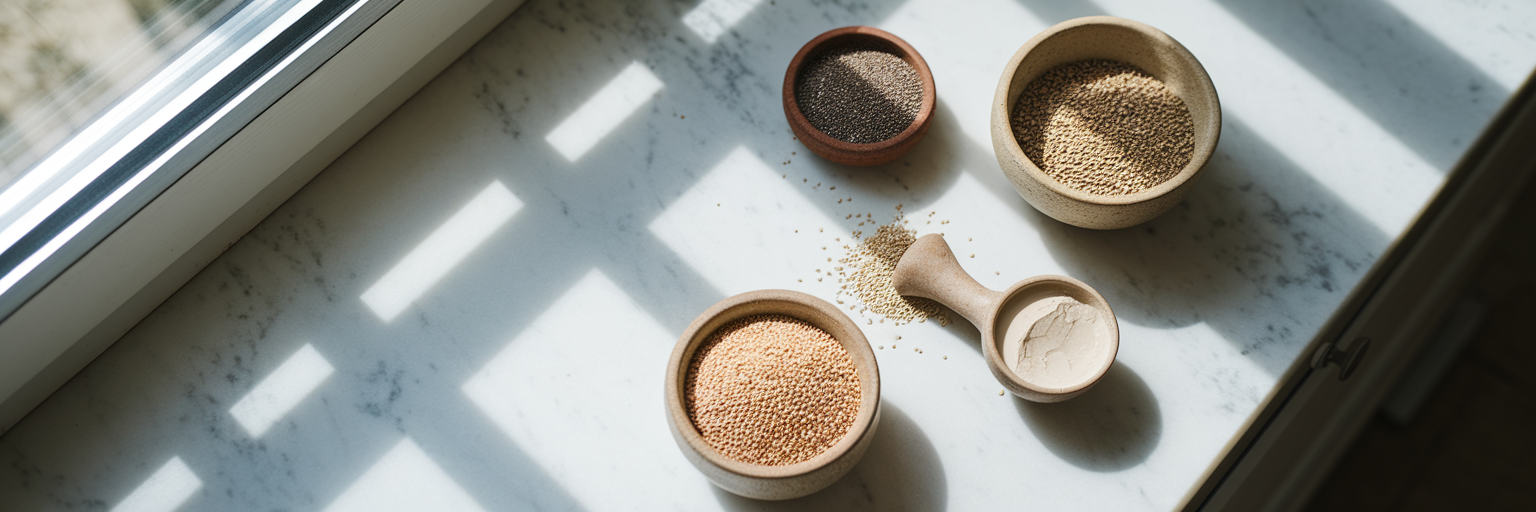
Fortalecer los huesos empieza con el plato. Obtener suficiente proteína de origen vegetal puede parecer abrumador, pero es más sencillo de lo que crees. Aquí tienes algunos de los mejores alimentos veganos para huesos que puedes incorporar fácilmente a tus comidas diarias.
- Proteínas vegetales completas: Algunos alimentos vegetales contienen los nueve aminoácidos esenciales, lo que los convierte en proteínas completas. Fuentes como la quinoa son particularmente valiosas, como señalan los expertos en salud ósea de BetterBones.com , porque aportan un perfil completo de aminoácidos junto con otros minerales. Otras fuentes de proteínas potentes son el tofu, el tempeh, el edamame, las semillas de chía y las semillas de cáñamo. Son increíblemente versátiles y constituyen una base excelente para cualquier comida.
- Legumbres y semillas potentes: Las lentejas, los garbanzos y los frijoles negros son excelentes fuentes de proteínas. También aportan minerales esenciales como el magnesio y el fósforo, que contribuyen directamente a la estructura ósea. Las semillas de calabaza son otro alimento destacado, ya que ofrecen una dosis saludable de proteína y zinc en cada puñado.
- Prácticos refuerzos de proteína: Seamos realistas, la vida es ajetreada. Para las personas activas, alcanzar las metas diarias de proteína para la reparación muscular y el fortalecimiento óseo puede ser un desafío. Aquí es donde una proteína vegana en polvo de alta calidad se convierte en una herramienta confiable. Una opción limpia y vegetal como nuestra proteína vegana de chocolate Beyond Good Foods puede hacer que alcanzar tus objetivos sea simple y delicioso, sin la textura calcárea que esperarías de otras proteínas vegetales.
Añadir estos alimentos a tu dieta no requiere una reforma completa de la cocina. Mezclar semillas en un batido, añadir garbanzos a una ensalada o usar quinoa rica en proteínas en lugar de arroz son maneras sencillas de empezar. Para más inspiración, echa un vistazo a estassencillas recetas veganas de proteínas que seguro te encantarán .
El equipo de nutrientes que apoya tus huesos
Si bien la proteína es un elemento clave, no funciona sola. Desarrollar y mantener huesos fuertes requiere un equipo de nutrientes que trabaje en armonía. Piénsalo como un esfuerzo bien coordinado donde cada miembro tiene una función específica y vital. Al centrarte en una dieta variada, integral y basada en plantas, este equipo se integra de forma natural.
Calcio y vitamina D: el dúo dinámico
El calcio es famoso por su papel en la dureza ósea, pero no puede cumplir su función sin la vitamina D, esencial para la absorción de calcio en el intestino. Entre las excelentes fuentes vegetales de calcio se encuentran las leches vegetales fortificadas, el tofu con calcio, la col rizada, el brócoli y la col china. Para obtener vitamina D, la mejor fuente es la exposición solar moderada. Sin embargo, especialmente para los estadounidenses que viven en los estados del norte durante el invierno, los alimentos fortificados como los cereales y las leches vegetales son cruciales. El Servicio Nacional de Salud (NHS) del Reino Unido señala que, si bien una dieta vegana puede ser rica en nutrientes, se debe prestar atención a obtener suficiente vitamina D de alimentos fortificados o suplementos para favorecer la salud ósea.
Magnesio y vitamina K: los héroes anónimos
El magnesio y la vitamina K son un apoyo discreto pero esencial. El magnesio contribuye a la formación de cristales óseos e influye en la actividad de los osteoblastos, células que los forman. Se encuentra en abundancia en las semillas de calabaza, las almendras, las espinacas y los frijoles negros. La vitamina K ayuda a fijar el calcio directamente a la matriz ósea y participa en la regulación del recambio óseo. Las verduras de hoja verde oscura como la col rizada, la berza y las espinacas son ricas en esta vitamina. Además del calcio, nutrientes como el potasio y el zinc también son importantes para la integridad ósea, un punto destacado por la Fundación para la Salud Ósea y la Osteoporosis .
Su kit de herramientas de nutrientes para la salud ósea a base de plantas
| Nutritivo | Papel en la salud ósea | Principales fuentes de origen vegetal |
|---|---|---|
| Calcio | Mineral primario para la estructura y dureza de los huesos. | Leches vegetales fortificadas, tofu rico en calcio, col rizada, brócoli, pak choi. |
| Vitamina D | Esencial para la absorción de calcio en el intestino. | Exposición a la luz solar, cereales fortificados, jugo de naranja fortificado, leches vegetales fortificadas. |
| Magnesio | Contribuye a la formación de cristales óseos e influye en los osteoblastos. | Semillas de calabaza, almendras, espinacas, frijoles negros, anacardos. |
| Vitamina K | Ayuda a unir el calcio a la matriz ósea y regula el recambio óseo. | Col rizada, berza, espinacas, coles de Bruselas, brócoli. |
| Proteína | Forma la estructura de colágeno que da flexibilidad y fuerza a los huesos. | Lentejas, garbanzos, tofu, tempeh, quinoa, proteína vegana en polvo. |
Esta tabla resume los nutrientes clave para la salud ósea. Las fuentes de alimentos se basan en datos de la Central de Datos Alimentarios del USDA. Una dieta variada que incorpore estos alimentos es la mejor estrategia para fortalecer los huesos.
Consejos prácticos para una dieta vegana con huesos saludables

Saber qué nutrientes necesitas es una cosa; integrarlos en tus hábitos diarios es otra. El objetivo es que comer sano para tus huesos sea fácil y placentero. Aquí tienes algunos pasos prácticos para mejorar la densidad ósea con una dieta vegana .
- Prepara comidas saludables para tus huesos. No lo pienses demasiado. Simplemente intenta combinar una fuente de proteína, una de calcio y una de vitamina K en una sola comida. Por ejemplo, un revuelto de tofu con calcio (proteína y calcio) y un buen puñado de espinacas (vitamina K) es un desayuno perfecto para fortalecer los huesos.
- Prepara un batido para fortalecer tus huesos. Los batidos son una de las maneras más fáciles de nutrirte. Prueba a mezclar una cucharada de proteína vegana, un puñado de kale (vitamina K), un plátano (para el potasio) y leche de almendras fortificada (para el calcio y la vitamina D). Una cucharada de proteína vegana es el toque final perfecto. Puedes explorar nuestra gama completa de proteínas vegetales para encontrar tu sabor favorito.
- Come el arcoíris. No es solo una frase pegadiza. Comer una amplia variedad de frutas y verduras de colores te garantiza obtener un amplio espectro de vitaminas y minerales de forma natural. En lugar de limitarte a los mismos alimentos, anímate a probar una verdura o legumbre nueva cada semana.
- Complementa tu alimentación con atención. Si bien priorizar la alimentación siempre es la mejor opción, los suplementos pueden ser una buena opción. Se recomienda un suplemento de vitamina D, especialmente durante los meses de invierno. Y para quienes tienen un estilo de vida activo, una proteína en polvo de calidad es una herramienta increíblemente eficaz para cubrir constantemente tus necesidades de recuperación muscular y soporte óseo.
Más allá del plato: hábitos de vida para huesos fuertes
La nutrición es fundamental para la salud ósea, pero tus hábitos diarios también juegan un papel fundamental. Un enfoque holístico que combina una alimentación saludable con un estilo de vida activo es la estrategia más eficaz para desarrollar un esqueleto resistente que te sostenga de por vida.
Tus huesos responden a las exigencias que se les imponen. Los ejercicios con pesas, como correr, caminar y bailar, envían señales a las células que fortalecen los huesos para que se pongan a trabajar. El entrenamiento de resistencia, ya sea con pesas o con tu propio peso corporal, crea un estímulo similar. Esto crea una poderosa sinergia: el ejercicio le indica a tu cuerpo que fortalezca los huesos, y las proteínas y los nutrientes de tu dieta proporcionan la materia prima para lograrlo. Combinar la actividad física regular con una dieta rica en nutrientes es una estrategia eficaz para la salud ósea de por vida, un punto que se refleja en los recursos de The Vegan Society .
Por último, ten en cuenta los hábitos que pueden obstaculizar tu progreso. Un consumo elevado de sodio y cafeína puede interferir con la absorción de calcio, por lo que la moderación es clave. Al combinar una dieta vegana rica en nutrientes con ejercicio constante, adoptas un enfoque proactivo y empoderador para tu salud a largo plazo. ¡Comparte este artículo con un amigo al que le pueda ser útil!