

El vínculo vital entre las proteínas y la salud ósea después de la menopausia
Después de la menopausia, el cuerpo de la mujer experimenta cambios significativos, y una de las preocupaciones más comunes es la salud ósea. A medida que disminuyen los niveles de estrógeno, la densidad ósea puede disminuir, por lo que es más importante que nunca centrarse en una nutrición adecuada. Aunque muchas pensamos inmediatamente en el calcio, hay otro nutriente crucial que a menudo se pasa por alto: la proteína.
Quizás te sorprenda saber que el hueso no es solo una estructura mineral dura. Aproximadamente el 30 % de tu masa ósea es una matriz proteica, compuesta principalmente de colágeno. Piensa en ella como el armazón flexible que mantiene todos los minerales esenciales en su lugar. Sin una base proteica sólida, los huesos pueden volverse más frágiles y susceptibles a las fracturas. Por eso, cubrir tus necesidades proteicas es fundamental para mantener la fuerza y la movilidad a medida que envejeces.
A medida que envejecemos, nuestro cuerpo también requiere más proteínas para combatir la pérdida muscular relacionada con la edad, una afección conocida como sarcopenia. Unos músculos fuertes están directamente relacionados con unos huesos fuertes, ya que ayudan a sostener el sistema óseo y reducen el riesgo de caídas. De hecho, el Centro Médico de la Universidad de Rochester sugiere que las mujeres posmenopáusicas podrían necesitar aumentar su ingesta de proteínas a 1,4-1,8 gramos por kilogramo de peso corporal para contribuir adecuadamente a la remodelación ósea y al mantenimiento muscular. Para muchas, alcanzar este objetivo solo con la dieta puede ser un desafío, y es ahí donde una proteína vegana en polvo de alta calidad puede convertirse en una herramienta increíblemente útil. Es un paso simple y proactivo para encontrar la mejor proteína vegana para la menopausia y después.
Por qué la proteína vegetal es una excelente opción para el fortalecimiento óseo
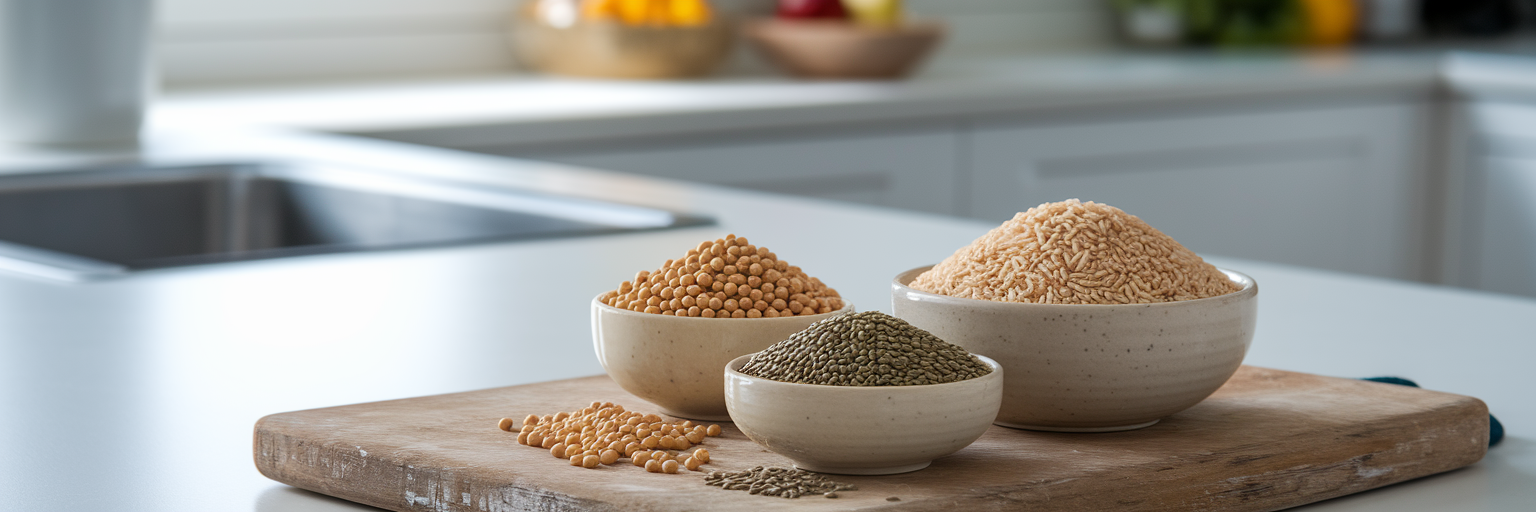
Existe el mito persistente de que se necesitan productos animales para tener huesos fuertes, pero la ciencia nutricional moderna cuenta una historia diferente. Un enfoque bien pensado basado en plantas puede ser increíblemente eficaz para el mantenimiento de los huesos. Una revisión de 2022 publicada en Frontiers in Endocrinology descubrió que una mayor ingesta de proteína vegetal se asociaba con un contenido mineral óseo saludable , siempre que otros nutrientes clave como el calcio y la vitamina D también fueran suficientes. Esto confirma que una dieta bien planificada de proteína vegetal para la salud ósea no solo es viable, sino también beneficiosa.
La clave está en elegir una fuente de proteína "completa", es decir, que contenga los nueve aminoácidos esenciales que tu cuerpo necesita. Las mejores proteínas veganas en polvo actuales lo consiguen combinando diferentes fuentes vegetales, como guisantes, arroz integral y cáñamo. Esta combinación crea un potente perfil de aminoácidos que favorece eficazmente la reparación muscular y la estructura ósea. Si buscas un suplemento, te recomendamos explorar algunas de las mejores proteínas en polvo que hemos analizado y que cumplen con estos altos estándares.
Otra ventaja es la naturaleza "limpia" de las proteínas vegetales. Muchas mujeres mayores de 50 años se sienten mejor al evitar los lácteos, los edulcorantes artificiales y los rellenos innecesarios. Los polvos veganos de alta calidad suelen estar libres de alérgenos comunes y su pureza es probada por terceros, lo que te da tranquilidad sobre lo que ingieres. Además, las marcas reconocidas utilizan métodos de procesamiento que minimizan los antinutrientes como los fitatos, que pueden interferir con la absorción de minerales. Esto garantiza que tu cuerpo pueda aprovechar al máximo los nutrientes que consumes para el bienestar óseo.
Descifrando la etiqueta: Nutrientes esenciales para fortalecer los huesos
Elegir la proteína en polvo adecuada puede resultar abrumador con tantas opciones disponibles. Para simplificar tu búsqueda, aquí te mostramos qué buscar en la etiqueta para asegurarte de obtener el máximo apoyo para tus huesos.
Apunte a un contenido proteico de alto impacto
Para estimular eficazmente la síntesis de proteína muscular y proporcionar los componentes básicos para la matriz ósea, busca un polvo que aporte entre 20 y 25 gramos de proteína por ración . Esta cantidad es ideal para la recuperación post-entrenamiento o como un complemento sustancial para una comida. Por ejemplo, nuestra Proteína Vegana de Chocolate está formulada para proporcionar 25 gramos de proteína vegetal limpia en cada cucharada, lo que te ayuda a alcanzar tus objetivos diarios fácilmente.
Busque la fortificación con calcio
Las mujeres mayores de 50 años generalmente necesitan entre 800 y 1200 mg de calcio al día. Una proteína en polvo fortificada con una forma biodisponible de calcio, como el citrato de calcio, puede ayudarte a cubrir cualquier déficit nutricional. Esto convierte tu batido diario en una herramienta multiusos para el fortalecimiento muscular y óseo.
Priorizar la vitamina D para su absorción
La vitamina D actúa como un protector, ayudando al cuerpo a absorber el calcio de la dieta y los suplementos. Sin suficiente cantidad, el calcio que consume podría no llegar a los huesos. Si busca una proteína en polvo con calcio y vitamina D , busque la D3 vegana, que generalmente se obtiene del liquen y es muy eficaz. La recomendación diaria es de entre 800 y 1000 UI.
Considere mezclas avanzadas para fortalecer los huesos
Algunas de las fórmulas más avanzadas van un paso más allá al incluir otros nutrientes sinérgicos. El magnesio contribuye a la absorción del calcio, mientras que la vitamina K2 ayuda a dirigir el calcio hacia los huesos y lo aleja de las arterias. Como suelen destacar publicaciones como Health.com , los productos que combinan estos nutrientes clave ofrecen un enfoque más integral para el bienestar óseo.
| Nutritivo | Qué buscar | Por qué es importante para la salud ósea |
|---|---|---|
| Proteína | 20-25 g por ración | Proporciona el marco de colágeno para la estructura ósea y ayuda a mantener la masa muscular. |
| Calcio | Fortificado con una forma biodisponible (por ejemplo, citrato de calcio) | Mineral esencial para la construcción y mantenimiento de la densidad ósea. |
| Vitamina D | Fortificado con vitamina D3 vegana (de liquen) | Crucial para absorber el calcio desde el intestino al torrente sanguíneo. |
| Magnesio y vitamina K2 | Incluido en un 'complejo óseo' | El magnesio ayuda a la absorción del calcio y la vitamina K2 ayuda a dirigir el calcio a los huesos. |
Esta tabla resume los nutrientes clave que debe buscar en la etiqueta de una proteína en polvo. Elegir un producto fortificado con estos ingredientes ofrece un enfoque más integral para apoyar la salud ósea en mujeres mayores de 50 años.
Formas sencillas y deliciosas de integrar proteína en polvo diariamente
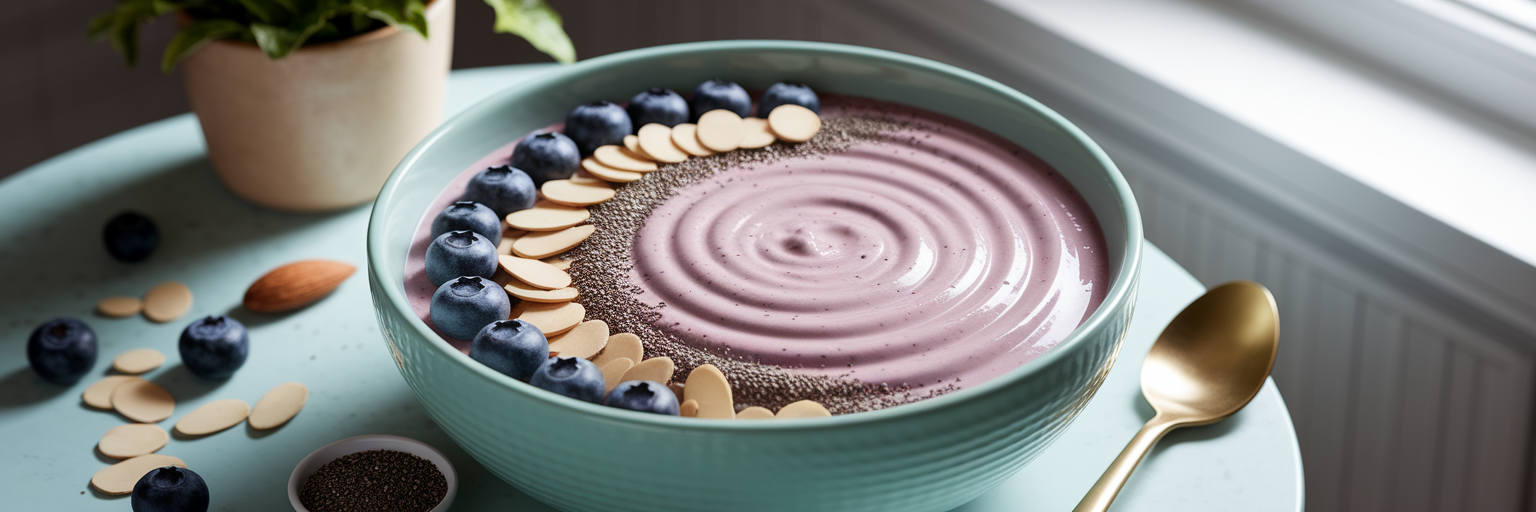
El mejor suplemento es aquel que realmente usas con regularidad. Afortunadamente, incorporar proteína vegana en polvo de alta calidad a tu rutina puede ser sencillo y delicioso. Aquí tienes algunas ideas para empezar a aumentar la densidad ósea de forma natural mediante hábitos diarios.
1. Batido de recuperación post-entrenamiento: Después de un entrenamiento de resistencia o incluso de una caminata rápida, tus músculos están listos para la recuperación. Como señalan expertos en publicaciones como Today's Dietitian , consumir una fuente de proteína de calidad después del ejercicio es clave para la síntesis muscular . Mezclar una cucharada de proteína en polvo con agua o leche vegetal entre 30 y 60 minutos después del entrenamiento ayuda a mantener los músculos, lo que a su vez fortalece los huesos.
2. La "mejora nutricional" para las comidas diarias: ¿Quién dice que la proteína en polvo es solo para batidos? Un polvo sin sabor o de vainilla puede ser un arma secreta para potenciar el valor nutricional de los alimentos que ya disfrutas. Prueba a añadir una cucharada a tu avena matutina, a la masa de panqueques o a una sopa cremosa o yogur vegetal.
3. El batido definitivo para fortalecer los huesos: Crea un batido potente combinando varios ingredientes saludables para los huesos. Empieza con una receta sencilla: una cucharada de proteína en polvo, una taza de leche vegetal fortificada (como la de almendras o soja), un puñado de espinacas (para la vitamina K) y un plátano para darle cremosidad y añadir potasio. A partir de ahí, puedes personalizarlo con frutos rojos, semillas o una cucharada de mantequilla de almendras. Para más ideas, consulta algunas denuestras recetas veganas fáciles de proteína .
4. Superando las preocupaciones sobre el sabor y la textura: Todos hemos probado alguna vez un batido de proteínas grumoso y arenoso. La buena noticia es que las fórmulas han mejorado muchísimo. Busca polvos conocidos por su textura suave y edulcorantes naturales. Si tienes sensibilidad al sabor, mezclar tu polvo con ingredientes sabrosos como frutos rojos congelados, cacao en polvo o una pizca de canela puede marcar la diferencia.
Construyendo una base para la fortaleza ósea de por vida
Si bien una proteína en polvo de alta calidad es una excelente herramienta, su mayor eficacia se logra como parte de un enfoque holístico del bienestar. Considérala un práctico "puente nutricional" que te ayuda a alcanzar tus objetivos en días ajetreados, pero no sustituye una dieta equilibrada ni un estilo de vida saludable. Una buena proteína vegana para mujeres mayores de 50 años funciona mejor cuando complementa tus otros hábitos positivos.
Para construir una base sólida, recuerde incluir en sus comidas diarias fuentes integrales de nutrientes que fortalecen los huesos. Estas incluyen:
- Verduras de hoja verde: la espinaca, la col rizada y la berza son ricas en calcio y vitamina K.
- Alimentos fortificados: El tofu rico en calcio y las leches vegetales fortificadas son excelentes fuentes de calcio.
- Frutos secos y semillas: Las almendras y las semillas de chía aportan calcio, magnesio y proteínas.
Más allá de la nutrición, no olvides la importancia del ejercicio regular con pesas, como caminar, yoga o entrenamiento de fuerza ligero. Estas actividades envían señales a tu cuerpo para mantener tus huesos fuertes y densos. Una pequeña exposición al sol moderada también puede ayudar a tu cuerpo a producir su propia vitamina D.
En definitiva, tomar medidas proactivas para cuidar tu salud ósea es una inversión en tu movilidad, fuerza e independencia a largo plazo. Al elegir una proteína en polvo limpia y eficaz, le estás dando a tu cuerpo el apoyo que necesita para prosperar durante años. Te invitamos a explorar nuestra colección de soluciones de nutrición a base de plantas diseñadas para impulsar tu camino hacia el bienestar.