

Más allá del batido: una nueva era para la proteína vegana
Si te centras en un estilo de vida vegano, conoces la dificultad diaria de alcanzar tus objetivos de proteínas. Puede ser un reto encontrar comidas que sean saciantes y que contengan suficiente proteína para mantener tu energía y estado físico. Durante años, la respuesta era un batido rápido después del entrenamiento. Pero ¿y si tu proteína en polvo pudiera hacer más? Estamos viendo un cambio: la proteína vegana en polvo está pasando del vaso mezclador a la sartén, convirtiéndose en un alimento básico y versátil en la cocina moderna.
El secreto está en usar proteína en polvo sin sabor . A diferencia de sus contrapartes de vainilla o chocolate, los aislados de proteína de sabor neutro se integran a la perfección en platos salados. Esta simple adición puede convertir un guiso vegano estándar en una fuente inagotable de proteínas, ayudándote a mantener tus músculos sin sacrificar la comodidad de una comida casera. Es una forma creativa de asegurar que tu nutrición se alinee con tus objetivos de bienestar y abre un mundo completamente nuevo de posibilidades culinarias. Para quienes buscan ser creativos, hemos compartido algunas denuestras recetas veganas fáciles y favoritas de proteína que realmente te encantarán.
Esta guía te mostrará exactamente cómo hacerlo. Te guiaremos en la elección del polvo adecuado, el dominio de las técnicas y cómo lograr que tus guisos tengan un sabor absolutamente increíble. Es hora de pensar más allá del batido.
Cómo elegir la proteína en polvo adecuada para cocinar
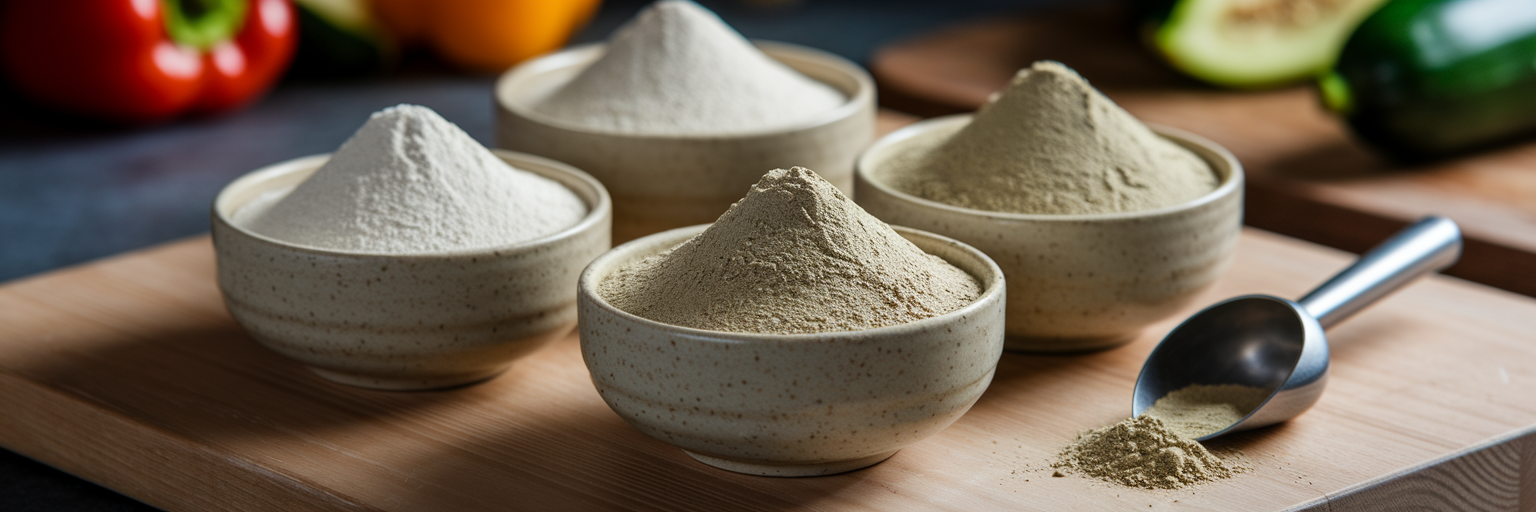
Antes de empezar a añadir cucharadas a tu receta favorita, es importante saber que no todas las proteínas en polvo son iguales, sobre todo en la cocina. El polvo que te encanta para tu batido matutino podría no funcionar en un postre salado. Elegir el adecuado es el primer paso para el éxito.
Esto es lo que debes buscar:
- Perfil de sabor: Este es el factor más importante. Opte por un aislado de proteína vegano sin sabor o de sabor neutro , como la proteína de guisante o de soja. Los polvos saborizados, incluso los ligeramente dulces, pueden dar un sabor extraño a un plato salado. La proteína debe potenciar los nutrientes, no opacar las especias.
- Textura y mezclabilidad: Un polvo finamente molido es tu mejor aliado. Se disuelve más fácilmente en la base de tu cazuela, evitando grumos. Su fórmula de alta calidad está diseñada para una textura suave y sin grumos, justo lo que buscas en un plato cremoso y horneado. Puedes explorar algunas de nuestras opciones limpias y vegetales para ver la diferencia que marca la calidad.
- Absorbencia: Las proteínas vegetales tienden a ser más absorbentes que el suero de leche. Como señalan los expertos de Amy's Healthy Baking, esto significa que a menudo se necesita menos proteína vegetal para lograr el mismo efecto. Con un poco se consigue mucho, lo que la convierte en una adición eficiente y económica a la despensa.
- Ingredientes limpios: Revise siempre la etiqueta. Busque una lista de ingredientes simple y concisa, sin azúcares añadidos, gomas ni sabores artificiales. Estos aditivos pueden afectar la textura y el sabor del guiso final, por lo que un polvo más limpio le ofrece una mejor base para trabajar.
Las técnicas básicas para preparar guisos de proteínas perfectos
Ahora que tienes el polvo adecuado, veamos el lado práctico de cómo cocinar con proteína en polvo . No es tan sencillo como añadir una cucharada. Debido a su gran absorción, la proteína en polvo altera la química de una receta. Pero con algunas técnicas básicas, puedes acertar siempre.
Siga estos pasos para obtener una cazuela impecable y rica en proteínas:
- Elige la proporción correcta: No sustituyas toda la harina de tu receta. Una buena regla general es sustituir solo una pequeña porción. Como sugieren las guías de repostería de Vega, intenta sustituir entre 1/8 y 1/4 de la cantidad total de harina con proteína en polvo. Por ejemplo, si tu receta requiere una taza de harina, usa de dos a cuatro cucharadas de proteína en polvo y completa el resto con harina.
- Mantén la textura húmeda: Esto es fundamental. La proteína en polvo actúa como una esponja y puede resecar rápidamente un plato. Para evitarlo, asegúrate de conservar el contenido de grasa original de la receta (como aceite de oliva o mantequilla vegana). También tendrás que añadir más líquido. Por cada cucharada de proteína en polvo que añadas, añade unas cucharadas adicionales de caldo vegetal o leche vegetal sin azúcar para mantener una textura húmeda y tierna.
- Mezclar para una textura suave: Para evitar grumos, añade siempre los ingredientes líquidos al bol antes de añadir la proteína en polvo. Esto permite que el polvo se disuelva mejor. Bate todo bien hasta obtener una textura suave. Una licuadora también puede ser ideal para crear una base sedosa, pero ten cuidado de no batir demasiado, ya que la textura final puede quedar un poco gomosa.
- Dale un toque de volumen: La proteína en polvo puede hacer que los productos horneados sean más densos. Para contrarrestar esto, un poco de agente leudante puede ayudar. Según la guía de Vega, añadir una pizca de polvo para hornear (aproximadamente 1/8 de cucharadita por taza de masa) puede aportar aire y crear una textura más ligera y agradable al guiso.
Mejorando el sabor de tus creaciones saladas
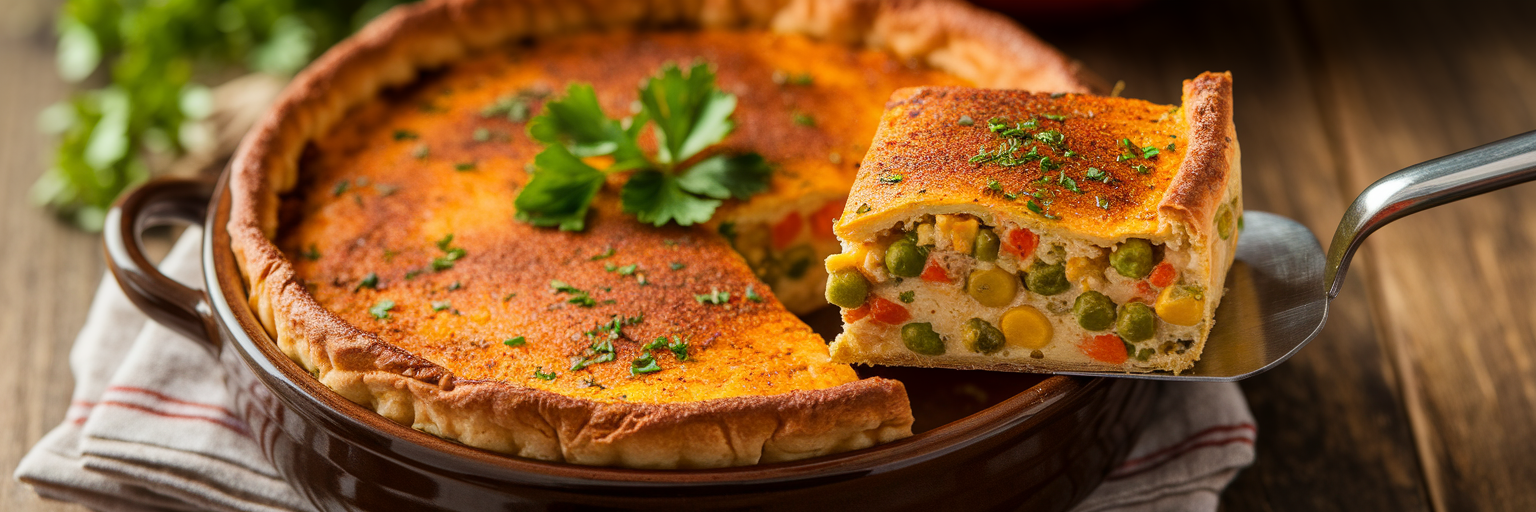
Una de las mayores dudas que tiene la gente es el miedo a que su cazuela tenga el sabor de un batido de proteínas insípido. Con el enfoque adecuado, puedes asegurarte de que tu plato esté repleto de sabor y nadie adivine tu ingrediente secreto. El objetivo es crear deliciosas y sabrosas recetas de proteína en polvo donde las especias y los ingredientes principales sean los protagonistas.
Aquí hay algunas estrategias para crear un sabor increíble:
- Usa especias fuertes: No dudes en usar tu especiero. Los sabores fuertes y sabrosos complementan a la perfección las notas terrosas de las proteínas vegetales. Piensa en pimentón ahumado, cúrcuma, ajo en polvo, cebolla en polvo y hierbas secas como el tomillo o el romero. Estos potentes aromas definirán el sabor de tu plato.
- Añade profundidad umami: El umami es ese "quinto sabor" rico y sabroso que hace que la comida sea profundamente satisfactoria. Incorporar ingredientes ricos en umami es una forma fantástica de crear un perfil de sabor complejo. Prueba a añadir levadura nutricional para un sabor a queso y frutos secos , una cucharada de pasta de miso o un chorrito de tamari o salsa de soja.
- Apóyate en ingredientes cremosos: Una base cremosa y sabrosa puede sustentar todo el plato. En lugar de solo agua o caldo, prepara tu cazuela con algo contundente. Una salsa cremosa de anacardos, un puré de lentejas y boniato contundente o una sabrosa cobertura de queso vegano aportarán humedad y se convertirán en el sabor dominante y delicioso. Si buscas inspiración, consulta nuestra guía de las mejores proteínas en polvo para este tipo de proyectos culinarios.
Solución de problemas comunes al hornear proteínas
Cocinar con proteína en polvo a veces implica un poco de ensayo y error, y eso es perfectamente normal. Considérelo como aprender una nueva habilidad culinaria. Si su primer intento no es perfecto, un pequeño ajuste suele ser suficiente. Una preocupación común es si el calor daña la proteína. Si bien el calor altera la estructura de la proteína (un proceso llamado desnaturalización), su valor nutricional para el cuerpo se mantiene intacto.
Aquí tienes una guía rápida para solucionar problemas comunes:
| Problema | Causa probable | Solución fácil |
|---|---|---|
| Textura grumosa | Se agregó el polvo antes que el líquido o no se mezcló bien. | Siempre agregue primero el líquido al tazón. Como confirman fuentes como EarthChimp, esta es la mejor manera de disolverlo. Bate bien o usa una licuadora para obtener una base supersuave. |
| Cazuela seca o desmenuzable | No hay suficiente líquido o grasa para equilibrar la capacidad de absorción del polvo. | Agregue caldo de verduras adicional, leche vegetal o una cucharada de crema agria vegana o mantequilla de nueces para aumentar la humedad. |
| Textura densa o gomosa | Se utilizó demasiada proteína en polvo o la masa se mezcló demasiado. | Respeta la regla de sustituir la harina entre 1/8 y 1/4. Mezcla solo hasta que esté bien integrado. Agrega una pizca de levadura química para que la mezcla esponje. |
| Un sutil regusto a 'proteína' | El sabor del polvo no queda totalmente enmascarado. | Aumente los ingredientes umami, como la levadura nutricional o la pasta de miso, y utilice especias fuertes como pimentón ahumado o ajo en polvo. |
Nota: Estas soluciones se basan en principios comunes de horneado al utilizar ingredientes altamente absorbentes, como las proteínas vegetales en polvo. Los ajustes pueden variar ligeramente según la receta específica.
Estrategias de preparación de comidas para una semana rica en proteínas
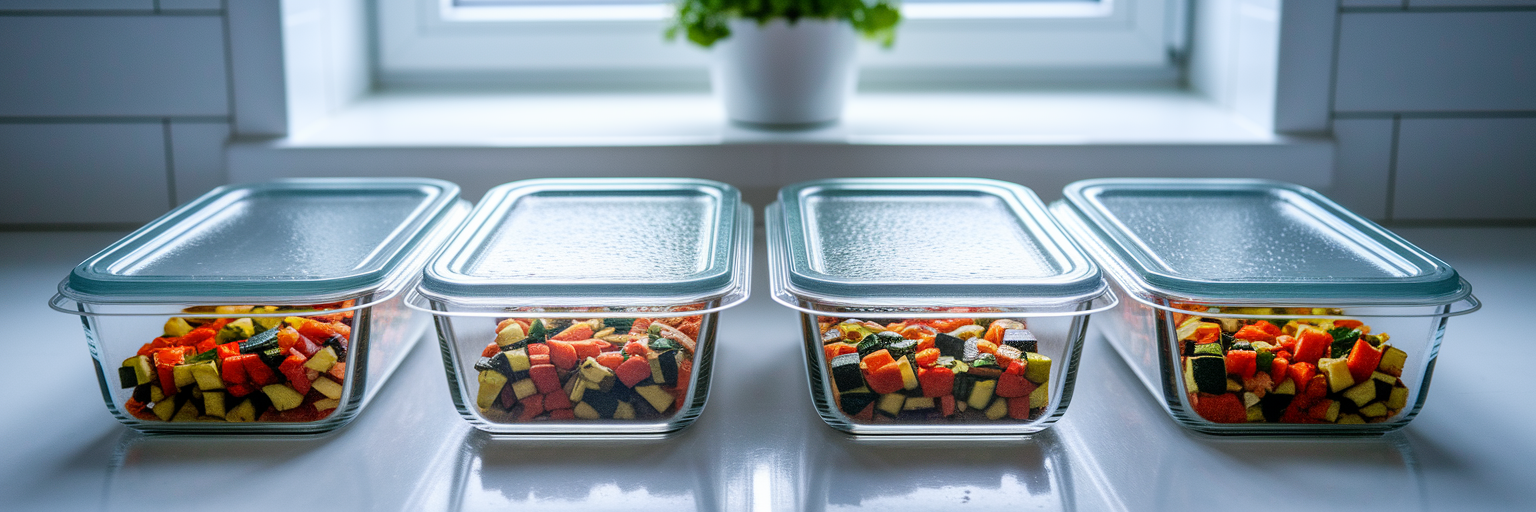
Una de las mejores cosas de dominar las recetas de cazuelas veganas ricas en proteínas es que se adaptan perfectamente a una agenda apretada. Son una herramienta fantástica para preparar comidas veganas y ganar músculo o simplemente para asegurarte de tener comidas saludables y saciantes listas para llevar. Preparar una cazuela grande un domingo puede darte tiempo para varios almuerzos o cenas para la semana siguiente.
A continuación se ofrecen algunos consejos para almacenar y recalentar sus creaciones:
- Congelación: La mayoría de los guisos enriquecidos con proteínas se congelan perfectamente. Solo asegúrese de dejar que el plato se enfríe completamente antes de cortarlo en porciones individuales. Guárdelos en recipientes herméticos en el congelador hasta por tres meses. Esto conserva la frescura y facilita la preparación de comidas para llevar.
- Recalentar: Para una comida rápida, puedes recalentar una porción en el microondas. Si tienes un poco más de tiempo y prefieres una superficie más crujiente, el horno es una excelente opción. Simplemente cubre el plato con papel aluminio para que conserve la humedad mientras se calienta.
Ahora tienes las herramientas para convertir cualquier guisado en una comida rica en proteínas. ¿Por qué no pruebas a preparar uno este fin de semana? Una proteína en polvo limpia y sin sabor puede ser tu arma secreta para preparar comidas deliciosas, eficientes y que te ayuden a alcanzar tus objetivos. Explora nuestro blog para descubrir más recetas e ideas que te ayudarán a llevar un estilo de vida saludable.