

Creatine stands as one of the most researched sports supplements on the planet, with decades of data backing its effectiveness. For those on a plant-based diet, however, its impact isn't just beneficial—it's transformative.
Understanding Creatine and the Vegan Advantage
Think of creatine as your body's rechargeable battery for quick, powerful movements. It helps produce a high-energy molecule called ATP, which fuels that extra rep in the gym or a more explosive sprint. Your body produces some creatine on its own, but the rest typically comes from diet, primarily from meat and fish. This is where the conversation gets interesting for plant-based eaters. Since dietary creatine is absent in a vegan diet, those who avoid animal products naturally have lower creatine stores in their muscles.
But here’s the twist: this isn't a disadvantage. It's an opportunity. Because the baseline is lower, vegans and vegetarians often experience a more noticeable and significant improvement in performance when they start supplementing. This "creatine gap" means that when you introduce it, your muscles respond robustly. The benefits of creatine for vegans aren't just about catching up; they're about unlocking a new level of strength potential that was previously untapped. While we're focusing on vegans, the fundamental creatine benefits are universal and well-documented.
Performance Benefits for Plant-Based Athletes
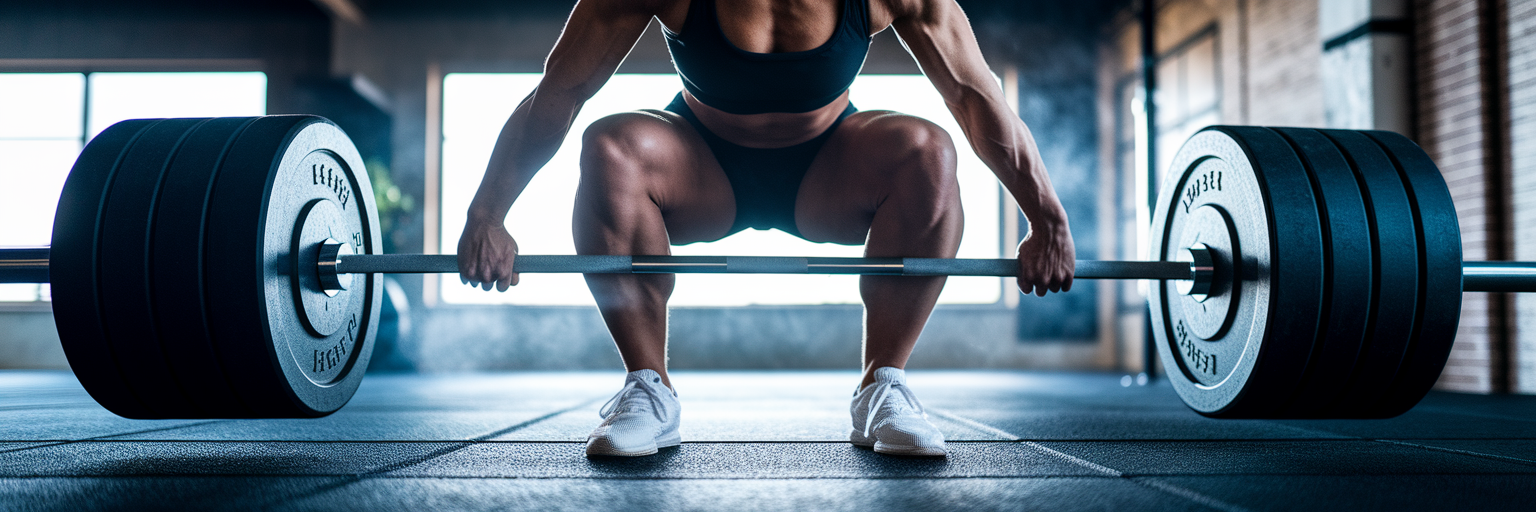
With your creatine stores fully topped up, your training sessions can look and feel different. It’s not about magic, but about enabling your body to work harder and recover smarter. The plant based creatine benefits create a positive feedback loop that directly supports your fitness goals.
- Enhanced Strength and Power: This is creatine's most famous benefit. With more immediate energy available, you can push harder during your lifts. That might mean adding another plate to the bar or squeezing out two more reps on your final set. This increased workload is the primary stimulus for building strength.
- Faster Recovery Between Sets: Have you ever felt completely gassed between heavy sets of squats? Creatine helps your muscles regenerate ATP faster, meaning you feel ready for your next set sooner. This leads to more productive, higher-quality workouts in the same amount of time.
- Support for Lean Muscle Growth: Better workouts lead to better results. By enabling you to train with greater intensity and volume, creatine helps create the perfect conditions for muscle repair and growth. This is where the best creatine for muscle growth truly delivers.
- A Bonus for Your Brain: Your brain is an energy-hungry organ, too. Emerging research suggests that creatine can support cognitive functions like short-term memory and mental clarity. It’s a fantastic perk that supports your overall wellness beyond the gym.
These aren't just empty claims; the International Society of Sports Nutrition (ISSN) has extensively documented these performance gains in their position stand on creatine, confirming its effectiveness and safety.
Your Creatine Dosing and Timing Strategy
Now that you understand the benefits, let's talk about the practical side. Knowing how to take creatine properly ensures you get all the rewards without any guesswork. The good news is, it’s incredibly simple.
The Simple Daily Dose
For most people, the most effective and straightforward approach is to take 3–5 grams of creatine monohydrate daily. That’s it. There’s no need to cycle on and off. Consistency is far more important than timing. Taking it every day, even on rest days, keeps your muscle stores saturated and ready for action.
To Load or Not to Load?
You may have heard about a "loading phase," which involves taking around 20 grams per day for 5–7 days to saturate your muscles quickly. While this method works, it’s not necessary for everyone. It can sometimes cause mild stomach discomfort, and you’ll reach the same saturation point by just taking 3–5 grams daily for about three to four weeks. The choice is yours.
| Approach | Daily Dose | Time to Saturate Muscles | Best For |
|---|---|---|---|
| Loading Phase | 20g for 5-7 days, then 3-5g | ~1 week | Athletes needing rapid results for an upcoming event. |
| Maintenance Dose | 3-5g from day one | ~3-4 weeks | Anyone seeking consistent, long-term benefits without potential GI upset. |
This table outlines the two common methods for starting creatine. Both lead to the same result; the choice depends on your personal preference for speed versus simplicity.
When to Take Your Creatine
While consistency is king, some research suggests a slight advantage to taking creatine post-workout. Pairing it with carbohydrates and protein can enhance its absorption into your muscles. This makes it a perfect addition to your post-workout recovery shake. You can easily mix it into a shake with your favorite vegan protein, and if you need inspiration, there are some great recipes to get you started. Also, remember to drink plenty of water. Creatine pulls water into your muscle cells, which is great for hydration and performance, so staying well-hydrated is key.
Debunking Common Creatine Myths
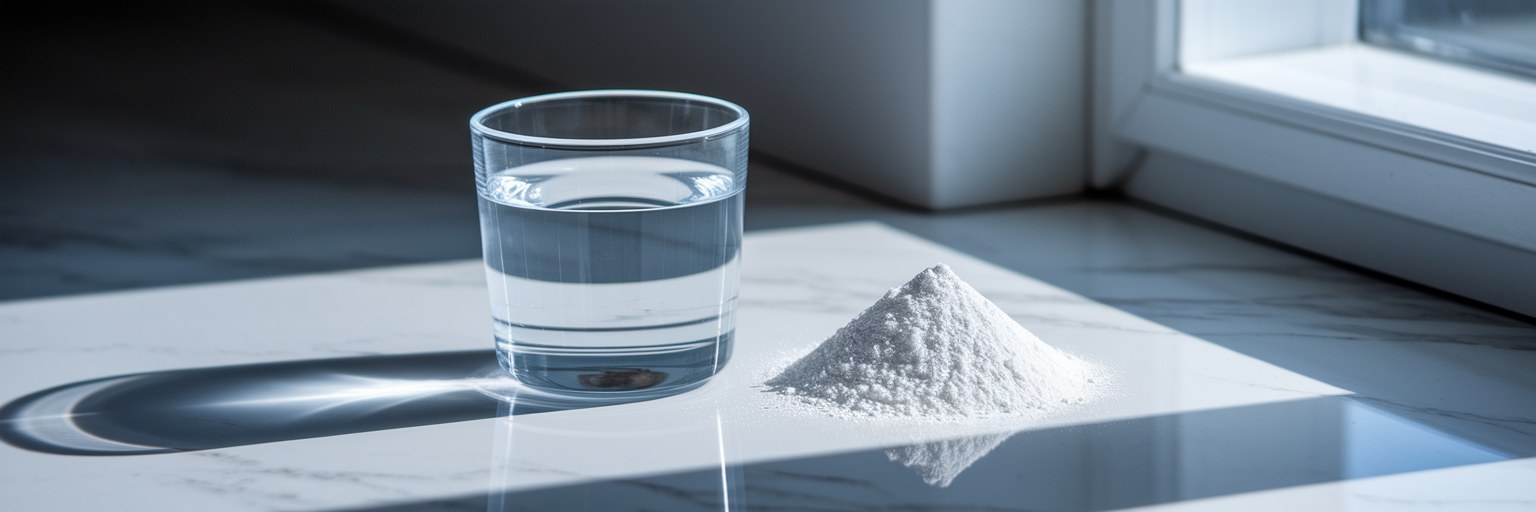
Despite being one of the most studied supplements, creatine is surrounded by myths. Let's clear the air with some facts so you can feel confident in your choice.
-
Myth: Creatine is bad for your kidneys.
Fact: This is the most persistent myth, and it's been thoroughly debunked. For healthy individuals, long-term creatine use is safe. In fact, extensive reviews by organizations like the NIH Office of Dietary Supplements have found no evidence of kidney damage in healthy people using creatine at recommended doses. -
Myth: Creatine causes dehydration and cramps.
Fact: This is the opposite of what happens. Creatine actually increases water content inside your muscle cells, which improves cellular hydration. As long as you maintain normal fluid intake, there is no evidence that it causes cramping or dehydration. -
Myth: You'll lose your muscle gains if you stop taking it.
Fact: The actual muscle fibers you built through harder training are yours to keep. If you stop taking creatine, the extra water weight held in your muscles will decrease, but the real strength gains you earned will remain. -
Myth: Creatine is an unnatural steroid.
Fact: Creatine is a natural compound made from amino acids, and it is not a steroid or a hormone. Modern vegan creatine is synthesized in a lab without any animal products, making it a clean and ethical choice for a plant-based lifestyle. For more answers to common questions, our FAQ page is a great resource.
Pairing Creatine with Vegan Protein for Maximum Impact
If creatine is the spark that fuels your workout, then protein is the material that rebuilds your muscles afterward. Together, they are the power couple of vegan strength training supplements. Creatine enables you to push your muscles harder, creating a greater stimulus for growth. But that stimulus is only effective if your body has the building blocks it needs to repair and rebuild stronger muscle tissue.
This is where a high-quality vegan protein comes in. After a tough workout, your muscles are primed for nutrients. A post-workout shake containing both creatine and a complete plant-based protein provides everything your body needs for optimal recovery and growth. The protein delivers the essential amino acids for muscle repair, while the creatine replenishes your energy stores for the next session. Pairing your creatine with a delicious and smooth chocolate vegan protein makes recovery feel like a treat, not a chore.
Choosing a High-Quality Vegan Creatine
Not all creatine is created equal. When you're ready to add it to your routine, here’s a simple checklist to ensure you’re getting a safe and effective product:
- Stick with Creatine Monohydrate: This is the most researched, proven, and effective form of creatine. Don't get distracted by more expensive, less-studied alternatives.
- Look for Purity and Testing: Choose a product that is third-party tested for purity and contaminants. This guarantees you’re getting what’s on the label and nothing else.
- Consider Micronized Powder: A micronized powder has smaller particles, which helps it dissolve more easily in water and can reduce the chance of stomach upset.
Integrating a high-quality supplement can help you break through plateaus and see the results your hard work deserves. Ready to experience the difference? You can find a pure, micronized Beyond Good Foods creatine monohydrate designed for athletes right here.