
Ese ritual diario de añadir proteína a tu batidora es más que un simple paso en tu rutina de ejercicios. Es un pequeño hábito con un impacto sorprendentemente grande e invisible en el mundo que nos rodea. Cada decisión que tomamos, desde la comida que consumimos hasta los suplementos que tomamos, tiene un impacto ambiental. Piensa en ello como el recorrido completo de un producto, desde la granja hasta la encimera de tu cocina.
En cuanto a las proteínas, ese proceso puede ser radicalmente diferente según la fuente. Aquí es donde tu batido diario se convierte en una declaración poderosa.
El costo ambiental de su porción de proteína
Hablemos de la huella de carbono de la proteína vegana en comparación con sus contrapartes de origen animal. La diferencia no es pequeña; es monumental. Según un análisis detallado de BBC Future , producir 100 gramos de proteína de carne de res puede emitir casi 50 kilogramos de CO2 equivalente. En marcado contraste, producir la misma cantidad de proteína a partir de guisantes emite solo 0,4 kilogramos. No es una errata. Es una diferencia de más de 100 veces.
Este impacto va mucho más allá de las emisiones de carbono. Abarca el uso del suelo, el consumo de agua y la presión general sobre los recursos de nuestro planeta. Al cambiar de carne convencional a alternativas vegetales, se puede reducir significativamente el impacto ambiental. No se trata solo de una comida; se trata de un cambio colectivo que conserva recursos valiosos. Elegir una proteína vegetal en polvo es una de las maneras más sencillas y efectivas de contribuir a un planeta más saludable con tu dinero.
Los números hablan por sí solos y muestran cómo un simple cambio en su despensa puede marcar una gran diferencia.
| Fuente de proteína | Emisiones de gases de efecto invernadero (kg CO2e) | Uso del suelo (metros cuadrados) | Uso de agua (litros) |
|---|---|---|---|
| Carne de res | 49.9 | 163.7 | 15.415 |
| Suero (de leche) | ~4.3 | ~15.0 | ~1.000 |
| Guisantes | 0.4 | 3.4 | 595 |
| Lentejas | 0.9 | 7.6 | 5.874 |
Los datos se recopilan a partir de diversos análisis del ciclo de vida, incluyendo fuentes como la BBC y Our World in Data. Las cifras de suero de leche se estiman con base en los promedios de producción láctea, ya que pueden variar. Esta tabla ilustra el importante ahorro de recursos que supone elegir proteínas vegetales.
El poder sostenible de los ingredientes vegetales
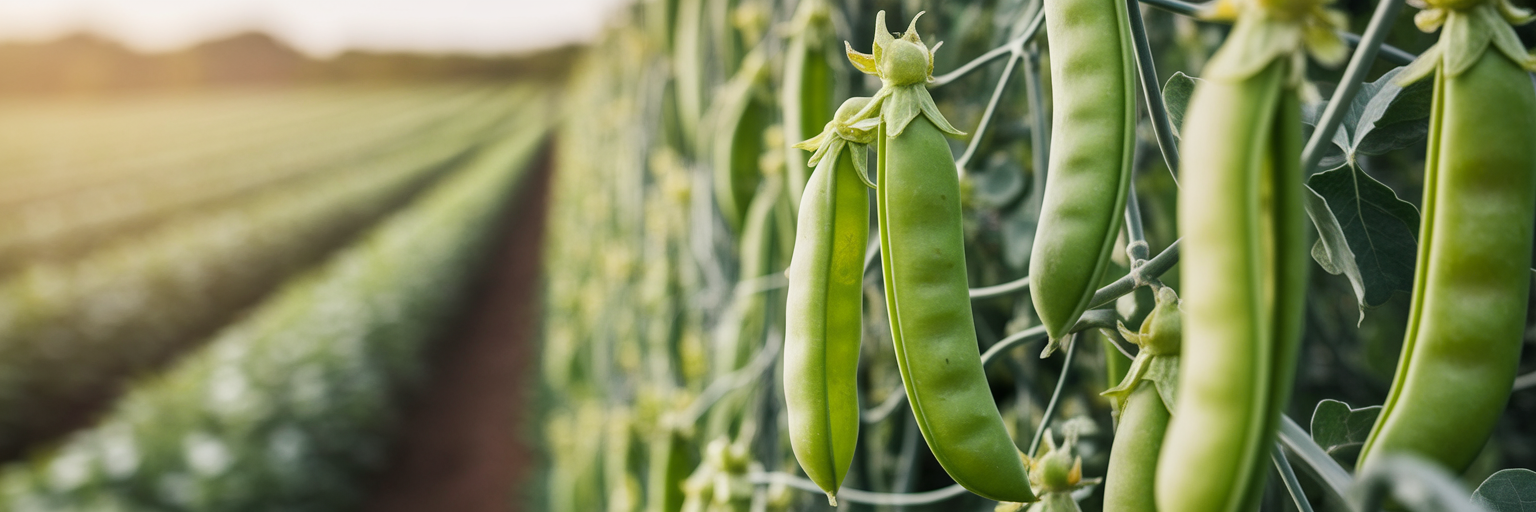
Entonces, ¿por qué plantas como los guisantes y los garbanzos son tan potentes para el medio ambiente? Todo se reduce a la brillante eficiencia de la propia naturaleza. Estos ingredientes son la base de suplementos proteicos ecológicos y de alta calidad.
Superestrellas que utilizan los recursos de manera eficiente
Muchas de las plantas utilizadas en las proteínas veganas, como los guisantes, son naturalmente resistentes. Suelen ser resistentes a la sequía y requieren mucha menos agua y tierra que la ganadería. Esto significa que podemos producir una nutrición de alta calidad con un impacto mucho menor en el planeta.
Los fertilizantes de la propia naturaleza
Aquí hay un dato fascinante de ciencia natural: plantas como los guisantes y otras legumbres son fijadoras de nitrógeno. En pocas palabras, extraen nitrógeno del aire y lo convierten en fertilizante natural en el suelo. Esto enriquece la tierra para futuros cultivos, reduciendo la necesidad de fertilizantes químicos sintéticos que pueden dañar los ecosistemas locales.
Innovando con ingredientes reciclados
La innovación no termina ahí. Algunos de los ingredientes más sostenibles nacen de una mentalidad de economía circular. Los subproductos de otros procesos de fabricación de alimentos, que de otro modo se desperdiciarían, pueden reutilizarse en aislados proteicos ricos en nutrientes. Este enfoque minimiza el desperdicio y aprovecha al máximo cada recurso. Este enfoque holístico es la razón por la que organizaciones como el Good Food Institute (GFI) destacan cómo las proteínas alternativas pueden conservar la tierra y el agua a la vez que minimizan las emisiones. Estos ingredientes versátiles no solo son buenos para el planeta, sino que son la base de unas comidas increíbles. Puedes encontrar ideas geniales en estas3 recetas fáciles de proteínas veganas que realmente te encantarán .
Más allá del polvo: el embalaje ecológico importa
Un producto verdaderamente sostenible considera todo su ciclo de vida, incluyendo el envase en el que se presenta. Todos los hemos visto: esos envases gigantes de plástico rígido que dominan el pasillo de suplementos. Si bien son icónicos, suelen estar hechos de plástico virgen y ocupan muchísimo espacio en vertederos e instalaciones de reciclaje.
La buena noticia es que las marcas vanguardistas están adoptando soluciones más inteligentes. Busque bolsas flexibles fabricadas con materiales reciclados posconsumo (PCR) o envases que sean totalmente y fácilmente reciclables. Este sencillo cambio reduce drásticamente los residuos plásticos y la dependencia de los nuevos combustibles fósiles.
Hay otra ventaja oculta: los envases más inteligentes suelen ser más ligeros y compactos. Esto reduce las emisiones de carbono asociadas con el envío, lo que aumenta la eficiencia de toda la cadena de suministro. Esto no es solo una preocupación de nicho; como informa Plant Based News , los inversores ahora instan a las grandes empresas alimentarias a adoptar prácticas más sostenibles. Te animamos a convertirte en un "detective de envases". Cuando estés listo para hacer el cambio, echa un vistazo a las opciones de envases de diferentes marcas. Puedes explorar una colección de productos cuidadosamente diseñados para descubrir todas las posibilidades.
Cómo alinear su actividad física con un estilo de vida ecoconsciente

Elegir una proteína vegana en polvo sostenible va más allá de lo que ocurre en tu batidora. Se trata de crear un estilo de vida donde tus objetivos de salud y tus valores por el planeta estén en perfecta armonía. Es una forma de nutrir tu cuerpo y, al mismo tiempo, cuidar el medio ambiente.
Una pregunta frecuente es si las proteínas vegetales son tan efectivas como el suero de leche para el desarrollo muscular. La respuesta es un rotundo sí. Al comparar el impacto ambiental de las proteínas vegetales con el del suero de leche , las plantas son las claras ganadoras. Nutricionalmente, al combinar diferentes fuentes vegetales como la proteína de guisante y la proteína de arroz, podemos crear un perfil completo de aminoácidos igual de efectivo para la reparación y el crecimiento muscular. Nuestra fórmula, por ejemplo, aporta 25 g de proteína completa en cada porción.
Esta única decisión puede ser la piedra angular de una rutina más amplia de "fitness limpio". Aquí tienes algunas ideas para empezar:
- Combina tu proteína vegana con otros suplementos limpios. Por ejemplo, muchos atletas se preguntan sobre los beneficios de la creatina y la eficacia real del monohidrato de creatina puro para desarrollar fuerza de forma sostenible.
- Deshazte de los plásticos de un solo uso y utiliza siempre un vaso mezclador y una botella de agua reutilizables.
- Siempre que sea posible, intente ir en bicicleta, caminar o usar el transporte público para llegar al gimnasio.
- Apoye los mercados de agricultores locales para sus comidas de alimentos integrales y así reducir los kilómetros que recorren los alimentos.
¿Cuáles son tus hábitos de eco-fitness favoritos? ¡Compártelos con tus amigos y tu comunidad para inspirar a otros!
Cómo elegir una marca de proteína vegana verdaderamente sostenible
Con tantas opciones disponibles, encontrar una marca que realmente cumpla con sus expectativas puede resultar abrumador. Aquí tienes una sencilla lista de verificación para ayudarte a tomar una decisión informada y sentirte bien.
- Investiga los ingredientes: Busca marcas que sean transparentes sobre el origen de sus ingredientes. Los ingredientes orgánicos y sin OGM son una excelente señal. Elegir las mejores marcas estadounidenses de proteína en polvo sostenible también puede reducir las emisiones del transporte y apoyar las economías locales.
- Examine el embalaje: Dé la vuelta al envase. ¿Está hecho de materiales reciclados (PCR)? ¿Es fácilmente reciclable en su zona? Las marcas que priorizan el embalaje sostenible suelen indicarlo en la etiqueta.
- Busque certificaciones de terceros: Sellos como USDA Organic o Non-GMO Project Verified no son solo publicidad superficial. Son prueba de que una marca cumple con estándares estrictos de abastecimiento y producción verificados independientemente.
- Evalúe la misión de la marca: ¿Reflejan el sitio web y las redes sociales de la empresa un compromiso genuino con la sostenibilidad o se percibe como algo secundario? Las marcas auténticas integran sus valores en todo lo que hacen.
Empieza explorando marcas que comparten estos valores y estarás en el camino correcto para tomar una decisión que te haga sentir bien. Un buen punto de partida es una empresa comprometida con la nutrición limpia y sostenible como Beyond Good Foods .