
El desafío del ayuno y la preservación muscular
El ayuno intermitente se ha popularizado en Estados Unidos por sus posibles beneficios para la salud metabólica. A muchas personas les encanta la estructura que proporciona. Pero si te centras en el fitness, suele surgir una pregunta recurrente: ¿el ayuno me hará perder la masa muscular que tanto me ha costado ganar? Es una preocupación válida. Cuando el cuerpo ayuna durante un período prolongado, busca fuentes de energía. Sin el combustible de los alimentos, puede empezar a descomponer el tejido muscular para obtener energía en un proceso llamado catabolismo muscular.
Piensa en tu salud muscular como un ejercicio de equilibrio. Por un lado, está la síntesis de proteínas musculares (SPM) , que es el proceso de desarrollo muscular. Por otro lado, está la degradación de proteínas musculares (DPM) , el proceso de degradación. Para mantener o desarrollar músculo, necesitas que tu síntesis sea igual o mayor que tu degradación. Durante un ayuno, esta balanza puede inclinarse hacia la degradación si no tienes cuidado.
Esto crea un verdadero dilema para las personas activas. Desean los beneficios del ayuno, pero no quieren sacrificar su fuerza ni su físico. Por lo tanto, la pregunta clave es cómo prevenir la pérdida muscular durante el ayuno . La buena noticia es que con una estrategia nutricional inteligente, pueden obtener lo mejor de ambos mundos. Todo comienza por comprender la herramienta más importante del cuerpo para la protección muscular.
El papel fundamental de las proteínas en la protección de los músculos
Cuando se trata de proteger tus músculos, la proteína es tu primera línea de defensa ineludible. Es el componente esencial que tu cuerpo utiliza para reparar y desarrollar tejido muscular. Cada vez que levantas pesas o te esfuerzas, creas pequeñas microrupturas en tus músculos. La proteína proporciona la materia prima necesaria para repararlas, fortaleciéndolos aún más. Este proceso de reparación es precisamente lo que define la Síntesis de Proteína Muscular (SPM).
Para activar la MPS eficazmente, el cuerpo necesita un conjunto completo de aminoácidos esenciales (AAE), que son los componentes individuales de la proteína. Uno de estos aminoácidos, la leucina, actúa como un interruptor para el desarrollo muscular. Cuando hay suficiente leucina, le indica al cuerpo que inicie el proceso de reparación y crecimiento. Sin la cantidad adecuada de proteínas y AAE, este interruptor permanece desactivado y el cuerpo puede recurrir a la descomposición del músculo existente para satisfacer sus necesidades de aminoácidos.
Esto es especialmente importante para quienes practican el ayuno intermitente. El déficit calórico generado por la ventana de ayuno hace que priorizar la proteína sea aún más crucial para la preservación muscular durante el ayuno . Una ingesta adecuada garantiza que el cuerpo tenga los recursos necesarios para la recuperación, evitando que se sacrifique músculo para obtener energía. Si bien la proteína es el principal constructor, otros compuestos también pueden contribuir a tus objetivos. Por ejemplo, muchos atletas combinan su proteína con suplementos como la creatina para mejorar aún más el rendimiento, un tema que hemos explorado en detalle .
Por qué las proteínas vegetales son ideales para quienes ayunan

Durante años, un mito común sugería que las proteínas vegetales eran inferiores por ser "incompletas". Afortunadamente, esta idea obsoleta ha sido completamente desmentida. Las proteínas veganas en polvo modernas, especialmente las que combinan fuentes como la proteína de guisante y la de arroz, proporcionan un perfil de aminoácidos completo y potente que estimula eficazmente la síntesis muscular. Esto hace que la combinación de proteína vegetal y ayuno no solo sea posible, sino también increíblemente efectiva.
Una de las ventajas más destacadas para quienes ayunan es la velocidad de absorción. Como se destaca en un artículo de Prana On, muchas proteínas vegetales se digieren más lentamente que las de suero. Esto no es una desventaja, sino una gran ventaja. Una liberación más lenta y sostenida de aminoácidos en el torrente sanguíneo ayuda a mantener los músculos nutridos durante más tiempo durante la ventana de alimentación. Esto puede ayudar a reducir la degradación muscular entre comidas y a mantener la sensación de saciedad durante más tiempo.
Más allá del rendimiento, las proteínas veganas de alta calidad ofrecen beneficios "limpios" que muchas personas preocupadas por su salud en Estados Unidos buscan. Son naturalmente libres de lácteos, lactosa y aditivos artificiales que a veces pueden causar hinchazón o molestias digestivas. Una proteína en polvo que te sienta bien es una que disfrutarás tomando con regularidad. Y, siendo honestos, la textura importa. Encontrar una fórmula con un acabado suave y sin grumos hace que seguir tu rutina sea un placer en lugar de una tarea.
| Característica | Beneficio para los que ayunan | Por qué es importante para la preservación muscular |
|---|---|---|
| Mezclas completas de aminoácidos | Proporciona todos los EAA necesarios para MPS | Señala eficazmente la reparación y el crecimiento muscular. |
| Liberación sostenida de aminoácidos | Una digestión más lenta mantiene los músculos alimentados por más tiempo | Ayuda a prevenir el deterioro muscular entre comidas en la ventana de alimentación. |
| Limpio y sin lácteos | Reduce la hinchazón y el estrés digestivo. | Un mejor bienestar intestinal fomenta una ingesta diaria constante. |
| Rico en fibra y micronutrientes | Favorece la salud general y la saciedad. | Contribuye a sentirse lleno y nutrido durante la ventana de alimentación. |
Esta tabla destaca cómo los polvos de proteína veganos de alta calidad son especialmente adecuados para respaldar los objetivos de los ayunadores intermitentes, centrándose tanto en el apoyo muscular como en el bienestar general.
Momento estratégico para un apoyo muscular máximo
Saber que necesitas proteínas es una cosa, pero saber cuándo tomarlas puede marcar una gran diferencia. Durante el ayuno intermitente, programar la ingesta de proteínas dentro de tu ventana de alimentación ayuda a garantizar que tus músculos obtengan lo que necesitan, cuando más lo necesitan.
La ventana post-entrenamiento
Si entrenas durante el ayuno, reponer energías adecuadamente después es fundamental. Intenta consumir un batido de proteínas una o dos horas después de terminar tu sesión de entrenamiento. Este momento ayuda a impulsar el proceso de recuperación, aportando a tus músculos los aminoácidos necesarios para su reparación. Un batido sencillo con una opción de alta calidad como nuestra Proteína Vegana de Chocolate es una forma fácil y efectiva de reponer energías.
Ritmo de proteínas en su ventana de alimentación
En lugar de consumir toda tu proteína en una sola comida copiosa, intenta dividirla en dos o más comidas o batidos. Por ejemplo, si tu ventana de alimentación es de 12 p. m. a 8 p. m., podrías tomar un almuerzo rico en proteínas y luego un batido de proteínas al final de la tarde. Este ritmo proporciona un flujo más constante de aminoácidos a tus músculos, lo cual es ideal para prevenir el deterioro. Esta es posiblemente la mejor estrategia para la mayoría de las personas para aprovechar las proteínas en la ventana de ayuno .
Un consejo avanzado para deportistas dedicados
Para quienes realizan entrenamientos muy intensos, algunos expertos sugieren un enfoque más matizado. Esta estrategia, sugerida por expertos de Wellbeing Nutrition, consiste en consumir una porción muy pequeña de proteína (unos 10-15 gramos) poco antes de un entrenamiento en ayunas. La idea es aportar los aminoácidos justos para reducir la degradación muscular durante la sesión sin afectar significativamente el estado metabólico del ayuno. Esta es una técnica avanzada, pero puede ser útil para atletas que buscan optimizar cada detalle.
Formas prácticas de integrar proteína vegana en tu rutina
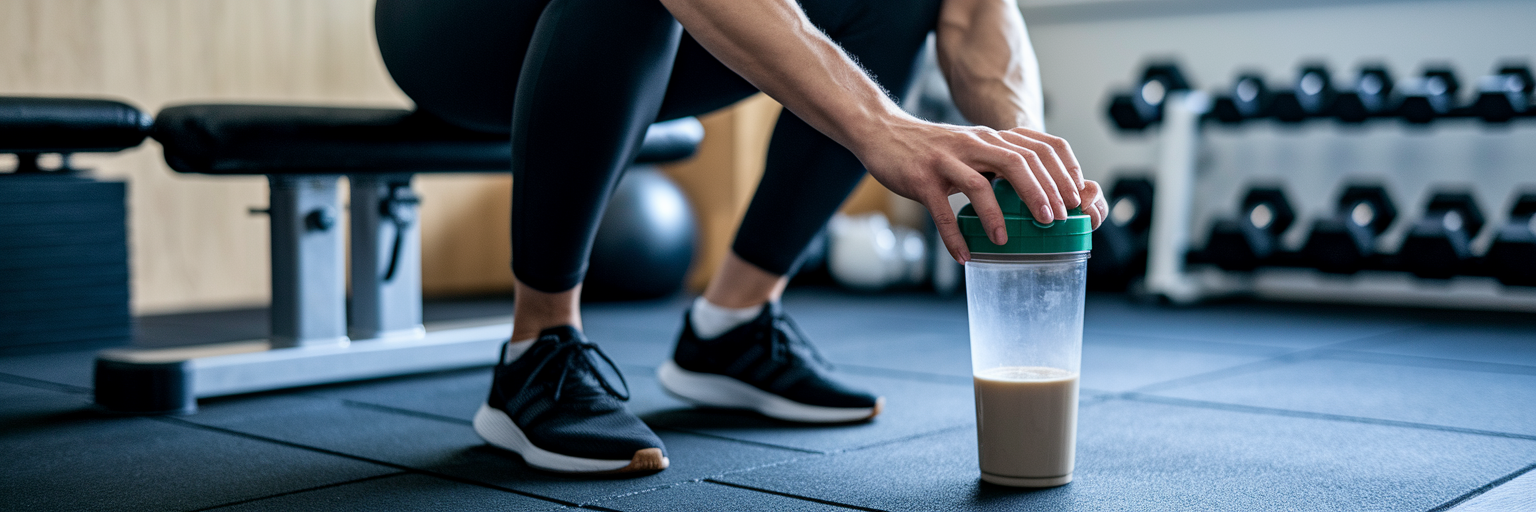
Seamos realistas: una rutina solo funciona si es fácil y placentera. Lo mejor de la proteína vegana para el ayuno intermitente es su versatilidad. Puedes ir mucho más allá de simplemente mezclar polvo con agua. Aquí tienes algunas ideas sencillas para empezar:
- Dale energía a tu desayuno: si tu ventana de alimentación comienza en la mañana, mezcla una cucharada de proteína en polvo sin sabor o de vainilla con tu avena o yogur vegetal para obtener una comida satisfactoria que fortalezca los músculos.
- Mezclarlo en un batido: Combina una cucharada de proteína con espinacas, un plátano y un poco de leche de almendras para obtener un batido nutritivo y delicioso. Es la manera perfecta de romper el ayuno.
- Crea snacks ricos en proteínas: Si buscas opciones más creativas, puedes encontrar muchísima inspiración en línea. Para empezar, consulta algunas denuestras recetas veganas fáciles y favoritas de proteínas .
Un punto crucial a recordar es que los suplementos de proteína complementan el esfuerzo que realizas . El entrenamiento de resistencia es la señal que indica a tus músculos que deben crecer; la proteína es el material que utilizan para lograrlo. Ambos trabajan en conjunto. Para mayor comodidad, intenta dosificar tu proteína en polvo en un mezclador para que esté lista en cuanto abras tu ventana de alimentación. ¿Cuáles son tus formas favoritas de usar proteína en polvo? ¡Comparte tus ideas en los comentarios!
Cómo elegir una proteína vegana en polvo de alta calidad
Con tantas opciones disponibles, ¿cómo elegir la adecuada? Es más fácil de lo que crees. Si aprendes a leer la etiqueta, podrás elegir con confianza un producto que te ayude a alcanzar tus objetivos. Busca lo siguiente:
- Un perfil completo de aminoácidos: Busca una mezcla de múltiples fuentes vegetales, como proteína de guisante y arroz. Esto te garantiza obtener todos los aminoácidos esenciales necesarios para estimular eficazmente el crecimiento muscular.
- Una lista de ingredientes clara y concisa: Las mejores fórmulas no necesitan una larga lista de rellenos, gomas de mascar ni edulcorantes artificiales. Elija productos con ingredientes fáciles de reconocer y pronunciar.
- Una dosis efectiva de proteína: para estimular la síntesis de proteínas musculares, opte por un polvo que proporcione al menos 20-25 gramos de proteína por porción.
Una investigación publicada en Medicine & Science in Sports & Exercise confirma que, siempre que una proteína vegetal sea rica en AAE, es tan eficaz como el suero de leche para el desarrollo muscular. Cuando encuentras una marca comprometida con fórmulas limpias con 25 g de proteína por porción, sabes que vas por buen camino. Te animamos a explorar opciones limpias y efectivas que se ajusten a tus valores de fitness, como las de nuestra colección . Tomar una decisión informada es el primer paso para alcanzar tus objetivos de salud.