

Reimaginando la noche de pizza como una comida saludable
Todos hemos pasado por eso. La noche de pizza suele considerarse una "comida trampa", algo por lo que uno se siente un poco culpable. Pero ¿y si pudiéramos cambiar esa idea? Con unos sencillos ajustes, la pizza puede pasar de ser un capricho ocasional a una comida funcional que apoya activamente tus objetivos de salud y bienestar. Imagina disfrutar de una pizza cualquier noche de la semana, sabiendo que te está dando la energía necesaria.
Al enriquecer la base con proteínas, creas una comida que no solo satisface un antojo. Primero, aumenta significativamente la saciedad . Una comida rica en proteínas te ayuda a sentirte lleno por más tiempo, lo cual es una gran ventaja para controlar las porciones y controlar tu peso sin sentirte privado. Puedes disfrutar de una o dos rebanadas deliciosas y sentirte completamente satisfecho.
En segundo lugar, se convierte en una excelente comida post-entrenamiento. La proteína añadida favorece la reparación y recuperación muscular , convirtiendo tu cena en una deliciosa herramienta para recuperar lo perdido en el gimnasio. Para cualquiera que siga una dieta a base de plantas, encontrar maneras creativas y divertidas de cubrir tus necesidades proteicas puede ser un desafío constante. Esta receta de pizza vegana alta en proteínas va más allá de los típicos batidos y revueltos de tofu, ofreciendo una forma realmente emocionante de alcanzar tus macronutrientes.
Cómo elegir la proteína vegana adecuada para hornear
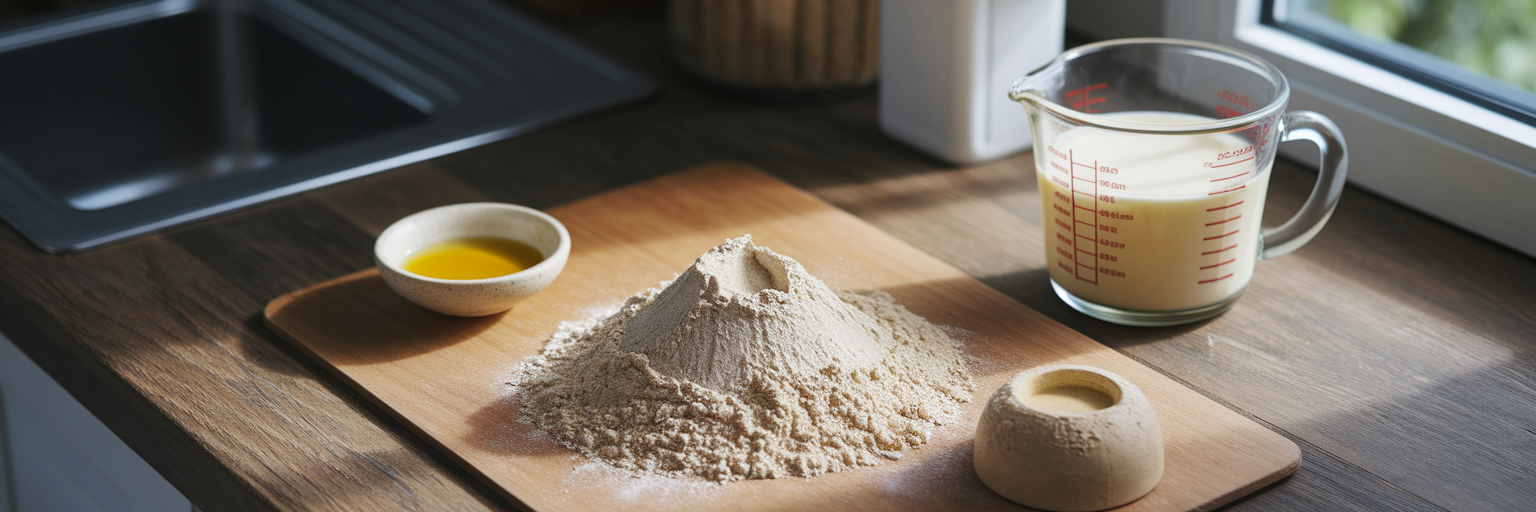
El secreto de una pizza proteica exitosa reside en seleccionar la proteína en polvo adecuada. Este no es el lugar para ese polvo con sabor a vainilla que le pones a tu batido matutino. En cuanto a la repostería salada, no todas las proteínas en polvo son iguales, y una mala elección puede provocar un regusto extraño o una textura dura y desagradable.
La mejor opción es una proteína sin sabor o de sabor neutro . Esto garantiza que los sabores intensos de la salsa y los ingredientes se destaquen sin competir con el dulzor. Recomendamos un aislado de proteína de guisante por su sabor limpio y su excelente rendimiento en recetas. La textura es igual de importante. Muchas personas se han desanimado con las proteínas vegetales por su textura arenosa o calcárea en boca. Eso es lo último que quieres en la masa de tu pizza.
Un aislado de proteína finamente molido y de alta calidad está diseñado para mezclarse suavemente, creando una masa que se hornea con una agradable corteza similar al pan. Al hornear con proteína vegana en polvo , revise siempre la etiqueta de ingredientes. Busque una fórmula limpia sin rellenos, gomas ni edulcorantes artificiales innecesarios que puedan afectar el resultado final. Encontrar una proteína en polvo que cumpla con estos estándares es clave, y puede explorar algunas de nuestras excelentes opciones para ver cuál funciona mejor para usted. Si bien esta receta está optimizada para una mezcla de proteína de guisante, recuerde que otros tipos de proteína, como la de soya o la de arroz, absorben el líquido de forma diferente, por lo que podría necesitar ajustar el contenido de agua si experimenta.
Elaboración de la masa de pizza rica en proteínas
Ahora, la parte práctica: preparar la masa. Piensa en esto como una fórmula sencilla que puedes dominar. Un buen punto de partida es una proporción de 3:1 de harina y proteína en polvo, pero es más importante aprender a sentir la masa. El objetivo es obtener una bola suave y flexible, fácil de manejar, no algo rígido ni seco.
El paso más importante es la hidratación. La proteína vegana en polvo es increíblemente absorbente, mucho más que la harina común. Esta es la clave para saber cómo añadir proteína a la masa de pizza con éxito. Necesitarás más líquido del que crees, así que añade agua tibia o leche vegetal sin azúcar poco a poco . Sigue mezclando hasta que se forme una masa cohesiva. Verterlo todo de golpe es una receta para un desastre seco y desmenuzable.
A continuación, no te saltes la grasa. Añadir una grasa saludable como el aceite de oliva hace más que solo añadir sabor. Ablanda la masa, contrarrestando el efecto secante de la proteína y creando una textura más elástica que es más fácil de extender. Una vez que la masa esté unida, déjala reposar de 10 a 15 minutos. Esto no es para que suba, ya que no hay levadura. En cambio, este período de reposo permite que la harina y la proteína absorban completamente el líquido, lo que resulta en una textura final mucho mejor. Una vez que domines esta masa, descubrirás que es una de las muchas ideas excelentes de comidas proteicas a base de plantas para agregar a tu rutina. Muchos cocineros caseros están encontrando formas creativas de mejorar el perfil nutricional de su pizza. Por ejemplo, como sugiere A Beautiful Mess, el uso de levadura nutricional no solo agrega un sabor a queso, sino que también contribuye al recuento de proteínas.
Perfeccionando la textura y el sabor de la corteza
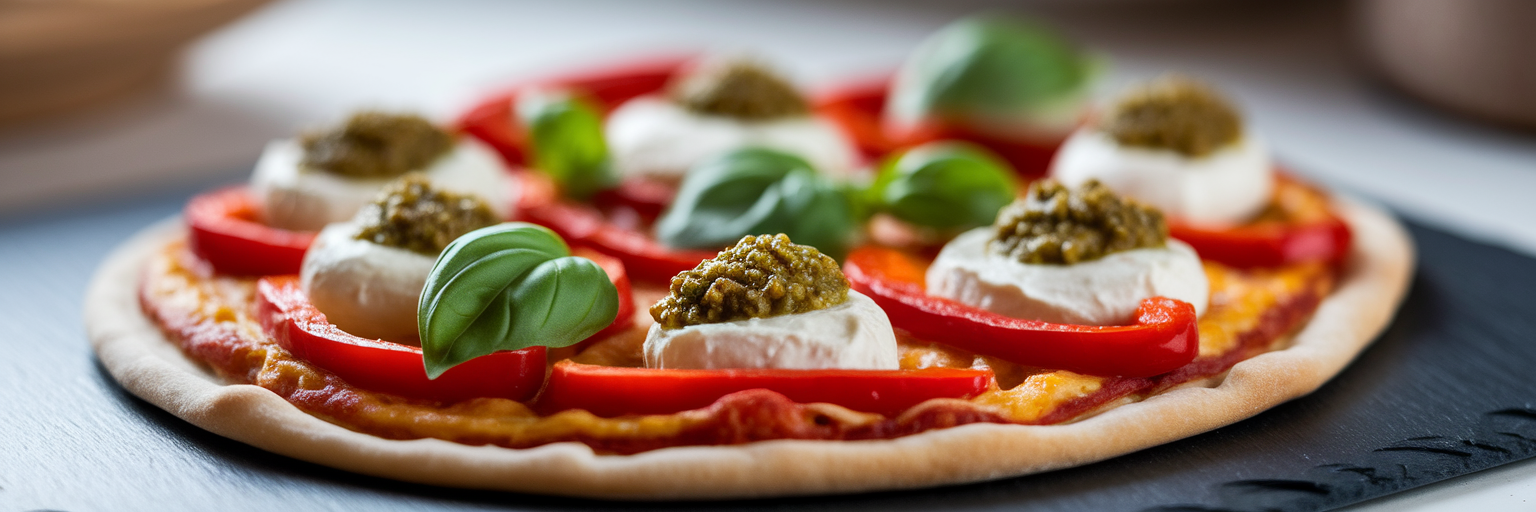
Una vez que domines lo básico, unos pasos adicionales pueden transformar tu masa en una excelente. Los dos problemas más comunes con la masa fortificada con proteínas son el sabor soso y la textura seca. Vamos a solucionarlos.
Para darle sabor, piensa más allá de los ingredientes. Infusiona la masa mezclando una o dos cucharaditas de ajo en polvo, orégano seco o tu condimento italiano favorito con los ingredientes secos. Un verdadero secreto es la levadura nutricional . Añadir una o dos cucharadas le da un sabor umami sabroso y a queso que complementa a la perfección una pizza.
Para lograr textura, la técnica más importante es prehornear la masa . Después de extenderla, hornéela sola de 5 a 7 minutos antes de agregarle cualquier ingrediente. Este paso crea una superficie firme y sellada que evita que la salsa se impregne y empape el centro, un problema común con las masas densas y ricas en proteínas. Como señala el equipo de I Heart Vegetables, usar un pesto sabroso y un chorrito de glaseado balsámico después de hornear puede agregar humedad y sabor sin humedecer la base. Para una masa más tierna, prueba agregar una cucharada de yogur vegano sin azúcar o puré de manzana a la masa para que esté un poco más húmeda.
| Problema | Causa probable | Solución rápida |
|---|---|---|
| Mi corteza está seca y desmenuzable. | No hay suficiente líquido ni grasa. La proteína en polvo es muy absorbente. | Amasar en 1 cucharadita de aceite de oliva y 1 cucharada de agua a la vez hasta que la masa quede flexible. |
| Mi corteza tiene un sabor insípido. | A la masa en sí le falta condimento. | La próxima vez, mezcla 1 cucharadita de ajo en polvo y 1 cucharadita de orégano seco con los ingredientes secos. Agrega 1 o 2 cucharadas de levadura nutricional para darle un sabor a queso. |
| Mi corteza está empapada en el medio. | Los aderezos liberaron demasiada humedad o la salsa se empapó. | Prehornee la masa de 5 a 7 minutos antes de agregar los ingredientes para que la base quede firme. También precocine las verduras con alto contenido de humedad, como los champiñones. |
Nota: Estas soluciones se basan en una masa elaborada con una mezcla de aislado de proteína de guisante. Es posible que se requieran ajustes para otros tipos de proteína.
Opciones inteligentes de aderezo para su pan plano
Con una base perfecta y rica en proteínas lista, el paso final es elegir ingredientes que la complementen en lugar de arruinar el esfuerzo. El objetivo principal es controlar la humedad para evitar que quede pastosa. Opta por ingredientes naturalmente bajos en agua, como tomates secos, pimientos rojos asados y aceitunas Kalamata.
Si te encantan las verduras como los champiñones frescos, los pimientos o el calabacín, saltéalas primero en una sartén. Esto elimina el exceso de agua y concentra su sabor. El orden de preparación también es importante. Empieza con una capa ligera de salsa o aceite de oliva con ajo, seguida del queso vegano y, por último, el resto de los ingredientes. Esto crea una barrera que protege la corteza.
A continuación se muestran algunas ideas de pizza de pan plano saludable para comenzar:
- El Mediterráneo: Una base de aceite de ajo cubierta con aceitunas Kalamata, pimientos rojos asados, corazones de alcachofa y una pizca de orégano seco.
- Pesto Power: Una capa ligera de pesto vegano cubierta con tomates secados al sol, espinacas y piñones tostados.
- "Pollo" BBQ: tiras de pollo veganas bañadas en tu salsa BBQ favorita, cubiertas con cebolla roja cortada fina y cilantro fresco después de hornear.
No olvides el poder de los ingredientes frescos añadidos al final. Un puñado de rúcula fresca, albahaca o un chorrito de glaseado balsámico al salir del horno añade un contraste brillante y fresco. Esta pizza es solo el principio. Para más inspiración sobre cómo convertir las comidas diarias en energía rica en proteínas, echa un vistazo a estas otrasrecetas veganas fáciles de proteínas . Nos encantaría ver tus creaciones, ¡así que compártelas en redes sociales!
Tu receta de pizza rica en proteínas paso a paso
Aquí tienes una receta sencilla que reúne todos estos consejos. Está diseñada para ser sencilla y ofrecer un resultado delicioso y rico en proteínas en todo momento. Recuerda ajustar el líquido según la textura de la masa.
Ingredientes:
- 1 ½ tazas de harina para todo uso o harina integral
- ½ taza de proteína vegana sin sabor Beyond Good Foods
- 1 cucharada de levadura nutricional
- 1 cucharadita de ajo en polvo
- 1 cucharadita de orégano seco
- ½ cucharadita de sal
- 1 cucharada de aceite de oliva
- ¾ a 1 taza de agua tibia o leche vegetal sin azúcar
Instrucciones:
- Precalienta el horno a 200 °C (400 °F). En un tazón grande, mezcla la harina, la proteína en polvo, la levadura nutricional, el ajo en polvo, el orégano y la sal.
- Añade el aceite de oliva y ¾ de taza de agua tibia. Revuelve hasta formar una masa grumosa. Si parece demasiado seca, añade más agua, una cucharada a la vez, hasta que se integre.
- Amasar la masa sobre una superficie ligeramente enharinada durante 2-3 minutos hasta que esté suave. Dejar reposar 10 minutos.
- Extiende la masa sobre un trozo de papel pergamino hasta obtener la forma de pan plano que desees.
- Transfiera el papel vegetal y la masa a una bandeja para hornear. Prehornee de 5 a 7 minutos hasta que la superficie esté firme.
- Retirar del horno, agregar la salsa y los ingredientes favoritos y hornear durante 10-12 minutos más, o hasta que los bordes estén dorados.
¿Listo para transformar tu noche de pizza? Para lograr la mejor textura suave y sin grumos, compra nuestra proteína vegana sin sabor especialmente formulada y ¡empieza a crear!