
El dilema de la pérdida de peso: perder grasa, no músculo
Ver bajar el número en la báscula es emocionante, pero no lo cuenta todo. Todos hemos pasado por eso: celebrar haber perdido unos kilos, solo para sentirnos más débiles o menos tonificados de lo esperado. La verdad oculta es que, sin la estrategia adecuada, un déficit calórico puede hacer que el cuerpo queme tejido muscular valioso para obtener energía, no solo grasa. Este proceso se conoce como catabolismo muscular.
Piensa en tu masa muscular magra como el motor metabólico de tu cuerpo. Quema más calorías que la grasa, incluso cuando estás descansando en el sofá. Perder masa muscular significa que tu metabolismo se ralentiza, lo que dificulta perder peso a largo plazo y facilita recuperarlo. El objetivo no es solo bajar de peso, sino desarrollar un cuerpo más fuerte y eficiente que se sienta bien y funcione bien, ya sea levantando pesas o simplemente cargando la compra.
Por eso es tan importante aprender a prevenir la pérdida muscular durante la pérdida de peso . Esto cambia el enfoque de simplemente perder peso a remodelar tu composición corporal para una salud duradera. Al proteger tu músculo, te aseguras de que el peso que pierdas sea principalmente grasa, lo que te ayuda a lograr un físico más esbelto y definido, y a mantener tu fuerza para el día a día.
El papel fundamental de las proteínas en la protección muscular
Ahora que entendemos el problema, hablemos de la solución: la proteína. Tus músculos se regeneran constantemente, descomponiéndose (Degradación de Proteínas Musculares o DPM) y reconstruyéndose (Síntesis de Proteínas Musculares o SPM). Imagínatelo como una obra en construcción. La DPM es el equipo de demolición que desmonta estructuras viejas, mientras que la SPM es el equipo de reparación que construye estructuras nuevas y más fuertes. Durante la pérdida de peso, el equipo de demolición puede volverse un poco entusiasta.
La proteína dietética proporciona los "materiales de construcción" esenciales, llamados aminoácidos, que tu equipo de reparación necesita para realizar su trabajo. Al suministrar suficiente proteína a tu cuerpo, le das al equipo de reparación los recursos para superar al equipo de demolición, protegiendo así tu músculo ganado con tanto esfuerzo. De hecho, tus necesidades de proteína aumentan cuando tienes un déficit calórico para contrarrestar la tendencia del cuerpo a usar el músculo como combustible.
Entonces, ¿cuánto es suficiente? De hecho, una revisión exhaustiva en una revista Springer destaca que una ingesta de 1,6 a 2,0 gramos de proteína por kilogramo de peso corporal es crucial para preservar la masa muscular y la fuerza durante la pérdida de peso. Elegir entre algunas de las mejores proteínas en polvo que hemos analizado garantiza obtener un perfil completo de aminoácidos para impulsar la reparación muscular de forma eficaz.
La proteína también ofrece un poderoso beneficio secundario: te mantiene saciado. Sacia más que las grasas o los carbohidratos, lo que ayuda a reducir los antojos y facilita seguir tu plan de nutrición sin sentirte privado. Es beneficioso tanto para tus músculos como para tu mentalidad.
Cómo calcular tu objetivo personal de proteínas para bajar de peso
Calcular cuánta proteína necesitas para perder peso sin perder masa muscular puede parecer complicado, pero es más sencillo de lo que crees. Vamos a desglosarlo en unos sencillos pasos para que encuentres tu objetivo diario personal. Estas recomendaciones cuentan con el respaldo de expertos en salud, e instituciones como Harvard Health destacan la importancia de consumir suficiente proteína para combatir la pérdida muscular inducida por la dieta.
- Encuentra tu peso en kilogramos: La fórmula es sencilla. Simplemente divide tu peso en libras entre 2,2. Por ejemplo, si pesas 150 libras, tu peso en kilogramos es 68 kg (150 / 2,2).
- Elige tu multiplicador de actividad: Tus necesidades proteicas dependen de tu nivel de actividad. Si tu nivel de actividad es bajo, busca consumir entre 1,2 y 1,4 gramos de proteína por kilogramo de peso corporal. Si entrenas con regularidad, necesitarás entre 1,6 y 2,0 g/kg.
- Calcula tu objetivo diario: Multiplica tu peso en kilogramos por el multiplicador de actividad elegido. Para una persona de 68 kg (150 lb) con actividad moderada (1,6 g/kg), el objetivo diario de proteína sería de aproximadamente 109 gramos (68 x 1,6).
A continuación se muestra una tabla de referencia rápida para proporcionarle un punto de partida:
Ejemplos de objetivos diarios de proteínas para la conservación muscular
| Peso corporal | Nivel de actividad | Proteína diaria recomendada (gramos) |
|---|---|---|
| 130 libras (59 kg) | Ligeramente activo (1,4 g/kg) | ~83 gramos |
| 150 libras (68 kg) | Moderadamente activo (1,6 g/kg) | ~109 gramos |
| 170 libras (77 kg) | Moderadamente activo (1,6 g/kg) | ~123 gramos |
| 190 libras (86 kg) | Muy activo (1,8 g/kg) | ~155 gramos |
| 210 libras (95 kg) | Muy activo (1,8 g/kg) | ~171 gramos |
Nota: Estos cálculos son estimaciones. "Poca actividad" se refiere a caminar o hacer ejercicio ligero varias veces por semana, mientras que "Muy actividad" implica entrenamiento de resistencia intenso y regular. Ajuste su consumo según su rutina y objetivos específicos.
¿Por qué elegir proteína vegana para obtener resultados sostenibles?
Cuando se trata de proteínas, tienes opciones. Pero para un enfoque limpio, efectivo y sostenible, las proteínas veganas en polvo son una opción increíble. Aclaremos algunos puntos y destaquemos por qué son tan adecuadas para una pérdida de peso exitosa.
- Completa y eficaz: Es un mito común que las proteínas vegetales sean "incompletas". Las fórmulas modernas que combinan diferentes fuentes vegetales, como la proteína de guisante y arroz, proporcionan un perfil completo de aminoácidos. Esto hace que la proteína vegetal para la conservación y el crecimiento muscular sea tan eficaz como las alternativas de origen animal.
- Beneficios para el control de peso: Las proteínas veganas suelen ser naturalmente más bajas en calorías y grasas saturadas. También suelen ser ricas en fibra, lo cual es una gran ventaja para bajar de peso. La fibra ayuda a sentirse saciado por más tiempo y favorece una digestión saludable, lo que facilita el control del apetito. Incluso importantes publicaciones como Fortune han reconocido el poder de la proteína de guisante en sus clasificaciones de las mejores proteínas en polvo para bajar de peso, destacando su capacidad para desarrollar músculo y controlar el apetito.
- Ingredientes limpios y sencillos: Si te importa lo que ingieres, esta es una gran opción. Las proteínas veganas de alta calidad no contienen lácteos, lactosa ni aditivos artificiales que pueden causar molestias digestivas en muchas personas. Una opción de alta calidad como nuestra Proteína Vegana de Chocolate está diseñada específicamente para proporcionar 25 g de proteína completa sin ingredientes artificiales.
- Sostenibilidad y Valores: Elegir proteína vegetal también es una opción que se alinea con un estilo de vida más sostenible. Las proteínas vegetales tienen una huella ambiental significativamente menor que las proteínas animales, por lo que puedes sentirte bien nutriendo tu cuerpo y cuidando el planeta al mismo tiempo. Al buscar la mejor proteína vegana en polvo en EE. UU. , busca marcas comprometidas con el etiquetado limpio y un sabor excepcional.
Integrando proteína vegana en tu rutina diaria
Saber que necesitas más proteína es una cosa; alcanzar tu objetivo diario es otra. La clave está en convertirlo en un hábito sencillo y agradable. Una proteína vegana de alta calidad para bajar de peso debería ser una herramienta que se integre a la perfección en tu vida, no una obligación que tengas que soportar.
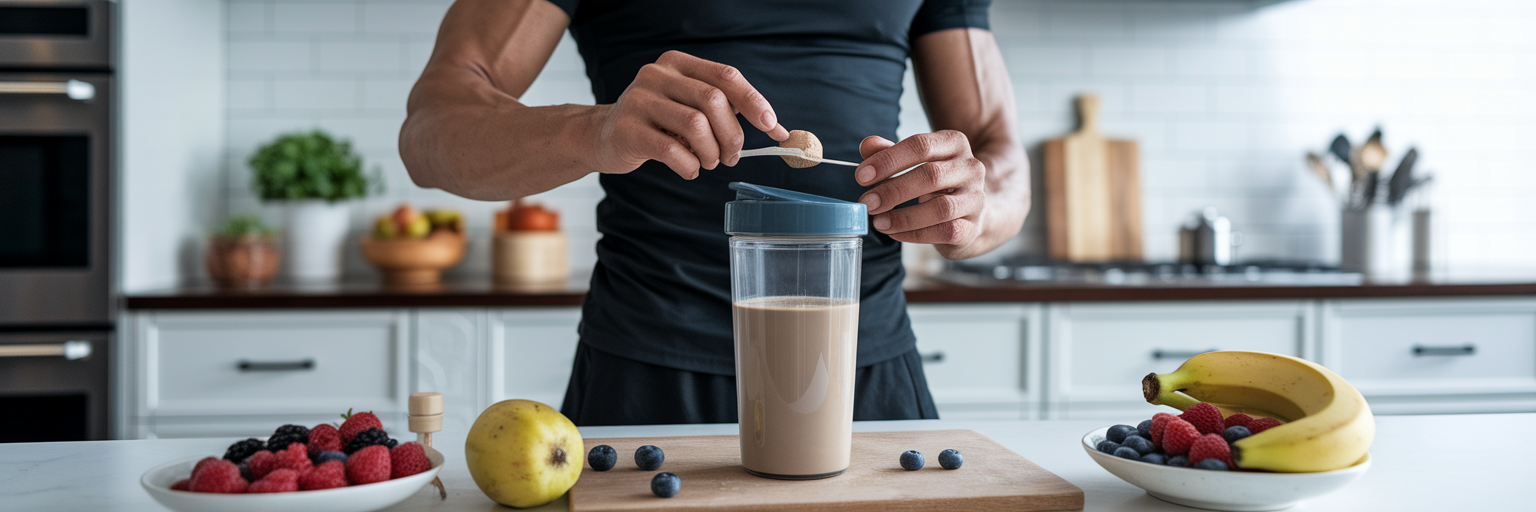
Un batido post-entrenamiento es un clásico por una razón: es rápido, práctico y ayuda a impulsar la recuperación muscular. Pero no te limites a un simple batido. Lo mejor de una fórmula suave y sin cal es su versatilidad. Puedes incorporarlo fácilmente a tus comidas y refrigerios favoritos.
A continuación se ofrecen algunas ideas sencillas para comenzar:
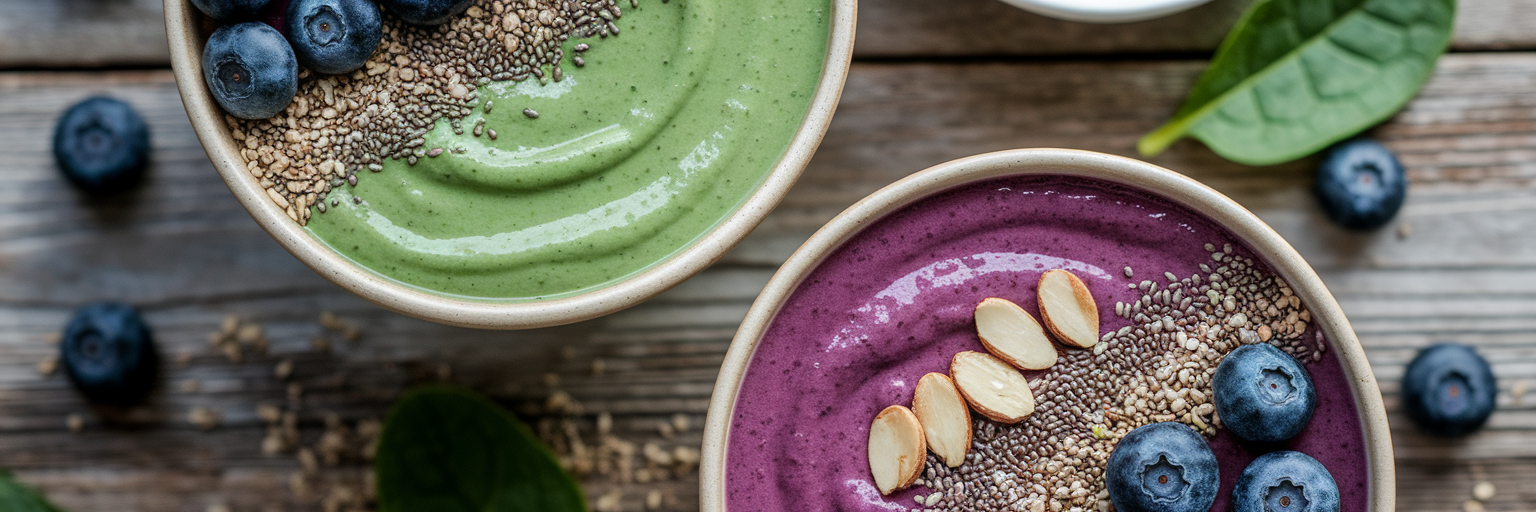
- Mezcle una cucharada de proteína en polvo sin sabor o con sabor a vainilla en su avena matutina o en un tazón de yogur vegetal.
- Agréguelo a la masa de sus panqueques o waffles para obtener un desayuno delicioso y rico en proteínas que lo mantendrá satisfecho hasta el almuerzo.
- Mézclalo con bolitas energéticas sin horno con avena, mantequilla de nueces y un toque de jarabe de arce para una merienda perfecta.
La constancia es lo que realmente importa. Busca maneras de incluir proteínas que realmente te gusten. Para más inspiración, consulta estas3 recetas veganas fáciles de proteína que seguro te encantarán. Nuestro blog también está lleno de consejos y recetas para ayudarte en tu camino hacia el bienestar.
Construyendo un yo más fuerte y ágil
Tu camino hacia la pérdida de peso no tiene por qué ir en detrimento de tu fuerza. Al priorizar la proteína, puedes perder grasa eficazmente y, al mismo tiempo, conservar la masa muscular magra que mantiene tu metabolismo activo y tu cuerpo fuerte. Tienes el poder de remodelar tu composición corporal para obtener resultados que no solo te harán lucir bien, sino que te harán sentir aún mejor.
Recuerda, una cantidad adecuada de proteína es tu mejor defensa contra la pérdida muscular, y una proteína vegana de alta calidad es una herramienta limpia, deliciosa y sostenible para ayudarte a alcanzar tus objetivos. Tú puedes.
Si este artículo te ha sido útil, ¡compártelo con un amigo! ¿Listo para impulsar tus objetivos de fitness de forma limpia y a base de plantas? Explora nuestra gama completa de proteínas y suplementos veganos .