
Embracing a New Chapter with Strength
Each year, over a million women in the United States enter menopause, a biological transition that reshapes the body’s nutritional needs. It’s easy to focus on the challenges, but what if we viewed this stage as a new chapter—one where nutrition becomes our most powerful tool for wellness? The conversation around protein often centers on athletes and muscle building, yet it becomes a true cornerstone for women navigating this phase of life.
As your body changes, you might notice shifts in energy, mood, and body composition. These are not random occurrences but direct signals that your internal needs are evolving. This is where targeted nutrition comes in. Understanding how plant based protein hormonal balance can be achieved is key to managing menopause symptoms naturally. It’s about more than just getting through it; it’s about empowering yourself to feel strong, vibrant, and in control.
The Connection Between Hormones and Your Health

To understand why nutrition is so important during menopause, we have to look at the hormonal shifts happening behind the scenes. The primary change is a decline in estrogen. We often think of estrogen as just a reproductive hormone, but it’s also a master regulator of your metabolism, muscle health, and bone density. When its levels drop, the effects ripple throughout the body.
This decline can accelerate age-related muscle loss, a condition known as sarcopenia. It also makes bones more vulnerable and can slow down your metabolism, making weight management feel like an uphill battle. A 2024 narrative review published in the journal Nutrients confirmed that these changes directly increase the risk of frailty in post-menopausal women. These biological shifts are what you feel day-to-day. For instance, unstable blood sugar can make hot flashes feel more intense, while losing muscle mass contributes to that persistent feeling of fatigue. This is precisely how to prevent muscle loss in menopause becomes a non-negotiable priority for long-term health.
Why Protein Becomes a Daily Priority
With the knowledge of these hormonal shifts, the next question is clear: what can we do about it? The most direct and effective answer lies in prioritizing protein. During menopause, protein isn't just for building muscle; it’s for supporting your entire body as it adapts. Its benefits are comprehensive and directly address the challenges you may be facing.
Here’s how a higher protein intake helps:
- Preserving Lean Muscle: Adequate protein directly counteracts sarcopenia. By providing the amino acids your body needs for muscle repair and maintenance, it helps you hold onto strength and keep your metabolism active.
- Supporting Bone Health: Your bones are living tissues made of a protein matrix. With estrogen no longer offering its protective effects, giving your body the building blocks it needs to maintain bone density is essential.
- Enhancing Satiety: We’ve all felt those afternoon cravings. Protein helps you feel fuller for longer, which is a huge asset for weight management and reducing the urge to snack on less nutritious options.
- Stabilizing Blood Sugar: A steady supply of protein helps prevent the sharp spikes and crashes in blood sugar that can tank your energy and mood. This leads to more stable energy levels throughout the day.
So, how much is enough? While standard recommendations are often too low, many dietitians now suggest that the ideal protein for women over 50 is between 1.0 to 1.2 grams per kilogram of body weight daily. As noted by sources like EatingWell, this increased intake is vital. Research from Harvard Health also reinforces the importance of sufficient protein to combat muscle loss in older adults. To learn more about what to look for, we've shared insights on some of the best protein powders available.
The Unique Advantages of Plant-Based Protein

Meeting these higher protein needs can feel challenging, which is why exploring vegan protein for menopause is such a smart strategy. High-quality plant protein blends are just as effective for muscle synthesis as their animal-based counterparts. The key is finding a "complete protein," which simply means it contains all nine essential amino acids. Modern vegan proteins achieve this by blending complementary sources like pea, hemp, and rice protein.
But the benefits don't stop there. Plant-based proteins come with bonus nutrients that are especially helpful during menopause. Hemp protein, for example, is rich in fiber and omega-3 fatty acids, which support heart health and help manage inflammation. Many women also find plant proteins much easier to digest. We’ve all heard stories or experienced the bloating and discomfort that can come with dairy-based whey. A clean, hypoallergenic vegan protein often feels gentler on the system, aligning perfectly with a desire for clean, effective nutrition. You can explore some of our clean formulas to see the difference for yourself.
| Factor | Plant-Based Protein (e.g., Pea/Hemp Blends) | Dairy-Based Protein (Whey) |
|---|---|---|
| Digestibility | Often easier to digest, less bloating | Can cause bloating and discomfort for those with lactose sensitivity |
| Allergen Profile | Hypoallergenic (free from dairy, soy, gluten) | Contains lactose, a common allergen |
| Added Nutrients | Rich in fiber, antioxidants, and phytonutrients | Primarily protein; lacks fiber |
| Hormonal Support | Contains phytoestrogens (in some sources like soy) and anti-inflammatory compounds | May contain trace hormones from dairy sources |
| Sustainability | Lower environmental footprint | Higher resource use and carbon emissions |
Note: This table compares general characteristics. Individual reactions can vary, but plant-based proteins often offer a gentler, more nutrient-dense option for women navigating menopause.
A Balanced Look at Soy and Phytoestrogens
When discussing plant proteins, the topic of soy and phytoestrogens often comes up, and it’s surrounded by a lot of confusion. Let’s clear the air. Phytoestrogens are natural compounds found in plants, like soy, that have a chemical structure similar to estrogen and can produce a very mild estrogen-like effect in the body.
On one hand, some research suggests this could be beneficial. The British Nutrition Foundation notes that soy isoflavones may help ease vasomotor symptoms like hot flashes for some women. However, it’s important to maintain a balanced perspective. The National Center for Complementary and Integrative Health (NCCIH) cautions that the evidence is still limited and inconsistent. Our conviction is that transparency matters. While soy can be part of a healthy diet, relying on a variety of plant protein sources—like pea, hemp, and rice—is a more reliable and evidence-backed strategy for overall wellness during menopause.
Simple Ways to Integrate More Protein Daily
Knowing you need more protein is one thing; actually getting it is another. The good news is that it doesn’t have to be complicated. A high-quality vegan protein powder can be one of the best supplements for menopause fatigue because it’s so easy to incorporate into your existing routine.
Here are a few simple ideas to get you started:
- Boost Your Morning Smoothie: Blend a scoop of vegan protein powder with spinach, berries, and almond milk for a nutrient-dense breakfast that keeps you full for hours.
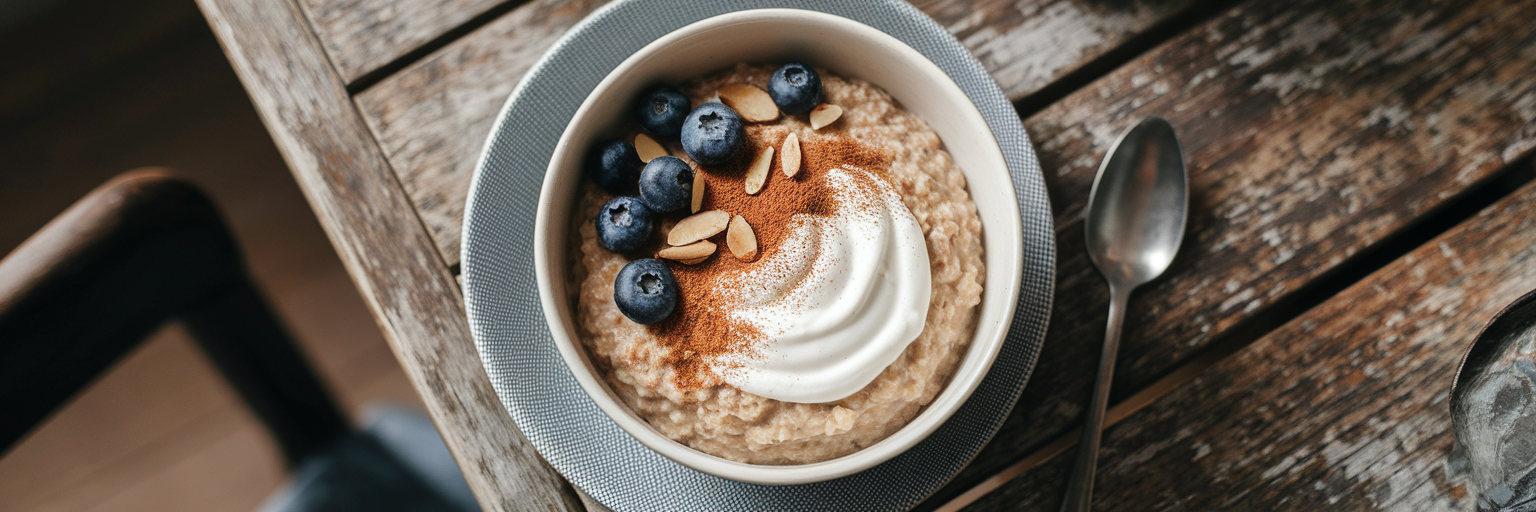
- Upgrade Your Oatmeal: Stir a scoop into your morning bowl of oatmeal or plant-based yogurt to instantly increase its protein content without changing your habits.
- Refuel After a Workout: Prepare a quick shake post-exercise to give your muscles the amino acids they need for repair and recovery.
- Power Up Your Pancakes: Mix unflavored or vanilla protein powder into your pancake or waffle batter for a weekend breakfast that supports your goals.
For a delicious and effective option, try blending one scoop of our Beyond Good Foods Chocolate Vegan Protein with spinach, half a banana, and a spoonful of almond butter. It’s a simple way to make your health a priority. For more inspiration, check out these three easy vegan protein recipes you’ll actually crave.
A Holistic Path to Menopause Wellness
Menopause is a journey of transformation, and your body’s nutritional needs change right along with it. Meeting your increased protein requirements is fundamental for maintaining muscle, protecting your bones, and supporting a healthy metabolism. High-quality, clean vegan protein powders offer a convenient and effective way to help you thrive during this new chapter.
Think of this focus on nutrition not as a chore, but as a profound act of self-care. By giving your body what it needs, you are empowering yourself to embrace this stage of life with strength, confidence, and vitality. To continue learning, we invite you to explore more insights on our blog.