

The Unseen Challenge of Aging Muscles
Many of us think of muscle loss as something that happens far down the road, in our senior years. The reality is a bit different. The process quietly begins much earlier, often in our 30s. This natural, age-related loss of muscle mass and strength has a name: sarcopenia. According to researchers at UCLA Health, this process can cause muscle mass to decline by roughly 3 to 5% each decade after age 30.
This isn't just about how we look in the mirror. Sarcopenia directly impacts our quality of life. It can mean struggling to carry a bag of groceries, feeling unsteady on your feet, or not having the energy to keep up with your grandkids. It’s a gradual loss of strength that can lead to a higher risk of falls and a slow erosion of independence. At its core, the issue is a shift in our body's balance. Muscle is our primary protein reserve, and as we age, the rate of muscle protein breakdown can start to outpace muscle protein synthesis.
Thinking about preventing age related muscle loss can feel daunting, but here’s the good news: while the process is natural, its progression is not inevitable. Understanding how to stop sarcopenia starts with recognizing the challenge. With the right strategies, you can actively protect your strength and vitality for years to come.
Your Body's New Protein Requirements

As our bodies change with age, so do our nutritional needs. The standard protein recommendation of 0.8 grams per kilogram of body weight is often not enough to combat age-related muscle decline. To address this, research consensus now suggests that older adults consume 1.0 to 1.2 grams of protein per kilogram of body weight daily. As noted in guidance from the Administration for Community Living, this significant increase is a key part of maintaining muscle.
What does that look like in practice? For a 150-pound (68 kg) person, this means aiming for 68 to 82 grams of protein each day. But it’s not just about the total amount. How you consume that protein matters just as much. Your body can't store protein for later use, so spreading your intake throughout the day is essential for stimulating muscle protein synthesis. Experts recommend aiming for at least 30 grams of protein at each main meal.
This updated protein intake for seniors is a target that many unfortunately miss, which can accelerate muscle loss. Hitting these numbers consistently gives your body the resources it needs to repair and build. Below is a simple example of how you can structure your day to meet an 80-gram protein goal.
Sample Daily Meal Plan to Reach an 80g Protein Target
| Meal | Example Food | Estimated Protein (grams) |
|---|---|---|
| Breakfast | Oatmeal with 1 scoop vegan protein powder & nuts | ~30g |
| Lunch | Large lentil and quinoa salad with seeds | ~25g |
| Dinner | Stir-fry with 1 block of firm tofu & vegetables | ~25g |
| Total | ~80g |
This table illustrates how an 80-gram daily protein goal can be achieved by distributing intake across three main meals, aligning with the recommendation to consume around 30g per meal for optimal muscle synthesis.
Can Plant-Based Protein Meet the Demand?
A common question we hear is whether vegan protein for older adults is as effective as animal-based options like whey. It’s a fair question. While some studies show whey protein is naturally high in leucine—the amino acid that acts as a primary trigger for muscle growth—high-quality plant proteins are proven to be highly effective for muscle maintenance. As studies published in the National Center for Biotechnology Information show, soy isolates and other fortified plant proteins still produce a strong anabolic response.
The key is a "complete" amino acid profile. This means the protein source contains all nine essential amino acids your body can't produce on its own. In the past, single-source plant proteins sometimes fell short. Today, however, the best plant based protein for seniors is created with smart blends, like combining pea and rice protein. This combination creates a robust and complete amino acid profile that rivals its dairy-based counterparts.
These thoughtful formulations are what separate the best protein powders on the market from the rest. They ensure you get a potent dose of leucine and other essential amino acids needed to stimulate muscle repair and growth. Even U.S. federal nutrition guidance explicitly lists plant-based proteins as excellent options for helping older adults meet their goals. So, you can feel confident that a well-formulated vegan protein powder is a powerful tool in your wellness arsenal.
Integrating Vegan Protein Into Your Daily Life
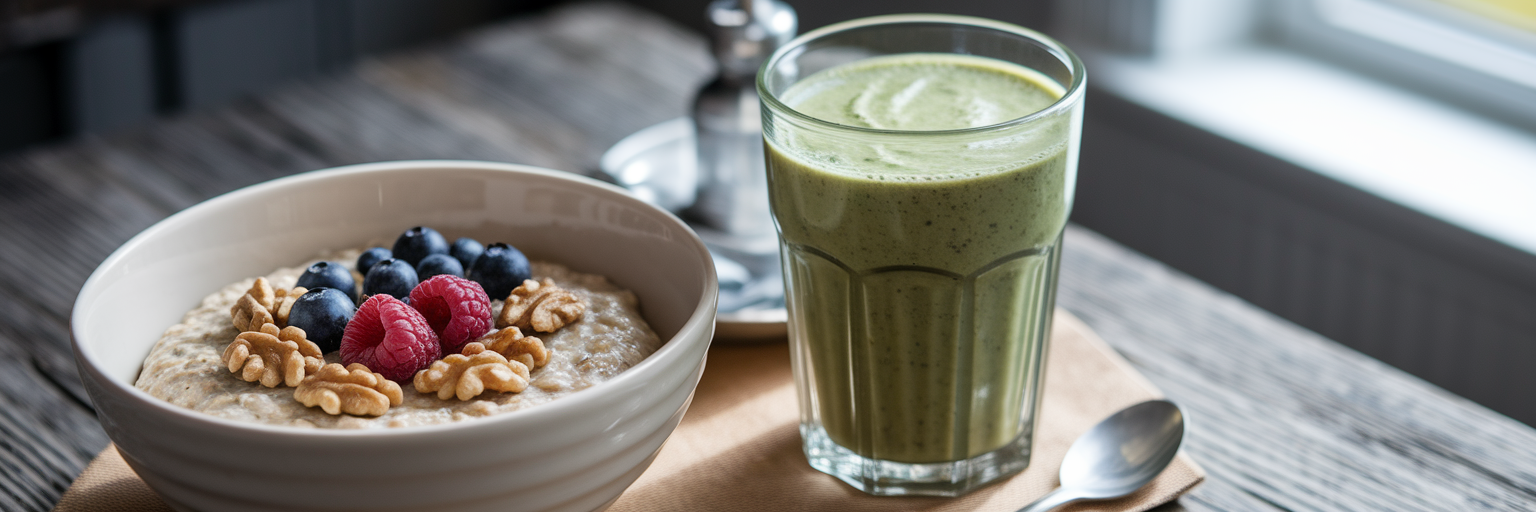
Knowing you need more protein is one thing; actually getting it is another. The good news is that it’s easier than you might think. A high-quality vegan protein powder can be your best friend, offering a convenient and delicious way to hit your daily targets without a complete diet overhaul. The goal is to make it a seamless part of your routine.
Here are a few simple ways to add a 25-gram scoop of protein to your day:
- Boost Your Breakfast: This is the easiest win. Stir a scoop into your morning oatmeal, blend it into a smoothie, or mix it with plant-based yogurt. You’ll start your day having already met a third of your protein goal.
- Upgrade Your Lunch: Unflavored protein powders are incredibly versatile. You can blend a scoop into creamy soups like tomato or butternut squash, or even mix it into homemade pasta sauces to make your meal more satisfying.
- Smarter Baking: Who says treats can't be supportive? Add protein powder to pancake, waffle, or muffin batter. It’s a simple swap that adds significant nutritional value.
We’ve all had a chalky, gritty protein shake before, and nobody wants to repeat that experience. Modern vegan proteins are designed for a smooth texture, making them an enjoyable addition to your diet. If you need some inspiration, check out these 3 easy vegan protein recipes you'll actually crave. Ready to find the perfect fit for your routine? You can explore our full range of clean, plant-based nutrition products to get started.
The Power Duo for Lasting Strength
While nutrition is fundamental, it’s only one half of the equation for maintaining strength as you age. The other essential component is resistance exercise. Think of it this way: if protein provides the bricks, resistance training is the construction crew that tells your body where to build and repair muscle. Without the signal from exercise, that extra protein won't be used as effectively.
This doesn't mean you need to become a bodybuilder. Gentle, consistent resistance training is incredibly effective. Activities like using resistance bands, lifting light weights, or performing bodyweight exercises such as wall push-ups and chair squats two to three times per week are perfect. This powerful combination is backed by leading health organizations, with the European Society for Clinical Nutrition and Metabolism (ESPEN) stating that both adequate protein and regular resistance exercise are required for optimal muscle function in aging.
Combining these two elements creates a powerful strategy for lifelong strength. Here is your complete action plan:
- Know Your Number: Calculate your personal protein goal (aiming for 1.0–1.2 grams per kilogram of your body weight).
- Fuel Your Body: Consistently meet that goal by integrating a high-quality vegan protein into your daily meals to maximize the benefits of protein for aging.
- Send the Signal: Engage in resistance training 2–3 times per week to stimulate muscle growth and repair.
This combination of nutrition and exercise is a cornerstone of lifelong wellness. By adopting this dual approach, you are taking the most effective steps toward fighting sarcopenia and living a vibrant, active life. For more tips on building a strong and healthy lifestyle, feel free to explore our blog.