

Why Some Protein Powders Cause Digestive Issues
We’ve all been there: you finish a great workout, mix up a protein shake, and an hour later, your stomach feels like a balloon. It’s a frustrating experience that can make you question if protein supplements are even worth it. The good news is, it’s often not the protein itself causing the problem. In fact, according to the National Institute of Diabetes and Digestive and Kidney Diseases (NIDDK), a large portion of the US population has trouble digesting lactose, which is a primary component of whey and casein proteins. This is a big reason why so many people are turning to plant-based options.
The Common Culprits Behind Digestive Discomfort
When looking for a vegan protein for sensitive stomach, it's important to know what to avoid in protein powder. Many companies add ingredients to improve texture or sweetness, but these are frequently the source of digestive trouble. Thickeners like xanthan and guar gum can ferment in your gut, leading to gas and bloating. Sugar alcohols, such as sorbitol and maltitol, are another common issue. They are used as low-calorie sweeteners but can draw water into the colon and cause significant discomfort.
| Ingredient | Why It's Used | Potential Digestive Issue |
|---|---|---|
| Gums (Xanthan, Guar) | To create a smooth, thick texture | Can ferment in the gut, causing gas and bloating |
| Sugar Alcohols (Sorbitol, Maltitol) | As a low-calorie sweetener | Draws water into the colon, leading to discomfort |
| Lactose (in dairy proteins) | Naturally present in whey/casein | Causes bloating, gas, and cramps in intolerant individuals |
| Artificial Fillers & Emulsifiers | To bulk up the product and improve mixability | Can irritate the gut lining and disrupt the microbiome |
The Plant-Based Advantage for Sensitive Stomachs
Plant-based proteins naturally sidestep the lactose issue, but not all are created equal. The key is to look for clean formulas that skip the irritating additives. This is where the difference between protein concentrates and isolates becomes important.
Protein Isolates vs. Concentrates: What's the Difference?
Protein concentrates contain protein, but also some of the plant’s original fats and carbohydrates. Protein isolates, on the other hand, go through an extra filtering process to remove most of those fats and carbs. This leaves a purer, more concentrated protein that is generally easier for the body to digest, making it a superior choice for anyone with a sensitive system.
Essential Ingredients for a Gut-Friendly Protein
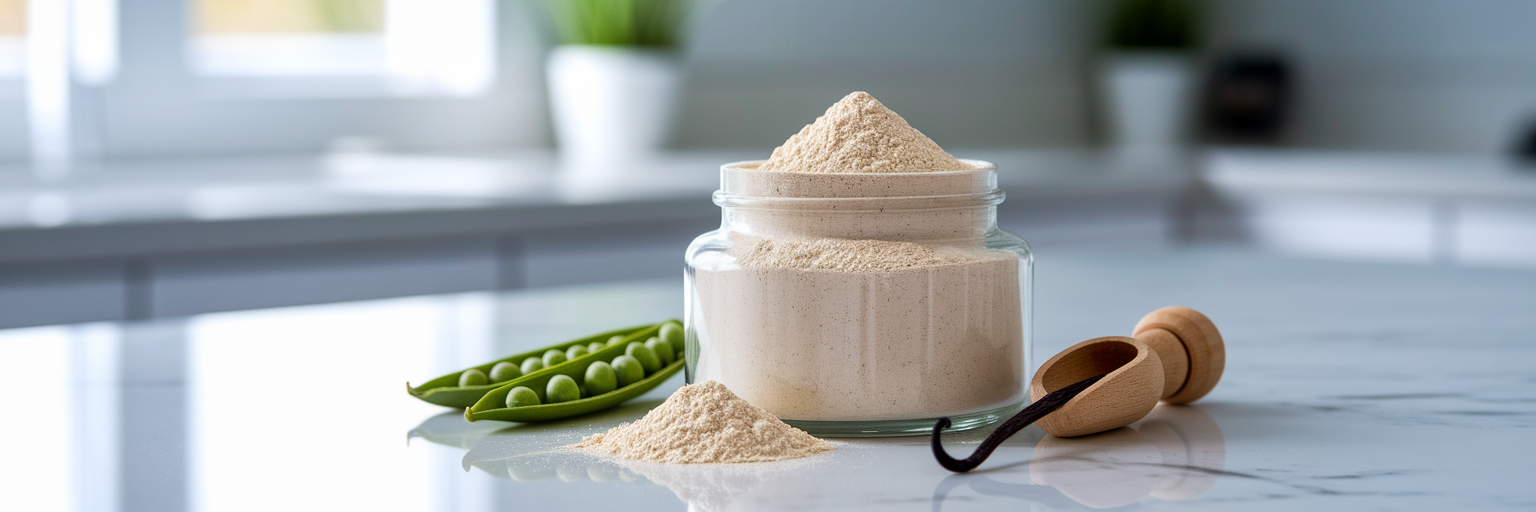
Now that we know what to avoid, let's focus on what to look for. Finding the best gut friendly protein powder isn't just about dodging irritants; it's about choosing ingredients that actively support your digestive wellness. As experts from the Cleveland Clinic suggest, reading the ingredient label carefully is crucial for finding a product that suits your needs.
The Foundation: Clean Protein Sources
The foundation of any great vegan protein powder is its protein source. Hypoallergenic options like pea and brown rice protein isolates are excellent choices. They provide a complete amino acid profile without the common allergens found in soy or the digestive issues associated with dairy. When you see "pea protein isolate" on a label, you know you're getting a highly purified product designed for easy absorption.
The Helpers: Digestive Enzymes
Think of digestive enzymes as your gut’s personal assistants. They help break down proteins, fats, and carbohydrates into smaller, more absorbable nutrients. When a protein powder includes enzymes like amylase, protease, and lipase, it’s essentially doing some of the digestive work for you. This ensures you get the full nutritional benefit of the protein without overwhelming your system.
The Balancers: Probiotics for Gut Health
While enzymes help with immediate digestion, probiotics work to support your long-term gut health. These beneficial bacteria help maintain a balanced microbiome, which is essential for everything from nutrient absorption to immune function. A powder fortified with a stable, clinically studied probiotic strain goes beyond just being easy to digest; it actively contributes to a healthier gut environment over time. Understanding these ingredients is the first step, but if you want to compare more options, you can explore some of the best protein powders we've reviewed.
Top 5 Features of a Superior Vegan Protein Powder
With all this information, how do you choose the right product? Here is a simple buyer's checklist to help you find an easy to digest protein powder that truly works for you. These are the non-negotiable features that separate a standard powder from a superior one.
- Feature 1: A Gum-Free and Filler-Free Formula. Premium powders skip thickeners like xanthan gum. This might mean your shake is a bit thinner than you're used to, but that’s a great sign. It shows the formula is clean, pure, and won't cause the bloating associated with gummy additives.
- Feature 2: Fortified with Digestive Enzymes. This feature moves a product from merely "tolerable" to actively "supportive." Enzymes ensure the protein is broken down efficiently, so your body can absorb and use it for muscle recovery without digestive strain.
- Feature 3: Contains Clinically Studied Probiotics. A powder that includes probiotics is an investment in your long-term gut health. Research published in journals like Nutrients has shown that specific probiotic strains can significantly improve digestive comfort. This is a key feature that helps build a resilient gut.
- Feature 4: Made from High-Purity Protein Isolate. Always check the label for "pea protein isolate" or "brown rice protein isolate." This indicates a higher protein concentration with fewer of the starches and fibers that can be difficult to digest, making it ideal for sensitive stomachs.
- Feature 5: Free from Artificial Sweeteners and Sugar Alcohols. Look for powders that avoid sucralose, aspartame, and sugar alcohols like sorbitol or erythritol. Instead, opt for natural, zero-calorie sweeteners like monk fruit or stevia extract, which provide a clean taste without the digestive backlash. Our Beyond Good Foods vegan protein is crafted with this principle at its core. If you're looking for a powder that checks all these boxes, you can explore our collection of clean, plant-based proteins.
How to Safely Transition to a New Protein Powder

Even with the perfect powder, your body may need a moment to adjust. For anyone with a sensitive system, introducing a new supplement should be a gradual process. This simple method is the best way to ensure a plant protein without bloating experience.
The 'Start Low and Go Slow' Method
Don't start with a full serving on day one. Instead, begin with a half-scoop mixed with water. Water is the most neutral liquid, so it allows you to see how your body reacts to the powder itself without any other variables. Stick with this half-serving for a few days. If you feel great, you can gradually increase to a full serving.
Keep a Simple Symptom Diary
This doesn't need to be complicated. Just jot down a few notes on your phone or in a notebook each day. How did you feel after your shake? Any bloating or discomfort? This simple practice empowers you with self-awareness and helps you confirm that the new powder is the right fit for you. If you have more questions about our ingredients or how to start, check out our FAQ page for quick answers.
Easy Ways to Enjoy Your Digestive-Friendly Protein
Once you've found your perfect protein, it's time to make it a delicious part of your routine. A gut-friendly powder is incredibly versatile and can be enjoyed in many ways beyond a simple shake.
- Mix with Gentle Liquids: Stick to water, unsweetened almond milk, or oat milk. These are low in sugar and free from common irritants, keeping your shake easy on the stomach.
- Add Low-FODMAP Boosters: For a nutrient-packed smoothie that won't cause bloat, blend your powder with a handful of spinach, a few strawberries or blueberries, and a tablespoon of chia seeds. For more delicious and gut-friendly ideas, check out these 3 easy vegan protein recipes you'll actually crave.
- Time It Right: For best results, enjoy your protein shake within 30-60 minutes after a workout for muscle recovery. You can also have it as a standalone snack between meals to curb cravings without overloading your digestive system.
Finding a protein powder that supports your fitness goals without upsetting your stomach is entirely possible. It all comes down to choosing clean ingredients and listening to your body. Ready to try a delicious, bloat-free protein? Our Chocolate Vegan Protein is crafted with all these principles in mind. If this article helped you, feel free to share it with a friend who might be on the same journey!