

Unlocking Your Plant-Powered Potential
As a vegan CrossFit athlete, you already know a thing or two about dedication. Your commitment to a plant-based lifestyle isn't a limitation; it's a conscious choice that fuels your body with clean, intentional nutrition. We see the hard work you put in during every WOD, from the first pull-up to the final burpee.
But what if you could give your performance an extra edge? While your diet provides incredible power, maximizing strength for those high-intensity workouts sometimes calls for a strategic addition. This is where creatine monohydrate comes in. It’s one of the most researched and effective plant based athletic supplements available, and yes, it’s completely vegan-friendly.
Think of it as a tool to complement the foundation you’ve already built. This guide is here to show you how to use it to hit new personal records and build serious strength, all without compromising your values. Let's get started.
The Science of Creatine for High-Intensity Performance
So, what exactly does creatine do? Imagine it as the high-octane fuel for your muscles during short, explosive movements. When you’re powering through a set of cleans, snatches, or box jumps, your body uses a molecule called ATP for energy. Creatine helps your body regenerate ATP much faster, allowing you to push out those extra reps or lift a little heavier.
This is where it gets particularly interesting for plant-based athletes. Since creatine is naturally found in meat and fish, those who follow a vegan or vegetarian diet tend to have lower baseline stores in their muscles. In fact, a systematic review published in PubMed Central highlights that creatine supplementation can be especially effective for vegetarian athletes. This means you might notice an even more significant improvement in your output.
For you, this translates directly to better creatine for CrossFit performance. It can mean the difference between finishing a WOD as prescribed or scaling back. It’s not about a shortcut; it’s about giving your muscles the immediate energy source they need to perform at their peak. Understanding the full spectrum of creatine benefits we've detailed can help you tailor your supplementation strategy for your specific goals.
Choosing a Clean and Effective Creatine
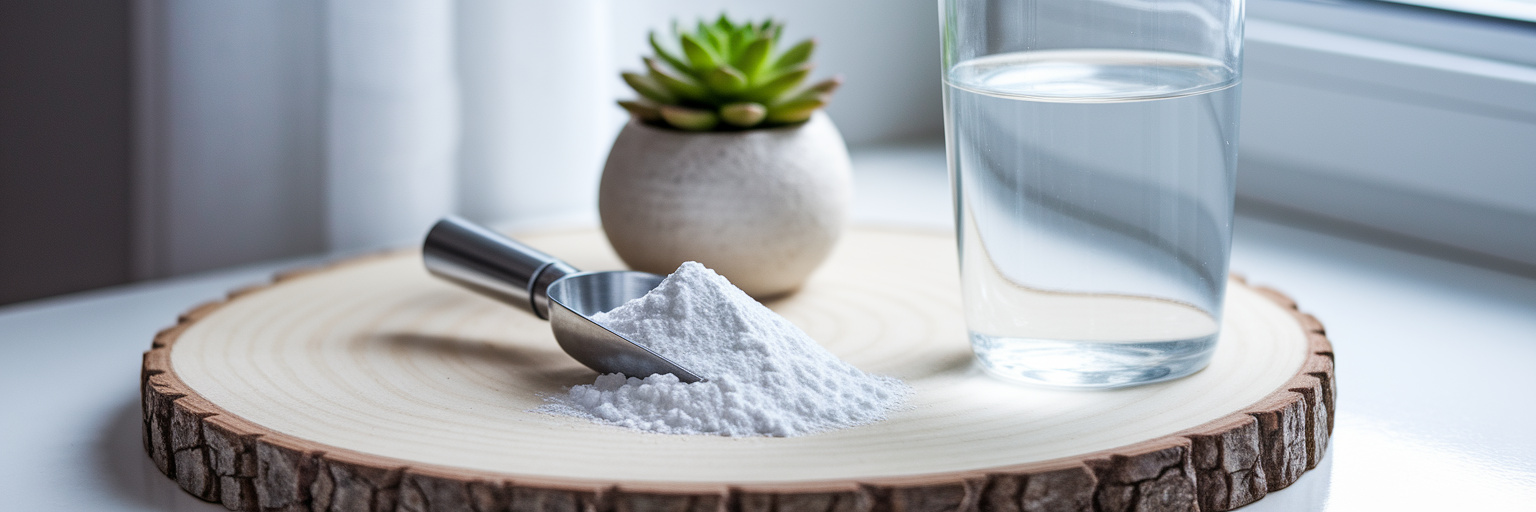
Let's clear up a common misunderstanding right away: creatine is not an animal product. High-quality creatine monohydrate is synthesized in a lab, making it 100% vegan. The real question isn't whether it's plant-based, but whether it's pure.
As someone who prioritizes clean eating, you should look for a product with no fillers, sugars, or artificial additives. Your supplements should align with your nutritional philosophy. Many products on the market contain unnecessary ingredients that don't contribute to your performance. A simple, pure powder is always your best bet.
Here’s a practical tip: always check the delivery method. Some creatine products come in capsules, which can be made from gelatin, an animal byproduct. To be safe, always opt for products that specify veggie caps or, even better, stick with a pure powder form that you can mix into water or a shake. Finding a trusted source is key, which is why choosing one of our pure creatine monohydrate options is a great place to start. This ensures you’re getting effective vegan creatine for athletes without any unwanted extras.
Your Dosing and Timing Strategy for Optimal Results
Now for the practical part: how to take creatine monohydrate for the best results. There are two common, effective methods you can follow. The choice really comes down to your personal preference and how quickly you want to see the effects. Both paths lead to the same destination of fully saturated muscles.
The Loading Phase: For Faster Saturation
If you’re looking for the quickest possible performance benefits, you might consider a loading phase. This involves taking 20 grams per day for 5–7 days, typically split into four 5-gram servings. This approach helps saturate your muscles with creatine in about a week. After the loading period, you’ll drop down to a daily maintenance dose.
The Maintenance Dose: Simple and Steady
The simpler, and equally effective, long-term approach is to skip the loading phase and start with a maintenance dose of 3–5 grams per day. It will take a bit longer to fully saturate your muscles—usually around three to four weeks—but it’s easier to manage and can be gentler on your stomach if you have sensitivities. This two-protocol approach is widely recognized, with resources like Invictus Fitness often breaking down the pros and cons of each method.
No matter which protocol you choose, consistency is the most important factor. Take it every day, even on rest days. While you can take it anytime, some studies suggest a slight recovery advantage when taken post-workout. And don’t forget to stay hydrated! Creatine pulls water into your muscles, so drinking plenty of water is essential.
| Protocol | Daily Dosage | Time to Full Saturation | Best For |
|---|---|---|---|
| Loading Phase | 20g (split into 4 doses) for 5-7 days, then 3-5g daily | ~1 week | Athletes seeking the quickest possible performance benefits. |
| Maintenance Dose | 3-5g daily from the start | ~3-4 weeks | Athletes who prefer a simpler routine or have a sensitive stomach. |
This table outlines the two common methods for starting creatine. Both are effective, so the choice depends on personal preference for speed versus simplicity.
Pairing Creatine with Vegan Protein for Maximum Gains

Creatine and protein are the ultimate power couple for muscle growth and recovery. Think of it this way: creatine provides the fuel to do the hard work in your WOD, and protein provides the building blocks to repair and rebuild your muscles afterward. Combining them is one of the most effective vegan muscle recovery tips you can implement.
A post-workout shake is the perfect way to get both. Here’s a simple, effective recipe:
- 1 scoop of a clean, smooth-tasting protein, like our chocolate vegan protein
- 1 serving (3-5g) of pure creatine monohydrate
- 1 banana (for a quick-digesting carb source)
- 12 oz of plant-based milk or water
The banana isn't just for flavor; the simple carbohydrates help create an insulin response that can shuttle the creatine and amino acids from the protein into your muscles more efficiently. For this to work, it’s important to use a high-quality, complete protein that contains all essential amino acids needed for muscle repair. Remember, as wellness experts at Bubs Naturals confirm, creatine monohydrate is synthesized and entirely plant-friendly, making it the perfect partner for your vegan lifestyle. If you want to get creative beyond a simple shake, there are plenty of delicious vegan protein recipes we've developed that you can try.
Tracking Progress and Setting Realistic Expectations
When you first start taking creatine, you might notice the number on the scale go up slightly. Don't worry! This is just intramuscular water retention—a sign that the creatine is working and pulling water into your muscle cells. This actually helps your muscles look fuller and more defined.
Instead of focusing on the scale, track the metrics that truly matter in CrossFit. Are you hitting a new 1-rep max on your back squat? Can you squeeze in more reps during an AMRAP? Is your time on a benchmark WOD like "Fran" or "Murph" improving? These are the real indicators of progress.
Remember, creatine is an amplifier of your hard work, not a replacement for it. It gives you the capacity to push harder and recover better, but you still have to put in the effort. Stay consistent with your training, nutrition, and supplementation, and you’ll see the results. Ready to fuel your next PR? Explore our full collection of clean, plant-based supplements designed for athletes like you.