

Reinventing Pizza Night for Your Fitness Goals
We all know that feeling. It’s Friday night, and the craving for a warm, cheesy pizza hits hard. But for many health-conscious Americans, that beloved comfort food often feels like a "cheat meal" that works against our fitness goals. What if you could turn that pizza from a guilty pleasure into a powerhouse meal that actually supports your body?
This is where the high-protein vegan pizza comes in. Forget the idea that it’s a lesser version of the original. This is a delicious upgrade. By adding protein directly into the crust, you create a balanced meal that helps with muscle maintenance and keeps you feeling full and satisfied for hours. It transforms a typically carb-heavy dish into something far more nutritionally complete.
More and more, people are looking for smart ways to enhance their favorite foods instead of eliminating them. This recipe does exactly that, using a high-quality vegan protein powder to create a healthy plant based pizza crust that tastes incredible and aligns with your wellness journey. If you're looking for more ways to make your meals work for you, you can find plenty of inspiration among the recipes we've shared on our blog.
Choosing the Right Protein Powder for Baking
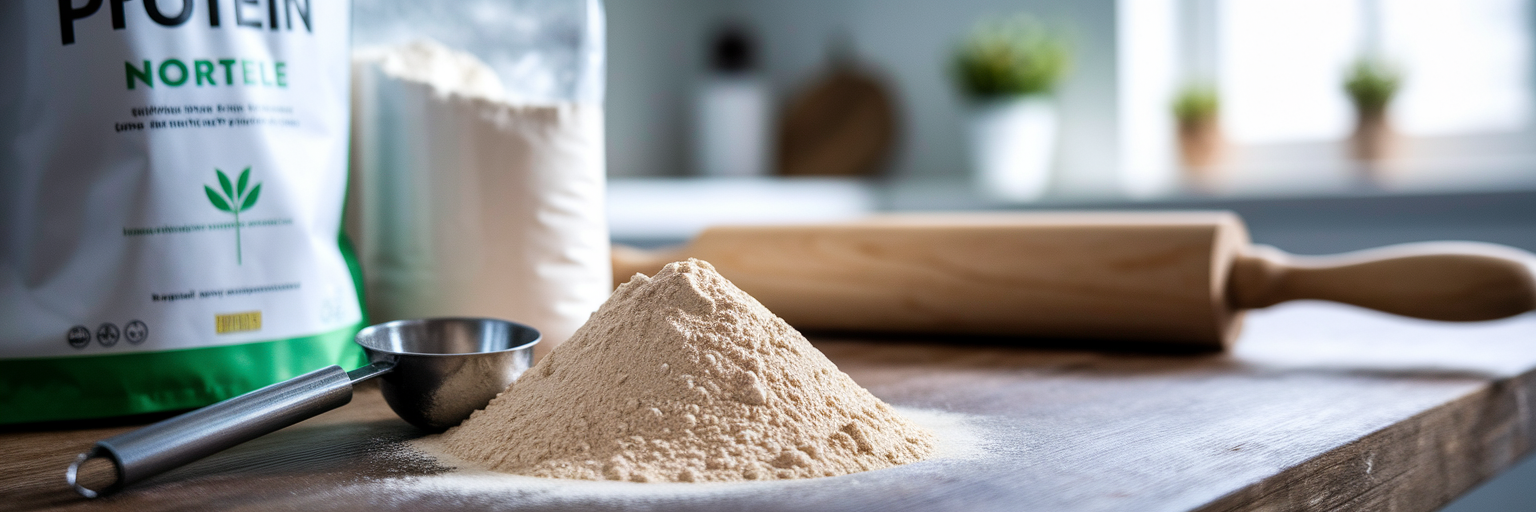
Making a great protein pizza crust starts with one critical decision: selecting the right protein powder. Get this wrong, and your pizza night could take a strange turn. The most important rule is to use an unflavored vegan protein powder. Imagine a savory marinara sauce clashing with a vanilla or chocolate-flavored crust. It’s a flavor combination no one asked for. The goal here is to boost the protein content without altering the classic pizza taste you love.
Now, let's talk texture. Many people worry that plant-based proteins will make the dough gritty or chalky. That concern is valid, but it’s easily avoided with a high-quality powder. A finely milled blend, like those made from pea and rice protein, mixes seamlessly into flour, creating a smooth finish. While the idea of adding protein to crusts isn't new—The Organic Whey shared a gluten-free whey protein crust recipe back in 2015—modern vegan formulas have perfected the texture.
For this high protein vegan pizza recipe, you’ll want to look for a protein isolate. What’s the difference between an isolate and a concentrate? Think of an isolate as the purer form. It has been processed to remove most of the fats and carbs, leaving behind a higher percentage of protein. This makes it the ideal choice for baking, as it adds maximum nutritional value with minimal interference in the dough's structure. For a crust that delivers on both nutrition and taste, you can explore some of our clean, unflavored protein options.
Essential Ingredients for a Perfect Protein Dough
With the right protein powder selected, let's assemble the rest of the team. The foundation of any good pizza is the flour. Using all-purpose or bread flour is key because it provides the gluten needed for that classic, chewy pizza texture we all crave. Without it, the crust would lack its signature bite.
But here’s the secret weapon for this recipe: vital wheat gluten. Think of it as concentrated wheat protein that gives the dough incredible elasticity. Protein powder can make dough dense and crumbly, but as Plantifully Based highlights, vital wheat gluten counteracts this by creating a strong, bread-like structure. It’s the ingredient that ensures your crust is chewy, not tough.
Next, we need to address moisture. Protein powders are incredibly absorbent and will soak up water, which can lead to a dry, difficult dough. The solution is simple: increase the water content slightly and add a touch of olive oil for softness and flavor. A splash of apple cider vinegar also helps activate the baking powder, giving the crust a better rise. Finally, to make sure your crust tastes like authentic pizza and not a health experiment, build a savory flavor profile. Nutritional yeast adds a wonderful cheesy note, while garlic powder, onion powder, and Italian herbs round out the taste. These ingredients are essential for anyone learning how to make protein pizza crust that truly satisfies. For more ideas on making delicious, protein-packed meals, check out these three easy vegan protein recipes.
| Ingredient | Purpose in the Dough | Pro Tip |
|---|---|---|
| All-Purpose or Bread Flour | Provides the main structure and classic pizza chew. | Bread flour has more protein and will yield a slightly chewier crust. |
| Unflavored Vegan Protein Powder | Boosts protein content for satiety and muscle support. | Choose a finely milled isolate to avoid a gritty texture. |
| Vital Wheat Gluten | Adds elasticity and chew, counteracting the density of protein powder. | Don't skip this! It's essential for a bread-like texture. |
| Extra Liquid & Oil | Hydrates the absorbent protein powder and keeps the dough pliable. | Add water slowly until the dough is soft but not sticky. |
| Savory Seasonings | Masks any subtle protein flavor and builds a classic pizza taste. | Nutritional yeast adds a delicious, cheesy flavor. |
This table breaks down why each ingredient is crucial for achieving a dough that is both high in protein and has the authentic texture and flavor of a traditional pizza crust.
Step-by-Step High-Protein Vegan Pizza Crust Recipe
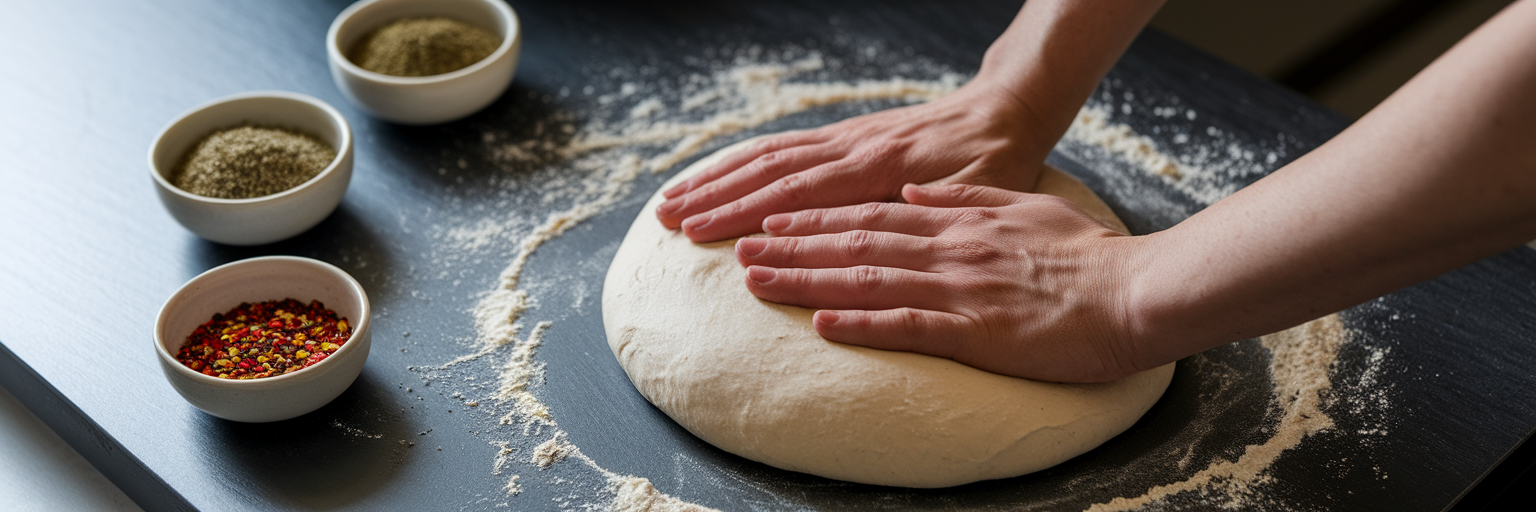
Ready to make it happen? This recipe is straightforward and forgiving. Just follow these steps, and you’ll have a perfect protein-packed crust ready for your favorite toppings. Similar recipes, like a TVP-based crust featured by Protein Deficient Vegan, show just how effective this method is for creating a high-protein meal.
- Combine the Dry Ingredients: In a large bowl, whisk together your flour, unflavored vegan protein powder, vital wheat gluten, baking powder, salt, and seasonings. Mixing everything thoroughly at this stage is important because it prevents clumps of protein or salt in your final dough.
- Mix and Add the Wet Ingredients: In a separate cup or small bowl, mix warm water, olive oil, and apple cider vinegar. Pour this liquid mixture into the dry ingredients and stir with a spatula until a shaggy dough begins to form. If it feels too dry, add more warm water one tablespoon at a time until it comes together.
- Let the Dough Rest: This step is non-negotiable. Cover the bowl and let the dough rest for 5 to 10 minutes. This short break allows the flour and protein to fully absorb the water, which develops a better texture and makes the dough much easier to handle and shape.
- Shape and Pre-Bake the Crust: Preheat your oven to 375°F (190°C). Place the dough on a piece of parchment paper and roll or press it out into your desired pizza shape. Slide the parchment onto a baking sheet and "par-bake" the crust for 10 to 12 minutes. This pre-baking step ensures the crust gets firm and cooks all the way through, preventing a soggy bottom once you add your toppings.
Pro Tips for Baking and Topping Your Pizza
You’ve made the dough, and it looks fantastic. Now for the finishing touches. For baking, a moderate oven temperature between 375-425°F (190-220°C) is perfect. This heat is high enough to cook the toppings and melt vegan cheese but gentle enough to set the proteins in the crust without burning it. The fact that companies like Northern Dough Co. are now selling ready-made high-protein doughs shows this concept is here to stay.
Once your crust is par-baked, it’s time for the fun part: toppings! To complement your healthy plant based pizza crust, think beyond the usual and get creative with protein-rich additions:
- Spicy BBQ jackfruit with red onions and cilantro
- Crumbled spicy tempeh with bell peppers and mushrooms
- Roasted chickpeas and spinach with a drizzle of tahini
- White pizza with vegan ricotta, garlic, and sliced artichoke hearts
We’d love to see what you create! Share a photo of your pizza masterpiece on social media and tag us. There’s nothing more inspiring than seeing our community get creative in the kitchen. For the best results with this vegan protein powder for baking recipe, a high-quality formula makes all the difference. To find the perfect base for your next creation, you can explore our premium vegan proteins and see which one fits your goals.