

Why Your Muscles Ache After a Tough Tennis Match
We’ve all been there. You walk off the court after a long, hard-fought tennis match feeling accomplished, only to wake up the next day with that familiar, deep muscle ache. It’s a feeling that tells you you left it all out there. But what if that soreness is actually a signal that your body is ready to get stronger?
That ache isn’t a setback. It’s the result of the incredible demands tennis places on your body. During a typical match, you’re constantly sprinting, making sharp stops, and executing powerful swings. These explosive movements cause microscopic tears in your muscle fibers and deplete their primary fuel source, glycogen. This process is known as exercise-induced muscle damage, and it’s what leads to that tell-tale inflammation and Delayed-Onset Muscle Soreness (DOMS).
Think of it like renovating a house. You have to tear down the old walls before you can build new, stronger ones. Your muscles work the same way. The soreness is just the first step in the rebuilding process.
How quickly you can get back on the court feeling strong and ready depends entirely on how you refuel. This is where a smart tennis player recovery diet becomes your most essential tool. Providing your body with the right nutrients at the right time is what turns that muscle breakdown into powerful, lasting gains.
The Plant-Powered Advantage for Muscle Repair
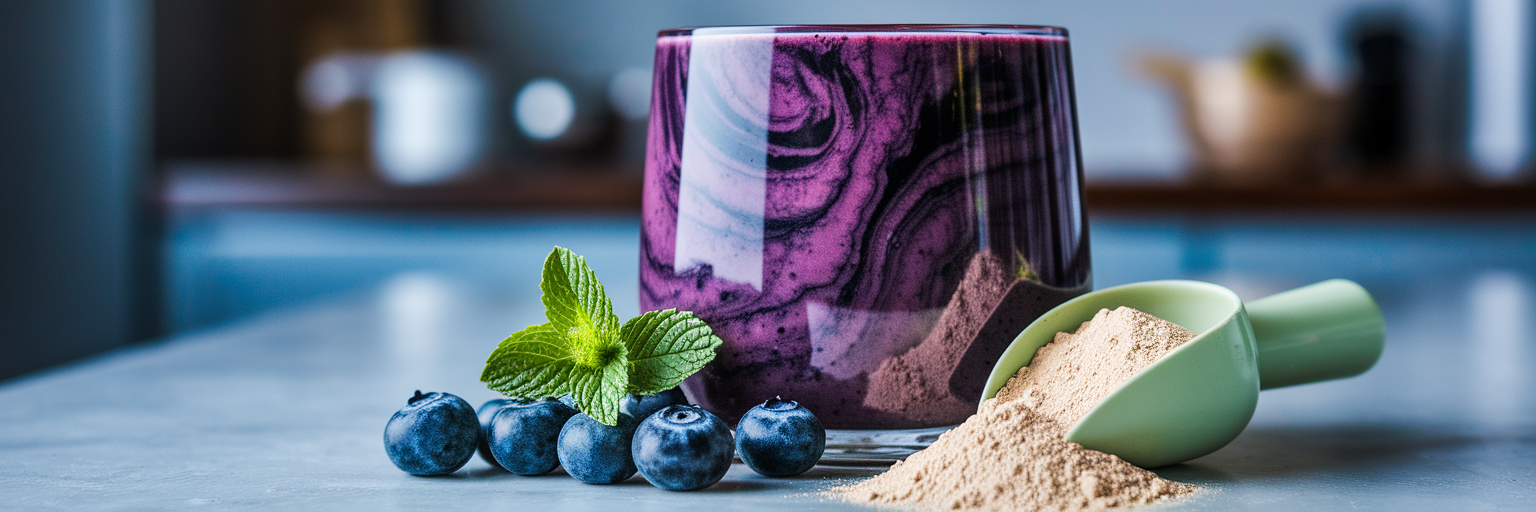
Now that we understand why our muscles ache, let’s talk about the solution. The key to repairing those microscopic tears is a process called Muscle Protein Synthesis (MPS), and it relies on one crucial nutrient: protein. Protein provides the essential amino acids (EAAs) that act as the building blocks for muscle repair and growth.
This is where the unique plant based protein benefits come into play. Vegan protein offers a powerful dual-action advantage for athletes. First, it delivers the high-quality protein your body needs to rebuild muscle tissue. But it also comes packed with a rich supply of antioxidants and anti-inflammatory compounds naturally found in plants. These compounds, like the flavonoids in berries or phytonutrients in leafy greens, help your body manage the oxidative stress and inflammation that come from intense exercise.
You might wonder if plant protein is as effective as other sources. In fact, a 2024 Bayesian meta-analysis of controlled trials published by NCBI found that plant-based protein ingestion can lead to higher Muscle Protein Synthesis rates and modest performance gains in healthy adults. This confirms that a diet rich in vegan protein for athletes is a highly effective strategy for performance and recovery. Furthermore, according to NutritionFacts.org, the antioxidants in plant foods help accelerate strength recovery and muscle repair by combating exercise-induced oxidative stress. Choosing from the best protein powders involves understanding your specific goals, and for tennis players, the combined benefits of plant protein are hard to ignore.
Finding the Right Plant Protein for Your Needs
With a growing market of plant-based options, how do you choose the right one? The most common sources are pea, rice, and soy protein. While each has its strengths, plant-based blends are often the best choice because they combine different sources to create a complete amino acid profile, ensuring your muscles get everything they need.
One amino acid to look for is leucine, which acts as the primary trigger for kicking off Muscle Protein Synthesis. Pea protein is an excellent source of leucine, making it a fantastic base for any recovery blend. When you see a blend of pea and rice protein, for example, it’s designed to provide a full spectrum of amino acids for optimal repair.
Quality and safety are also important. A 2025 Health.com roundup of dietitian-tested powders confirmed that top-ranked products consistently provide 20-24 grams of protein per serving and fall below FDA thresholds for heavy metals. When looking for muscle recovery supplements US brands are held to these high standards. Premium companies focus on creating clean, effective blends that provide a complete amino acid profile and avoid the chalky texture common in other powders. A high-quality chocolate vegan protein can make your recovery shake both effective and delicious, making it something you actually look forward to after a match.
| Protein Source | Key Nutritional Highlight | Best For |
|---|---|---|
| Pea Protein | Rich in leucine and BCAAs | Triggering muscle protein synthesis (MPS) |
| Rice Protein | High in methionine and cysteine | Complementing pea protein for a complete profile |
| Soy Protein | Complete protein with all 9 EAAs | A balanced, all-in-one option |
| Plant-Based Blends | Combines sources for a complete profile | Optimizing muscle repair and overall nutrition |
This table summarizes the primary benefits of common single-source plant proteins. Blends are often formulated to leverage these individual strengths, creating a more robust and effective supplement for athletic recovery.
When to Take Protein for Maximum Recovery
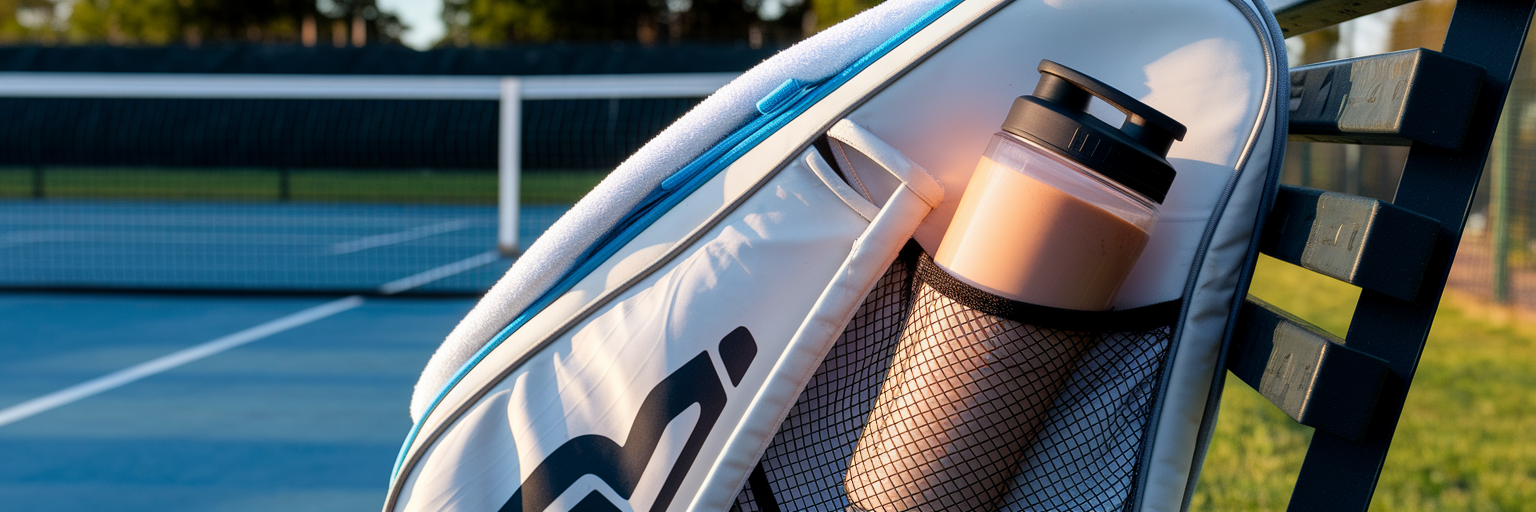
You’ve picked your protein, but when should you take it? You may have heard of the "anabolic window," which sounds intense but is actually quite simple. It refers to the period right after exercise when your muscles are most receptive to absorbing nutrients for repair. For a tennis player, this window is your golden opportunity to kickstart recovery.
The goal is to get protein into your system within 30 to 60 minutes after your match ends. Research on nutrient timing for tennis players from NWTO.us suggests that ingesting 20–25g of high-leucine protein within this window is ideal for maximizing muscle repair. This is where a quick and easy post-match recovery shake becomes your best friend.
Here’s a simple timeline to follow:
- The Immediate Window (0-60 Minutes Post-Match): This is the time for your protein shake. It’s fast-absorbing and delivers those crucial amino acids to your muscles when they need them most.
- The Second Window (2-3 Hours Post-Match): Have a balanced meal containing more protein, complex carbohydrates, and healthy fats. This helps replenish your muscle glycogen stores and continues the repair process.
- The Big Picture: While timing is helpful, don’t stress about it. The most important factor for long-term improvement is consistency. Hitting your daily protein goals is what truly fuels sustained progress.
This flexible approach makes recovery manageable for amateur athletes juggling busy schedules. If you want to learn more, you can explore our blog for more tips on fueling your fitness journey.
Easy and Delicious Plant-Based Recovery Recipes
Knowing what to eat is one thing, but making it easy and delicious is what makes it stick. Integrating plant-based protein into your routine should be enjoyable, not a chore. Here are a few of the best recovery meals for athletes that are simple, tasty, and perfect for a tennis player’s needs.
1. The Ultimate Post-Match Recovery Smoothie
This is your go-to for that immediate 60-minute window. It’s quick to make and easy to digest.
- 1 scoop of your favorite vegan protein powder (one scoop of our Chocolate Vegan Protein adds 25g of clean protein)
- 1 banana (for potassium and quick carbs)
- 1/2 cup of mixed berries (for antioxidants)
- 1 tablespoon of chia seeds (for omega-3s and fiber)
- 1 cup of unsweetened plant-based milk (almond, soy, or oat)
2. The Hearty Recovery Quinoa Bowl
Perfect for your meal 2-3 hours after a match, this bowl replenishes energy and provides sustained protein for repair.
- 1 cup cooked quinoa
- 1 cup cooked lentils or chickpeas
- 1/2 avocado, sliced
- A handful of spinach or kale
- A lemon-tahini dressing
3. The On-the-Go High-Protein Wrap
For those days when you’re rushing from the court to your next appointment, this wrap is a lifesaver.
- 1 whole-wheat tortilla
- 3-4 tablespoons of hummus
- A handful of arugula
- 1/2 cup of baked tofu or tempeh strips
- Sliced bell peppers and cucumbers
These recipes prove that refueling your body can be a delicious part of your training. If you enjoyed these ideas, you'll love these 3 easy vegan protein recipes you'll actually crave. What are your favorite post-match meals? Share them in the comments below!