

Rethinking Pasta for Peak Performance
For years, pasta has been typecast as a simple "carb-load" meal, something to eat the night before a big race. But what if we told you that your favorite comfort food could also be a powerhouse for muscle recovery and peak performance? The way we think about pasta is changing. Home cooks and innovative brands are now creating incredible dishes that are both satisfying and functional. In fact, some high protein vegan pasta recipes are delivering between 18 and 38 grams of protein per serving, according to food blogs like ZardyPlants.
This shift transforms pasta from a guilty pleasure into a legitimate post-workout meal. Imagine finishing a tough gym session and refueling with a delicious bowl of pasta that actively supports muscle repair. It’s one of the most satisfying and easy plant based dinner ideas you can have in your rotation.
By rethinking the ingredients, you get the best of both worlds. You’re not only hitting your protein targets to support your fitness goals but also getting sustained energy from complex carbs and gut-friendly fiber. This guide will show you exactly how to build a delicious, powerful pasta meal that works as hard as you do.
Start with a Strong Pasta Foundation
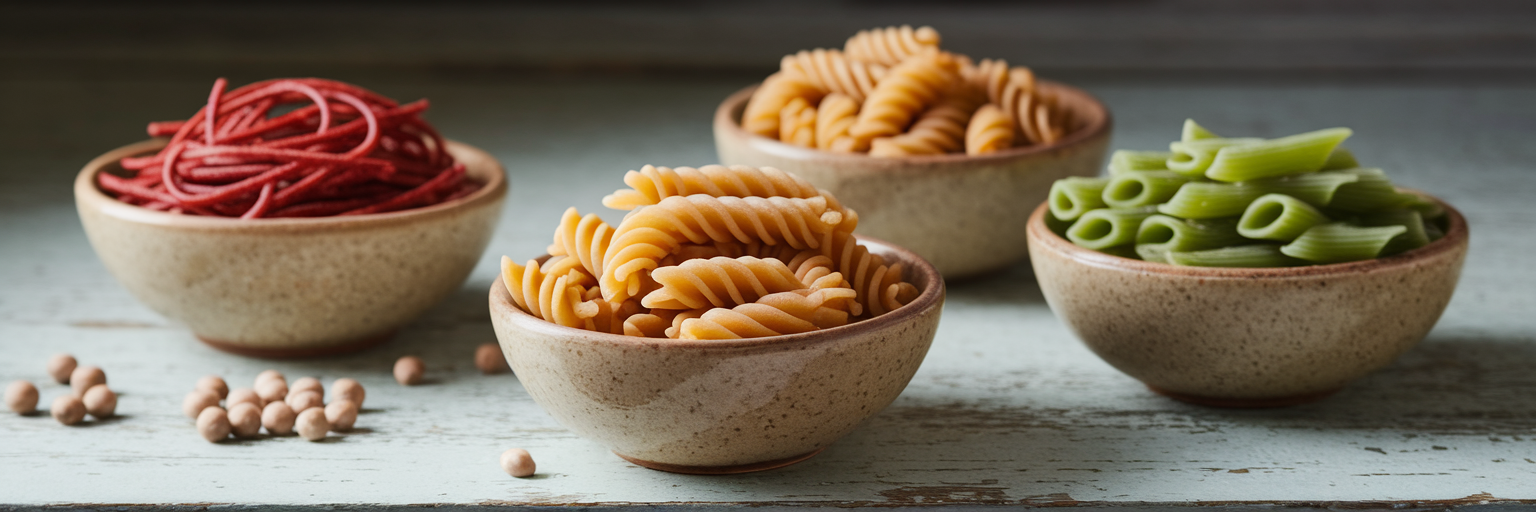
The first step to a truly high-protein meal is choosing the right foundation. Forget traditional wheat pasta for a moment and turn your attention to the world of pulse-based noodles. Made from ingredients like chickpeas, lentils, and peas, these pastas are naturally packed with protein and fiber, giving you a huge head start before you even think about the sauce.
We’ve all heard whispers of alternative pastas turning mushy, but those days are long gone. Modern pulse pastas are crafted to achieve that perfect "al dente" bite that we all crave. They offer a satisfying chewiness and a subtle, nutty flavor that pairs beautifully with a wide range of sauces. This makes them perfect for creating delicious chickpea pasta protein meals that feel indulgent, not restrictive.
The high fiber content also means you’ll feel full and satisfied longer, which is a huge plus for anyone focused on weight management. To see how they stack up, take a look at this quick comparison.
| Pasta Type | Average Protein per 3.5oz Serving | Average Fiber per 3.5oz Serving | Flavor & Texture Profile |
|---|---|---|---|
| Chickpea Pasta | ~20g | ~8g | Nutty flavor, firm 'al dente' texture |
| Red Lentil Pasta | ~25g | ~11g | Mildly earthy, softer texture |
| Green Pea Pasta | ~22g | ~9g | Slightly sweet, holds shape well |
| Black Bean Pasta | ~25g | ~12g | Rich, dense flavor, very firm |
Note: Nutritional values are averages based on popular US brands and can vary. These figures help illustrate the significant protein and fiber boost compared to traditional wheat pasta.
For instance, a meal prep recipe from Plantbaes using lentil pasta achieves an impressive 38g of protein per bowl. Once you've picked your pasta, you can find more inspiration with these 3 easy vegan protein recipes you'll actually crave.
The Secret to a Creamy, Protein-Boosted Sauce
Now for the real magic. Once you have your high-protein pasta base, the next step is to enrich your sauce. This is where you can easily add a significant protein boost without compromising on flavor or texture. The secret is simple: vegan protein powder for cooking.
This simple trick, highlighted in recipes from blogs like Glue & Glitter, can boost a standard tomato sauce with an extra 10-15 grams of protein per serving. The key is knowing how to add protein to pasta sauce correctly to avoid clumps. Forget just dumping the powder straight into the pot. The best method is to create a "slurry" first.
Here’s how you do it:
- Choose the Right Powder: Opt for an unflavored or neutral-flavored powder. A clean, unflavored vegan protein isolate works perfectly because it won’t interfere with the savory flavors of your sauce.
- Measure It Out: Start with one scoop of protein powder per two servings of sauce. You can adjust this as you get more comfortable with the technique.
- Create the Slurry: In a small bowl, whisk the protein powder with a small amount of cool liquid. Use about a 1:3 ratio of powder to liquid. You can use water, vegetable broth, or unsweetened plant milk. Whisk until it forms a smooth, lump-free paste.
- Temper and Combine: Slowly stir a few spoonfuls of your warm pasta sauce into the slurry. This gently raises its temperature. Once combined, pour the slurry mixture back into the main pot of sauce and stir until it’s fully incorporated.
This technique ensures your sauce stays silky smooth while packing a serious nutritional punch. If you're wondering which option is right for you, check out this guide to the best protein powders for different goals.
Mastering a Smooth Texture and Avoiding Grit
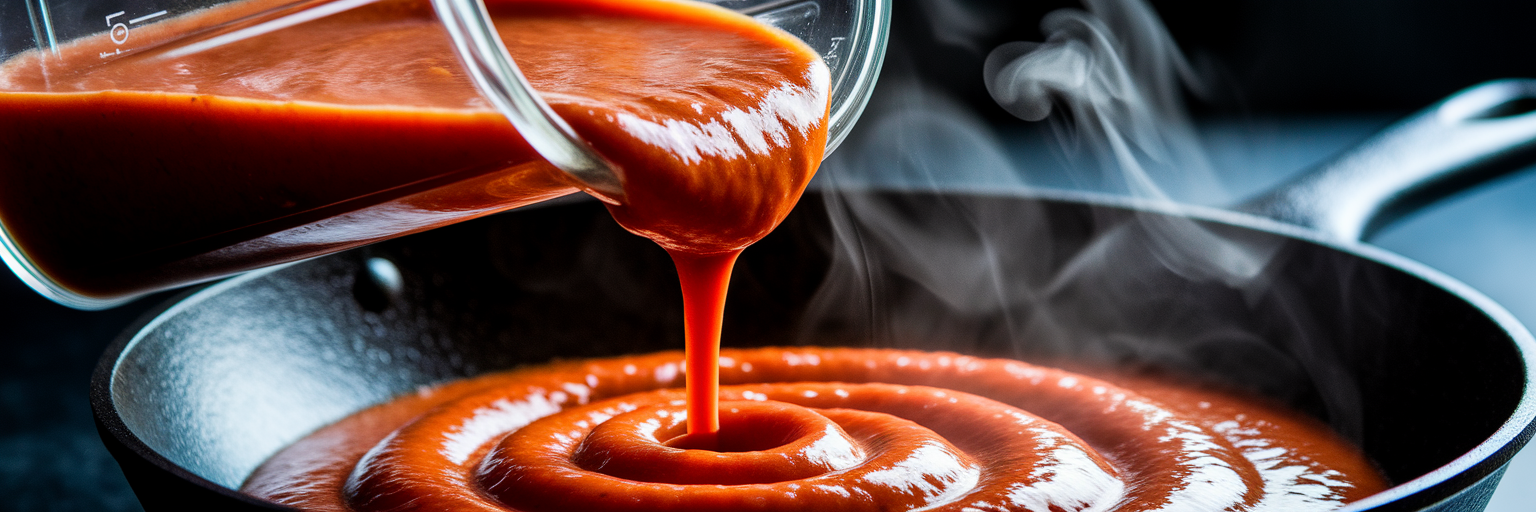
Let’s be honest, the biggest hesitation anyone has about adding protein powder to a savory dish is the texture. We can all picture that dreaded chalky or grainy result. The good news is that a gritty sauce is completely avoidable with the right techniques. It’s all about proper emulsification.
Your first and best tool for a velvety sauce is a high-speed blender. After you’ve combined your sauce and protein slurry, transfer it to a blender and blend on high for 30-60 seconds. The power of the blender fully breaks down any remaining particles and emulsifies the powder into the sauce, creating a restaurant-quality creamy finish. This method is foolproof for tomato sauces, pestos, and creamy Alfredo-style sauces.
Another fantastic approach is to use natural stabilizers that also add creaminess. Blending in one of these ingredients along with your protein powder will guarantee a smooth mouthfeel that clings perfectly to your pasta:
- Soaked Cashews: A handful of raw cashews soaked in hot water for 15 minutes adds a rich, creamy base.
- Silken Tofu: A block of silken tofu creates an incredibly light and smooth texture without altering the flavor.
- White Beans: Cannellini or butter beans blend seamlessly into sauces, adding creaminess and an extra dose of fiber and protein.
By combining these methods, you can confidently create a sauce that’s both nutrient-dense and luxuriously smooth. If you have other questions about using our products, our FAQs page is a great resource.
Building Layers of Unforgettable Flavor
With the protein and texture sorted, it’s time to focus on what makes a meal truly memorable: the flavor. Plant-based proteins can sometimes have a subtle earthy note, but this is easy to balance by layering in bold, savory, and fresh ingredients. Think of it as conducting an orchestra of flavors where every element has a role.
Start by building a deep, savory foundation. These ingredients create a rich umami base that stands up to and complements the protein:
- An Umami-Rich Base: Add nutritional yeast for a cheesy, nutty flavor. As discussed in vegan recipe forums on Reddit, this is a fantastic way to get a cheesy flavor and an extra protein bump. Sautéed mushrooms, sun-dried tomatoes, and roasted garlic also add incredible depth.
- Bright, Fresh Notes: Once your sauce is off the heat, stir in fresh elements to lift the flavors. A handful of chopped fresh basil or parsley, a squeeze of lemon juice, or a splash of balsamic vinegar can cut through the richness and add a vibrant finish.
Here’s a pro tip: always taste and adjust your seasonings after the protein powder is mixed in. The powder can slightly mute salt and other spices, so you may need to add a little extra salt, pepper, or herbs at the end to make the flavors pop. This final touch ensures your high-protein creation is as delicious as it is powerful.
Assembling the Perfect High-Protein Pasta Bowl
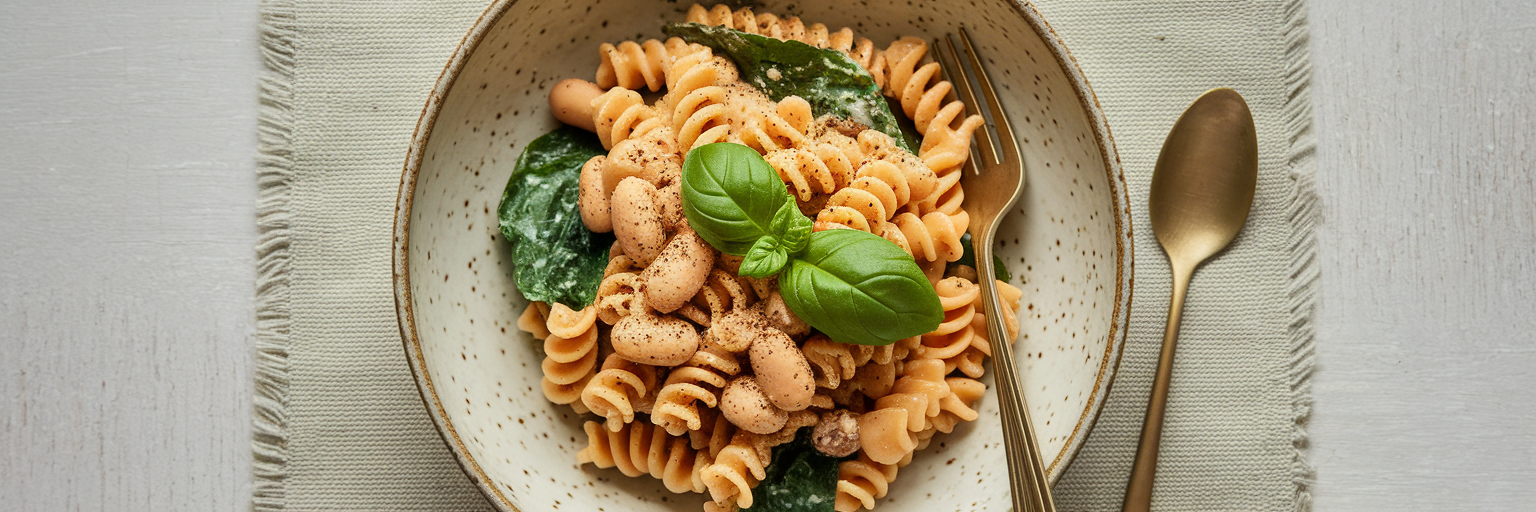
You’ve learned the secrets to a strong pasta base, a protein-boosted sauce, and unforgettable flavor. Now, let’s bring it all together. Assembling the perfect bowl is about combining these elements with fresh vegetables and legumes for a complete, balanced meal.
Think of it as a simple equation for success:
1 serving pulse pasta (≈20g protein) + 1 cup protein-enriched sauce (≈12g protein) + ½ cup beans or lentils (≈8g protein) = A powerhouse meal with around 40g of protein!
Toss in some wilted spinach, roasted bell peppers, or edamame for added micronutrients and texture. This simple formula makes it easy to create endless high protein vegan pasta recipes that will keep you fueled and satisfied.
Ready to start creating your own high-protein masterpieces? Explore our collection of clean, plant-based proteins to find the perfect foundation for your next meal.