

Why Some Protein Powders Cause Bloating
We can all picture that moment: you finish a great workout, mix up a protein shake, and then it hits. That heavy, gassy, and uncomfortably bloated feeling that completely undermines your post-exercise high. If this sounds familiar, you are definitely not alone. This is one of the most common complaints about protein supplements, but it doesn't have to be your reality.
Often, the discomfort stems from the protein source itself. Many popular powders use dairy-based proteins like whey and casein. While effective for muscle building, a large portion of the adult population has some difficulty digesting lactose, the sugar found in milk. This sensitivity can lead directly to gas, cramping, and that dreaded bloat.
Beyond the protein, the ingredient list is frequently loaded with additives that can upset your digestive system. Artificial sweeteners like sucralose and aspartame, along with sugar alcohols such as erythritol and xylitol, are notorious for causing trouble. Your small intestine doesn't absorb them well, so they travel to your colon where gut bacteria ferment them, producing gas as a byproduct. The same goes for certain thickening gums used to improve texture. They can create a digestive traffic jam for some people.
Understanding how to avoid protein shake bloating starts with identifying these common culprits. The good news is that there are fantastic alternatives. Plant-based proteins offer a naturally gentler path to meeting your fitness goals, providing the nutritional power you need without the digestive distress. This simple switch can make all the difference in how you feel after your shake.
How Plant Proteins Support a Happy Gut
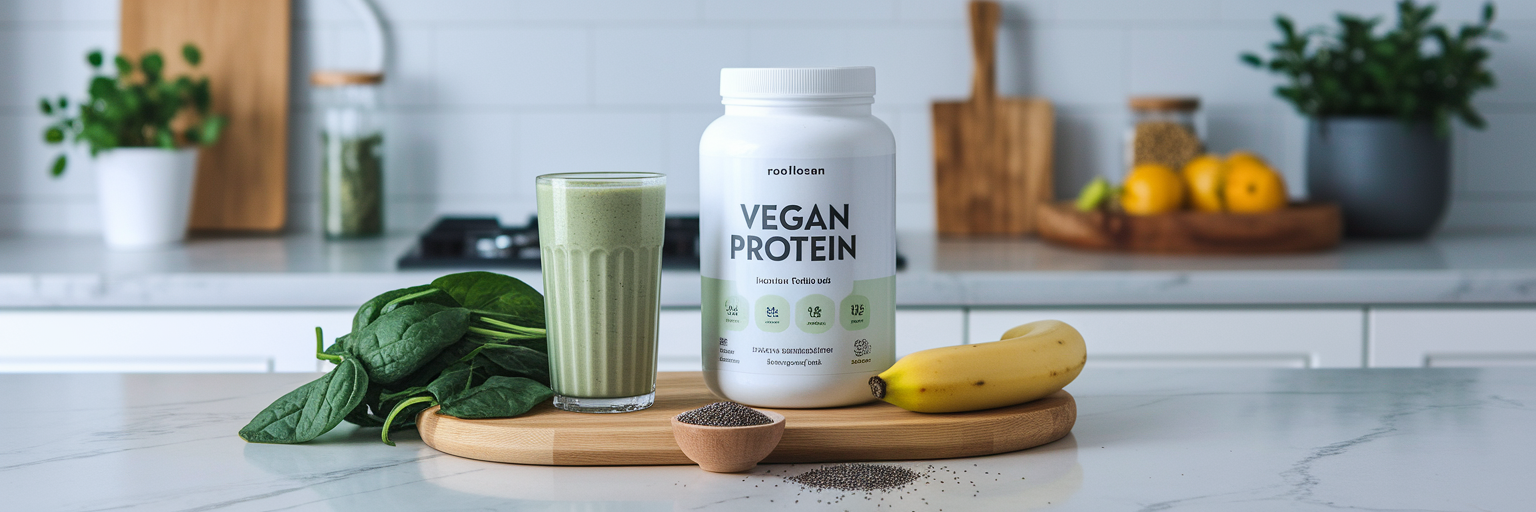
Making the move to a plant-based protein does more than just sidestep common irritants like lactose. It actively contributes to a healthier, more balanced digestive system. Think of it less as avoiding a problem and more as choosing a solution that works with your body. Plant proteins are often easier for your system to break down, which means less digestive "work" and a lighter feeling after you drink your shake.
The real star of the show, however, is fiber. Unlike their animal-based counterparts, plant proteins are naturally rich in dietary fiber. This fiber acts as a prebiotic, which is essentially food for the beneficial bacteria living in your gut. You can think of your gut microbiome as an internal garden; prebiotics are the fertilizer that helps the good stuff flourish. A thriving gut microbiome is linked to better digestion, a stronger immune system, and even improved mood.
As experts at UCLA Health highlight, this fiber is a major benefit for regulating the digestive system. It promotes regularity, which helps prevent constipation, a frequent and uncomfortable cause of bloating. By choosing a gut friendly protein powder derived from plants, you are supporting your body's natural rhythms. Furthermore, a diet rich in plants is associated with lower levels of inflammation, which can help calm a sensitive digestive tract over time. For more insights on how your diet impacts overall wellness, you can explore the articles on our blog.
A Guide to Common Plant Protein Sources
Once you decide to try a vegan protein, you'll notice there are several options available. Each one has unique characteristics, so finding the right fit depends on your personal needs and preferences.
Pea protein is a popular choice because it's hypoallergenic and typically very easy to digest. It has a great amino acid profile for muscle support and blends into a surprisingly smooth and creamy texture, making it a fantastic all-rounder for those with sensitive stomachs.
Hemp protein is an earthy, nutrient-dense option. It stands out for being rich in both fiber and healthy omega fatty acids. While its texture can be a bit grittier, it's an excellent choice if your main goal is to boost your overall wellness and fiber intake.
Brown rice protein is another solid hypoallergenic option. It's a go-to for anyone with multiple food sensitivities, especially to soy or nuts. On its own, it can sometimes have a slightly chalky consistency, but it provides a clean source of plant-powered fuel.
Soy protein is one of the few plant sources that is a "complete" protein on its own, meaning it contains all nine essential amino acids. It generally has a smooth texture, but since soy is a common allergen, it's best for those who already know they tolerate it well.
To help you decide, here’s a quick comparison:
| Protein Source | Key Digestive Benefit | Best For... | Typical Texture |
|---|---|---|---|
| Pea Protein | Hypoallergenic and easy to digest | Sensitive stomachs and building muscle | Smooth and creamy |
| Hemp Protein | Rich in fiber and omega fatty acids | Boosting fiber intake and overall wellness | Slightly earthy and gritty |
| Brown Rice Protein | Excellent hypoallergenic option | Those with multiple food allergies (soy, nuts) | Can be slightly chalky or gritty |
| Soy Protein | Complete amino acid profile | Those who know they tolerate soy well | Generally smooth |
This is why many people find that the best plant based protein for digestion is actually a blend. By combining sources like pea and brown rice, formulators can create a complete amino acid profile while achieving a superior, smoother texture. A well-crafted blend like our Chocolate Vegan Protein is designed to give you the best of both worlds: peak performance and excellent digestibility.
What to Look for on the Ingredient List

When you're standing in the aisle or browsing online, the ingredient list is your best friend. A good rule of thumb is that less is more. Powders with short, recognizable ingredient lists are usually a safer bet for sensitive stomachs. To make it simple, think in terms of "green flags" and "red flags."
Pay close attention to these potential irritants:
-
Red Flags to Avoid:
- Artificial Sweeteners (Sucralose, Aspartame, Acesulfame Potassium)
- Sugar Alcohols (Erythritol, Sorbitol, Xylitol, Maltitol)
- Excessive Gums and Thickeners (Xanthan Gum, Guar Gum, Carrageenan)
- Vague 'Proprietary Blends' that hide ingredient amounts
Instead, look for powders that include ingredients that support your digestive health:
-
Green Flags to Look For:
- A short, recognizable ingredient list
- Natural, zero-calorie sweeteners like Monk Fruit or Stevia
- Added Digestive Enzymes (e.g., Protease, Amylase)
- Probiotic strains (e.g., Lactobacillus)
Digestive enzymes like protease help break down the protein, while probiotics add more beneficial bacteria to your gut. You might also see "protein isolate" versus "protein concentrate" on labels. Isolates have been processed further to remove more of the fats and carbs, resulting in a higher protein percentage. This can make them an especially easy to digest protein powder for highly sensitive individuals. If you want to see how different options stack up, you can check out our review of the best protein powders.
Simple Ways to Enjoy Your Protein Without Discomfort
Choosing the right powder is the biggest step, but how you prepare and drink your shake also matters. A few simple habits can make a world of difference and help you achieve a vegan protein powder no bloating experience every time.
- Start with a smaller serving. If you're new to a particular protein or to fiber-rich shakes in general, begin with a half-scoop for a few days. This gives your digestive system time to adjust without feeling overwhelmed.
- Use a blender, not a shaker cup. A blender does a much better job of breaking down the powder, eliminating clumps that can be tough to digest. The smoother the consistency, the easier it is on your stomach.
- Sip it, don't chug it. Gulping down your shake in 30 seconds forces your digestive system to work overtime. Sipping slowly gives your natural digestive enzymes a head start.
- Add gut-friendly boosters. Blend your powder with ingredients that aid digestion. A banana adds prebiotic fiber, a small piece of fresh ginger can soothe the stomach, and pineapple contains bromelain, a natural digestive enzyme.
These small adjustments can transform your protein routine from a source of discomfort to a truly enjoyable ritual. For inspiration, try these tips with some of the creative ideas in our recipe collection.
Ready to find your perfect match? Explore our full range of gut-friendly products and say goodbye to bloating for good.