
Why Your Vegan Protein Shake Might Taste Bad
Let’s be honest. You’ve probably choked down a vegan protein shake that tasted like chalky dirt or had the texture of wet sand. It’s a common frustration, and if you’ve ever wondered if it’s just you, it’s not. That unpleasant experience is so widespread that many people give up on plant-based powders altogether, assuming they are all created equal. But the truth is, they aren’t.
The final taste and feel of a protein powder isn't an accident. It’s a direct result of its core ingredients. The journey from a plant to a powder involves choices that dramatically affect the final product. The specific protein source, whether it's pea, rice, or hemp, sets the foundational flavor. How that protein is processed determines its texture, and the sweeteners or flavorings added can either elevate it to delicious or leave a lingering artificial aftertaste.
The problem is that marketing labels rarely tell you this story. They promise high protein and great taste, but the ingredient list holds the real secrets. Understanding these factors is the first step to finding a powder that doesn't just fuel your body but also pleases your palate. The poor plant based protein texture many people dislike is often a sign of low-quality processing, not an inherent flaw of vegan protein itself. This guide will help you see past the hype and choose a powder you’ll genuinely look forward to drinking.
Decoding the Label for a Better Flavor Experience
Now that you know the "why" behind bad-tasting powders, let's focus on the "how" to avoid them. Your best tool is the ingredient label. It’s the blueprint for flavor, texture, and overall quality. By learning to read it correctly, you can predict how a powder will taste before you even open the tub.
The Protein Source is Your Flavor Foundation
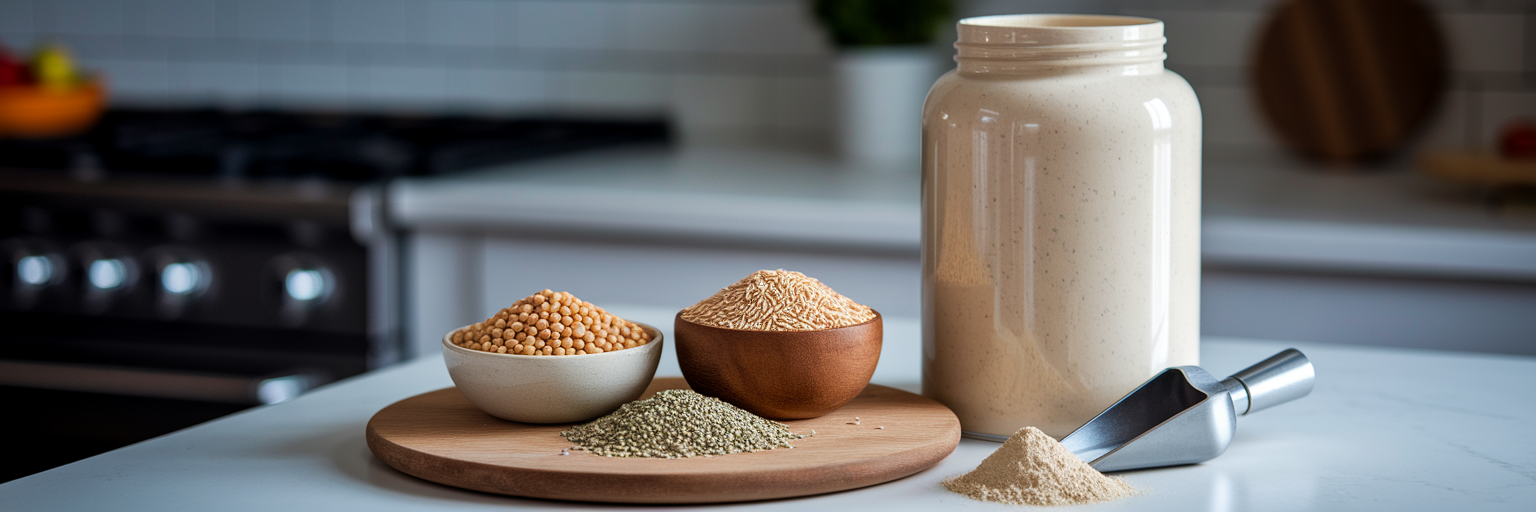
Every plant protein has a unique, inherent taste. Pea protein, one of the most common, has a distinctly earthy flavor that some find a bit strong. Brown rice protein is more neutral and slightly sweet, making it a great background player. Hemp protein brings a nutty, hearty flavor to the table. Because of these distinct profiles, many of the best tasting vegan protein powder options use a blend of sources to create a more balanced and neutral base.
Why Texture is Half the Battle
You can have the best flavor in the world, but if the texture is gritty, the shake is ruined. That dreaded chalky mouthfeel often comes from powders that are not processed finely enough. As noted by reviewers at Healthline, powders that are finely milled tend to blend more seamlessly and avoid that unpleasant feeling. Look for terms like "micro-milled" or simply choose brands known for a smooth consistency.
Watch Out for Unwanted Fillers and Gums
Thickening agents like xanthan gum or guar gum are often added to create a creamier shake. A small amount can improve the experience, but too much can result in a slimy, unnatural texture. A shorter, cleaner ingredient list is almost always a better sign. When you see a powder packed with real food ingredients instead of a long list of gums and fillers, you’re on the right track. Understanding these label basics is the first step, but you can learn more about what separates the best protein powders from the rest.
| Protein Source | Common Taste Profile | Typical Texture | Best For |
|---|---|---|---|
| Pea Protein | Mildly earthy, sometimes described as 'beany' | Can be slightly chalky if not finely milled | Smoothies where other flavors (fruit, cocoa) can balance the earthiness |
| Brown Rice Protein | Very neutral, slightly sweet | Can be gritty if not blended well | People who want a less noticeable base flavor |
| Hemp Protein | Distinctly nutty and earthy | Often has a grainier, heartier texture | Blending into oatmeal or baked goods where its nutty flavor is a plus |
| Soy Protein | Neutral to slightly 'beany' | Generally smooth and dissolves well | Creating creamy, thick shakes with a neutral base |
This table provides a general guide to the inherent characteristics of common plant protein sources. Blends often combine these to achieve a more balanced flavor and smoother texture.
The World of Natural Flavors and Sweeteners
Once you have a quality protein base, the next elements to inspect are the flavors and sweeteners. These ingredients are responsible for turning a neutral powder into a delicious treat, but they can also be the source of that dreaded chemical aftertaste. Focusing on natural protein powder flavors is key.
Look for powders that use real ingredients for flavor. For chocolate lovers, a powder using real cocoa is a must for that rich, authentic flavor, which is why our Chocolate Vegan Protein is a customer favorite. Other great signs are vanilla bean, cinnamon, or real fruit powders. According to nutrition experts at Health.com, natural options not only taste better but also avoid the artificial aftertaste common in lower-quality powders. For ultimate control, consider an unflavored powder. It’s a blank canvas, allowing you to add your own fruits, spices, and sweeteners.
Speaking of sweeteners, this is where many powders go wrong. Here are some common natural options:
- Stevia: A plant-based, zero-calorie sweetener. It’s very popular, but some people are sensitive to its slightly bitter aftertaste. If you've disliked a stevia-sweetened powder before, you might want to try one with a different sweetener.
- Monk Fruit: Another zero-calorie sweetener derived from a fruit. It has a clean, sweet taste with less of an aftertaste than stevia for most people.
- Erythritol: A sugar alcohol that is naturally found in some fruits. It’s easy on the digestive system and has a taste very similar to sugar.
Choosing the right sweetener is a matter of personal preference, so don't be afraid to experiment to find what works for you.
Your Personal Taste-Testing Method
Reading labels will get you far, but the ultimate test is, well, a taste test. The thought of buying a giant tub of protein powder only to discover you hate it is enough to stop anyone. Here’s a methodical, budget-friendly approach to finding your perfect match without the commitment.
First, always start with single-serving packets. This is the most important tip. Many brands offer sample sizes, which you can often find in US health food stores or purchase directly online. This lets you try several options for the price of one full-sized container.
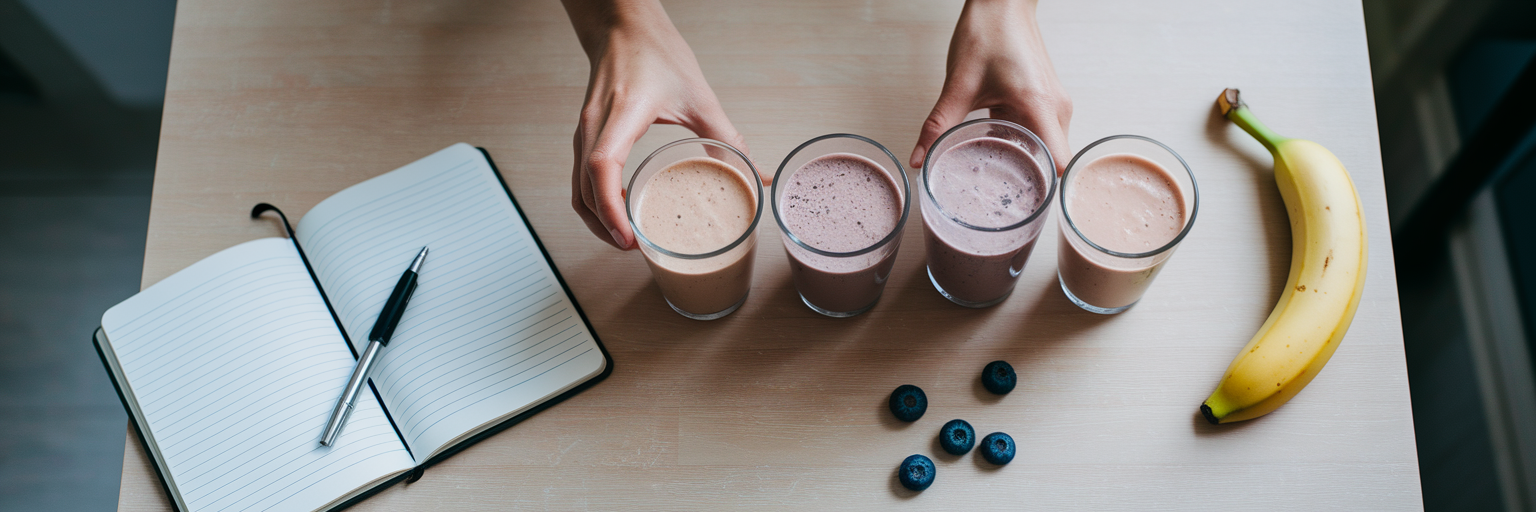
Next, create a standardized test to ensure a fair comparison. Don't just mix one with water and another in a complex smoothie. For a consistent baseline, blend one scoop of each powder with 8 oz of unsweetened almond milk and half a frozen banana. This simple recipe is a great starting point for any vegan protein powder for smoothies, as it adds a touch of creaminess and sweetness without overpowering the powder's natural flavor.
As you taste each one, evaluate it based on a few key criteria:
- Mixability: Does it dissolve completely, or are there clumps left at the bottom of your blender?
- Texture: Is it smooth and creamy on your tongue, or does it feel gritty or chalky?
- Flavor: Does it taste authentic? Is there a strong, unpleasant aftertaste from the sweeteners or protein source?
- Digestibility: How do you feel an hour later? Any bloating or discomfort is a red flag.
By taking this structured approach, you remove the guesswork. You’ll be making an informed decision based on direct experience, ensuring the tub you finally buy is one you’ll happily finish.
Pro Tips for a Deliciously Smooth Blend
Once you’ve found a powder you like, there are still ways to perfect your shake. If you’re wondering how to make protein shakes taste better and achieve that café-quality smoothness, a few simple recipe hacks can make all the difference. These tips are all about enhancing the texture and balancing the flavor.
To combat any lingering grittiness and create a creamier blend, think about adding healthy fats. As culinary experts at Bon Appétit suggest, adding ingredients like a frozen banana, a spoonful of avocado, or a bit of cashew butter can create a luxuriously creamy texture.
Here are a few more ideas to try:
- Balance Earthy Tones: If your powder has a slight earthy note, balance it with bold flavors. A dash of cinnamon or nutmeg can add warmth, a shot of cold brew creates a delicious mocha, and a squeeze of fresh lemon or a handful of berries can brighten everything up.
- Boost the Creaminess: Besides banana and avocado, a tablespoon of soaked chia seeds or a scoop of coconut yogurt can add thickness and a silky-smooth finish.
- Think Beyond the Shake: Don't limit your protein powder to drinks. It’s an excellent booster for other meals where texture is less of a concern. Mixing powder into oatmeal, pancake batter, or energy balls is a great way to boost protein. For inspiration, check out these 3 easy vegan protein recipes you'll actually crave.
With a little creativity, your daily protein can become a delicious ritual instead of a chore. If you found this tip helpful, share it with a friend!
Your Path to the Perfect Protein Shake
The search for a delicious vegan protein powder doesn't have to be a frustrating journey. By starting with a quality base, choosing natural flavors, testing samples before you commit, and getting creative with your blends, you can easily find a product you love. Ready to start your search? Explore our collection of naturally flavored, clean-ingredient supplements and enjoy the process.