

Why Add Protein Powder to Your Vegan Meatballs?
We all have those comfort food cravings. A big bowl of spaghetti and meatballs can feel like a guilty pleasure, especially when you’re focused on your fitness goals. But what if you could turn that classic dish into a nutrient-dense meal that actively supports your lifestyle? That’s where this high protein vegan meatball recipe comes in.
While many plant-based meatball alternatives are delicious, adding a high-quality protein powder transforms them from a simple meal into a performance-supporting one. The base of many vegan meat recipes is Textured Vegetable Protein (TVP), which already provides a solid foundation. According to The Conscious Plant Kitchen, TVP offers about 16 grams of protein per serving. That’s a great start, but we can do better.
By incorporating just a couple of scoops of a clean vegan protein, you create a significant protein boom, making it much easier to meet your daily macros without adding a ton of extra calories. This isn't just about building muscle. The added protein also increases satiety, helping you feel full and satisfied for longer. For anyone focused on weight management or trying to curb afternoon snacking, that feeling of fullness is a huge advantage. This simple addition turns your comfort meal into a smart one, and you can find more creative ideas in some of our other favorite protein recipes.
Choosing the Best Vegan Protein for Cooking
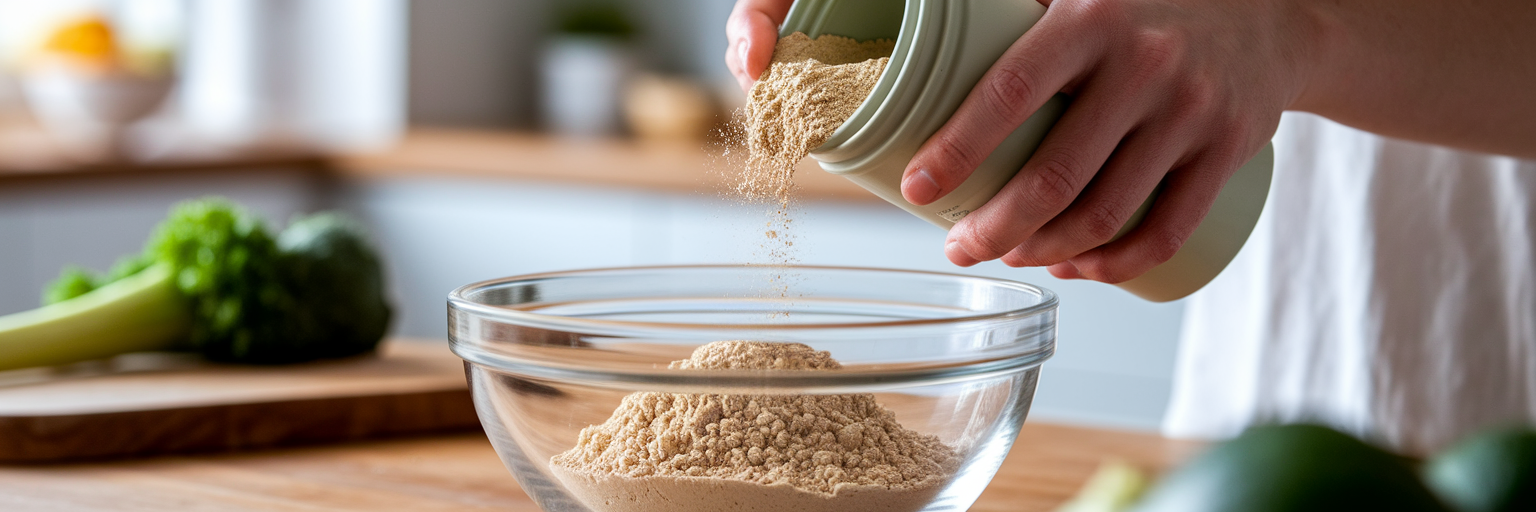
Now that you see the benefits, let's talk about selecting the right protein powder. This choice is critical because not all proteins are created equal, especially when it comes to cooking. The wrong powder can leave you with a gritty texture or an odd aftertaste.
First, consider the flavor profile. For a savory dish like meatballs, you’ll want an unflavored or a neutral-tasting vanilla vegan protein. These options blend seamlessly with Italian herbs, garlic, and onion without creating a strange sweet-and-savory clash. You want the protein to boost nutrition, not overpower the dish.
Next, think about texture. The best vegan protein for cooking has a fine, smooth consistency. This ensures it mixes evenly into your ingredients, acting as a binder without introducing a chalky or sandy mouthfeel. A high-quality vegan protein isolate is an excellent choice because it offers a concentrated protein boost with a clean finish.
Finally, always check the ingredient list. Look for simple, clean ingredients without a long list of artificial additives, gums, or sugars. A multi-source blend, like one combining pea and rice protein, can also be beneficial for achieving a complete amino acid profile and a balanced texture. You can explore some great options in our collection of clean vegan proteins to find the perfect fit for your kitchen creations.
The Ultimate High-Protein Vegan Meatball Recipe
Ready to get cooking? This recipe is designed to be straightforward, delicious, and packed with the protein you need. It’s your new go-to for making satisfying plant based meatball alternatives at home.
Ingredients:
- 1 cup Textured Vegetable Protein (TVP)
- 1 cup hot low-sodium vegetable broth
- 1/2 cup oat flour or all-purpose flour
- 1/2 small yellow onion, finely chopped
- 2 cloves garlic, minced
- 2 scoops of an unflavored or vanilla Beyond Good Foods Vegan Protein
- 2 tbsp nutritional yeast
- 1 tbsp soy sauce or tamari
- 1 tsp dried Italian seasoning
- 1/2 tsp black pepper
- Optional: 1 tsp smoked paprika for a deeper flavor
Instructions:
- Hydrate the TVP: In a medium bowl, combine the TVP and hot vegetable broth. Let it sit for 10 minutes until the liquid is absorbed. Once hydrated, place the TVP in a cheesecloth or fine-mesh sieve and squeeze out as much excess liquid as possible. This step is crucial for a firm texture.
- Combine Ingredients: Transfer the squeezed TVP to a large mixing bowl. Add the oat flour, chopped onion, minced garlic, vegan protein powder, nutritional yeast, soy sauce, and all seasonings. Mix with your hands until everything is well combined.
- Shape and Chill: Roll the mixture into uniform balls, about 1.5 inches in diameter. For the best results, place the meatballs on a baking sheet and chill them in the refrigerator for at least 15 minutes. As noted by It Doesn't Taste Like Chicken, this helps them firm up before baking.
- Bake to Perfection: Preheat your oven to 400°F (200°C). Arrange the chilled meatballs on a parchment-lined baking sheet and bake for 20-25 minutes, turning them halfway through, until they are golden brown and firm to the touch.
Nutritional Boost Breakdown (Approximate Values per Serving)
| Ingredient | Role in Recipe | Protein Contribution (per serving) |
|---|---|---|
| Textured Vegetable Protein (TVP) | Provides a 'meaty' texture and base protein | ~16g |
| Beyond Good Foods Vegan Protein | Boosts protein, acts as a binder | ~12.5g |
| Nutritional Yeast | Adds a cheesy, savory flavor | ~4g |
| Oat Flour | Binds ingredients together | ~3g |
| Total Estimated Protein | Combined power for muscle support | ~35.5g |
Note: This table provides an estimated nutritional breakdown for a standard serving of four meatballs. Values can vary based on specific products and portion sizes. The goal is to illustrate how ingredients work together to create a high-protein result.
Mastering the Perfect Texture and Flavor
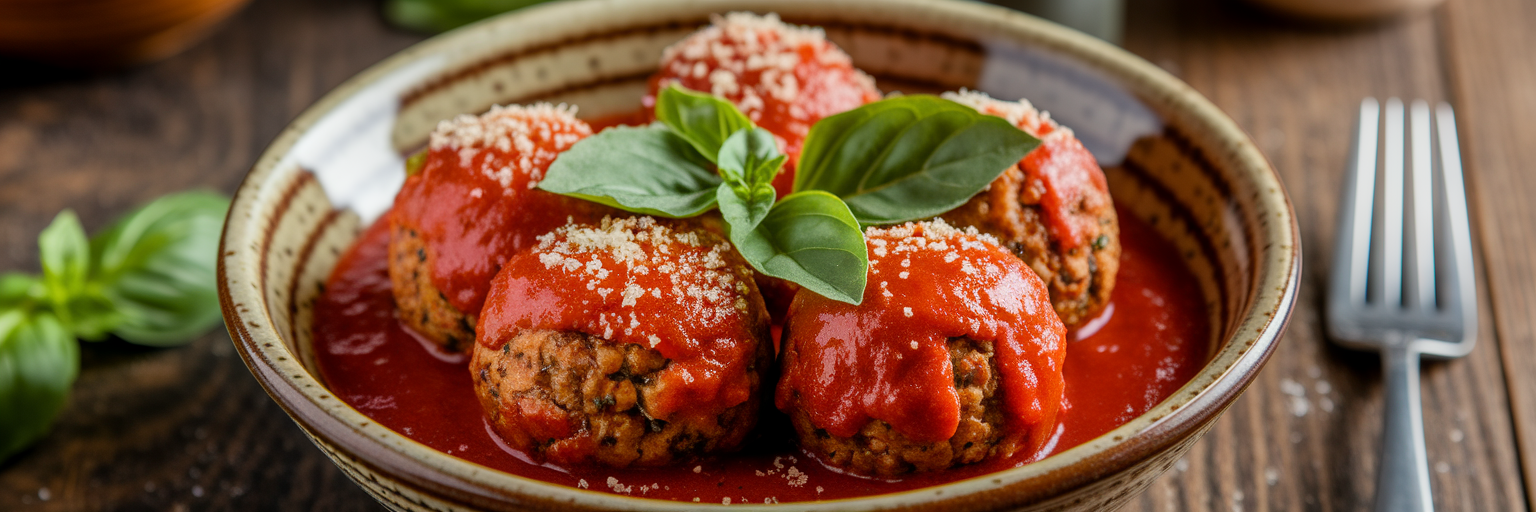
Once you have the basic recipe down, you can start perfecting your technique. The difference between good and great vegan meatballs with protein powder often comes down to a few small details. Let’s address the most common challenge: mushy meatballs.
The number one cause of a soft, pasty texture is excess moisture. As we mentioned in the recipe, squeezing the rehydrated TVP is non-negotiable. Food blog Minimalist Baker also emphasizes that removing as much water as possible is the key to achieving a firm, satisfying bite. The oat flour and protein powder in our recipe act as binders, absorbing any remaining moisture and creating a structure that’s tender without falling apart.
With texture under control, you can focus on flavor. The recipe provides a great baseline, but feel free to get creative. Sautéing the onion and garlic in a little olive oil before adding them to the mix will bring out a subtle sweetness. For a smokier, more "meaty" depth, a dash of smoked paprika works wonders. And if you love a cheesy note, don’t be shy with the nutritional yeast.
Think of this recipe as a flexible template. Are you serving them with a spicy arrabbiata sauce? Add a pinch of red pepper flakes to the mix. Pairing them with a pesto? A bit of lemon zest can brighten the flavor. Learning how to use vegan protein powder in cooking is all about experimentation. For more inspiration, you can always check out our blog for more tips and recipes.
Serving and Storing Your Vegan Meatballs
You’ve made a delicious batch of high-protein vegan meatballs. Now for the best part: enjoying them! These meatballs are incredibly versatile and perfect for meal prep. Here are a few serving ideas to get you started:
- Classic Spaghetti: Toss them with your favorite marinara sauce and serve over whole-wheat spaghetti or lentil pasta.
- Hearty Sub: Pile them into a toasted sub roll with sauce and melted vegan mozzarella for a satisfying sandwich.
- Low-Carb Bowl: Serve them over a bed of zucchini noodles or cauliflower rice with a light pesto sauce.
- Comforting Polenta: Place them on top of creamy polenta with sautéed mushrooms and spinach.
For storage, let the cooked meatballs cool completely. You can keep them in an airtight container in the refrigerator for up to five days. To freeze, arrange them in a single layer on a baking sheet and place them in the freezer for an hour. Once they are solid, transfer them to a freezer-safe bag. They’ll keep for up to three months, ready for a quick and healthy meal anytime.
We hope you love this recipe! Give it a try and feel free to share your creations with us on social media. To get the best results, explore the clean, smooth, and delicious options from Beyond Good Foods.