

Reinventing Pizza Night for Your Fitness Goals
Let’s be honest, there’s a certain magic to pizza night. It’s a weekly ritual for many of us in the US, a moment to unwind and enjoy a classic comfort food. But if you’re focused on your fitness, that same pizza night can feel like a step backward, a "cheat meal" that seems to undo all your hard work. We’ve all been there, weighing the satisfaction of a cheesy slice against our health goals.
The main issue often isn't the toppings, but the crust itself. Traditional pizza dough is typically made from refined white flour, making it high in simple carbohydrates with very little protein or fiber. This combination can lead to a quick spike in blood sugar followed by a crash, leaving you feeling sluggish. More importantly, it does little to support muscle repair after a workout or keep you feeling full and satisfied.
But what if you could change that? What if your pizza could actually contribute to your fitness journey? By making a healthy homemade pizza crust infused with plant-based protein, you can transform pizza from a guilty pleasure into a goal-supporting meal. Adding protein to the dough helps with muscle recovery, increases satiety to support weight management, and provides more stable, sustained energy. It’s time to get excited about pizza again, without any of the compromise.
Choosing the Right Protein Powder for Baking
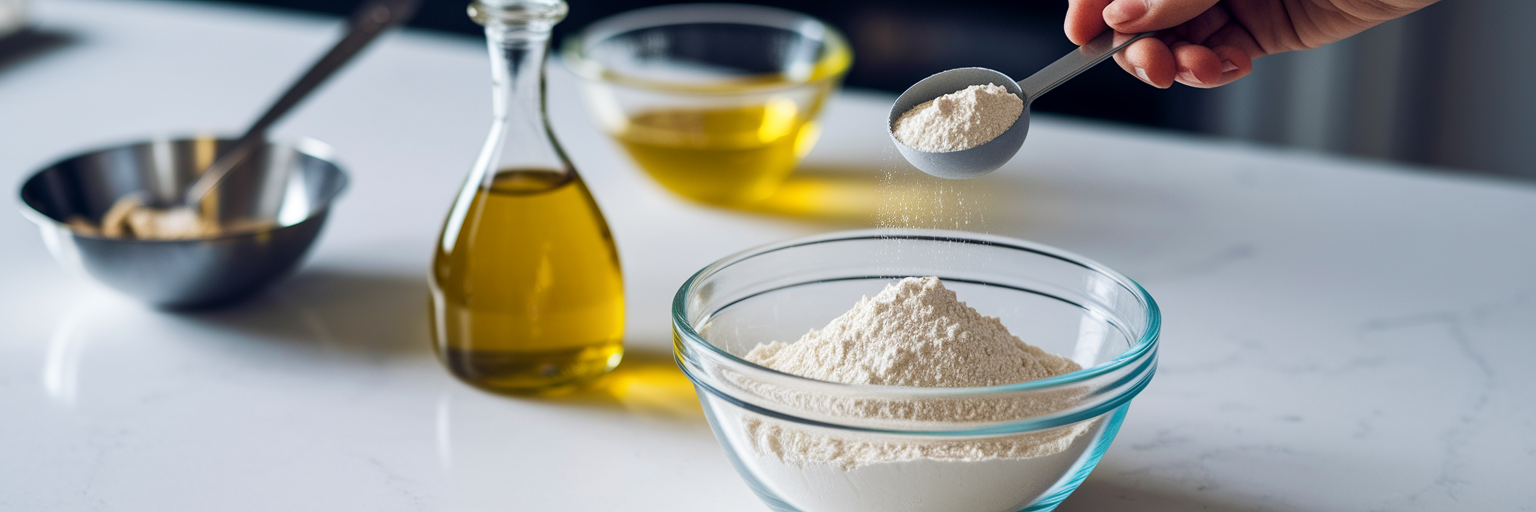
Before you start mixing, it’s important to know that not all protein powders are created equal, especially when it comes to baking. The powder you choose will have a huge impact on the final result, and getting it right is the key to avoiding a dry or gritty crust, a common complaint with homemade protein treats.
The two most important factors to consider are texture and flavor. For a smooth, dough-like consistency, you need a finely milled powder. This is where a high-quality pea protein isolate shines. It blends seamlessly into flour and has a neutral taste that won’t overpower the savory flavors of your pizza. This makes pea protein powder baking an ideal choice for recipes that aren't meant to be sweet.
We strongly recommend using an unflavored and unsweetened protein powder. Vanilla or chocolate-flavored powders will create a very strange pizza, and those with artificial sweeteners can leave a lingering aftertaste. A clean, simple powder ensures your crust tastes like, well, a pizza crust. Understanding what makes for the best protein powders can make all the difference in your recipes, ensuring you get a product that is pure, effective, and delicious.
Step-by-Step High Protein Pizza Crust Recipe
Now for the fun part. This recipe is designed to be straightforward and deliver a delicious, protein-packed base for all your favorite toppings. This method, inspired by a popular high-protein dough recipe highlighted by A Beautiful Mess, ensures a perfect texture every time. Learning how to make protein pizza is easier than you think.
Ingredients You'll Need
- 1 cup warm water (about 110°F/43°C)
- 2 ¼ tsp active dry yeast (1 standard packet)
- 1 tsp maple syrup or agave (to feed the yeast)
- 1 ½ cups all-purpose or whole wheat flour
- ½ cup unflavored vegan protein powder (we recommend our clean pea protein)
- 1 tsp salt
- 1 tbsp olive oil
Step-by-Step Instructions
- Activate the Yeast: In a large bowl, combine the warm water, yeast, and maple syrup. Let it sit for 5-10 minutes until it becomes foamy. This simple check confirms your yeast is active and ready to help the dough rise.
- Combine Dry Ingredients: In a separate bowl, whisk together the flour, protein powder, and salt. This ensures the protein is evenly distributed, which is key for a uniform texture.
- Mix the Dough: Add the dry ingredients and olive oil to the yeast mixture. Stir with a spatula until a shaggy dough forms.
- Knead the Dough: Turn the dough out onto a lightly floured surface. Knead for 3-5 minutes until it becomes smooth and slightly elastic. It should feel soft but not sticky. Try not to overwork it.
- Let it Rise: Place the dough back in the bowl, cover it with a clean cloth, and let it rest in a warm spot for about 1 hour, or until it has doubled in size.
- Shape and Par-Bake: Preheat your oven to 425°F (220°C). Press the dough into your desired pizza shape on a baking sheet lined with parchment paper. For a crispier crust, bake it for 5-7 minutes without any toppings. This par-baking step prevents the crust from getting soggy later.
Once your crust is par-baked, it’s ready for sauce and toppings! This is one of our favorite vegan protein powder recipes because it’s so versatile. Give it a try and share your creations with us on social media!
The Nutritional Advantage of Your Homemade Crust
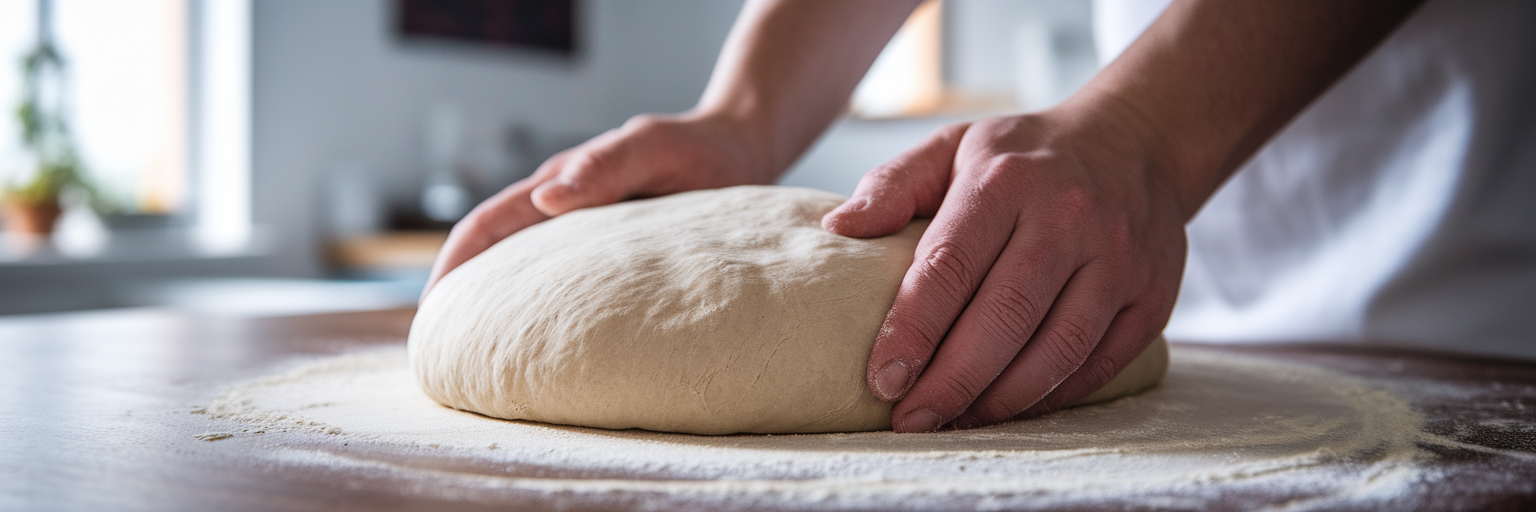
So, what does all this effort get you? A truly superior pizza. Each serving of this high protein vegan pizza crust packs approximately 10-15 grams of complete plant-based protein. This isn't just a number; it's fuel that helps your body repair the micro-tears in muscles after a workout, supporting faster recovery and growth.
Beyond muscle support, the combination of protein and fiber from whole wheat flour makes this crust significantly more filling than its traditional counterpart. This increased satiety helps with weight management by preventing you from overeating and feeling hungry again shortly after your meal. Fueling your body correctly is a cornerstone of performance, and understanding how supplements work, including exploring creatine benefits and proper protein intake, is part of that puzzle.
The difference becomes clear when you compare it directly to a typical store-bought crust.
| Nutritional Factor | Homemade High-Protein Crust | Typical Store-Bought Crust |
|---|---|---|
| Protein per Serving | ~10-15g | ~3-5g |
| Fiber Content | Higher (with whole wheat flour) | Low to negligible |
| Ingredient Quality | Whole foods, no artificial additives | Often contains preservatives, dough conditioners, and added sugars |
| Satiety (Fullness) | High due to protein and fiber | Low, can lead to overeating |
Note: Nutritional values are estimates. The homemade crust values are based on the provided recipe, while store-bought values reflect common commercial brands available in the US.
Perfect Toppings for Your Protein-Packed Pizza
Now that you have the perfect crust, it’s time to dress it up. Think of your pizza as a canvas for nutrient-dense, delicious ingredients that align with your health goals. For even more creative topping combinations, guides like the one from Plantbaes offer great suggestions for plant-based pizzas.
Here are a few ideas to get you started:
- Protein-Boosting Toppings: Add another layer of protein with roasted chickpeas, crumbled tempeh bacon, or a generous sprinkle of nutritional yeast for a cheesy, savory flavor.
- Nutrient-Dense Veggies: Don’t be shy! Load up your pizza with colorful vegetables like spinach, bell peppers, mushrooms, artichoke hearts, and red onion. They add vitamins, minerals, and fiber.
- Creative & Healthy Sauces: Move beyond standard tomato sauce and try a base of basil pesto, a thin layer of hummus, or even a sugar-free BBQ sauce for a different flavor profile.
A final tip: when choosing a vegan cheese, look for nut-based options made with clean, recognizable ingredients. Once you master this pizza, you'll be ready to try all kinds of easy vegan protein recipes we've shared.
Tips for Pizza Perfection and Meal Prep
To make your healthy pizza night even easier, here are a few final tips for convenience and a perfect result every time.
- Make-Ahead Dough: You can prepare the dough through step 4, then cover it and store it in the refrigerator for up to 48 hours. It’s perfect for a quick weeknight meal.
- Freezing for Later: For long-term meal prep, par-bake the crusts for 5-7 minutes, let them cool completely, then wrap them tightly and freeze for up to three months. Just top and bake from frozen when you're ready.
- The Crispy Crust Secret: For an extra crispy bottom, preheat your baking sheet or a pizza stone in the oven before placing the dough on it. The initial blast of heat makes a world of difference.
You now have everything you need to make pizza a regular, satisfying part of your healthy routine. Explore our full range of clean, plant-based proteins to fuel all your culinary creations and fitness goals.