The Unique Recovery Demands of a CrossFit Athlete
Anyone who has collapsed to the floor after a particularly grueling WOD knows that CrossFit is more than just a workout. It’s a test of physical grit and mental resilience. The unique blend of high-intensity interval training, Olympic weightlifting, and metabolic conditioning pushes your body to its absolute limits, creating recovery needs that go far beyond a typical gym session.
During that intense workout, your muscles experience tiny microtears, your energy-providing glycogen stores are drained, and your body kicks off a natural inflammatory response to begin repairs. We’ve all felt it: the deep muscle ache and fatigue that sets in hours later. For a CrossFit athlete, recovery isn’t a luxury. It is a non-negotiable part of the training cycle that helps prevent injury, rebuild stronger, and show up ready for the next challenge.
This brings up a critical question for every athlete: what to eat after CrossFit to optimize that recovery process? The cornerstone of any effective recovery plan is protein. It provides the essential building blocks your body needs to repair and grow. But as you'll see, the type of protein you choose can make a significant difference in how quickly and effectively you bounce back.
Plant-Based Protein and Muscle Protein Synthesis
After you’ve put your body through its paces, the real work begins. Your body needs to repair the muscle tissue that was broken down, and that’s where a process called Muscle Protein Synthesis, or MPS, comes in. Think of it as your body’s dedicated construction crew, arriving on-site to rebuild your muscles stronger than before. To do their job effectively, this crew needs a steady supply of high-quality materials, which come from the protein you consume.
What is Muscle Protein Synthesis (MPS)?
MPS is the biological process of creating new muscle proteins to repair the damage caused by intense exercise. Triggering a strong MPS response is the fundamental goal of post-workout nutrition. Without adequate protein, your body can’t perform this crucial muscle repair after workout, which can lead to slower progress and a greater risk of injury. The key is providing your body with the right amino acids at the right time to kickstart this rebuilding phase.
Debunking the 'Incomplete Protein' Myth
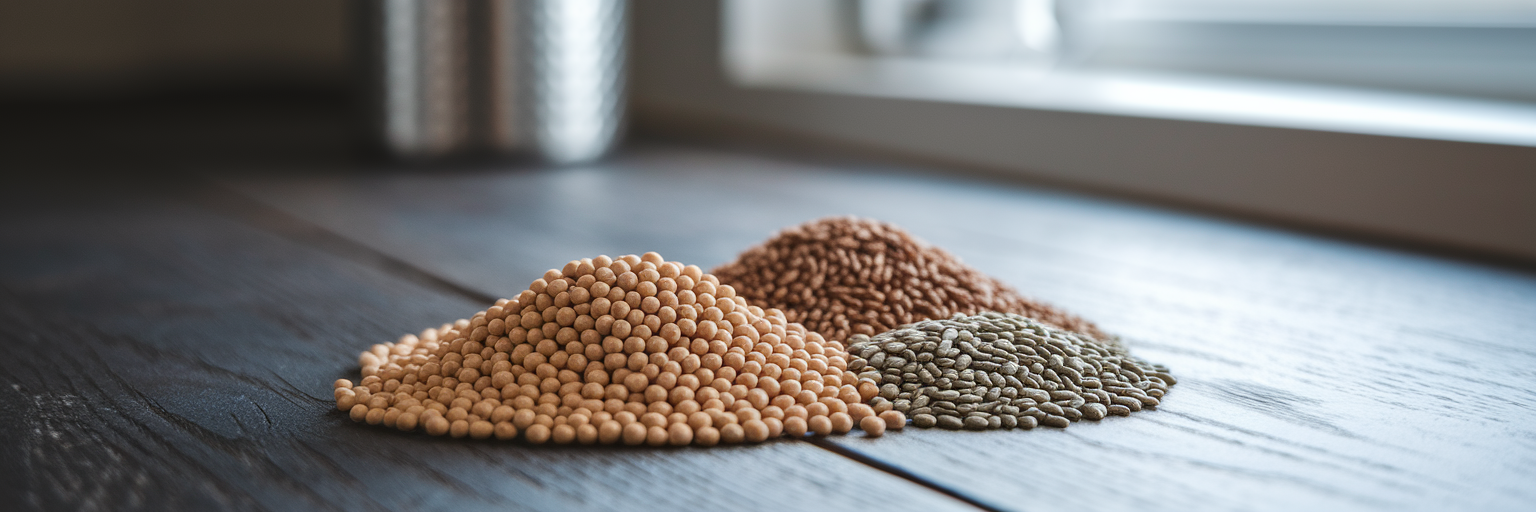
For years, a common concern among athletes was that plant proteins were "incomplete," meaning they lacked one or more essential amino acids. While it's true that a single plant source, like rice, might be low in a particular amino acid, this view is outdated. Modern vegan protein powders are expertly formulated by blending complementary sources, such as pea and rice protein. This combination creates a complete and robust amino acid profile that provides your muscles with everything they need for effective repair.
The Power of Leucine in Vegan Blends
Among all the amino acids, one stands out as the master switch for MPS: leucine. Research shows that you need to consume around 2.5 grams of leucine to effectively "flip the switch" and initiate muscle protein synthesis. High-quality vegan protein blends are specifically designed to hit this target. In fact, a 2024 study published in the journal Nutrients found that well-formulated plant protein blends can support muscle recovery just as effectively as their animal-based counterparts. This growing body of evidence confirms that choosing a plant-based option doesn't mean compromising on results. When you're looking for the right fuel, it's helpful to understand what makes some of the best protein powders so effective for athletes.
Easing Soreness and Reducing Inflammation Naturally
We all know that feeling. The day after a heavy squat session or a chipper full of burpees, when even walking down the stairs feels like a monumental task. This is Delayed-Onset Muscle Soreness (DOMS), and while it’s a sign you’ve challenged your muscles, managing it is key to consistent training. The right nutrition can play a huge role in how your body handles this post-workout soreness.
Your recovery strategy should include effective CrossFit recovery supplements, and a high-quality vegan protein is an excellent place to start. Beyond just providing the amino acids for muscle rebuilding, plant-based proteins come with an added advantage. The plant sources themselves, like peas, rice, and hemp, are packed with phytonutrients and antioxidants.
These compounds can help your body manage its natural inflammatory response to exercise. While some inflammation is a necessary part of the healing process, excessive or prolonged inflammation can increase soreness and slow down your recovery. By choosing a protein powder derived from whole-food plant sources, you’re not just feeding your muscles; you’re also giving your body extra tools to help soothe soreness. This allows you to feel less beat up and more prepared to tackle your next WOD with intensity.
Choosing Your Ideal Vegan Protein Powder

With so many options on the market, finding the best plant based protein powder can feel overwhelming. The good news is that a little knowledge goes a long way. By understanding the different protein sources and knowing what to look for on a label, you can confidently choose a product that will fuel your recovery and performance.
Understanding Common Plant Protein Sources
Different plant proteins offer unique benefits. Blends are often the best choice for athletes, as they combine the strengths of multiple sources to deliver a complete and powerful recovery tool.
| Protein Source | Key Benefits for Athletes | Best For… |
|---|---|---|
| Pea Protein | Rich in BCAAs (especially leucine), supports muscle growth | Athletes focused on muscle building and repair |
| Rice Protein | Hypoallergenic and very easy to digest | Athletes with sensitive stomachs or allergies |
| Hemp Protein | Contains healthy fats (omega-3s) and fiber | Athletes looking for added nutritional benefits |
| Blended Protein | Combines sources for a complete amino acid profile | Athletes seeking an all-in-one, optimized recovery tool |
Note: This table highlights the primary strengths of each protein source. High-quality blends, like those combining pea and rice protein, are often recommended to ensure a robust and complete amino acid profile for optimal muscle repair.
Your Label-Reading Checklist
When you're scanning a product label, don't get lost in the marketing claims. Focus on these key metrics to ensure you're getting a high-quality product:
- 25-30 grams of protein per serving: This is the ideal range to maximize muscle protein synthesis.
- At least 2.5 grams of leucine: Check for this amount to ensure you're triggering that "master switch" for muscle repair.
- Minimal added sugars: Your protein shake is for recovery, not a dessert. Look for powders with little to no added sugar.
For example, a well-formulated powder like our Chocolate Vegan Protein is designed to meet these exact specifications, making it a reliable choice for serious athletes.
Why Third-Party Testing Matters
For any athlete, but especially those who compete, knowing exactly what is in your supplement is critical. Look for certifications like NSF Certified for Sport. This indicates that a product has been tested by an independent third party to verify that it is free from banned substances and that the label claims are accurate. This seal of approval provides peace of mind and ensures you're fueling your body with a clean, safe, and effective vegan protein for athletes.
Timing and Dosage for Maximum Recovery
You’ve chosen a great vegan protein powder, so how do you use it to get the best results? While consistency is always the most important factor, a few simple guidelines on timing and dosage can help you maximize every scoop.
- Mind the "Anabolic Window": After a tough WOD, your muscles are primed to absorb nutrients. Try to consume your protein shake within 45 minutes to two hours post-workout. This helps kickstart the repair process when your body needs it most.
- Aim for 20-30 Grams: A single serving of 20-30 grams of high-quality protein is sufficient to maximize the muscle-building response. More isn't necessarily better in one sitting; it's about giving your body what it can use effectively.
- Don't Forget Carbs: A protein shake is a supplement, not a complete meal. Your WOD depleted your glycogen stores, so it's crucial to replenish them. Pairing your shake with a fast-digesting carbohydrate source, like a banana, a handful of dates, or some oats, will refuel your energy and support the recovery process. For more ideas, you can check out some of our easy and delicious protein recipes.
Remember, while nailing your post-workout nutrition is beneficial, your overall daily protein intake is what truly drives long-term progress. Think of your post-WOD shake as an important piece of a larger puzzle.
The Growing Role of Plant-Based Athletic Nutrition
The world of sports nutrition is constantly advancing, and plant-based fueling is at the forefront of that innovation. More and more athletes are discovering that a well-planned vegan approach can support elite performance without compromise. We're even seeing protein powders enhanced with functional ingredients like tart cherry and turmeric to further support recovery.
For the modern CrossFit athlete, choosing a vegan protein is no longer a sacrifice. It’s a smart, powerful, and sustainable strategy for fueling your body, managing soreness, and building strength. You are giving your body clean, effective fuel to recover faster and perform better.
Feeling inspired to take control of your recovery? We encourage you to explore the options available and find the perfect plant-based fuel to help you crush your goals.