
The Cycle of Work Stress and Afternoon Snacking
It’s 3 p.m. on a Tuesday in an office somewhere in Austin. Deadlines are looming, your inbox is overflowing, and you feel that familiar brain fog setting in. Suddenly, the vending machine down the hall or the box of donuts in the breakroom seems to have a magnetic pull. We’ve all been there. That intense urge for something sugary or salty isn’t a failure of willpower; it’s your body’s biology at work.
When you’re under pressure, your body releases a hormone called cortisol. Think of it as your internal alarm system. Cortisol signals to your brain that it needs a quick source of energy to handle the perceived threat, which in this case is your mounting to-do list. This is why you crave those high-sugar, high-fat foods. They offer the fastest fuel source available.
The problem is the "boom-and-bust" cycle that follows. That candy bar provides a momentary rush of relief and energy, but it’s quickly followed by a steep crash. Your blood sugar plummets, leaving you feeling even more tired, unfocused, and irritable than before. This often leads to reaching for another snack, and the cycle repeats. Understanding how to stop stress eating begins with recognizing this physiological pattern. It’s not about fighting your biology but working with it to find a more sustainable solution.
Breaking the Craving Loop with Plant-Based Protein

If sugary snacks are a rollercoaster for your energy levels, think of protein as a steady monorail. Introducing a high-quality vegan protein into your day is a proactive strategy to get ahead of the craving cycle before it even starts. The secret lies in how your body processes it. Unlike simple carbs, plant-based proteins are digested slowly, making them excellent blood sugar stabilization foods.
This gradual digestion provides a slow, sustained release of energy, preventing the sharp spikes and crashes that trigger intense cravings. But it does more than just balance your energy. Protein is also key for satiety, which is the feeling of being full and satisfied. It helps trigger the release of hormones that tell your brain you’ve had enough, effectively quieting the mental noise of cravings. This allows you to maintain focus on your work instead of being distracted by thoughts of your next snack.
Here’s how vegan protein for energy and craving control works:
- Slows Digestion: It provides a gradual release of energy, preventing the blood sugar spikes that lead to crashes and more cravings.
- Boosts Satiety Hormones: It sends signals to your brain that you're full, which helps reduce the constant urge to snack.
- Rich in Fiber: Many plant proteins are also a good source of fiber, which further supports stable digestion and contributes to a healthy gut, an important factor linked to mood regulation.
This extended feeling of satisfaction helps reduce the mental chatter of cravings, and you can easily get this benefit with one of these 3 easy vegan protein recipes you'll actually crave.
The Scientific Link Between Protein and Stress Resilience
The connection between protein and stress isn't just a theory; it's supported by compelling research. For instance, a compelling study published in PLOS ONE demonstrated that a high-protein meal significantly blunted the body's cortisol spike after a stressful event compared to a high-carb meal. Participants who ate the protein-rich meal also reported feeling less anxious. This suggests that what you eat can directly influence your body's hormonal response to pressure.
It's also worth noting that other research, like a study in Nutrition Journal, found that while protein boosted satiety, its direct impact on mood wasn't always statistically significant, showing that results can vary. This balanced perspective is important; protein is a powerful tool, not a magic wand. The evidence points toward a strong supportive role in helping your body become more resilient.
Experts agree on the benefits. As registered dietitian Stephanie Schiff explained to Northwell Health, chronic cortisol elevation can lead to inflammation, and protein-rich foods are a key way to help mitigate these effects. By choosing to manage cortisol with diet, you are giving your body the building blocks it needs to stay balanced. The science is compelling, and for more insights on optimizing your nutrition, our blog is a great resource.
| Factor | High-Protein Meal | High-Carbohydrate Meal |
|---|---|---|
| Cortisol Levels | Significantly lower after stress | Higher after stress |
| Reported Anxiety | Lower scores | Higher scores |
| Desire for Sweet Snacks | Reduced | Increased |
Note: This table summarizes findings from a randomized crossover trial published in PLOS ONE, comparing the physiological and psychological responses to different meal types after a stressful event.
Integrating Vegan Protein into Your Hectic Workday
Knowing the benefits is one thing, but putting them into practice during a busy week is another. The key is to make it convenient. You don’t need a complicated routine to reap the rewards. Many professionals are already using this strategy to stay sharp and productive all day long.
Here are a few simple, actionable ways to make vegan protein a part of your work life:
- Start Your Day Strong: A protein smoothie in the morning helps set a stable energy baseline for the entire day. This simple step can prevent the mid-morning slump and the desperate search for coffee and pastries.
- Preempt the 3 p.m. Crash: Don’t wait for the craving to hit. Having a protein shake around 2 or 3 p.m. is one of the best healthy snacks for work because it’s proactive. It refuels your brain and body before your energy dips.
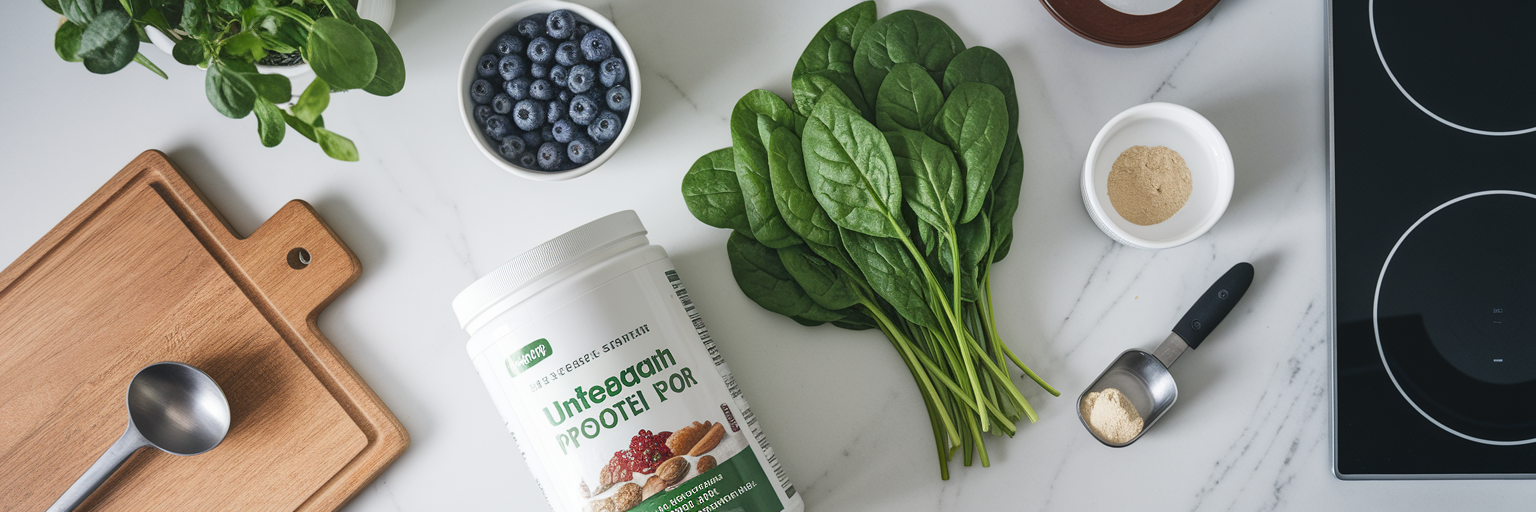
- Keep it Simple: You don’t need a blender and a dozen ingredients. The quickest option is to simply mix a scoop of a high-quality powder, like our Chocolate Vegan Protein, with water or almond milk in a shaker bottle. For a little extra, blend it with spinach and berries for more nutrients.
This small habit shift reframes protein from just a fitness supplement to a powerful tool for career success. Finding the right flavor and formula that works for you is key, so feel free to explore our complete collection of plant-based supplements.
How to Choose a High-Quality Vegan Protein Powder
Not all protein powders are created equal. Many on the market are filled with hidden sugars, artificial ingredients, and fillers that can actually contribute to the blood sugar rollercoaster you’re trying to avoid. This is a real concern, as some reports, like one from Diabetes Care Community, advise checking labels carefully to avoid hidden sugars that can disrupt glucose control.
To find the best plant based protein powder for your needs, look for a few key markers of quality. Here’s a simple checklist to guide you:
- A Short, Clean Ingredient List: Fewer ingredients is often a sign of a higher-quality product. You should be able to recognize everything on the label.
- Zero or Low Added Sugar: Check the nutrition panel for grams of added sugar. It should be minimal to none to support stable blood sugar.
- Natural Flavors and Sweeteners: Look for ingredients like monk fruit or stevia instead of artificial sweeteners like sucralose or aspartame.
- A Complete Amino Acid Profile: A blend of different plant proteins, such as pea and rice protein, ensures you get all the essential amino acids your body needs for everything from muscle maintenance to brain function.
To help you navigate the options, we've put together a guide on finding the best protein powders for your goals. If you have more questions about ingredients or how our protein is made, check out our FAQs page for answers. Ready to take control of your workday energy? Share this with a coworker who needs it!