
The Weight Loss Dilemma: Losing Fat, Not Muscle
The number on the scale is dropping, but what are you actually losing? Is it the fat you want to shed, or is it the lean muscle you’ve worked so hard to build? This is a common concern for anyone on a weight loss journey, and it’s a valid one. When your body is in a calorie deficit, it looks for energy sources to keep things running.
Think of it this way: your body has two primary fuel reserves. It has stored body fat, which is like a big pile of firewood, and it has muscle tissue, which is like the furniture in your house. When you don't get enough energy from food, your body can start breaking down muscle for fuel. It’s like burning your furniture for warmth when you have plenty of firewood available. This process, known as catabolism, is exactly what we want to avoid.
So, how to keep muscle while losing fat? The answer lies in sending your body the right signals. High-quality protein acts as that signal, telling your body to use the "firewood" (fat) for energy while preserving the "furniture" (muscle). This article will guide you through understanding this process, exploring the unique benefits of plant-based protein, and giving you practical tips to maintain your strength as you reach your goals.
The Science of Protein and Muscle Preservation
To truly understand how to protect your muscles, it helps to know what’s happening behind the scenes. Protein isn’t just a macronutrient; it’s the primary tool your body uses for repair, maintenance, and growth, especially when it comes to muscle tissue.
Amino Acids: The Building Blocks of Muscle
Every protein you eat is broken down into its fundamental components: amino acids. These are the essential "bricks" your body uses to repair the tiny micro-tears in your muscles that occur during exercise. Without a steady supply of these bricks, your body can’t rebuild effectively, leading to muscle loss over time.
Activating Muscle Protein Synthesis (MPS)
Muscle Protein Synthesis, or MPS, is the official term for your body's muscle-building process. Think of it as an active construction site. Consuming adequate protein, especially after a workout, keeps this construction site running efficiently. Even when you’re eating fewer calories to lose weight, a high-protein intake ensures the MPS process remains active, signaling your body to repair and maintain muscle tissue rather than breaking it down.
How Much Protein Do You Really Need?
The standard Recommended Dietary Allowance (RDA) for protein is often not enough for active individuals, especially those trying to lose weight. When you're in a calorie deficit, your body's protein needs increase. As research from Harvard Health points out, higher protein intake is crucial for preserving muscle mass. For active people, a good target is between 0.7 to 1.0 grams of protein per pound of body weight.
| Activity Level | Recommended Protein Intake (per lb of body weight) | Example for a 150 lb Person |
|---|---|---|
| Sedentary / Light Activity | 0.5 - 0.7g | 75 - 105g per day |
| Moderately Active (3-4 workouts/week) | 0.7 - 0.9g | 105 - 135g per day |
| Very Active (5+ intense workouts/week) | 0.8 - 1.0g | 120 - 150g per day |
Note: These recommendations are estimates for individuals in a calorie deficit. Protein needs can vary based on metabolism, age, and the intensity of resistance training.
The Satiety and Metabolism Boost
Protein also has two other superpowers that support weight loss. First, it’s highly satiating, meaning it helps you feel fuller for longer, which can naturally reduce overall calorie intake. Second, it has a higher Thermic Effect of Food (TEF) than fats or carbs. This means your body burns more calories just digesting and processing protein. It’s a small but helpful metabolic advantage on your journey. When looking for support, exploring some of the best protein powders we've reviewed can help you find a high-quality source.
Why Choose Vegan Protein for Your Weight Loss Goals
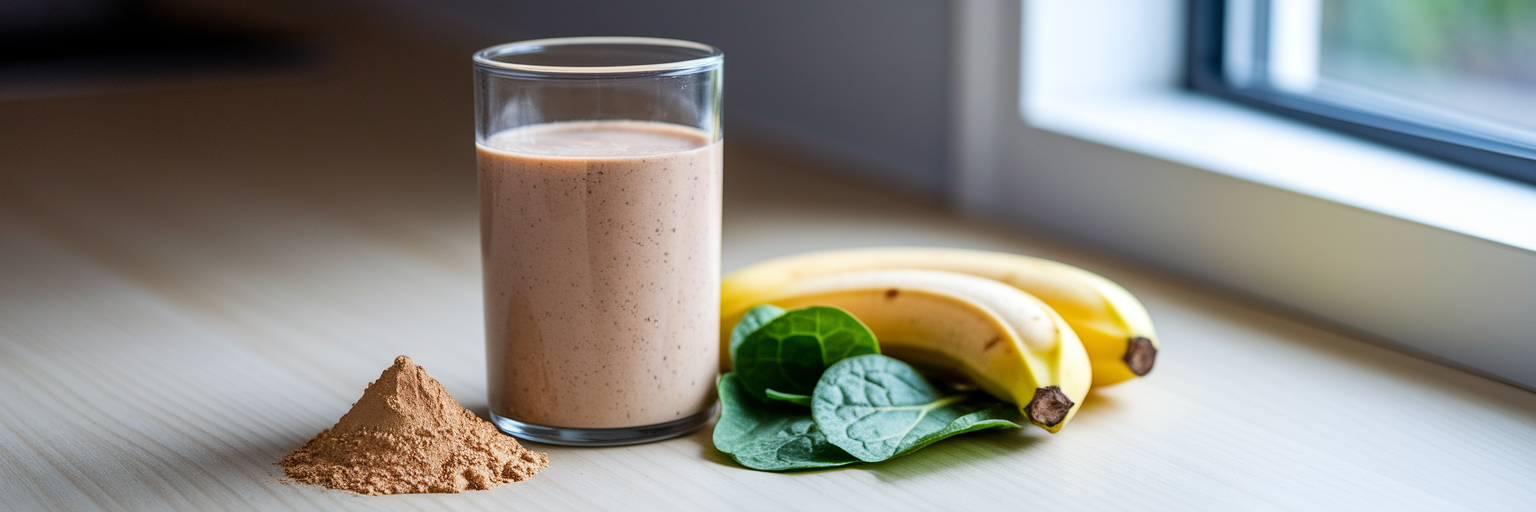
For years, a myth has circulated that plant-based proteins are "incomplete" or inferior for muscle building. Let's set the record straight: that’s simply not true. High-quality vegan protein powders offer a complete amino acid profile that is just as effective for muscle repair and growth. In fact, a 2023 study published in the National Library of Medicine found that plant protein sources can be particularly effective for improving body composition by favoring fat mass loss.
One of the biggest advantages of choosing a vegan protein for weight loss is what it *doesn't* contain. A clean protein powder for weight management is typically free from dairy, lactose, and the hormones sometimes found in whey-based products. This makes it easier on the digestive system for many people. Our formulas are crafted to be low in carbs and fats, focusing purely on delivering high-quality protein to support your goals.
We’ve all heard the complaints about plant proteins being gritty or chalky. That’s a reputation earned by older, less advanced formulas. We remember that texture, and we were determined to create something different. Modern vegan proteins, like ours, use high-quality sources like pea protein isolate to deliver a smooth, creamy texture that mixes easily and tastes great. A protein powder only works if you actually enjoy drinking it, after all.
Finally, for many of us, our choices extend beyond our own health to the health of the planet. Opting for plant-based nutrition is a more sustainable choice, reducing the environmental footprint associated with animal agriculture. Knowing your daily shake supports both your body and the planet adds another layer of satisfaction to your fitness journey. You can explore our entire collection to see what clean, sustainable nutrition looks like.
Practical Strategies for Maintaining Muscle Mass
Knowing the science is one thing, but putting it into practice is what creates results. Here are four straightforward strategies to help you use plant based protein for muscle retention and keep your strength while losing fat.
- Time Your Protein Intake: Instead of consuming most of your protein in one or two large meals, aim to spread it out. Consuming 25-30 grams of protein every 3-4 hours provides your muscles with a steady stream of amino acids for repair. A post-workout shake is especially important, as it delivers those building blocks right when your muscles are most receptive to repair.
- Prioritize Resistance Training: Protein provides the bricks, but resistance training is the blueprint that tells your body where to build. Lifting weights, using resistance bands, or doing bodyweight exercises sends a powerful signal to your body to hold onto muscle tissue, even in a calorie deficit. As experts at Houston Methodist suggest, combining a varied plant-based diet with consistent strength training is a winning formula.
- Get Creative in the Kitchen: Protein shakes are convenient, but they aren't the only way to boost your intake. Our vegan protein powders are versatile enough to be mixed into oatmeal, blended into non-dairy yogurt, or even added to pancake and waffle batter. This makes hitting your daily protein target feel less like a chore and more like a delicious part of your routine. For inspiration, check out these 3 easy vegan protein recipes you’ll actually crave.
- Supercharge Your Stack with Creatine: If you’re serious about preserving muscle and strength, consider adding creatine monohydrate to your routine. It’s one of the most researched supplements in the world and is proven to enhance strength, power output, and lean muscle growth. It’s naturally vegan and works synergistically with protein to support your goals. To learn more, you can read about the many benefits of creatine monohydrate on our blog.
What to Look for in a High-Quality Vegan Protein
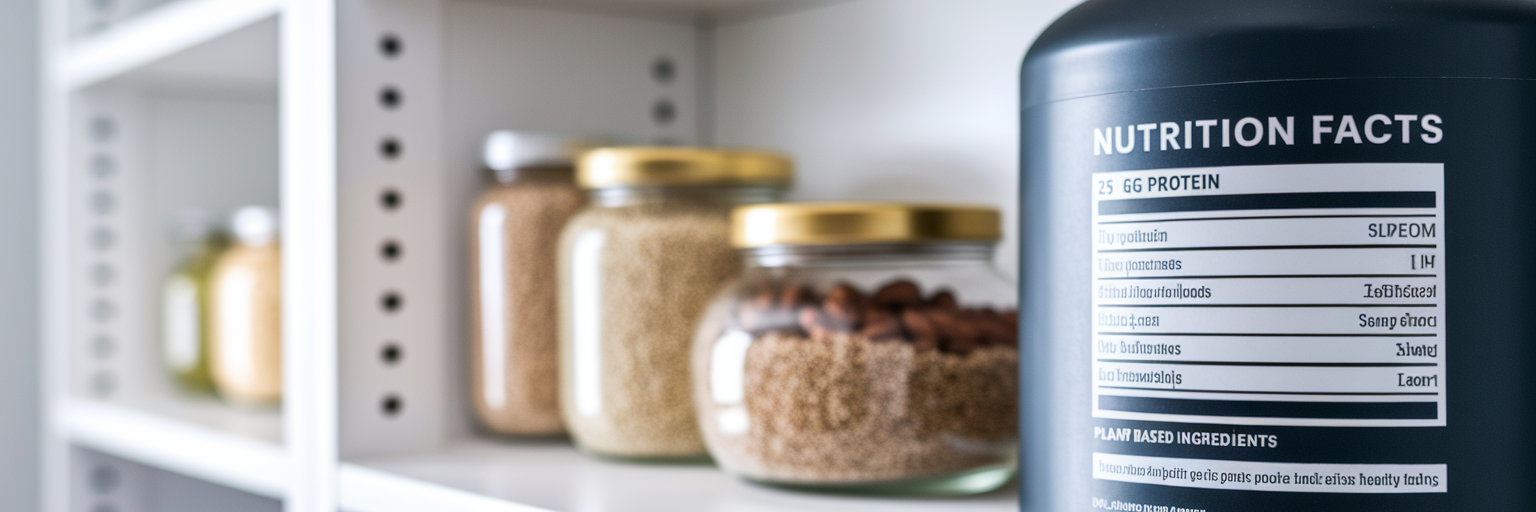
With so many options on the market, choosing the right vegan protein can feel overwhelming. A great protein powder is an investment in your health, so it’s important to know what to look for. Use this simple checklist to make an informed decision and find a product that truly supports your goals.
- Check the Protein Per Serving: Aim for a powder that provides at least 20-25 grams of protein per serving. This amount is effective for stimulating muscle protein synthesis.
- Examine the Protein Source: Look for high-quality sources like pea protein isolate, brown rice protein, or a thoughtful blend of multiple plant sources. This ensures you’re getting a complete amino acid profile.
- Read the Ingredient List: The best protein powders have short, simple, and recognizable ingredient lists. Avoid products with long lists of artificial sweeteners, fillers, gums, or sugars.
- Look for Natural Flavors and Sweeteners: Choose products that are naturally flavored and sweetened with plant-based options like stevia or monk fruit. This helps you avoid unnecessary artificial chemicals and added sugars.
- Verify Quality and Trust Signals: Look for indicators of quality, such as products that are made in the US. Some brands also use third-party testing to verify the purity and potency of their ingredients. A great example that meets these standards is our delicious Chocolate Vegan Protein.
| Feature | What to Look For | Why It Matters |
|---|---|---|
| Protein per Serving | 20-25 grams | Ensures an effective dose for muscle protein synthesis. |
| Protein Source | Pea, Brown Rice, or a Blend | Provides a complete amino acid profile for muscle repair. |
| Ingredient List | Short, simple, and recognizable | Avoids unnecessary fillers and artificial additives. |
| Sweeteners | Natural sources (e.g., Stevia, Monk Fruit) | Reduces added sugar and artificial chemical intake. |
| Third-Party Testing | Certifications for purity/quality | Verifies that what's on the label is in the tub. |
Note: This checklist helps you evaluate vegan protein powders to find a clean, effective product that aligns with your health and fitness goals.
Your Path to Sustainable Fat Loss and Muscle Health
Successful, long-term weight loss is about changing your body composition, not just chasing a number on the scale. It’s about losing fat while protecting the strong, healthy muscle you have. The key is a smart strategy that combines consistent resistance training with a high-protein diet to prevent muscle loss during weight loss.
Clean, high-quality vegan protein powders are an incredible tool to help you achieve this. They provide the essential building blocks your muscles need in a convenient, delicious, and sustainable way. With the right approach and the right fuel, you have everything you need to build a stronger, leaner, and healthier you.
Ready to fuel your journey? Explore our collection of clean vegan proteins and pure creatine at Beyond Good Foods. If you found this helpful, share it with a friend who's on their own fitness journey!