

Why This Combo Is a Game-Changer for Plant-Based Athletes
If you're a plant-based athlete who loves high-intensity interval training, you probably know the feeling. You push hard, give it your all, but sometimes hit a performance ceiling. The next day, the muscle soreness can be so intense it makes you question if you can show up with the same energy for your next session. It's a common frustration, but it doesn't have to be your reality.
This isn't about a miracle cure. It's about a smart, science-backed nutritional strategy: the vegan protein and creatine combo. Think of it as your support system for pushing past those familiar hurdles. This combination is designed to help you tap into more power during your workouts and recover more efficiently afterward.
We're going to walk through exactly what each supplement does, how they work together, and how you can easily add them to your routine. The goal is simple: to help you feel tangible improvements in your energy, strength, and recovery, so you can keep crushing your HIIT goals consistently.
Understanding Creatine's Role in High-Intensity Training
Let's clear up any confusion about creatine. In simple terms, creatine acts like a rapid-recharge power bank for your muscles. During the explosive bursts of a HIIT workout—like a sprint, a heavy lift, or a box jump—your muscles use a high-energy molecule called ATP. Creatine helps your body quickly regenerate that ATP, allowing you to squeeze out a few more reps or maintain your speed for a little longer.
This is where it gets particularly interesting for plant-based athletes. Since creatine is primarily found in animal products, those on vegan or vegetarian diets naturally have lower creatine stores in their muscles. This means supplementation often provides a more noticeable performance boost compared to what omnivores might experience. It’s one of the reasons it’s considered the best creatine for vegans looking for an edge.
You don't just have to take our word for it. In fact, research published in the National Library of Medicine found that after just seven days of supplementation, a vegetarian group showed a greater increase in lean tissue and total work performed during sprints compared to non-supplementing groups. For you, this means creatine isn't just another supplement; it's a way to ensure your muscles have the immediate fuel they need to perform at their peak. If you're curious about the full spectrum of its advantages, our guide on how effective creatine monohydrate really is covers everything you need to know.
Fueling Muscle Repair with Quality Vegan Protein
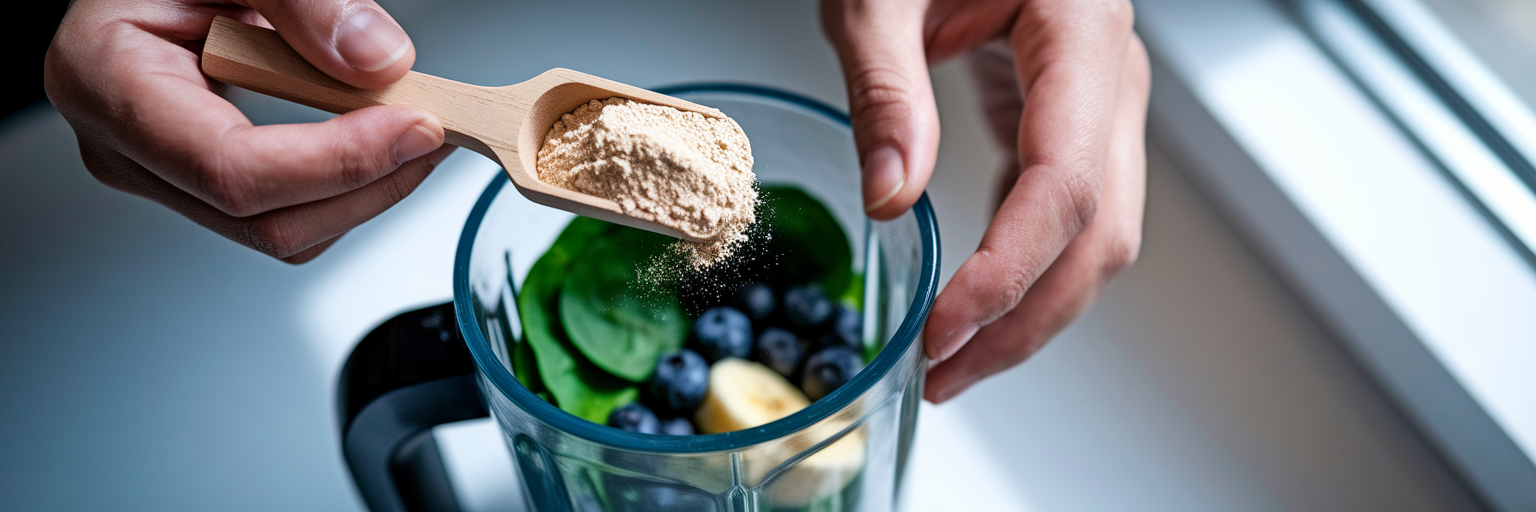
While creatine handles the energy supply during your workout, vegan protein takes over the moment you finish your last set. Every intense HIIT session creates tiny micro-tears in your muscle fibers. This might sound bad, but it's actually the necessary signal your body needs to rebuild and get stronger. To do that, it needs the right materials.
Think of protein as the essential toolkit for this repair job. The amino acids within the protein are the building blocks that mend those muscle fibers, helping them grow back stronger and more resilient. Without enough protein, your body can't effectively manage this process, which often leads to prolonged soreness and slower progress. This is where strategic plant based muscle recovery comes into play.
To ensure your body has everything it needs, it's important to choose a high-quality protein source. Here are a few excellent vegan options:
- Pea Protein: A popular choice rich in Branched-Chain Amino Acids (BCAAs), which are particularly important for muscle building.
- Soy Protein: One of the few plant sources that is a complete protein, meaning it contains all nine essential amino acids.
- Rice Protein: A great hypoallergenic option that is often blended with pea protein to create a complete amino acid profile.
By providing your body with adequate protein after a workout, you directly support the repair process, reduce soreness, and get back to your next session feeling ready to go. Finding the right one can be a journey, which is why we put together a guide on the best protein powders to help you choose.
The Synergy of Combining Both Supplements
This is where the magic really happens. Taking creatine or protein alone is beneficial, but combining them creates a powerful one-two punch for performance and recovery. They work on different pathways at different times to support your entire fitness cycle.
Here’s how it works: creatine boosts your power and endurance *during* the workout. It allows you to push harder, lift heavier, and complete more reps. This increased intensity creates a greater stimulus for muscle growth. Then, vegan protein steps in *after* the workout to provide the raw materials needed to repair the muscle tissue you just worked. This synergy creates a powerful cycle: you train harder, which signals a greater need for repair, and then you provide the exact nutrients to recover faster and build more strength.
Many people wonder how to take creatine with protein. The good news is, it's incredibly simple. The two supplements don't interfere with each other. You can conveniently mix an unflavored creatine monohydrate powder directly into your post-workout protein shake. This ensures you're replenishing energy stores and kickstarting muscle repair at the same time.
| Supplement Strategy | Primary Function | Key Outcome for HIIT |
|---|---|---|
| Vegan Protein Only | Muscle Repair & Recovery | Reduces soreness and supports muscle maintenance. |
| Creatine Only | ATP Energy Regeneration | Increases power for sprints and lifts during the workout. |
| Vegan Protein + Creatine Combo | Energy Production & Muscle Repair | Enables harder training sessions and accelerates recovery for faster strength gains. |
Note: This table illustrates how each supplement addresses a different part of the athletic performance cycle. The combination provides comprehensive support for both in-workout energy and post-workout recovery.
Your Practical Guide to Dosing and Timing

Let's make this simple and actionable. Here is a straightforward guide to incorporating this combo into your routine for the best results.
- Creatine Dosing: Keep it simple with a daily maintenance dose of 3-5 grams. While some people do an initial "loading phase" with higher doses, a consistent daily amount is just as effective over time and much easier to manage. For a pure, effective option, our Creatine Monohydrate is a perfect choice to add to any drink.
- Protein Intake: Aim for 20-40 grams of protein in your post-workout shake. This amount has been shown to effectively stimulate muscle protein synthesis, the process of rebuilding muscle.
- Optimal Timing: The best time to take your vegan protein and creatine combo is within an hour after your HIIT session. Your muscles are most receptive to nutrients during this window, making it the ideal time to replenish energy and kickstart recovery. This is one of the most effective ways to use HIIT supplements for energy and repair.
- The Golden Rule—Consistency: While timing is helpful, consistency is what truly drives results. This is especially true for creatine, which works by saturating your muscles over time. Make sure to take it every day, even on your rest days, to maintain those optimal levels. Mixing it with a scoop of our Chocolate Vegan Protein makes for a delicious and effective recovery shake.
Beyond Muscle: Brain Boosts and Safety
The benefits of creatine don't stop at your muscles. Your brain is an energy-hungry organ that also uses creatine to fuel its functions. For this reason, supplementation can support cognitive processes like focus and mental clarity. This is one of the most overlooked vegan athlete performance tips. During a tough HIIT workout, mental fatigue can be just as limiting as physical fatigue. A sharper mind can help you maintain proper form, stay motivated, and push through those final, challenging intervals.
Recent reviews, such as one published in the journal Nutrients, highlight that creatine supplementation can enhance cognitive function, which is a significant advantage during mentally demanding workouts.
Now, let's talk safety. Creatine is one of the most extensively researched supplements on the market, with a strong and well-established safety profile. The most commonly reported side effect is minor water retention, which is simply a sign that the creatine is being stored in your muscles. To ensure everything functions smoothly, just remember to stay well-hydrated throughout the day. This balanced approach ensures you get all the benefits without any worry.
Ready to Elevate Your Next Workout?
Combining vegan protein and creatine is a straightforward and effective strategy to get more out of your hard work. It gives you more power in your workouts and helps you recover faster afterward, allowing you to break through fitness plateaus and consistently perform at your best.
Found this guide helpful? Share it with a friend on their fitness journey! Ready to feel the difference? Explore our full range of high-quality, plant-based supplements.