

The Unique Recovery Demands of CrossFit
You know the feeling. The timer beeps, you collapse to the floor, and for a moment, the only thing you can hear is your own heartbeat. That’s the aftermath of a CrossFit Workout of the Day (WOD). It’s a unique blend of exhaustion and accomplishment that comes from pushing your body to its absolute limit. But what exactly is happening inside your body during those intense sessions?
CrossFit’s magic lies in its constant variation. One day you’re doing heavy deadlifts and sprints, the next it’s a grueling mix of pull-ups, box jumps, and rowing. This combination of metabolic conditioning, gymnastics, and weightlifting places a severe and unpredictable stress on your system. Your muscles endure tiny injuries, often called muscle micro-tears, which are the source of that familiar next-day soreness, or Delayed Onset Muscle Soreness (DOMS).
At the same time, your body burns through its fuel reserves, known as glycogen, leaving you feeling depleted. Because every WOD presents a new challenge, your body is in a constant state of adaptation and repair. Without a dedicated recovery strategy, this stress can accumulate, leading to plateaus, burnout, or even injury. This is why your CrossFit post workout nutrition isn't just a good idea; it's the non-negotiable foundation for staying in the game, feeling strong, and coming back ready for whatever the whiteboard throws at you next.
How Protein Rebuilds and Repairs Muscle

So, we’ve established that a tough workout essentially damages your muscles. How does your body fix it? The process is called Muscle Protein Synthesis (MPS), and it’s best imagined as a construction crew arriving at a damaged building. The workout is the earthquake, and the protein you consume provides the crew and materials needed to rebuild everything stronger than before.
Proteins are made of amino acids, which are the literal building blocks for this repair job. Your body can produce some amino acids on its own, but there are nine it cannot. These are called Essential Amino Acids (EAAs), and you must get them from your diet. Think of them as specialized materials that the construction crew can't make on-site and must have delivered.
Within this group of EAAs, one stands out: Leucine. Leucine acts like the foreman on the construction site. It’s the amino acid that signals the start of the rebuilding process, effectively telling your body, "Okay, let's get to work!" This is why a protein source rich in leucine is so valuable for recovery.
You may have heard about the 30-minute "anabolic window," a supposedly magical timeframe to consume protein post-workout. While a shake right after your WOD is great for kickstarting recovery, the window is much wider than we once thought. What truly matters is maintaining a consistent supply of protein throughout the day to keep that construction crew working steadily. Finding delicious ways to do this, like with some of our easy vegan protein recipes, makes it feel less like a chore and more like a treat.
The Case for Plant-Based Protein in High-Intensity Training
For years, a persistent myth in the fitness world suggested that plant-based proteins were somehow inferior for building muscle. Let's put that idea to rest. Modern vegan protein powders are intelligently designed, often blending multiple plant sources like pea and brown rice. This blending strategy creates a complete amino acid profile, providing all the EAAs your body needs for effective muscle repair, including plenty of that all-important "foreman," leucine.
But does it work as well as whey? Research says yes. According to a recent review highlighted on News-Medical.net, plant based protein for athletes can be just as effective as whey for muscle recovery when consumed in adequate amounts. This means you can get all the muscle-building benefits without any compromise.
Beyond muscle repair, plant-based proteins offer some distinct advantages. They are naturally lactose-free, which is a huge plus for athletes who experience bloating or digestive discomfort from dairy-based whey proteins. We’ve all been there, feeling sluggish after a shake, and that’s the last thing you want when you’re trying to recover. Plant proteins are also a great source of fiber, which supports a healthy gut. And for many in the US and beyond, the sustainability factor is a major win. Plant-based nutrition has a significantly lower environmental footprint, allowing you to fuel your body while being kinder to the planet.
| Feature | Plant-Based Protein Blends | Whey Protein |
|---|---|---|
| Amino Acid Profile | Complete profile achieved via blending (e.g., pea + rice) | Naturally complete profile |
| Key Amino Acid (Leucine) | High levels, comparable to whey in proper serving sizes | Naturally high in leucine |
| Digestibility | Generally easy to digest; free of lactose | Contains lactose, which can cause bloating for some |
| Allergens | Free from common allergens like dairy and soy (depending on source) | Dairy is a major allergen |
| Sustainability | Lower environmental footprint (less water and land use) | Higher environmental impact from livestock farming |
This table compares key attributes relevant to athletes. The choice often comes down to dietary needs, digestive tolerance, and personal values regarding sustainability.
Choosing a High-Quality Vegan Protein Powder
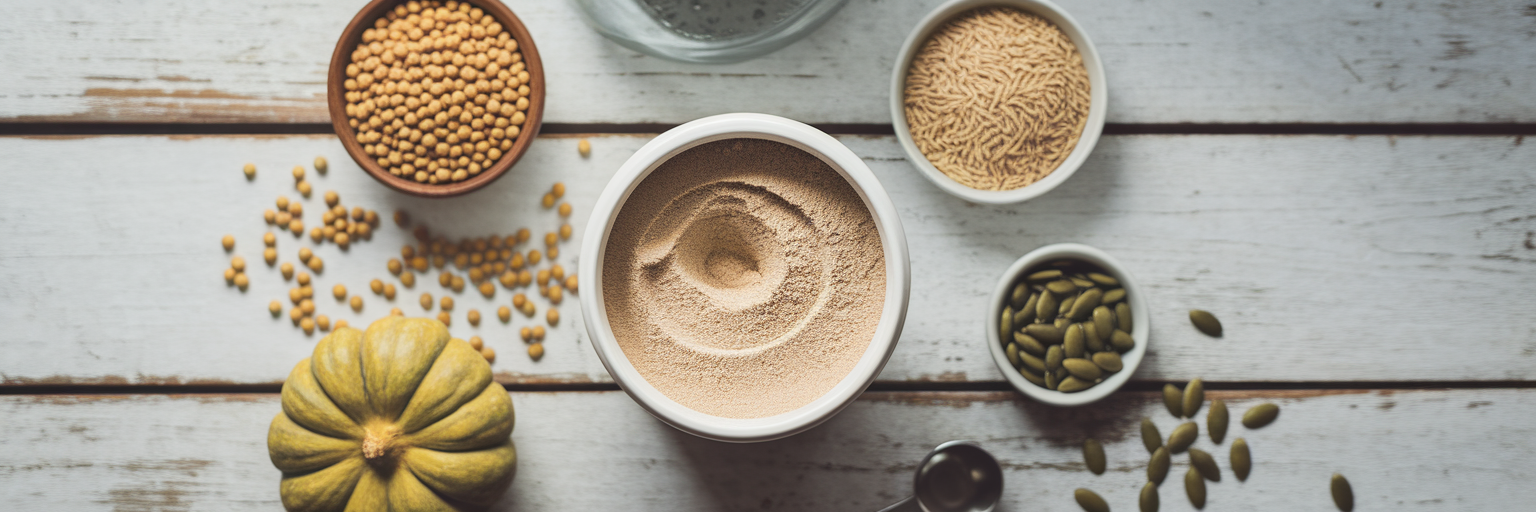
With so many options on the shelf, finding the best vegan protein for muscle repair can feel overwhelming. How do you know which one will actually help you reach your goals? Here’s a simple checklist to guide you.
- Analyze the Amino Acid Profile: Don’t just grab the first tub you see. Look for a powder that uses a multi-source blend, such as pea, brown rice, or pumpkin seed protein. This combination ensures you’re getting a complete profile of all nine essential amino acids needed for optimal recovery.
- Verify Protein Content and Purity: For serious recovery, aim for a powder that delivers at least 25 grams of protein per serving. You might also see the term "protein isolate." This means the protein has been filtered to remove most of the carbs and fats, resulting in a purer, more concentrated protein source that’s ideal for supporting lean muscle.
- Scan for Clean Ingredients: Turn the tub around and read the label. A top-tier clean protein powder for athletes should have a short, understandable ingredient list. Avoid products loaded with artificial sweeteners like sucralose, unnecessary fillers, or gums. Your protein shake should be fuel, not a science experiment. We believe in using only natural flavors and ingredients for a difference you can taste and feel.
- Look for Third-Party Certifications: For competitive athletes, this is crucial. Certifications like NSF Certified for Sport guarantee that a product has been tested and is free from banned substances. As many top-tier brands demonstrate, this certification provides peace of mind. When you're ready, you can explore some of our clean and effective options that align with these high standards.
Building Your Ultimate Post-WOD Recovery Stack
Now that you know what to look for in a protein powder, let's talk about putting it all together. Creating an efficient recovery routine is simpler than you think. The goal is to give your body exactly what it needs, right when it needs it.
Start with a vegan protein shake within an hour of finishing your WOD. This delivers those essential amino acids to your muscles quickly, kickstarting the repair process. But to really enhance your results, consider adding creatine monohydrate to your shake. Creatine is one of the most researched supplements on the planet, proven to help increase strength, power output, and muscle endurance. For CrossFit, where explosive power is key, it’s an invaluable tool. As we explain in our guide to creatine's benefits, it works by helping your body regenerate energy more rapidly during short, intense bursts of effort.
The best part? It’s incredibly convenient. A high-quality, unflavored creatine monohydrate mixes invisibly into any protein shake, creating a single, powerful recovery drink. To keep your protein intake consistent throughout the day, try these simple ideas:
- Mix a scoop of protein powder into your morning oatmeal or a plant-based yogurt.
- Add protein powder to your pancake or waffle batter for a muscle-building breakfast.
- Create no-bake protein energy bites for a quick and easy snack on the go.
A Holistic Approach to Fueling Performance
While a smart supplement strategy is a powerful tool, it’s important to remember that supplements are meant to do just that: supplement a solid nutritional foundation. The best results come from a holistic approach to health and performance.
Your body still needs high-quality whole foods. Complex carbohydrates from sources like sweet potatoes and quinoa are essential for replenishing those glycogen stores we talked about, giving you the energy to perform. Healthy fats from avocados and nuts play a vital role in hormone function and overall health. Think of your vegan protein for CrossFit recovery as one key player on a much larger team.
And recovery doesn’t stop in the kitchen. Prioritizing 7-9 hours of quality sleep, staying hydrated throughout the day, and incorporating active recovery like stretching and mobility work are just as important. Listening to your body is your greatest skill as an athlete. By combining smart supplementation with a commitment to overall wellness, you’re not just recovering from你的 last workout—you’re building a more resilient, powerful, and healthier version of yourself. To continue learning, feel free to explore more tips and resources on our blog.