
The Modern Athlete's Soy-Free Dilemma
For years, soy protein has been a cornerstone of the plant-based supplement world. It’s a complete protein and historically cost-effective, which is why you see it everywhere. But for a growing number of athletes, this presents a real problem. With soy allergies affecting a significant portion of the US adult population, as noted by sources like GrowingNaturals, many people on high-protein diets face a serious challenge.
We often think of allergies as immediate, obvious reactions like hives or itching. For an athlete, however, the effects can be far more subtle and damaging to performance. A low-grade intolerance to soy can lead to persistent digestive distress, bloating, and systemic inflammation. Think about it: how can you perform at your best when your body is quietly fighting itself?
This internal battle can directly impair nutrient absorption and slow down muscle recovery, effectively sabotaging your hard work in the gym. That feeling of being constantly sluggish or not recovering properly might not just be overtraining. It could be your protein powder. This makes the search for a soy free vegan protein for athletes not just a dietary preference, but a critical component of maintaining peak physical condition.
Pea Protein's Rise to Prominence
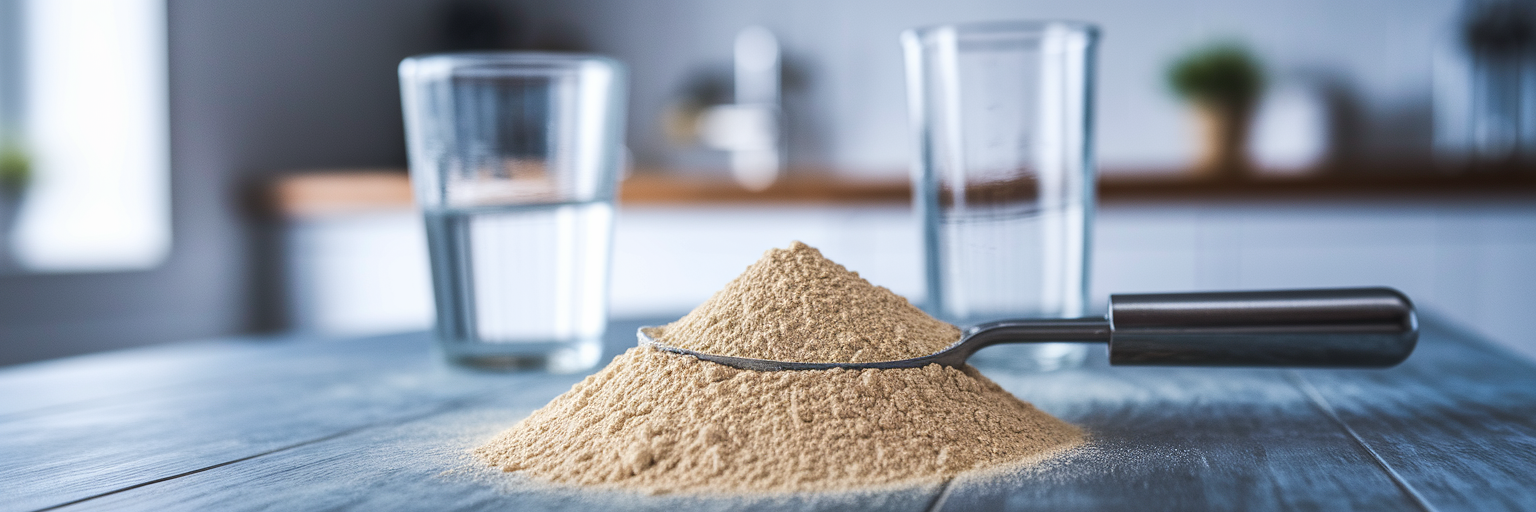
With the challenges of soy clearly defined, athletes began searching for a worthy alternative. Enter pea protein. Derived from yellow split peas, this high-quality isolate has quickly become the premier soy-free solution. Modern processing yields a fine powder that typically contains around 80% protein, but its real power lies in its amino acid profile.
Pea protein is impressively rich in branched-chain amino acids (BCAAs), especially leucine. Leucine acts as the primary trigger for muscle protein synthesis, the process that repairs and builds muscle tissue after a workout. This makes pea protein for muscle growth incredibly effective. It’s not just a theory; the science backs it up. A 2024 meta-analysis highlighted by Legion Athletics confirmed that pea protein supports strength and lean mass gains on par with whey protein, solidifying its place as a top-tier athletic fuel.
If you’ve been hesitant to try plant proteins because of past experiences with gritty textures, it’s time to reconsider. We’ve all had that chalky shake that’s a struggle to finish. Thankfully, today’s advanced processing techniques have solved that problem, creating smooth, easily mixable powders. While pea protein is a fantastic soy-free option, understanding the full range of the best protein powders we've reviewed can help you make an even more informed choice.
Exploring Other Powerful Soy-Free Proteins
While pea protein often takes the spotlight, it’s not the only player on the field. Several other powerful, soy-free options offer unique benefits, making them excellent choices depending on your specific goals. Finding the best plant protein without soy sometimes means looking at a team of ingredients.
Rice Protein: The Hypoallergenic Partner
Brown rice protein is another fantastic hypoallergenic option that’s gentle on the digestive system. It’s a solid source of protein, but it is naturally lower in the essential amino acid lysine. Because of this, it works best when paired with a protein like pea, which is high in lysine, to create a complete and balanced profile.
Hemp Protein: The Functional Powerhouse
Hemp protein offers more than just amino acids. While its protein content is slightly lower, it’s packed with omega-3 fatty acids and fiber. These nutrients are fantastic for helping manage inflammation and supporting overall gut health, making it a great addition to a wellness-focused athlete’s routine.
Pumpkin Seed Protein: The Nutrient-Dense Newcomer
Pumpkin seed protein is quickly gaining fans, and for good reason. It delivers a solid protein punch and is exceptionally rich in valuable micronutrients like iron and magnesium, which are crucial for energy production and muscle function. Its popularity is surging, with early 2025 consumer surveys cited by Everyday Health showing a significant increase in adoption among endurance athletes.
| Protein Source | Typical Protein Content | Key Nutritional Benefit | Best Use Case |
|---|---|---|---|
| Rice Protein | ~70-80% | Hypoallergenic and easily digestible | Blended with pea protein for a complete amino acid profile |
| Hemp Protein | ~50% | Rich in omega-3s and fiber | Supporting overall wellness and digestive health |
| Pumpkin Seed Protein | ~60% | High in iron and magnesium | Endurance athletes and those needing micronutrient support |
Note: Protein content can vary by brand and processing method. This table provides a general comparison to help guide your choice based on your primary fitness and health goals.
Now that you know the benefits of pea, rice, and pumpkin seed proteins, you can explore our collection of clean, plant-based supplements to find the perfect fit.
The Power of Blends for a Complete Profile

You might be wondering, why not just stick to one protein source? For an athlete, getting a "complete protein"—one that contains all nine essential amino acids your body can't produce on its own—is non-negotiable for optimal muscle repair and growth. This is where the science of blending comes in.
Think of it like building a high-performance team. By combining different plant proteins, we can create a synergistic formula that is greater than the sum of its parts. For example, combining pea protein (which is high in lysine) with rice protein (which is lower in lysine but higher in other aminos) creates a robust and complete amino acid plant protein profile that rivals traditional animal-based sources.
A well-designed blend isn’t just about filling nutritional gaps; it’s about creating a more powerful and effective fuel for your body. This approach maximizes your body's ability to recover and adapt to training. It’s no surprise that this has become standard practice in formulas for elite athletes, a trend noted by Sports Illustrated as early as 2023, demonstrating its proven effectiveness. Our Chocolate Vegan Protein is a perfect example of a powerful blend, designed to deliver a complete amino acid profile with a smooth, delicious taste.
Decoding Labels for Safe and Effective Choices
Choosing the right product can feel overwhelming, but a few key checks can turn you into a confident shopper. Here’s a simple guide to finding high-quality, allergy friendly protein powders:
- Read the Ingredient List First: This sounds obvious, but it's crucial. Look for an explicit "soy-free" claim on the front of the package. Also, be mindful of "may contain soy" warnings on the back. This indicates the product was made in a facility that also processes soy, posing a risk for cross-contamination.
- Look for Third-Party Certifications: Labels like NSF Certified for Sport or Informed-Sport are your assurance of purity. They verify that the product contains what it says it does and is free from banned substances—a must for competitive athletes.
- Check the Protein Content: For your post-workout shake to be effective, aim for a product that provides at least 20-25 grams of protein per serving. This is the amount generally needed to properly trigger muscle protein synthesis and kickstart the recovery process.
Transparency is becoming an industry-wide focus, reinforced by the FDA's 2023 guidance on allergen labeling for supplements. If you have more questions about our ingredients or certifications, our FAQs page is a great resource.
Integrating Soy-Free Protein into Your Routine
You’ve found the perfect soy-free protein. Now what? Integrating it into your daily routine is simple and can make a huge difference in your results.
- Time It Right: For optimal recovery, try to have a protein shake within 30-60 minutes after your workout. This helps replenish your muscles when they are most receptive to nutrients.
- Think Beyond the Shaker: Don't limit yourself to shakes! Adding a scoop of protein powder to your morning oatmeal, a smoothie, or a bowl of plant-based yogurt is an easy way to boost your daily protein intake and keep you feeling full. For more inspiration, check out these 3 Easy Vegan Protein Recipes You'll Actually Crave.
Remember, having a soy allergy doesn’t have to be a barrier to your fitness ambitions. With so many high-quality, effective, and delicious soy-free options available, you have all the tools you need to fuel your performance and feel your absolute best.