

The Weekend Warrior's Recovery Challenge
We all know the feeling. After a long week behind a desk, Saturday morning finally arrives. You hit the trail for a long hike, join a pickup basketball game, or push yourself in the gym. It feels great in the moment, but by Sunday or Monday, a familiar soreness sets in. This is the classic experience of the American weekend warrior, and it highlights a common challenge: the physical toll of infrequent, high-intensity exercise.
That post-workout ache, often called Delayed Onset Muscle Soreness (DOMS), is a sign that you’ve created tiny micro-tears in your muscle fibers. This is a normal part of getting stronger. Your body responds by dispatching a natural repair crew to rebuild those fibers, a process known as muscle protein synthesis. But for this crew to do its job effectively, it needs the right building blocks. That essential material is protein.
Without enough protein, your body struggles to repair and rebuild, leaving you feeling sore and fatigued for longer. This is why smart recovery is so important. Interestingly, many recreational athletes are now looking toward plant-based nutrition to meet these needs. This shift is part of a larger movement in the United States, with a reported surge in interest for high-protein vegan meals among active individuals, according to EatingWell. For those looking for effective weekend warrior recovery tips, vegan protein offers a powerful and clean solution.
Why Choose Vegan Protein for Muscle Repair
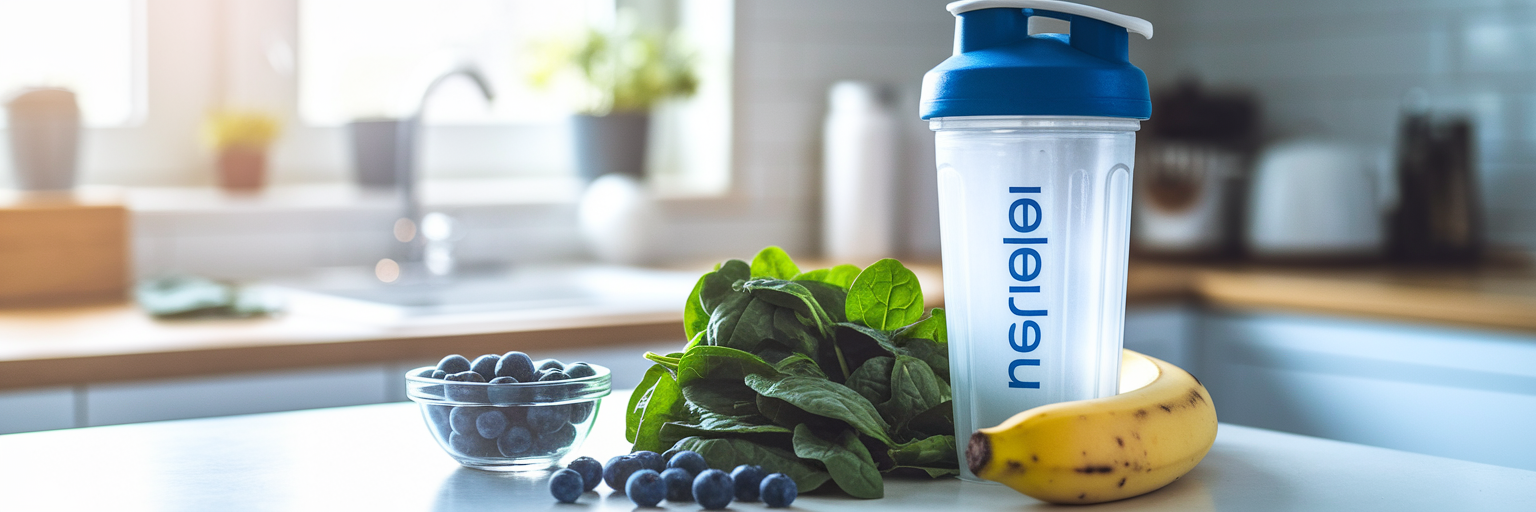
So, your body needs protein to repair itself. But why choose a plant-based source? Think of vegan protein as clean fuel. It delivers the essential amino acids your muscles crave for repair without the saturated fat and cholesterol sometimes found in animal-based products. This is one of the key benefits of vegan protein for anyone leading an active lifestyle.
You might have heard the myth that plant proteins are "incomplete." While it's true that some individual plant sources are low in certain amino acids, modern vegan protein powders solve this easily. By blending complementary proteins, such as pea and rice, we can create a robust and complete amino acid profile. As the Gatorade Sports Science Institute notes, this blending strategy creates a high-quality protein that effectively supports muscle conditioning.
Here’s what makes a well-formulated vegan protein stand out:
- Complete Amino Acid Profile: By combining different plant sources, you get all the essential amino acids required to kickstart muscle protein synthesis and rebuild stronger.
- Anti-inflammatory Perks: Plants are naturally rich in antioxidants and phytonutrients. These compounds can help manage exercise-induced inflammation, supporting a more comfortable and holistic recovery process.
- Digestive Friendliness: Many people find plant-based proteins gentler on their stomach compared to dairy-based options like whey. After a tough workout, the last thing you want is digestive discomfort, making this a huge plus.
Choosing a high-quality vegan protein means you get all the muscle-building power you need without any compromise. Understanding the nuances between different plant sources can help you find some of the best protein powders available to support your goals.
Getting Your Protein Pacing Right
For years, athletes were told to rush for a protein shake within a 30-minute "anabolic window" after a workout. While getting protein in post-exercise is definitely beneficial, the science now shows that your total daily intake and how you space it out are even more important. This strategy is called protein pacing, and it’s a simple way to optimize your recovery all day long.
So, how much protein do you need? Recent guidelines published in Medicine & Science in Sports & Exercise suggest active adults aim for 1.2–2.0 grams of protein per kilogram of body weight daily. For a 175 lb (about 80 kg) person, that’s roughly 96–160 grams per day. The key is to spread this intake into meals containing 20–40 grams of protein every three to four hours. This provides your muscles with a steady supply of amino acids for repair.
This is where learning how to use vegan protein powder becomes incredibly convenient. A quick shake can help you hit one of those protein targets effortlessly, especially when you’re short on time after a workout. Here’s what a day of protein pacing could look like:
| Time | Meal/Snack | Protein Goal | Example |
|---|---|---|---|
| 8:00 AM | Breakfast | 30g | Tofu scramble with whole-wheat toast |
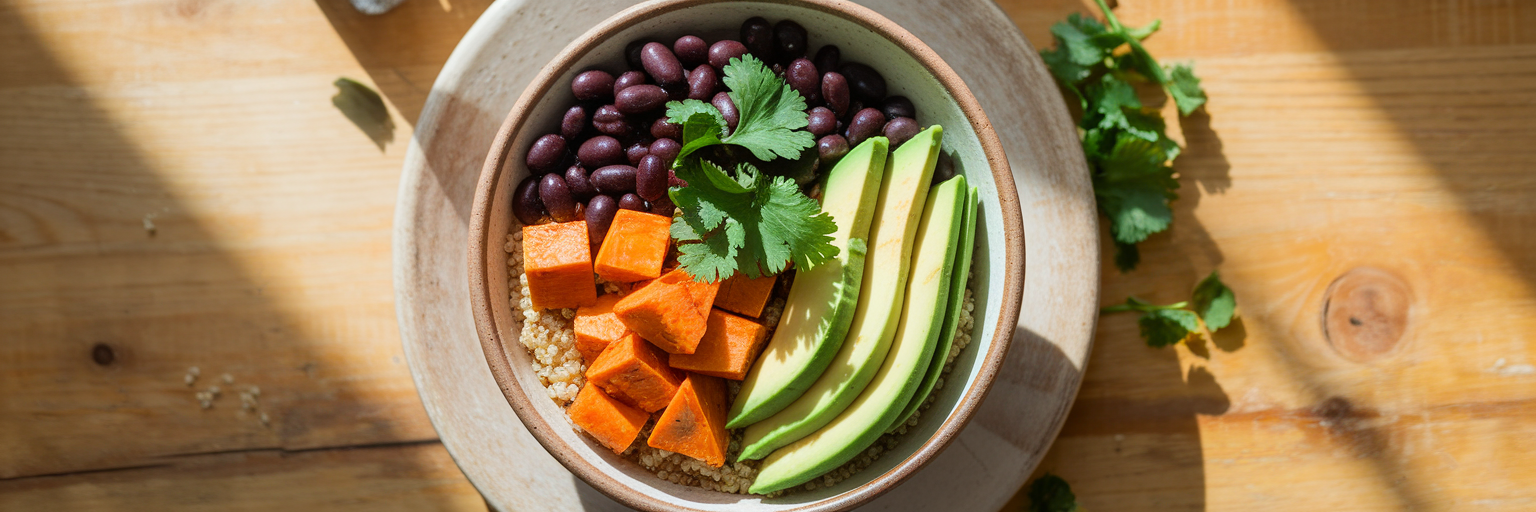
| 12:00 PM | Lunch | 35g | Large quinoa bowl with black beans and avocado |
| 4:00 PM | Post-Workout | 25g | Beyond Good Foods vegan protein shake |
| 7:00 PM | Dinner | 30g | Lentil soup with a side of edamame |
Note: This table illustrates one way to meet a daily protein goal of approximately 120g (1.5g/kg for an 80kg person) by spacing intake throughout the day. Meals and timing can be adjusted to fit individual schedules and preferences.
Quick and Effective Vegan Recovery Meals
Knowing you need protein is one thing; actually preparing it is another. The good news is that a perfect plant based post workout meal can be incredibly simple and delicious. For a quick recovery shake, you can follow a customizable formula. As recommended by dietitians in The Vegan Review, a great recovery shake combines protein with fast-acting carbs to replenish your energy stores.
Here’s the simple formula:
- 1 scoop of vegan protein powder: This provides the essential amino acids for muscle repair. A scoop of a great-tasting powder, like our Chocolate Vegan Protein, makes hitting your goals simple and delicious.
- A source of fast-acting carbs: Add a banana, a cup of berries, or a handful of mango to help restore your muscle glycogen (energy) levels.
- Your favorite liquid: Blend it all with water, almond milk, or oat milk for a smooth, creamy texture.
But recovery isn’t just about shakes. Here are a few other easy meal ideas to support your body after a tough session:
- Black Bean & Quinoa Bowl: Combine cooked quinoa with black beans, corn salsa, and a slice of avocado for a balanced meal packed with protein and complex carbs.
- Tofu Scramble on Toast: A quick tofu scramble seasoned with turmeric and black salt on a slice of whole-wheat toast is a fantastic savory option.
- Lentil and Vegetable Soup: A hearty bowl of lentil soup is warming, hydrating, and loaded with plant-based protein and fiber.
If you're looking for more delicious ways to fuel your recovery, check out these 3 easy vegan protein recipes you'll actually crave.
Optimizing Your Plant-Based Athletic Performance
Embracing a plant-based approach to fitness is about more than just protein. It’s about creating a holistic system that supports your overall wellness and performance. As you integrate more plant-based foods into your routine, here are a few final tips to help you thrive.
Consider this your checklist for success:
- Choose a Quality Protein: Look for a vegan protein for muscle recovery that offers a complete amino acid profile from blended sources. Just as important, check the label for clean ingredients without artificial sweeteners, fillers, or additives.
- Mind Your Micronutrients: While a well-planned plant-based diet is rich in nutrients, active individuals should be mindful of a few key ones, like Vitamin B12, iron, and omega-3s, and supplement if necessary.
- Consider Creatine: For an extra edge in strength and power, consider adding a proven supplement like pure Creatine Monohydrate to your routine. It is one of the most researched sports supplements available and is naturally vegan, helping you push harder during your workouts.
Ultimately, the best approach is the one that works for you. Listen to your body, experiment with different meals and timings, and pay attention to how you feel. Your fitness journey is unique, and finding the right fuel is a personal process.
Ready to find the perfect plant-based fuel for your fitness goals? Explore our complete collection of vegan supplements and take the next step in your wellness journey.