

You’ve just crushed a workout, you’re feeling great, and you reach for your vegan protein shake to help your muscles recover. But soon after, an uncomfortable, bloated feeling sets in. It’s a frustratingly common experience, but it doesn’t mean you have to give up on plant-based protein. Think of it less as a problem and more as a simple digestive puzzle you can easily solve.
Why Your Plant-Based Protein Might Cause Discomfort
That post-shake discomfort often comes down to a few key factors. Understanding them is the first step to feeling better. Plant-based proteins are naturally rich in fiber, which is fantastic for your overall health. However, a sudden increase in fiber can send your gut bacteria into overdrive, leading to extra gas and bloating as they work to break it all down. If you're wondering why does protein powder make me gassy, this is often the primary reason.
Next, take a look at the ingredient list. Many protein powders contain hidden gut irritants like sugar alcohols (think erythritol or xylitol) and thickeners such as guar gum or xanthan gum. While they improve taste and texture, these ingredients can ferment in your gut, creating gas and that familiar bloated feeling. It’s not you; it’s often these sneaky additives.
Finally, remember that your body might just need an adjustment period. Just like you wouldn't jump into the heaviest weights at the gym on day one, your digestive system needs time to adapt to a new protein source. These initial vegan protein powder digestive issues are often temporary. Your body is smart, and with a little patience, it can learn to process this new, clean fuel efficiently.
Smart Mixing for Smoother Digestion
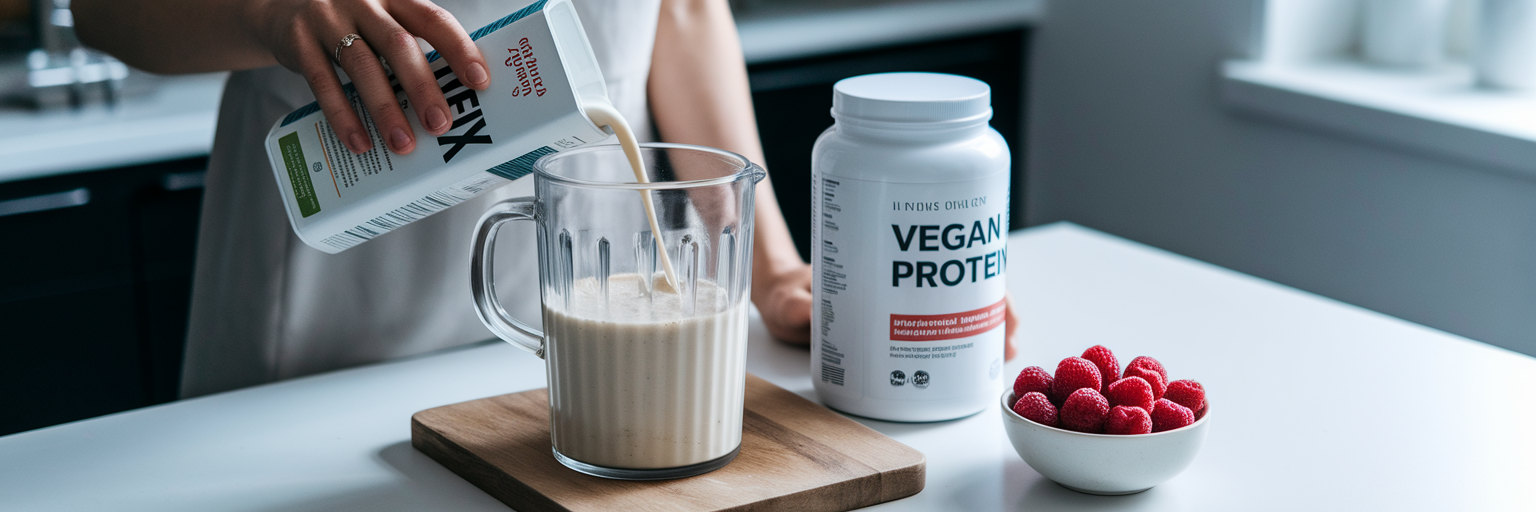
How you prepare your shake can make a world of difference. It’s not just about what’s in the powder, but how you turn it into a drink. Treating your shake preparation with a little more care can be one of the easiest ways to support smoother digestion. Here are a few practical tips that feel less like rules and more like friendly advice from a workout buddy.
- Choose Your Liquid Wisely. Start with the basics: water or an unsweetened plant-based milk like almond or oat milk. Dairy milk contains lactose, a sugar that many adults have difficulty digesting, which can lead to bloating and discomfort. Sticking to a simple, non-dairy liquid removes a common variable.
- Blend, Don't Just Shake. We’ve all been there, trying to furiously shake a clumpy protein drink in a shaker cup. Those clumps are essentially little pockets of undigested powder that can hit your stomach all at once. Using a blender breaks down the powder completely, making it much easier for your body to absorb.
- Keep Your Recipe Simple (At First). It’s tempting to throw everything into your post-workout smoothie, but if you’re experiencing bloating, it’s time for a digestive experiment. Start with just your protein powder and your chosen liquid. Once you confirm that base works for you, you can slowly add new ingredients one by one. If you need ideas, you can find 3 easy vegan protein recipes you'll actually crave that are designed to be both delicious and easy on the stomach.
- Sip, Don't Chug. After a tough workout, it’s natural to want to down your shake quickly. However, chugging it can cause you to swallow excess air, which is a direct path to feeling bloated. Try to sip your shake slowly over 15 to 20 minutes. This gives your digestive system a head start and prevents that sudden, uncomfortable pressure.
Timing and Pacing Your Protein Intake
Beyond how you mix your shake, when you drink it matters. There’s a persistent myth that you must consume protein within seconds of your last rep, but your body’s needs are a bit more nuanced. After a workout, your body is in a "fight or flight" state. It needs a moment to transition into "rest and digest" mode, where it can actually absorb nutrients effectively.
Instead of overwhelming your system with a full serving at once, consider splitting it. Try having half a serving right after your workout and the other half an hour or so later. This simple trick can be a key strategy for how to prevent protein powder bloating. According to health experts, spacing out protein intake can prevent the digestive system from being overwhelmed. A 2024 article from Health.com confirms that this pacing can be a key strategy for avoiding discomfort.
What about drinking it on an empty stomach? For some, this works perfectly fine. For others, having a small, easily digestible snack like a banana about 15 minutes beforehand can help "prime" the stomach and get the digestive juices flowing. There’s no single right answer. The goal is to listen to your body and experiment. Finding your perfect timing is a personal journey. For more insights on optimizing your fitness nutrition, our blog is a great resource for evidence-based tips.
Choosing a Gut-Friendly Protein Powder
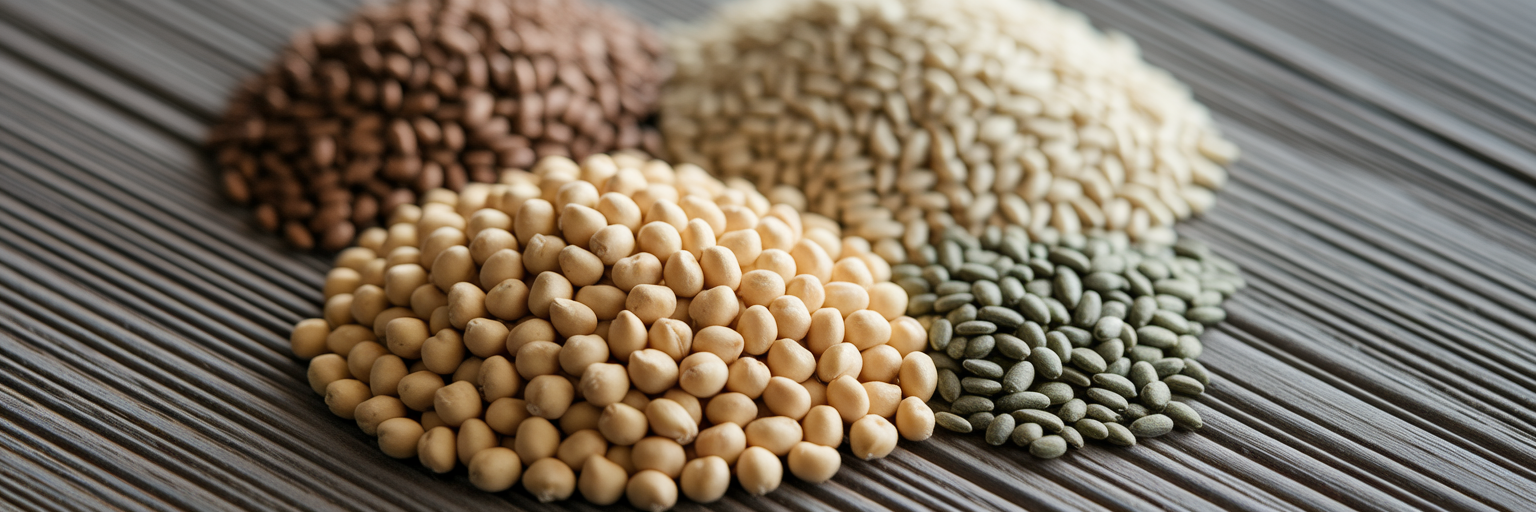
Not all protein powders are created equal, and making an informed choice can be the most important step in preventing discomfort. Think of yourself as a detective, and the ingredient label is your first clue. The best plant protein for sensitive stomach is often the one with the simplest formula.
Become a Label Detective
A shorter ingredient list is almost always a good sign. Look for powders free from artificial sweeteners, flavors, and fillers. Gums and thickeners can add a creamy texture, but they can also be tough on your gut. A clean, straightforward formula is your best bet for happy digestion.
Understand Protein Isolate vs. Concentrate
You’ll often see "concentrate" or "isolate" on labels. A plant protein isolate has gone through extra filtering to remove most of the fats, carbs, and fiber, resulting in a purer protein content (typically 90% or more). This makes it an easy to digest vegan protein because the common culprits for bloating have been minimized. This is exactly why we formulate our powders with high-quality vegan protein isolates. If you're looking for a high-quality, easy-to-digest option, exploring a product like our Chocolate Vegan Protein can show you what a clean ingredient list looks like.
Consider Blends for a Complete Profile
Some of the best powders use a blend of different plant sources, like pea and brown rice protein. This not only creates a complete amino acid profile but can also be gentler on the stomach than a single-source protein. Finally, look for trust signals like being Made in the US and transparent sourcing, which indicate a commitment to quality.
| Factor | Plant Protein Concentrate | Plant Protein Isolate |
|---|---|---|
| Protein Content | Typically 60-80% protein by weight | Typically 90% or more protein by weight |
| Fiber & Carb Content | Higher; contains more of the original plant components | Lower; most fibers and carbs are filtered out |
| Digestibility | Can be harder to digest for some due to higher fiber | Generally easier to digest and less likely to cause bloat |
| Best For | General protein boost, whole-food focus | Sensitive stomachs, post-workout recovery, low-carb diets |
Note: This table illustrates the general differences between protein concentrates and isolates. The choice depends on your individual digestive tolerance and fitness goals. For those specifically struggling with bloating, an isolate is often the recommended starting point.
Natural Ways to Boost Your Digestion
Sometimes, your digestive system just needs a little extra support. Beyond choosing the right powder and mixing it correctly, you can incorporate a few natural habits to help your body process protein more efficiently. These small additions can create a more resilient digestive environment overall.
- Add Natural Aids: Try blending a small piece of fresh ginger or a few peppermint leaves into your shake. Both are known for their natural carminative properties, which can help soothe the stomach and reduce gas.
- Support Your Microbiome: A healthy gut is a happy gut. Including probiotic-rich foods like dairy-free yogurt, kimchi, or kombucha in your daily diet helps build a strong foundation of beneficial bacteria that can handle high-fiber foods with ease.
- Consider Digestive Enzymes: For some, adding digestive enzymes with protein shakes can be a huge help. Look for a supplement containing protease, the enzyme that specifically breaks down protein. As noted by wellness experts at MindBodyGreen, these supplements can assist the body in breaking down compounds that might otherwise cause discomfort.
- Hydrate Smartly: Water is essential. It helps the fiber from plant proteins move smoothly through your digestive tract, preventing the constipation-related bloating that can sometimes occur. Make sure you’re drinking plenty of water throughout the day, not just with your shake.
Just as digestive enzymes can support nutrient absorption, other supplements can support your performance goals. Understanding the creatine benefits, for example, can help you build a complete and effective supplement stack.
Beyond the Shake: Alternative Protein Methods
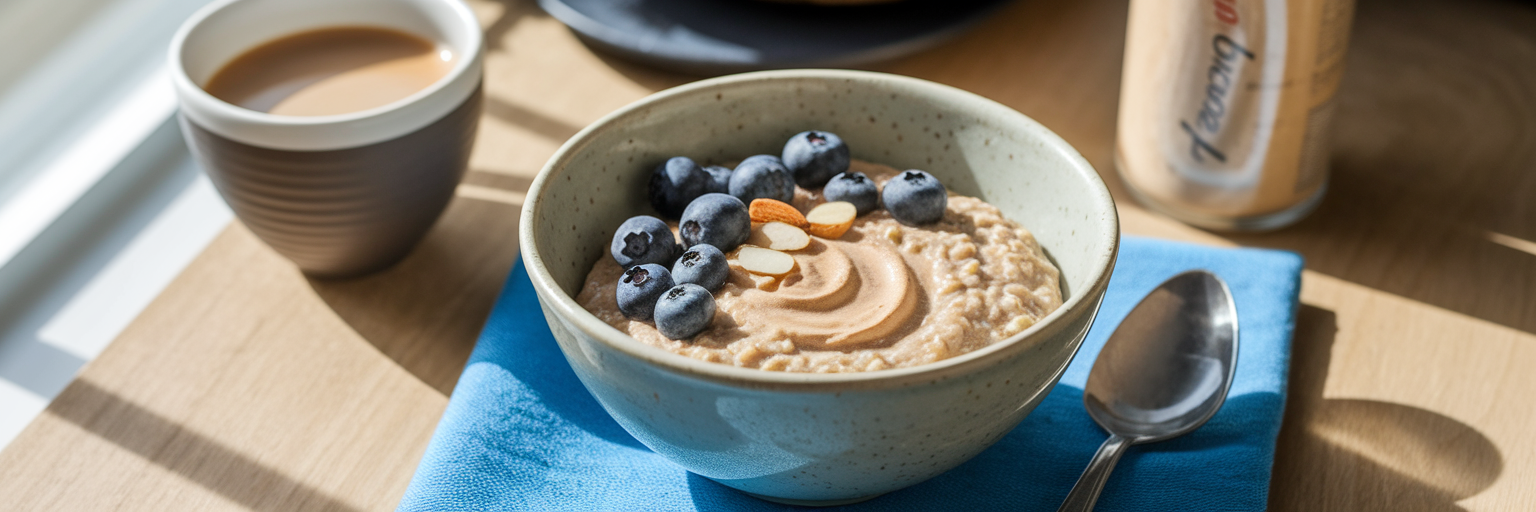
What if you’ve tried everything and still find that protein shakes just don’t agree with you? Or maybe you just don’t enjoy drinking your protein. That’s perfectly fine. The good news is you can still get the recovery benefits of a high-quality powder by incorporating it into food, which naturally slows down absorption and can be much gentler on your stomach.
Try mixing a scoop of protein powder into your morning oatmeal or a bowl of dairy-free yogurt. The powder blends in seamlessly, adding a protein boost without the liquid volume. You can also bake with it. Protein balls, muffins, or even pancakes are excellent ways to get your protein in a delicious, snackable format.
Another simple idea is to create a "protein pudding" by mixing a scoop of powder with just enough plant-based milk or water to form a thick, pudding-like consistency. It’s a quick and satisfying way to refuel. As a recent Fortune Well article highlights, the ingredients in your protein powder can impact your gut health, making the choice of a clean product important no matter how you consume it.
Finding what works for your body is a personal journey of discovery. Don’t be afraid to experiment. Ready to find a delicious, bloat-free protein that works for you? Explore our collection of clean, plant-based supplements to support your wellness journey.