
The Vital Role of Protein for Women Over 50
It’s a startling fact from the Bone Health and Osteoporosis Foundation: approximately one in two American women over age 50 will break a bone due to osteoporosis. This isn't just a statistic; it's a reality that highlights the importance of proactive nutritional strategies as we age. While many of us focus on calcium, we often overlook one of the most fundamental building blocks for a strong frame: protein.
As women transition through menopause, the natural decline in estrogen can accelerate bone density loss. At the same time, many experience sarcopenia, a gradual loss of muscle mass. Think of your bones as a building and protein as the essential scaffolding that gives it structure. Minerals like calcium come in to reinforce that framework, but without a sturdy protein matrix, the entire structure is compromised. This is why maintaining muscle is so critical; strong muscles act as a protective support system for your skeleton, helping to improve balance and reduce the risk of falls.
Interestingly, the protein needs for women over 50 often increase. As one nutritionist quoted in Woman & Home magazine stresses, "Women going through menopause may see a decrease in muscle mass, and protein can help avoid this. Plus, bone mass density also declines due to a drop in the hormone estrogen." Meeting these heightened needs is not about reversing the clock, but about empowering your body with the resources it needs to stay strong and resilient.
Advantages of Vegan Protein for Mature Health

Understanding the need for more protein is the first step. The next is choosing a source that works with your body, not against it. For many women, this is where vegan protein powders truly shine. As we get older, it’s not uncommon to develop sensitivities to dairy. That familiar bloating or digestive discomfort after consuming whey or casein can be a sign of lactose intolerance. A high-quality vegan protein offers a gentle, effective alternative.
Experts at The Harper Clinic echo this sentiment, noting that for those managing lactose intolerance, a premium vegan protein can be an ideal solution. This makes dairy free protein for osteoporosis prevention a smart and comfortable choice. Beyond digestibility, plant-based proteins come with a "clean label" advantage. You can feel confident knowing your supplement is free from the hormones or antibiotics that can be a concern in some animal-derived products.
Plant sources also bring along some welcome friends, like natural fiber that supports gut health and regularity. And let’s be practical: when your appetite fluctuates or your schedule is packed, a protein powder is an incredibly simple way to ensure you’re hitting your daily targets. With so many clean, effective formulas available, you can easily find a range of high-quality, plant-based proteins to suit your taste and health goals.
Essential Bone-Building Nutrients in Your Protein
Not all protein powders are created equal, especially when your goal is supporting bone health. Looking beyond the protein gram count on the label is key to finding a product that truly works for you. Here are the non-negotiables to look for.
Complete Protein: The Amino Acid Foundation
Your body uses nine essential amino acids (EAAs) to build and repair tissues, including the protein matrix of your bones. A protein source is "complete" when it contains all nine. While some individual plant sources are incomplete, high-quality blends that combine pea, rice, or pumpkin seed protein create a full amino acid profile. This ensures your body has every tool it needs to build a strong foundation for plant based protein for bone density.
The Mineral Duo: Calcium and Magnesium
Calcium is famous for its role in bone health, but it doesn’t work alone. Magnesium is its essential partner, helping to regulate calcium transport and stimulate the hormone calcitonin, which directs calcium to your bones. Look for a protein powder fortified with both, or be sure to get plenty of these minerals from leafy greens, nuts, and seeds. As specialists at BetterBones.com note, combining plant-based protein with mineral-rich foods creates a powerful, bone-supportive synergy.
Vitamin D: The Absorption Supercharger
You can consume all the calcium in the world, but without enough Vitamin D, your body can't absorb it effectively. Vitamin D acts as the gatekeeper, allowing calcium to pass from your gut into your bloodstream where it can be used to strengthen bones. Many high-quality vegan protein powders are fortified with Vitamin D, making them an even more efficient tool for bone support.
Other beneficial ingredients to look for include:
- Digestive Enzymes: To help your body break down and absorb the protein more efficiently.
- Fiber: To support digestive health and promote satiety.
- Iron: An important mineral for energy, often found in pea protein.
How to Select a High-Quality Vegan Protein Powder
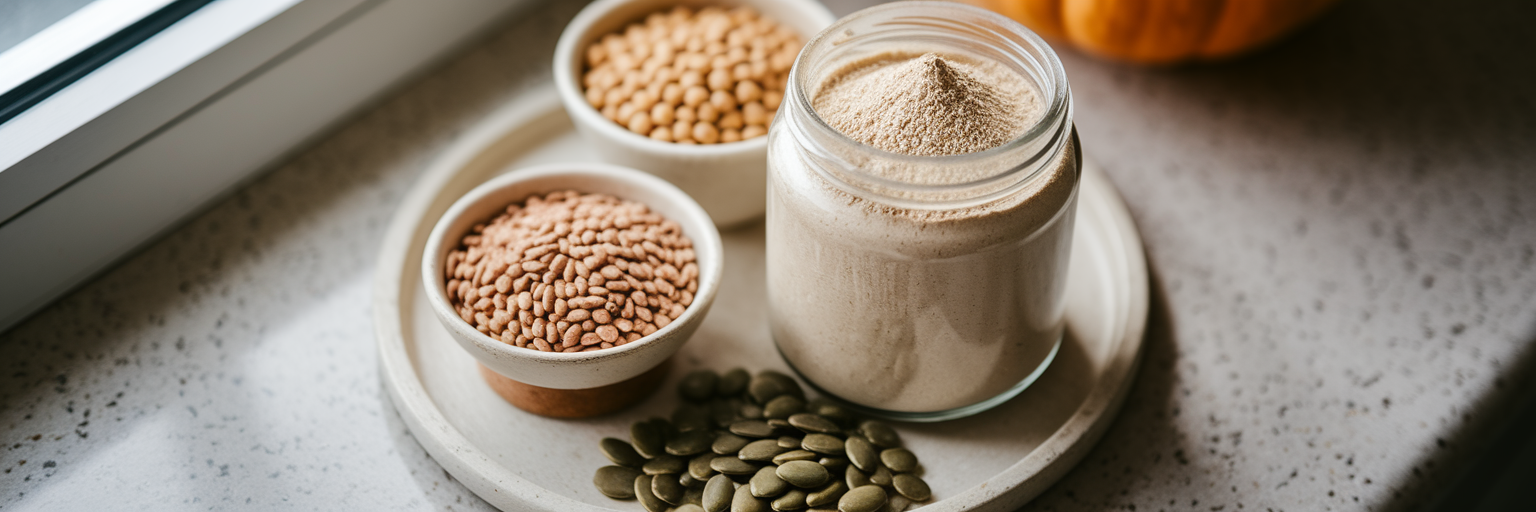
Walking down the supplement aisle can feel overwhelming. With so many tubs and labels, how do you choose the best protein powder for women over 50? By focusing on a few key factors, you can shop with confidence.
Decoding the Protein Source
Different plant proteins offer unique benefits. Pea protein is rich in iron and muscle-building branched-chain amino acids (BCAAs), while brown rice protein is hypoallergenic and easily digestible. A blend of different sources, like pea and rice, is often ideal because it creates a complete amino acid profile and a smoother, less chalky texture.
The Importance of Third-Party Testing
A clean label is a non-negotiable. Look for brands that use third-party testing to verify their products are free from contaminants like heavy metals, pesticides, and microbes. This certification ensures that what’s on the label is what’s in the tub, giving you peace of mind with every scoop.
What to Avoid on the Ingredient List
A shorter ingredient list is usually a better one. As dietitians highlighted in a Yahoo Health article, it's wise to scan for and avoid artificial sweeteners (like sucralose and aspartame), synthetic flavors, and unnecessary fillers or gums. Your protein powder should be a source of pure nutrition, not a chemical cocktail. To help you navigate the options, we've put together a guide on what to look for in the best protein powders on the market.
| Protein Source | Amino Acid Profile | Key Benefits | Considerations |
|---|---|---|---|
| Pea Protein | Rich in BCAAs & iron | Hypoallergenic, supports muscle growth | Lower in methionine |
| Brown Rice Protein | Good source of BCAAs | Easily digestible, hypoallergenic | Lower in lysine |
| Hemp Protein | Complete protein | Rich in fiber, omega-3s, and minerals | Lower protein content per serving |
| Protein Blends (Pea & Rice) | Complete protein | Balanced amino acid profile, smooth texture | Check for quality of sources |
This table compares the nutritional profiles of common vegan protein sources. A blend often provides the most comprehensive benefits for muscle and bone support.
Simple Ways to Boost Your Daily Protein Intake
The beauty of a high-quality protein powder is its versatility. It’s not just for post-workout shakes anymore. Here are a few simple and delicious ways to weave more protein into your day:
- Power Up Your Breakfast: Stir a scoop of unflavored or vanilla protein powder into your morning oatmeal or plant-based yogurt. It adds a creamy texture and a satisfying protein boost that will keep you full for hours.
- Bake It In: Add protein powder to recipes for muffins, pancakes, or energy balls. It’s an easy way to turn a favorite treat into a nutritionally balanced snack.
- Blend a Better Smoothie: Combine a scoop of protein with spinach, frozen berries, and a splash of almond milk for a nutrient-dense meal or snack on the go.
Consuming protein throughout the day helps maintain muscle mass and promotes satiety, which can be a helpful tool for weight management. To get you started, here are three easy vegan protein recipes you'll actually crave.
A Holistic Lifestyle for Lasting Bone Strength
A high-quality supplement is a powerful tool, but it’s most effective as part of a holistic lifestyle. Think of nutrition and exercise as essential partners in your journey to lasting bone strength. As health publications like Glamour often cover, experts agree that weight-bearing activities are a cornerstone of osteoporosis prevention. Activities like walking, dancing, or light weightlifting send signals to your body to build and maintain strong, dense bones.
We believe in a food-first philosophy. Supplements are designed to fill nutritional gaps, not replace a diet rich in whole foods like leafy greens, beans, and fortified plant milks. Combining smart nutrition, like a high-quality vegan protein for bone health, with regular movement and restorative practices like quality sleep creates a powerful synergy.
By taking this proactive and balanced approach, you can support your strength, vitality, and independence for years to come. For more tips on nutrition and wellness, feel free to explore our blog.