
We’ve all had those days where our energy is low, our mood is unpredictable, and our focus feels scattered. It’s easy to blame a bad night’s sleep or a stressful week, but often, the root cause is much deeper. Our hormones, the body's intricate communication network, are quietly orchestrating everything from our metabolism to our mental clarity. For active women, achieving hormonal balance isn't just a wellness trend; it's the very foundation of consistent performance and feeling your best.
The Link Between Nutrition and Hormonal Wellness
Think of your endocrine system as a finely tuned orchestra, with hormones as the conductors. When they work in harmony, everything flows. But when one is out of sync, the entire performance can falter. This is where nutrition, particularly protein, plays a starring role. The question of how protein affects female hormones is central to understanding this connection. At their core, proteins are made of amino acids, which are the literal building blocks for many of our most critical hormones, including those that manage your metabolism and stress responses.
One of the most powerful ways protein supports hormonal health is by promoting stable blood sugar. We can all picture that mid-afternoon slump that follows a carb-heavy lunch. That crash is often the result of a sharp spike in insulin, your body’s blood sugar manager. When insulin spikes and falls dramatically, it signals stress to your body, prompting the release of cortisol. Consistently elevated cortisol can disrupt sleep, encourage belly fat storage, and throw your entire hormonal system into disarray.
By incorporating high-quality protein into each meal, you slow down the absorption of sugars into your bloodstream. This prevents those drastic peaks and valleys, creating a more stable internal environment. It’s a simple shift that has profound effects. So, while you might associate protein with post-workout recovery, its role is far more expansive. A diet rich in quality protein is a primary strategy for supporting your body’s complex hormonal network, helping you build a foundation for holistic wellness. For more insights into building a nutrient-dense diet, you can explore the articles on our blog.
Benefits of Plant-Based Protein for Women

While adequate protein is essential, the source of that protein matters immensely for hormonal wellness. Plant-based proteins offer unique advantages that go beyond just meeting your daily macros. Diets rich in plants are naturally packed with fiber, antioxidants, and phytonutrients. As Baptist Health highlights, these compounds are instrumental in reducing inflammation and supporting the body's natural detoxification processes, creating an ideal environment for your hormones to function effectively.
For many women, plant proteins are simply a "cleaner" choice for the endocrine system. Unlike some animal products that may contain added hormones or trigger inflammatory responses, a high-quality clean protein powder for women provides essential nutrients without unwanted extras. This is especially beneficial for those with sensitive systems or anyone looking to minimize their exposure to potential endocrine disruptors.
But what about getting a "complete" protein? It’s a common question, and a valid one. While it's true that some individual plant sources are low in certain essential amino acids, modern vegan protein powders solve this. By strategically combining different plant sources, such as pea and rice protein, we can create a complete amino acid profile. A recent review in a PMC article from the NIH confirms that plant-based proteins can provide all essential amino acids necessary for health. This ensures your body has all the building blocks it needs for both hormone synthesis and achieving the best vegan protein for muscle growth. Our Chocolate Vegan Protein, for example, is specifically formulated to deliver 25 grams of complete, dairy-free protein with a smooth texture, aligning perfectly with a clean-eating lifestyle that supports both gut and hormonal health.
Navigating Hormonal Shifts After 40
The years leading up to and following age 40 bring a new set of physiological changes, primarily driven by perimenopause and menopause. It’s a natural transition, but one that requires a shift in our nutritional strategy. As estrogen levels decline, many women experience a natural loss of muscle mass, a condition known as sarcopenia, and a corresponding slowdown in metabolism. This isn't a setback; it's simply a signal that your body needs a different kind of support.
This is where plant based protein for women over 40 becomes an incredibly powerful tool. A higher protein intake provides the essential amino acids needed to preserve and build lean muscle. Why does this matter so much? Muscle is metabolically active tissue, meaning it burns more calories at rest than fat does. By maintaining muscle mass, you not only support your strength and mobility but also help counteract the metabolic slowdown that can lead to weight gain. For women looking to optimize their strength, it's also worth exploring how other supplements can help, as we discussed in our article on creatine benefits.
Beyond muscle health, consistent protein intake is crucial for managing common symptoms of hormonal shifts. As research from sources like Cospineandjoint.com points out, protein is vital for hormone regulation in this demographic. By keeping blood sugar stable, a protein-rich diet can help mitigate mood swings, reduce intense cravings, and even improve sleep quality. The key takeaway is clear: active women in this life stage should consider increasing their protein intake and, just as importantly, distributing it evenly throughout the day to maintain energy, strength, and overall vitality.
| Hormonal Challenge | Common Impact on the Body | How Plant Protein Helps |
|---|---|---|
| Declining Estrogen | Loss of muscle mass (sarcopenia) and bone density. | Provides amino acids to preserve and build lean muscle, supporting metabolism. |
| Increased Cortisol | Heightened stress, stubborn belly fat, and sleep disturbances. | Helps stabilize blood sugar to prevent cortisol spikes. |
| Insulin Resistance | Increased cravings for sugar and difficulty managing weight. | Promotes satiety and slows sugar absorption, improving insulin sensitivity. |
| Metabolic Slowdown | Weight gain becomes easier, and fat loss becomes harder. | Supports metabolically active muscle tissue and has a higher thermic effect of food. |
This table outlines common hormonal shifts and illustrates how strategic nutritional choices, particularly adequate plant-based protein intake, can help manage their effects. Individual needs can vary, and this should be used as a general guide.
How to Choose a Quality Vegan Protein Powder
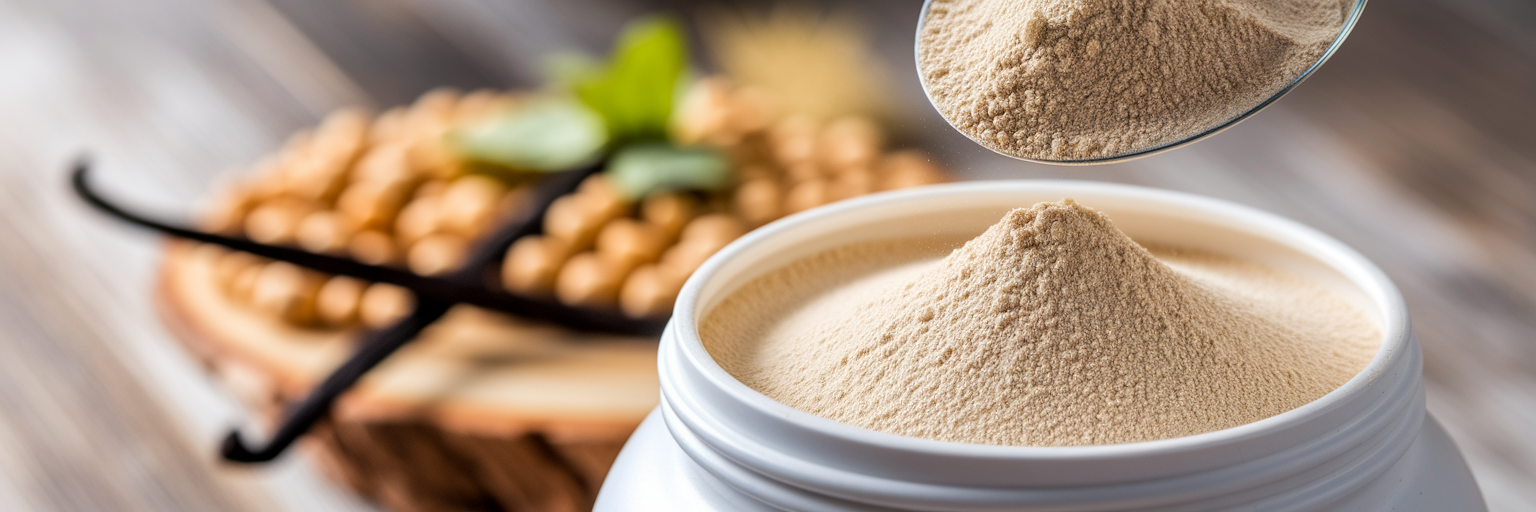
Walking down the supplement aisle can feel overwhelming. With so many options, how do you choose a product that truly supports your health? Becoming a savvy label-reader is the best way to ensure you’re getting a high-quality powder that aligns with your goals. Here’s what to look for:
- Read the Ingredient List: Your protein powder shouldn't have a laundry list of unpronounceable ingredients. Look for short, recognizable lists. We believe clean formulas are non-negotiable, which is why we avoid artificial sweeteners, flavors, gums, and fillers that can cause inflammation and digestive upset. Making this choice is key for finding a vegan protein for hormonal balance, as it helps you avoid potential endocrine disruptors.
- Check the Protein Source and Blend: Not all plant proteins are created equal. Blends of pea and rice protein are ideal because they work together to create a complete amino acid profile. This combination also contributes to a smoother, less chalky texture, which makes a huge difference for daily enjoyment. You're much more likely to stick with a routine if you actually like what you're drinking.
- Look for High Protein Content: To effectively stimulate muscle protein synthesis and promote satiety, aim for a powder that provides at least 20-25 grams of protein per serving. This amount is effective for post-workout recovery and for keeping you full between meals, which helps manage cravings.
- Prioritize Transparency and Quality: Choose brands that are open about their sourcing and manufacturing processes. Products made in the USA under strict quality control standards offer an extra layer of trust. This commitment to purity ensures you’re fueling your body with the best.
By keeping these points in mind, you can confidently select a protein powder that works for you. If you're ready to see what a high-quality formula looks like, you can explore our complete collection of clean, plant-based supplements.
Simple Ways to Integrate Plant Protein Daily
Making plant protein a consistent part of your routine doesn't have to be complicated. For active women, a good starting point is aiming for 1.2 to 1.6 grams of protein per kilogram of body weight each day. To calculate this, simply divide your weight in pounds by 2.2 to get your weight in kilograms, then multiply that number by 1.2 to 1.6. Spreading this intake throughout the day is key for sustained energy and hormonal support.
Here are a few easy ideas to get you started that go beyond a simple shake:
- Boost Your Breakfast: A protein-packed morning sets the tone for the entire day. Blend a scoop of vanilla or chocolate protein powder into your oatmeal, mix it into a bowl of plant-based yogurt with berries, or add it to your favorite pancake batter.
- Power-Up Your Snacks: Beat the afternoon slump by preparing protein-rich snacks. Add unflavored protein powder to homemade hummus, or mix it into the dough for energy bites made with oats, dates, and nut butter.
- Optimize Your Recovery: The classic post-workout shake is popular for a reason—it’s a fast and efficient way to deliver amino acids to your muscles when they need them most. For a simple and delicious hormone-balancing smoothie, try blending 1 scoop of Beyond Good Foods vegan protein, 1 cup of unsweetened almond milk, a handful of spinach, 1/4 avocado for healthy fats, and a handful of berries for antioxidants. These are all fantastic hormone balancing foods for women.
Integrating protein into meals and snacks you already enjoy makes it feel effortless. For more creative ideas, check out these three easy vegan protein recipes you'll actually crave.