

That Post-Ride Feeling and the Path to a Stronger Return
You know the feeling. You unclip your shoes after a long ride, and a wave of exhaustion mixed with accomplishment washes over you. Your legs have that satisfying burn, your heart rate is finally slowing, and every muscle feels like it gave its all. It’s a fantastic feeling, but it’s also a critical moment. That deep fatigue is a signal from your body that it needs resources to rebuild.
The real challenge isn’t just resting; it’s about actively recovering to turn that effort into lasting strength. This is how to recover after cycling effectively, so you can come back stronger and avoid burnout. It requires a smart nutritional strategy. For a growing number of endurance athletes, that strategy is centered around clean, powerful, plant-based protein designed to meet the intense demands of the sport without compromise.
The Unique Recovery Demands of Endurance Cycling
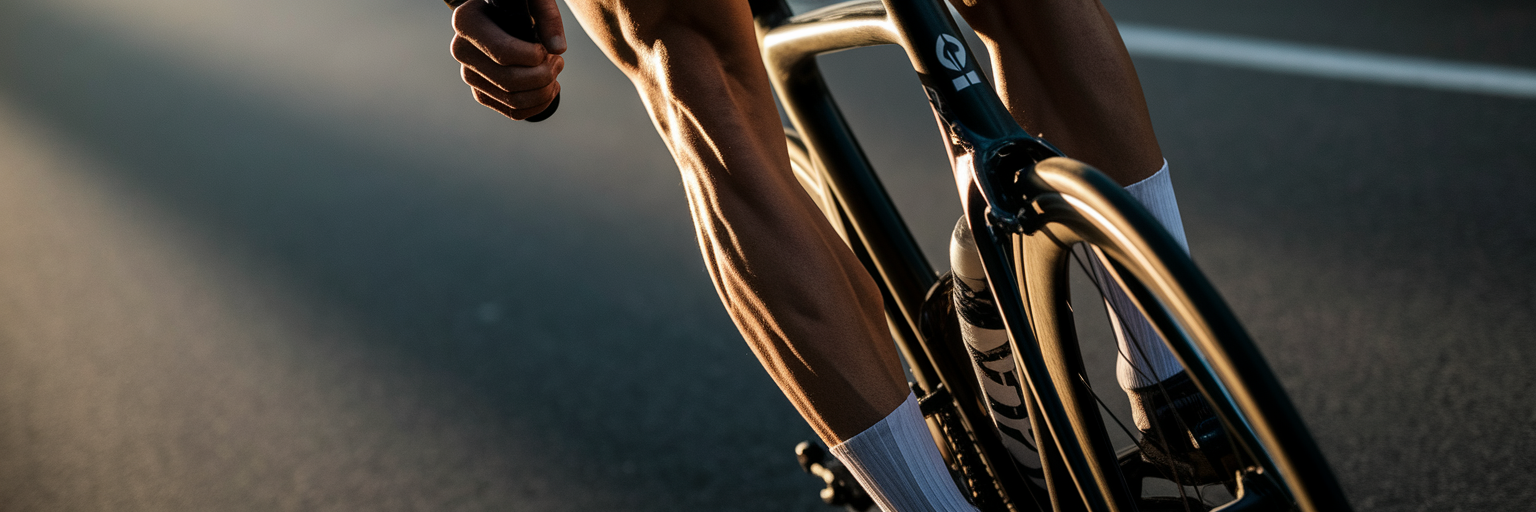
So, why is recovery so important for cyclists? Every time you push the pedals for hours on end, you’re creating microscopic tears in your muscle fibers. This process is completely normal and is actually how your muscles adapt and grow stronger. However, for that repair process to happen efficiently, your body needs the right building blocks, and the most important one is protein.
Without enough protein, your body can’t effectively repair that muscle damage. According to research highlighted by AusCycling, endurance athletes often require 1.2 to 1.4 grams of protein per kilogram of body weight daily, and that need can increase during heavy training blocks. When you fall short, the consequences show up on your next ride. Many cyclists are now exploring vegan protein for cyclists as a way to meet these specific demands.
Inadequate protein intake can lead to:
- Diminished power output on your next ride, making climbs feel harder.
- Increased delayed onset muscle soreness (DOMS), that lingering ache that keeps you off the bike.
- A higher risk of overuse injuries as your body struggles to keep up with training stress.
Thinking of protein as just a "gym thing" is a mistake. For cyclists, it's the essential tool that turns today's hard work into tomorrow's peak performance.
How Plant-Based Protein Powers Muscle Repair
Now that we understand the need for protein, let's look at how plant-based sources get the job done. It all comes down to a biological process and having the right ingredients.
The Science of Muscle Protein Synthesis (MPS)
Muscle Protein Synthesis, or MPS, is your body's natural process for repairing and building muscle tissue. Think of it as a construction crew showing up to fix the micro-tears in your muscles. This crew needs a signal to get to work, and that signal comes from an amino acid called leucine. As noted by nutrition experts at Veloforte, leucine is abundant in sources like pea protein, making it excellent for triggering muscle repair after a tough ride.
Debunking the 'Incomplete Protein' Myth
You might have heard that plant proteins are "incomplete." This idea is outdated. While it's true that some single plant sources don't contain all nine essential amino acids, high-quality formulas solve this by combining different sources. For example, blending pea protein (high in leucine) with rice protein creates a complete amino acid profile. This combination provides your body with all the necessary building blocks for effective recovery, making it a top-tier choice for plant based protein for athletes. Understanding what makes for the best protein powders can help you choose a product that delivers real results.
The Digestive Advantage of Plant-Based Fuel
One of the most overlooked benefits of vegan protein is how easy it is on your stomach. Many athletes experience bloating or digestive discomfort from whey protein because it contains lactose. Plant-based proteins are naturally lactose-free, which means your body can absorb the nutrients efficiently without any unwanted side effects. When your gut is happy, your muscles get the fuel they need faster.
| Protein Source | Key Benefit | Amino Acid Profile | Best For |
|---|---|---|---|
| Pea Protein | Rich in Leucine & Iron | High in BCAAs, complements rice protein | Triggering muscle protein synthesis |
| Rice Protein | Easily Digestible | Complements pea protein for a complete profile | A smooth, non-gritty texture |
| Hemp Protein | Contains Healthy Fats & Fiber | Good source of all 9 essential amino acids | Overall wellness and digestive health |
| Soy Protein | Complete Protein Source | Contains all 9 essential amino acids on its own | A single-source complete protein option |
Your Post-Ride Vegan Protein Strategy

Knowing that you need protein is one thing; knowing when and how to use it is what makes all the difference. Timing is everything. After a long ride, your muscles are like sponges, ready to soak up nutrients. This period, often called the "anabolic window," lasts roughly 45 to 120 minutes post-exercise. This is the prime time to consume your post ride recovery drink.
For the best results, you need more than just protein. Combining protein with carbohydrates is a powerful strategy. As recommended by platforms like Rouvy, this combination helps kickstart muscle repair while also replenishing your depleted glycogen stores, which are your body's primary fuel tank. A simple shake with one scoop of vegan protein and a banana is a perfect example.
Here’s a simple post-ride plan:
- Aim for 20-30 grams of protein within two hours of finishing your ride. Our vegan protein provides 25 grams per serving, making it an ideal choice.
- Add a source of carbohydrates, like a piece of fruit, a scoop of oats, or maple syrup in your shake.
- Don't forget to rehydrate with plenty of water.
Recovery isn't just a one-time event. It's a continuous process. Spreading your protein intake throughout the day helps maintain a steady supply of amino acids for ongoing muscle repair. If you need some inspiration, check out these 3 easy vegan protein recipes you'll actually crave.
Beyond Protein: Other Key Nutrients for Cyclists
While protein is the star player in muscle repair, it works best as part of a team. A few other key nutrients can significantly support your recovery and performance. One of the most effective is creatine monohydrate. While protein rebuilds muscle tissue, creatine helps regenerate ATP, your body's source of explosive energy for short, intense efforts like sprinting for a town sign or powering up a steep climb.
This makes it one of the most trusted muscle repair supplements US athletes rely on. For a pure, effective option, consider a high-quality creatine monohydrate supplement to complement your protein intake.
Of course, we can't forget the fundamentals. Hydration and electrolytes are non-negotiable. You lose significant amounts of sodium and potassium through sweat, and replenishing them is crucial for proper muscle function and preventing cramps. Finally, a diet rich in plants offers powerful anti-inflammatory benefits. Foods like berries, leafy greens, and turmeric can help naturally reduce exercise-induced inflammation and soreness, supporting the work your protein shake is doing.
Choosing a High-Quality Vegan Protein Powder

Not all vegan protein powders are created equal. With so many options available, how do you find the best vegan protein for muscle growth and recovery? It comes down to looking for a few key quality markers. Think of this as your checklist for choosing a clean, effective product.
- A Complete Amino Acid Profile: Look for a blend of protein sources, most commonly pea and rice protein. This ensures you're getting all the essential amino acids your muscles need to rebuild.
- A Clean Ingredient List: Your protein powder should be free from artificial sweeteners, flavors, gums, and unnecessary fillers. The shorter and more recognizable the ingredient list, the better.
- A Smooth, Enjoyable Texture: The days of gritty, chalky plant protein are over. Modern formulas are designed to be smooth and delicious, making your recovery shake something you actually look forward to.
- Trust and Transparency: Choose products that are Made in the US and verified by third-party testing for purity and potency. This gives you confidence that what's on the label is what's in the tub.
Ready to find a clean protein that fits your goals? Explore our collection of plant-based supplements.
Fuel Your Next Ride with Smarter Recovery
Your performance on the bike is built during your time off it. By understanding your body's recovery needs, you can turn every hard ride into a stepping stone toward your next goal. Remember the key takeaways: cyclists have unique nutritional demands, high-quality vegan protein is an outstanding tool for muscle repair, and timing your intake is crucial for optimal results.
Don't let your hard work go to waste. Take control of your recovery and see the difference it makes. Explore Beyond Good Foods to fuel your journey, and feel free to share this with your cycling buddies!