

Understanding the Post-Workout Ache
You know the feeling. The day after a fantastic workout, you wake up with that satisfying ache in your muscles. It’s a reminder of the hard work you put in, but when that soreness lingers, it can get in the way of your next session. This sensation has a name: Delayed Onset Muscle Soreness, or DOMS. It’s actually a good sign, indicating that your muscles are adapting and growing stronger.
This process is driven by something called exercise-induced inflammation. When you challenge your muscles, you create tiny micro-tears in the fibers. In response, your body sends a natural repair crew to the site. This healing response is the source of that familiar stiffness and discomfort. The goal isn’t to stop this process entirely, since it’s essential for getting stronger. Instead, the key is to manage it effectively.
When post workout inflammation is excessive, it can lead to prolonged discomfort and slow down your recovery timeline. Finding ways to reduce muscle soreness naturally helps you get back to your routine faster and feel better along the way. It’s about working with your body’s healing process, not against it.
But what if your protein shake could do more than just rebuild muscle? What if it could also help calm that post-workout fire?
The Dual Power of Plant-Based Proteins
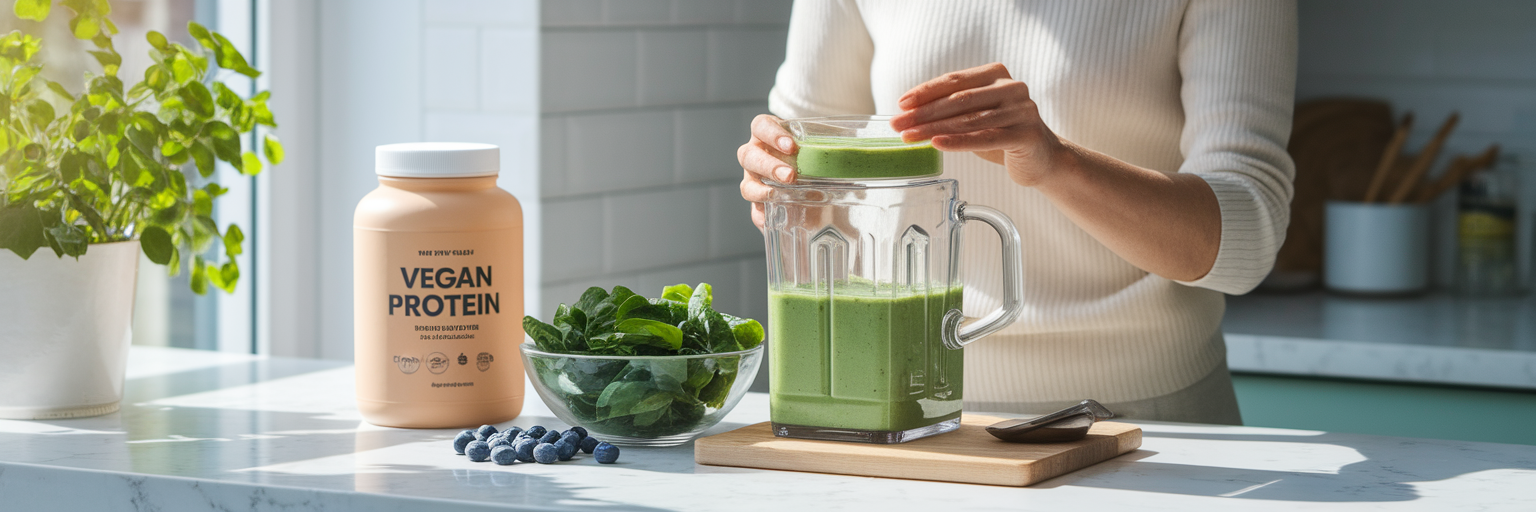
This is where plant-based proteins truly shine, offering a powerful two-in-one benefit for recovery. First and foremost, they deliver the essential building blocks your muscles need. High-quality vegan protein blends, often from sources like pea and rice, provide a complete profile of essential amino acids (EAAs) and branched-chain amino acids (BCAAs). These are critical for kickstarting muscle protein synthesis, the process of repairing and building new muscle tissue.
But here’s the part you might not know: plants come with their own inherent anti-inflammatory properties. Unlike their animal-based counterparts, plants are packed with natural compounds called phytochemicals, including polyphenols and flavonoids. Think of it this way: the amino acids in your protein shake are the rebuilding crew arriving to fix the muscle fibers. The phytochemicals are the cleanup crew that follows, helping to manage the inflammation at the site so the rebuilding can happen more efficiently.
This plant based anti inflammatory action helps neutralize oxidative stress, a major contributor to the soreness you feel. By calming the environment around the muscle fibers, these plant compounds support a smoother, faster recovery. You’re not just getting the materials for repair; you’re also getting a support system that makes the entire process more effective.
Scientific Backing for Plant-Powered Recovery
The idea that plants can aid recovery isn’t just a hunch; it’s supported by a growing body of scientific research. For a long time, people wondered if plant proteins could truly stand up to animal-derived options for athletes. The evidence is now clear that they can, especially when it comes to recovery.
Just as research has firmly established the benefits of supplements like our pure creatine monohydrate for performance, new studies are confirming the powerful recovery advantages of plant-based proteins. For instance, a 2022 systematic review published in the journal Nutrients found that protein supplementation significantly reduces key inflammatory markers after exercise. The researchers noted that properly formulated plant-based proteins were comparable to animal proteins in managing this response.
Real-world trials back this up. A double-blind study published on PubMed followed trained males and found that a vegan protein blend helped speed up muscle recovery markers and lowered their perceived soreness compared to a placebo. This research validates the dual-action concept: you get the amino acids for repair and the plant compounds for inflammation management. This makes vegan protein for recovery a smart and scientifically-backed choice for anyone looking to optimize their fitness routine.
Fortified Formulas for Enhanced Relief
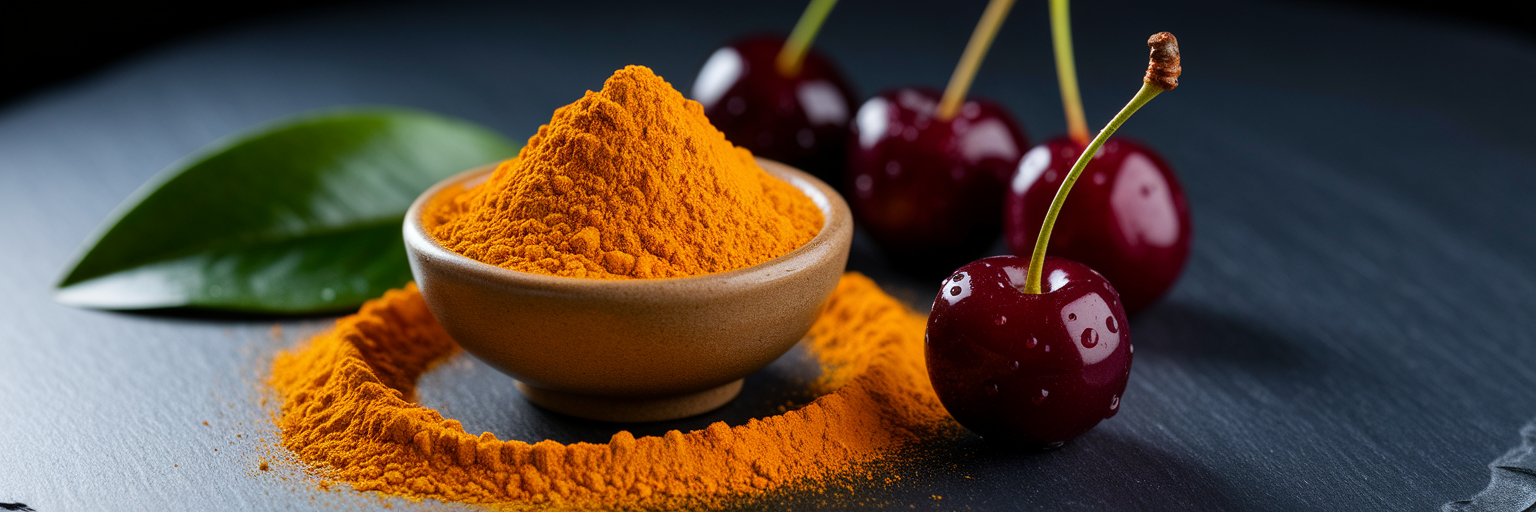
Beyond the natural benefits of plants, leading brands are now creating even more powerful recovery tools by fortifying their formulas with specific botanicals. These ingredients are chosen for their well-documented ability to support a healthy inflammatory response, creating a synergistic effect that helps you bounce back faster.
You might see ingredients like curcumin (from turmeric) or tart cherry extract on the label. These aren’t just for flavor; they’re functional powerhouses. Curcumin, for example, is known to help inhibit certain inflammatory pathways. As Dr. Adam Collins explains for Form Nutrition, curcumin can temper inflammation without getting in the way of muscle adaptation. Tart cherry is rich in anthocyanins, which studies suggest can decrease muscle damage and pain after a tough workout.
These additions don’t interfere with muscle growth. Instead, they create a more optimal environment for it to happen. By combining high-quality protein with these targeted botanicals, you get a formula designed for comprehensive recovery.
| Ingredient | Active Compound | Primary Recovery Benefit |
|---|---|---|
| Turmeric | Curcumin | Helps inhibit inflammatory pathways, reducing overall soreness. |
| Tart Cherry | Anthocyanins | Shown to decrease muscle damage and pain after strenuous exercise. |
| Ginger | Gingerol | Can help reduce exercise-induced muscle pain and inflammation. |
| Cinnamon | Cinnamaldehyde | Contains antioxidants that help manage oxidative stress from workouts. |
This table highlights some of the powerful, plant-derived ingredients being added to modern recovery formulas. The data is based on established nutritional science and research into the effects of these compounds on exercise-induced inflammation.
Choosing a High-Quality Vegan Recovery Protein
With so many options available, how do you choose the right one? Finding the best vegan protein powder US consumers can trust comes down to reading the label and knowing what to look for. Here are five key markers of a high-quality formula:
- A Complete Amino Acid Profile: Your muscles need all nine essential amino acids to repair effectively. Look for blends that combine sources like pea and rice protein, as this pairing creates a complete profile that supports muscle growth just as well as whey.
- High Protein Content: For optimal muscle repair, aim for a serving that provides around 25 grams of protein. This dose has been shown to be effective for stimulating muscle protein synthesis after a workout.
- Clean, Simple Ingredients: The best formulas let the plants do the talking. Choose products with no artificial additives, natural flavoring, and transparent labels. Third-party testing and being Made in the US are also great indicators of quality and safety.
- Good Digestibility: Some people worry about bloating with plant proteins. Quality brands use processing methods that reduce anti-nutrients and improve digestibility, making the protein easy on your stomach.
- A Smooth, Enjoyable Texture: Let’s be honest—if you don’t enjoy drinking it, you won’t stick with it. Top-tier vegan proteins have overcome the chalky, gritty texture of the past, offering a smooth and delicious experience you’ll actually look forward to.
Once you know what to look for, finding a great product becomes much easier. If you want to see what some of the best protein powders have in common, you can learn more here or explore our collection of clean, effective options.
Make Plant-Based Recovery Part of Your Routine
Integrating a plant-based protein into your fitness plan is simple and incredibly effective. For the best results, try to have your recovery shake within 30 to 60 minutes after finishing your workout. This is often called the "anabolic window," when your muscles are most receptive to the nutrients needed for repair.
And you don’t have to just mix it with water! Here are a few easy and delicious ways to use your vegan protein powder:
- Blend it into a smoothie with banana, spinach, and a splash of plant-based milk for a nutrient-dense recovery meal.
- Stir it into a bowl of oatmeal or plant-based yogurt to add a protein boost to your breakfast or snack.
- Mix it into pancake or waffle batter for a protein-packed start to your weekend.
Switching to a plant-based recovery strategy is more than just a way to reduce soreness. It’s a proactive choice for your long-term health, athletic performance, and the planet. Ready to feel the difference for yourself? For some creative ideas to get you started, check out these simple and tasty recipes and discover how delicious your recovery can be.