
Anyone who lifts weights knows the feeling. That satisfying ache in your muscles the day after a tough session is a sign you’ve put in the work. But what’s actually happening inside your body, and how can you optimize your recovery to come back stronger? It turns out, the key to effective muscle repair is simpler and more accessible than you might think, and a growing number of weightlifters in the U.S. are finding the answer in plants.
The Science of Muscle Repair After Lifting
When you challenge your muscles with resistance training, you’re creating tiny micro-tears in the muscle fibers. This might sound counterproductive, but it’s the essential first step for growth. Think of it like renovating a house. To build stronger walls, you first have to tear down the old, weaker structures. This breakdown signals your body to start the repair process, which is where your post workout nutrition for lifters becomes so important.
This rebuilding phase is called muscle protein synthesis (MPS). During MPS, your body uses amino acids from the protein you eat as building blocks to repair the damaged fibers, making them thicker and stronger than before. These amino acids are the bricks for your renovation project. Without enough of them, the repair process stalls, and your progress can slow down.
You may have heard of the "anabolic window," that short period after a workout where your body is primed for nutrients. While it’s not a rigid, all-or-nothing deadline, it is a window of prime opportunity. During this time, your muscles are especially receptive to absorbing amino acids. As Clif Bar's nutrition experts highlight, consuming protein within the first hour or two after exercise can significantly support this repair process. Research suggests an intake of 0.2 to 0.5 grams of protein per kilogram of body weight is effective. For a 180-pound lifter, that’s about 20 to 40 grams of protein.
Getting this protein in promptly does more than just build muscle. It helps reduce the intensity and duration of Delayed Onset Muscle Soreness (DOMS). When your muscles repair faster, you feel less sore and can get back to your training routine sooner, ready for the next challenge. If you're interested in exploring more topics on nutrition and fitness, you can find valuable insights on our blog.
Debunking Myths About Plant-Based Protein
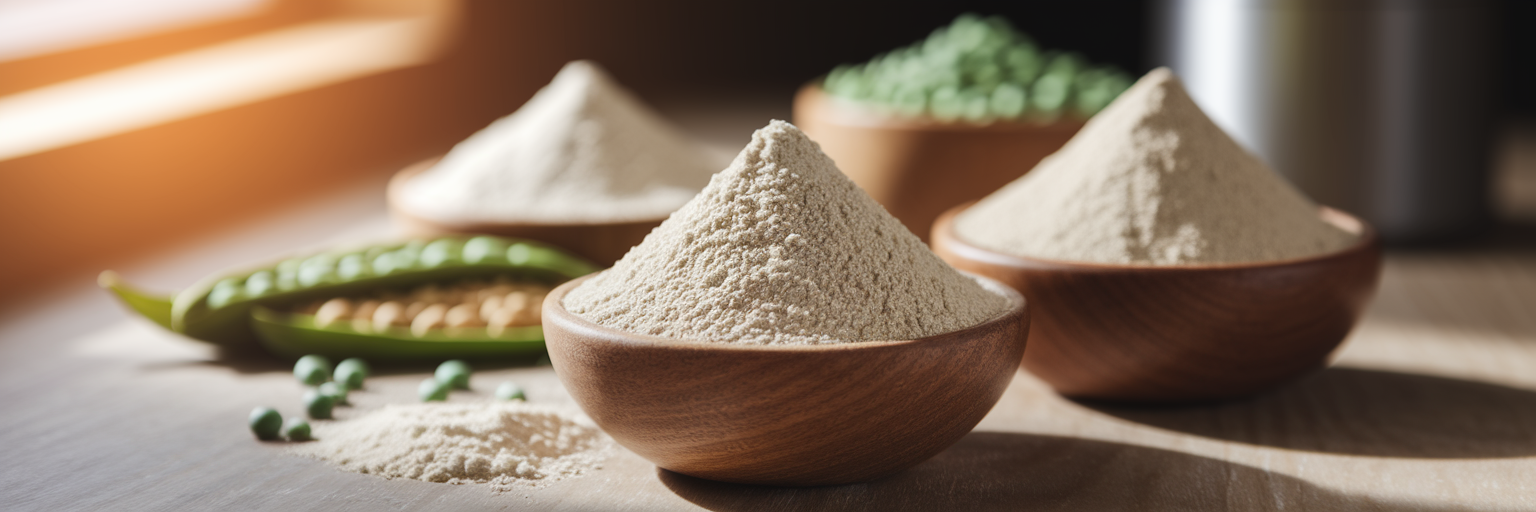
For many weightlifters, the big question is: can a plant-based protein really compete with whey? There’s a persistent myth that plant proteins are "incomplete" and therefore less effective for muscle building. Let's set the record straight. While it’s true that a single plant source might be low in one or two essential amino acids, modern vegan protein powders are formulated much more intelligently.
By blending complementary protein sources, like pea protein (which is rich in lysine) and rice protein (rich in methionine), we can create a robust and complete protein for vegans. This combination provides all nine essential amino acids your body needs for optimal repair. This makes a high-quality blend an incredibly powerful plant based protein for weightlifters.
The most critical amino acid for triggering muscle protein synthesis is leucine. You need about 2.5 grams of it to kickstart the rebuilding process. Premium vegan protein blends are specifically designed to meet this threshold, ensuring your muscles get the signal to grow. In fact, a review cited by the National Library of Medicine confirms that when matched for protein content, plant-based protein powders stimulate muscle growth just as effectively as their animal-based counterparts. The choice is about preference, not a performance compromise. You can explore some of the best protein powders that use these advanced formulations right here.
| Factor | Whey Protein Isolate | Single-Source Plant Protein (e.g., Rice) | Blended Plant Protein (Pea + Rice) |
|---|---|---|---|
| Amino Acid Profile | Complete | Incomplete (Low in Lysine) | Complete |
| Leucine per 25g Protein | ~2.7g | ~1.9g | ~2.5g |
| Digestibility | Fast, but contains lactose | Moderate, hypoallergenic | Fast, hypoallergenic, lactose-free |
| Common Allergens | Dairy, Lactose | None | None |
This table compares key performance metrics. While a single plant source may lack certain amino acids, a blended vegan protein provides a complete profile that rivals whey in its muscle-building potential, without the common digestive issues associated with dairy.
The Added Wellness Benefits of Plant Protein
Choosing a plant-based protein isn't just about what happens in the gym. It’s a decision that supports your overall well-being in ways that go beyond muscle repair. The benefits of plant protein powder extend to how you feel every day, helping you build a foundation of holistic health.
Here are a few of the wellness advantages you can expect:
- Antioxidant Power: Plant sources like pea and rice protein are naturally rich in polyphenols. These compounds help your body combat the oxidative stress and inflammation caused by intense exercise, which can contribute to a smoother and faster recovery.
- Gut-Friendly Nutrition: We’ve all heard stories of bloating or digestive discomfort from dairy-based proteins. Plant proteins are naturally lactose-free and are often much easier on the digestive system, so you can refuel without feeling weighed down.
- Supports Overall Health: The shift toward plant-based eating is growing. A 2020 IFIC survey highlighted by UCLA Health found that 28% of American adults were increasing their plant protein intake. This trend is linked to diets higher in fiber, which supports digestive health and sustained energy levels throughout the day.
- A Sustainable Choice: For many, fitness goals are connected to personal values. Choosing a plant-based protein is an environmentally conscious decision that allows you to align your nutrition with a commitment to sustainability. It’s a choice that feels good, inside and out, reflecting the core philosophy we embrace at Beyond Good Foods.
Crafting Your Perfect Vegan Recovery Shake

Now for the fun part. One of the best things about a high-quality vegan protein is how easily it blends into delicious, satisfying shakes. Forget chalky textures and artificial aftertastes. Our protein is designed to be smooth and delicious, making your recovery something to look forward to. Here are some easy vegan recovery shake recipes to get you started, built on a simple formula: 1 scoop of protein + 8-10 oz liquid + 1 serving of fruit + an optional healthy fat.
Experiment with these ideas to find your perfect post-workout treat:
- The Power-Up Chocolate Banana Shake: Blend one scoop of our Chocolate Vegan Protein with almond milk, one frozen banana, and a tablespoon of peanut butter. The banana is perfect for replenishing your muscle glycogen stores, while the peanut butter adds healthy fats for sustained energy.
- The Berry Antioxidant Blast: Combine one scoop of vanilla protein with oat milk, a cup of mixed berries (like blueberries and raspberries), and a tablespoon of chia seeds. The berries provide a powerful antioxidant boost to help fight inflammation.
- The Green Recovery Smoothie: Mix one scoop of vanilla protein with water, a large handful of spinach, and half a cup of pineapple. Don’t worry, you won’t taste the spinach! It just adds valuable micronutrients to support your overall health.
These shakes are just the beginning. The goal is to create a routine you enjoy, ensuring you consistently get the nutrients needed for effective vegan protein for muscle recovery. For more inspiration, check out these other easy vegan protein recipes you’ll actually crave.
The Future of Plant-Based Performance Nutrition
The rise of plant-based nutrition in the fitness world isn't a fleeting trend. It's a fundamental shift in how athletes and everyday weightlifters approach performance and recovery. As reported by VeganHealth.org, the market for vegan protein continues to grow, signaling that plant-based options are now a mainstream strategy for achieving serious fitness goals. This movement is driven by both proven results and a desire for cleaner, more sustainable products.
The innovation doesn't stop with protein. The next wave in performance nutrition involves combining plant protein with other proven supplements to create comprehensive recovery formulas. A great example is the synergy between protein and creatine monohydrate. While protein rebuilds the muscle fibers, creatine helps replenish your energy stores and boosts strength and power output for your next workout. You can learn more about the benefits of creatine on our blog.
At Beyond Good Foods, we are excited to be part of this evolution by offering not only premium vegan protein but also Pure Creatine Monohydrate. This allows you to build a recovery stack that is clean, powerful, and perfectly aligned with your goals. The message is clear: today’s weightlifters no longer have to choose between their performance ambitions and their health values. You can have both.