
We've all been there. The day after a great workout, you swing your legs out of bed and feel that familiar, satisfying ache in your muscles. It’s a feeling that says, "I really pushed myself yesterday." While it’s tempting to see this soreness as a roadblock, it’s actually a positive sign. Your body is responding, adapting, and getting stronger. But what if you could support that process and bounce back even faster?
That Familiar Post-Workout Ache and What It Means
That feeling has a name: Delayed Onset Muscle Soreness, or DOMS. It’s the body’s natural response to intense exercise. When you challenge your muscles, you create microscopic tears in the muscle fibers. Don't worry, this is a good thing. It’s the very process that signals your body to rebuild those fibers stronger than before. The soreness you feel is a combination of this repair process and the inflammation that comes with it.
Think of it like a construction project. Your workout is the demolition phase, and the recovery period is when the rebuilding happens. To rebuild effectively, your crew needs the right materials. In this case, the most important material is protein. Protein provides the essential amino acids, or building blocks, that your body uses to patch up those muscle fibers and reinforce them for your next session.
The goal of any smart post-workout routine is to give your body exactly what it needs to reduce muscle soreness after a workout and optimize repair. But what if your protein source could do more than just supply building blocks? What if it could also help calm the very inflammation that contributes to that ache? This is where the unique power of plant-based protein comes into play, offering a dual-action approach to recovery.
How Plant Protein Rebuilds and Repairs Your Muscles
When we talk about muscle repair, we're really talking about a process called Muscle Protein Synthesis (MPS). You can think of MPS as the engine that drives muscle growth and recovery. To get this engine running, it needs fuel in the form of amino acids. One amino acid in particular, leucine, acts like the ignition key, kicking off the entire muscle-building process.
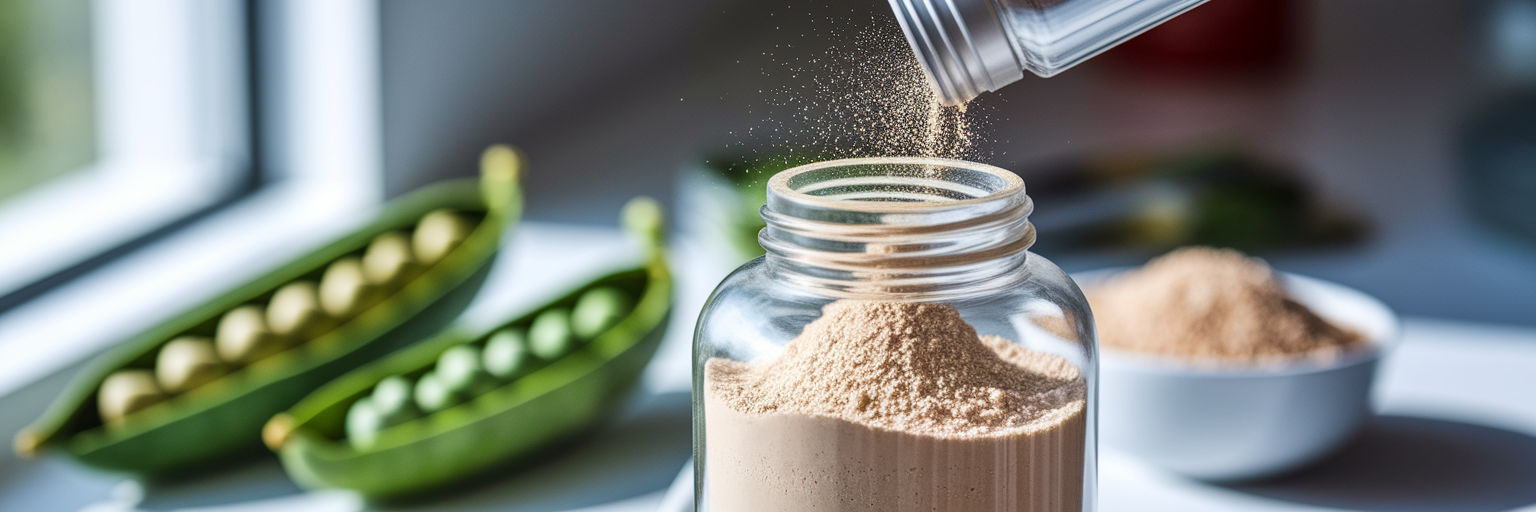
For years, a common myth suggested that vegan proteins were "incomplete" and couldn't trigger MPS as effectively as animal-based proteins like whey. Fortunately, modern science and formulation have put that myth to rest. Today’s high-quality plant protein powders are intelligently designed, often blending multiple sources like pea and rice protein. This creates a complete amino acid profile that delivers all the necessary building blocks, including plenty of leucine.
In fact, the evidence is compelling. A 2025 study published in the journal Nutrients found that a 30-gram serving of a pea and rice protein blend stimulated muscle protein synthesis just as effectively as the same amount of whey protein. This confirms that when it comes to rebuilding muscle, a well-formulated plant based protein for soreness and repair is just as powerful. You don’t have to compromise on results to stick with a plant-based diet. Getting the right nutrients is simple when you know what to look for in a high-quality powder.
The Anti-Inflammatory Advantage of Plant-Based Protein
As we touched on earlier, muscle soreness isn't just about the micro-tears in your muscles. It's also about your body's inflammatory response to that damage. While some inflammation is a necessary part of the healing signal, too much of it can prolong soreness and slow down your recovery. This is where plant-based proteins offer a significant, often overlooked, advantage.
Plants are packed with thousands of natural compounds called phytonutrients, many of which have anti-inflammatory properties. When you consume a plant-based protein powder, you’re not just getting amino acids. You’re also getting a dose of these beneficial compounds that can help manage exercise-induced inflammation. It’s a powerful two-for-one deal: you’re rebuilding your muscles while actively helping to soothe the soreness.
Research highlighted by VeryWellHealth explains how different plant sources contribute to this effect. For example, soy protein has been shown to help lower markers of muscle damage, while compounds found in sources like hemp protein can also help calm inflammation. This dual-action approach makes vegan protein for muscle recovery an incredibly efficient choice. Instead of just patching up the damage, you’re also helping to manage the response that causes discomfort, allowing you to feel better and get back to your training sooner.
Plant-Based vs Whey Protein for Recovery: A Modern Look

The "plant vs. whey" debate is one of the oldest in the fitness world. For a long time, whey protein was considered the gold standard because it’s absorbed very quickly, causing a rapid spike in muscle protein synthesis. While that’s true, a modern look at the science reveals a more complete picture.
A systematic review published in the National Library of Medicine's PMC database concluded that while absorption speeds may differ, the long-term results are what truly matter. The research shows that when you match for total protein intake, high-quality plant proteins deliver comparable gains in both muscle mass and strength over time. The debate over vegan protein vs whey for recovery is no longer about which one "works," but which one works best for you and your body.
Beyond muscle synthesis, other factors come into play. Many people find plant proteins easier to digest, as they are naturally free from lactose and dairy, which can cause bloating and discomfort for some. Furthermore, for those who prioritize environmental sustainability and ethical sourcing, plant-based proteins have a significantly smaller footprint. The choice is no longer a compromise. With options like our smooth and delicious vegan protein, you get an effective, clean, and conscious choice for your recovery.
| Factor | Plant-Based Protein (e.g., Pea/Rice Blend) | Whey Protein |
|---|---|---|
| Muscle Building | Comparable long-term muscle and strength gains when dosed properly. | Fast-absorbing, causes a rapid initial spike in muscle protein synthesis. |
| Digestion | Generally easier to digest; free from lactose and dairy allergens. | Can cause bloating, gas, or discomfort for those with lactose sensitivity. |
| Anti-Inflammatory Benefits | Rich in phytonutrients that can help reduce exercise-induced inflammation. | Lacks the natural anti-inflammatory compounds found in plants. |
| Environmental Impact | Significantly lower carbon footprint and water usage. | Higher environmental impact associated with dairy farming. |
This table compares key attributes relevant to health-conscious athletes. Efficacy data is based on studies comparing protein sources with equivalent amino acid profiles and total protein content.
Your Actionable Post-Workout Vegan Protein Plan
Knowing the benefits is one thing, but putting them into practice is what creates results. Making vegan protein a seamless part of your routine is simple. Here’s a straightforward plan to maximize your recovery and feel your best after every workout.
- Timing is Key: The "anabolic window" isn't as short as once believed, but timing still matters. Aim to consume 25-30 grams of high-quality protein within 30 minutes to two hours after your workout. This gives your muscles the immediate resources they need to start the repair process.
- Create a Power Combo: Your muscles don't just need protein. They also need to replenish their energy stores (glycogen). Adding a source of fast-acting carbohydrates, like a banana, a handful of berries, or a splash of fruit juice to your protein shake, can help shuttle amino acids into your muscles more efficiently.
- Think Beyond the Shake: A post-workout shake is convenient, but it’s not your only option. Vegan protein powder is incredibly versatile. Try mixing a scoop into your morning oatmeal, blending it into a bowl of plant-based yogurt, or even using it in simple baking. For more ideas, check out these three easy vegan protein recipes you'll actually crave.
- Fuel Your Sleep: Your body does most of its repairing while you sleep. For serious athletes, having a small protein shake about an hour before bed can provide a steady stream of amino acids overnight, supporting continuous recovery. This makes it one of the best vegan protein for athletes strategies.
Choosing a Vegan Protein That Works for You
With so many options available, picking the right vegan protein can feel overwhelming. The key is to look for a few markers of quality that ensure you’re getting a product that is both effective and enjoyable. Here’s what to check for on the label:
- Multi-Source Blend: Look for a powder that combines protein from multiple sources, such as pea and rice. This ensures you’re getting a complete amino acid profile to fuel muscle repair effectively.
- Clean Ingredients: Your protein powder should support your health, not detract from it. Check the ingredient list for artificial additives, fillers, gums, or excessive sugars. The shorter and more recognizable the ingredient list, the better.
- Smooth Texture: Let's be honest, no one likes a chalky protein shake. The best brands have perfected their formulas to deliver a smooth, creamy texture that mixes easily and tastes great. At Beyond Good Foods, we pride ourselves on creating a protein you’ll actually look forward to drinking.
Choosing a protein is a personal decision. It should be a product that not only helps you reach your fitness goals but also aligns with your values and tastes amazing. Ready to feel the difference a clean, effective plant-based protein can make? We invite you to explore our range of products designed to support your wellness journey.