

That Familiar Post-Workout Ache
We’ve all been there. The day after a great workout, you feel that satisfying ache in your muscles. It’s a feeling many of us wear like a badge of honor, a clear sign that we pushed ourselves and are getting stronger. But when that soreness lingers for days, it can keep you from your next session and slow down your progress. The key isn't just working hard, but recovering effectively.
Managing your body’s natural response to exercise is crucial for staying consistent. What if you could help your body recover smarter, not just harder? The answer might be sitting in your pantry. This article will explore how to reduce muscle soreness by using a clean, plant-based protein to help you get back to your fitness routine faster and feeling stronger.
Understanding Post-Workout Inflammation
So, what’s actually happening when your muscles feel sore? That ache is caused by post-workout inflammation, which is your body’s natural and necessary repair process. Think of it like a skilled construction crew arriving at a job site. Intense exercise creates tiny micro-tears in your muscle fibers, and inflammation is the signal for your body to send resources to rebuild them stronger than before. This acute inflammation is a good thing, as it’s essential for muscle protein synthesis.
The problem arises when this inflammation becomes excessive or lasts too long. This can lead to prolonged downtime, reduced performance, and stalled progress. The goal isn’t to eliminate inflammation entirely, but to manage it so your body can repair itself efficiently. The right muscle recovery supplements work with this natural process, not against it, giving your body the tools it needs to rebuild effectively. For more insights on foundational health and wellness, you can explore the resources on our blog.
The Anti-Inflammatory Power of Plants

This is where plant-based foods truly shine. Unlike other protein sources, plants are packed with compounds that naturally help the body maintain a healthy inflammatory response. When you choose a high-quality vegan protein, you’re getting more than just protein. You’re getting a whole team of nutrients working together.
Here’s what makes a vegan protein anti-inflammatory by nature:
- Phytonutrients & Antioxidants: These are powerful compounds found in plants that help neutralize oxidative stress, a natural byproduct of intense exercise that can contribute to inflammation.
- Polyphenols: Abundant in plant-based foods, these molecules play a key role in supporting a balanced inflammatory response throughout the body.
- Dietary Fiber: Fiber is essential for a healthy gut, and a balanced gut microbiome is directly linked to lower levels of systemic inflammation.
While animal-based proteins are effective for muscle building, some can be pro-inflammatory for certain individuals. As a study published in the National Library of Medicine notes, plant and animal proteins can have different influences on the body's inflammatory markers. The benefit of plant protein comes from this holistic package of nutrients that supports your body’s recovery from multiple angles.
Fueling Muscle Repair with Complete Amino Acids
Let's talk about the main event: muscle repair. Protein is made of amino acids, which are the essential building blocks your body uses to repair and build muscle tissue. A common myth is that plant proteins are "incomplete," but that’s simply not the case with today's high-quality formulas. Blends of different plant sources, like pea and rice protein, provide all nine essential amino acids your body needs for recovery.
Among these, the Branched-Chain Amino Acids (BCAAs)—Leucine, Isoleucine, and Valine—are particularly important. Leucine acts as the primary trigger that kicks off muscle protein synthesis. A quality plant based protein for recovery is formulated to be rich in leucine, ensuring your muscles get the signal to start rebuilding right away. In fact, research is increasingly showing that plant proteins are just as effective as whey. As a recent review from News-Medical.net noted, plant-protein blends can perform comparably to whey for muscle growth and strength, especially when you consume a sufficient dose. A well-formulated option like our Chocolate Vegan Protein is designed to deliver these powerful building blocks in every scoop.
| Factor | High-Quality Plant Protein Blend | Whey Protein |
|---|---|---|
| Amino Acid Profile | Complete profile with all 9 EAAs | Complete profile with all 9 EAAs |
| Leucine Content | Formulated to be high (2.5g+ per serving) | Naturally high |
| Inflammatory Potential | Often contains anti-inflammatory phytonutrients | Can be pro-inflammatory for individuals with dairy sensitivity |
| Digestibility | Generally easy to digest; free of lactose | Contains lactose, which can cause digestive issues for some |
| Additional Nutrients | Rich in fiber, vitamins, and minerals | Fewer additional micronutrients |
Note: This table compares a high-quality, blended plant protein isolate to a standard whey protein concentrate. The effectiveness of any protein depends on its specific formulation and the user's individual dietary needs and sensitivities.
Choosing a High-Quality Vegan Protein

Not all vegan proteins are created equal. To get the best results, you need to know what to look for. Here’s a simple guide to help you choose a product that will truly support your recovery:
- Check the Protein Content: Look for a powder that provides 20-25 grams of protein per serving. This amount is effective for stimulating muscle repair and growth after a workout.
- Review the Ingredients List: Choose a clean vegan protein powder US-made product with a short, simple ingredient list. Avoid artificial sweeteners, fillers, gums, and other additives that can sometimes cause digestive upset.
- Look for 'Vegan Protein Isolate': This term means the protein has been separated from most of the carbs and fats. The result is a higher protein concentration and a finer, smoother texture that mixes well and avoids chalkiness.
- Consider Sustainability: If you care about the planet as much as your health, look for brands committed to sustainable sourcing and eco-friendly packaging.
Making an informed choice means you’re fueling your body with the best, both for your performance and your values. Ready to find a clean option? You can explore our full range of products that meet these standards.
Perfect Timing for Peak Recovery
Once you have a quality protein, knowing when to take it makes a big difference. You may have heard of the "anabolic window," which is the period after exercise when your muscles are most receptive to nutrients. For the best post workout recovery drink, aim to have your protein shake within two hours of finishing your workout. The first 30-45 minutes is often considered the sweet spot.
To make your shake even more effective, add a source of carbohydrates like a banana or a handful of oats. This helps replenish your muscle glycogen stores and improves the uptake of amino acids. For general health, The British Heart Foundation suggests active individuals aim for 1.2-1.7 grams of protein per kilogram of body weight daily, spread throughout the day. To further optimize your recovery, you might also consider other supportive supplements, and you can learn more about our Pure Creatine Monohydrate to see if it fits your goals.
More Than a Shake: Creative Ways to Use Vegan Protein
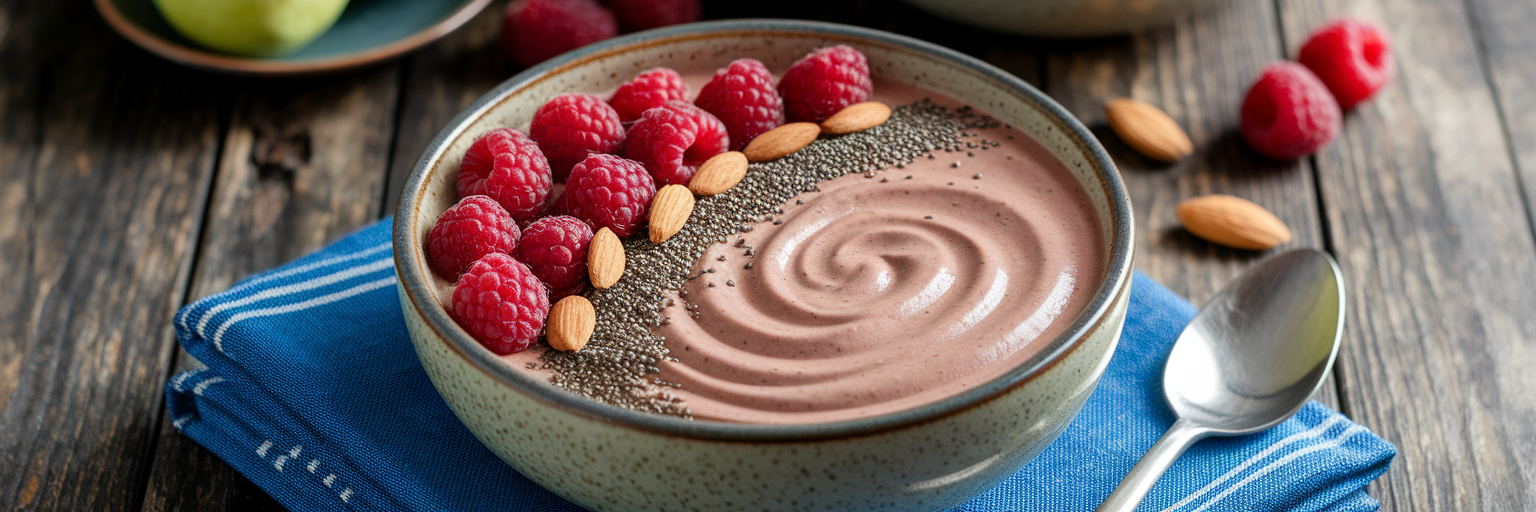
Vegan protein powder is incredibly versatile and can be much more than just a post-workout shake. Integrating it into your daily meals and snacks is an easy way to ensure your muscles get a steady supply of amino acids for sustained repair and growth. Here are a few simple ideas to get you started:
- Mix a scoop into your morning oatmeal or a smoothie bowl for a protein-packed start to your day.
- Blend it into plant-based yogurt or chia pudding for a delicious and filling high-protein snack.
- Add it to pancake, waffle, or muffin batter to give your favorite breakfast treats a powerful nutritional boost.
Unflavored or naturally flavored powders work especially well in recipes because they won't overpower the other ingredients. Getting creative in the kitchen makes it easy and enjoyable to meet your protein goals. For some inspiration, check out our 3 easy vegan protein recipes you'll actually crave.
Embrace a Stronger, Faster Recovery
Feeling sore after a workout is a sign of hard work, but smart recovery is what turns that work into results. By managing inflammation effectively, you can bounce back faster and train more consistently. Plant-based proteins are an excellent tool for this, offering a complete amino acid profile along with natural anti-inflammatory compounds that support your body’s repair processes.
Choosing a high-quality, clean vegan protein and timing it right can make a noticeable difference in how your body feels and performs. You deserve to fuel your body with nutrition that works as hard as you do. Ready to feel the difference in your recovery? Explore our range of clean, high-potency muscle recovery supplements and find the perfect fit for your routine.