

Reinventing Pizza Night for Your Fitness Goals
Let’s be honest, who doesn’t love pizza? That warm, savory combination of crust, sauce, and toppings is a universal comfort food. But for many of us on a health and fitness journey, especially those following a vegan lifestyle, pizza often feels like a "cheat meal." It’s delicious, but it can feel like a step away from our goals.
The main issue is that most vegan pizzas, while tasty, are heavy on carbs and light on protein. This leaves you feeling less than satisfied and without the key nutrients needed for muscle recovery. What if you could change that?
This is where a little kitchen creativity comes in. By using a high-quality, unflavored vegan protein powder, you can transform your favorite pizza from an occasional indulgence into a nutrient-dense meal that actively supports your fitness goals. Forget sacrifice. We’re going to show you how to fortify your sauces and even create your own protein-packed vegan cheese.
The Nutritional Payoff of a Protein-Boosted Slice
So, why go to the trouble of adding protein to your pizza? The benefits go far beyond just hitting your daily macros. For anyone focused on fitness, the primary advantage is enhanced muscle repair and growth. A typical slice of vegan pizza might offer 5-7 grams of protein. By fortifying your toppings, you can easily double that to 12-15 grams per slice, providing your body with the amino acids it needs after a workout.
Another significant benefit is satiety. We’ve all felt that need to eat just one more slice. Protein is a game-changer here. In fact, studies published in the American Journal of Clinical Nutrition have consistently shown that higher protein intake increases the feeling of fullness, which can lead to reduced calorie consumption. This simple addition helps you feel satisfied and in control, making your high-protein vegan pizza a genuinely balanced meal.
When you look at the whole pie, the numbers are even more impressive. A single pizza can deliver 40-50 grams of complete protein, making it a powerful contributor to your daily nutritional needs. It’s no longer a carb-heavy treat but a goal-oriented meal that works with you.
| Nutritional Factor | Standard Vegan Pizza Slice | Protein-Boosted Vegan Pizza Slice |
|---|---|---|
| Average Protein | 5-7g | 12-15g+ |
| Muscle Recovery Support | Minimal | Significant |
| Satiety Level | Moderate | High |
| Meal Classification | Carb-heavy indulgence | Balanced, goal-oriented meal |
Note: Figures are estimates based on a standard pizza slice with vegetable toppings. The protein-boosted version assumes the use of fortified sauce and/or cheese as described in this guide.
Creating the Perfect High-Protein Pizza Sauce
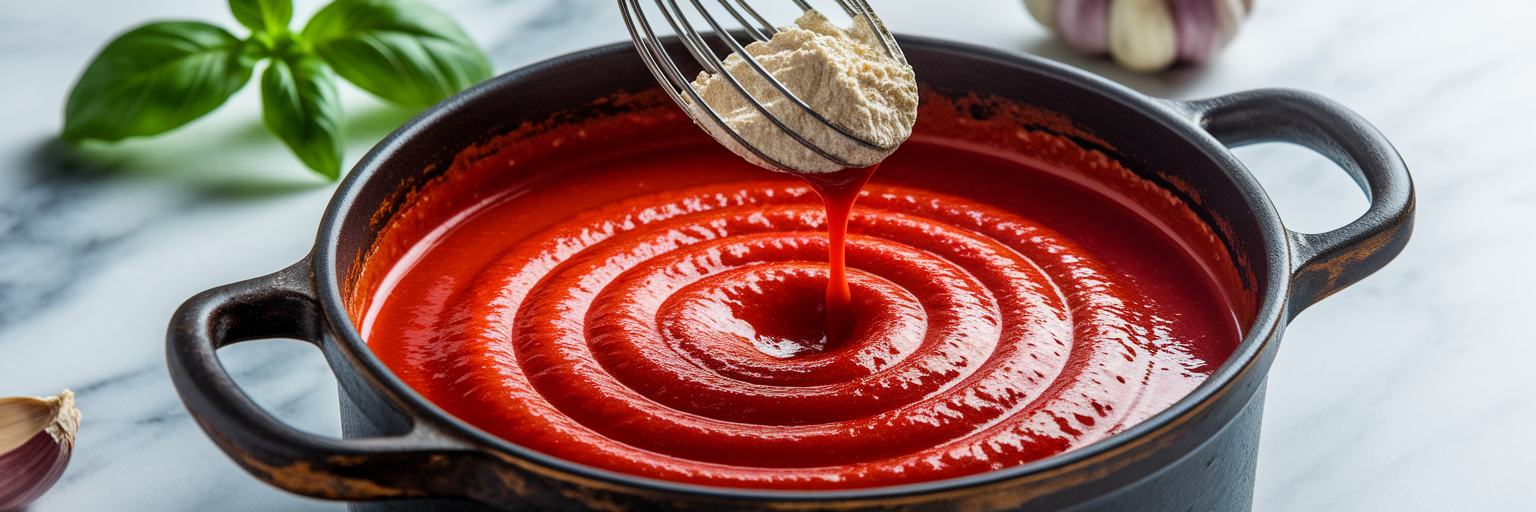
The heart of any great pizza is its sauce, and it’s the easiest place to start your protein-boosting journey. The key is to choose the right powder. An unflavored, finely milled vegan protein isolate is your best friend here, as it will blend seamlessly without altering the taste of your sauce.
Here’s the most important technique to remember: never dump the powder directly into hot sauce. It will clump instantly. Instead, create a slurry. Whisk one or two scoops of protein powder with a few tablespoons of cool water in a small bowl until it forms a smooth, thick paste. Then, slowly stir this slurry into your warm sauce until it’s fully incorporated. This simple step guarantees a perfectly smooth texture every time.
Ready to try it? Here are a couple of ideas:
- Classic Tomato-Basil Sauce: Add your protein slurry to a simple marinara. You’ll notice it not only boosts the protein but also adds a satisfying richness and body to the sauce.
- Creamy White Sauce: Making a dairy-free white sauce with a base of cauliflower or cashews? The protein powder will enhance its creamy consistency while packing in extra nutrients.
Don’t be afraid to adjust the flavors. Since protein powder can subtly mute other ingredients, you might want to add a little extra garlic, oregano, or fresh basil to make the taste pop. Once you master the sauce, you'll find there are many other ways to cook with protein, from breakfast to dessert. We've gathered some of our favorite easy vegan protein powder recipes to get you started.
How to Make a Creamy, High-Protein Vegan Cheese
Store-bought vegan cheeses can be hit or miss. Why not make your own? Creating a delicious, melty, and protein-rich cheese at home is easier than you think. The base of this plant-based cheese alternative recipe relies on a few simple ingredients: soaked raw cashews for creaminess, nutritional yeast for that savory, cheesy flavor, and a squeeze of lemon juice for a bit of tang.
The secret ingredient, of course, is vegan protein powder. Here, it does more than just add nutrition. It acts as a functional binder, helping the cheese to set properly. This gives it a firmer, more sliceable texture and even improves how it melts in the oven. Food bloggers and recipe developers are increasingly using this method, a technique noted by sites like All Day I Dream About Food, which uses it to create firm, high-protein pizza crusts and toppings.
To make it, simply blend about one cup of soaked cashews, a quarter cup of nutritional yeast, a scoop of protein powder, a splash of water, and your seasonings until completely smooth. The result is a creamy, spreadable cheese that adds around 10 extra grams of protein to your pizza. For a clean, neutral base that won't interfere with the cheesy flavor, our Unflavored Vegan Protein Isolate is the perfect choice. You can find it among our other plant-based essentials.
More Creative High-Protein Topping Ideas
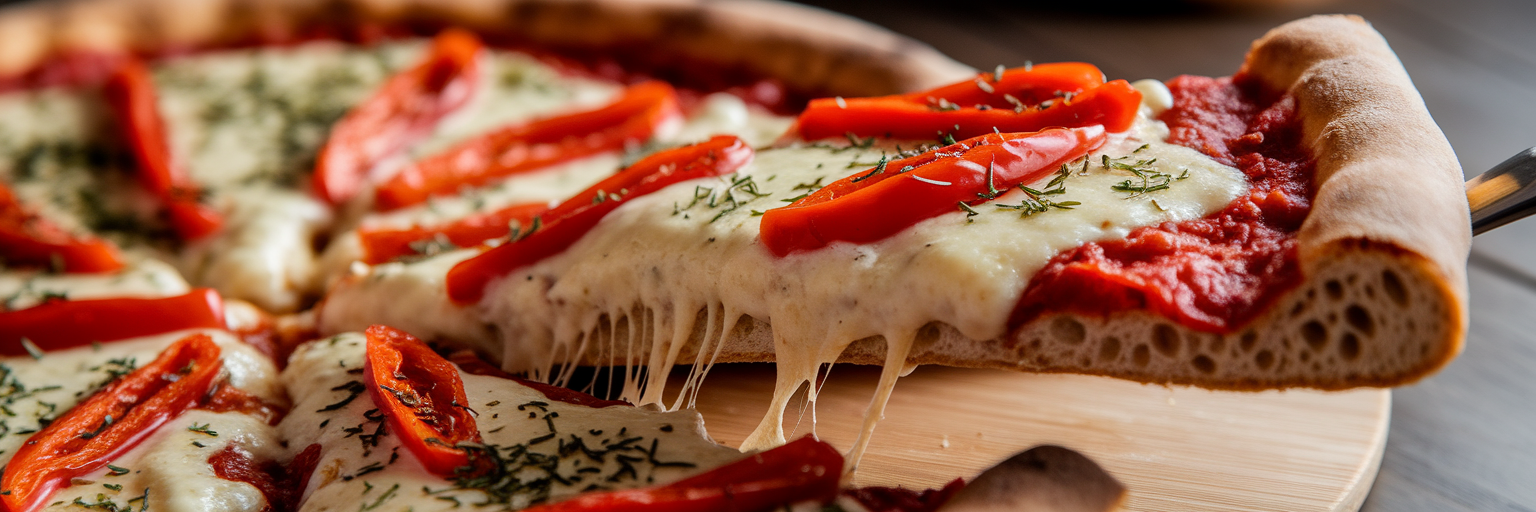
Once you have your sauce and cheese sorted, you can get even more creative with other healthy pizza topping ideas. These simple additions can add texture, flavor, and even more protein to every bite.
- Protein-Dusted Veggies: Before roasting your mushrooms, onions, or bell peppers, toss them in a bowl with a tablespoon of unflavored protein powder mixed with seasonings like smoked paprika, garlic powder, and a pinch of salt. This creates a delicious, savory crust that gets slightly crispy in the oven.
- Fortified 'Meat' Crumbles: Take firm tofu or tempeh and crumble it into a hot pan. As it sautés, sprinkle in a seasoning blend that includes a tablespoon of protein powder. The powder helps the crumbles brown nicely and absorbs the flavors of your spices, all while boosting the protein content.
- Crunchy Protein Topper: For a final touch of texture and nutrition, create a simple crunchy topping. Mix slivered almonds, pumpkin seeds, or sunflower seeds with a light dusting of protein powder and sprinkle it over your pizza before baking. It adds a satisfying crunch that contrasts beautifully with the melted cheese.
Tips for Perfect Texture and Flavor
Now that you know the basics of how to use protein powder in food, let's talk about perfecting the results. Adding a dry powder to recipes can sometimes be tricky, but a few simple tips will ensure your pizza turns out delicious every time.
First, remember that protein powder is very absorbent. It can make sauces or cheeses feel a bit thick or gummy if you use too much. Always start with a "less is more" approach. It’s also important to add extra liquid—whether it’s water, vegetable broth, or plant-based milk—to maintain the right consistency. If your sauce feels too thick, just whisk in a little more liquid until it’s perfect.
Next, let’s manage the flavor. While unflavored protein powder is designed to be neutral, it can sometimes have a subtle earthy note. Counteract this by using robust seasonings. Don’t be shy with the garlic, smoked paprika, oregano, or even a dash of soy sauce to ensure a rich, authentic pizza flavor.
Finally, don’t forget about healthy fats. A drizzle of extra virgin olive oil in your sauce or a bit of tahini blended into your cashew cheese can create a richer mouthfeel and prevent any hint of dryness. Fat carries flavor and helps create that satisfying experience we all crave from pizza.
Your High-Protein Vegan Pizza Blueprint
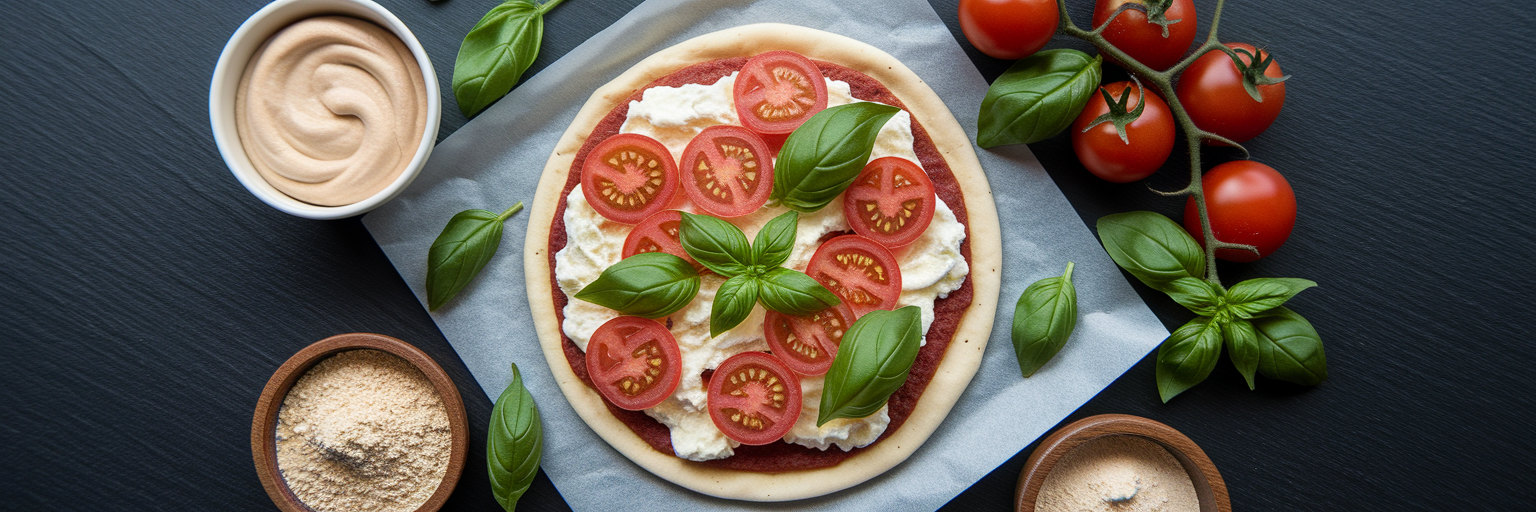
Feeling inspired? Let’s bring it all together. Building the ultimate high-protein vegan pizza is a simple, layered process. Think of this as your go-to blueprint for a meal that’s both delicious and aligned with your wellness goals.
- Start with a Solid Foundation: Choose your favorite vegan pizza crust. Whether it’s a thin and crispy store-bought base or a fluffy homemade dough, a good foundation makes all the difference.
- Layer on the Protein: Spread a generous layer of your protein-fortified tomato or white sauce. Next, add dollops or slices of your high-protein cashew cheese. Finally, top it off with protein-dusted veggies and any other toppings you love.
- Celebrate the Outcome: As you pull your pizza from the oven, take a moment to appreciate what you’ve created. This isn’t just pizza; it’s a true performance meal, packed with the nutrients your body needs to thrive.
- Encourage Creativity: This blueprint is just the beginning. Experiment with different sauces, cheeses, and toppings to find your signature creation. Think of this as your starting point. For more inspiration on incorporating plant-based nutrition into your life, check out our blog.
Enjoy Pizza Without Compromise
Pizza night is back on the menu, and this time, there’s no need for compromise. With these simple techniques, you can transform a classic comfort food into a protein-packed meal that actively supports your health and fitness journey. It’s proof that you don’t have to give up the foods you love to achieve your goals; you just need the right tools to make them work for you.
You now have the power to create a delicious meal that fuels your body and satisfies your cravings. Ready to build your perfect protein pizza? Explore our Chocolate Vegan Protein, which is crafted to blend smoothly into your favorite recipes.
We’d love to see what you create! Share your high-protein pizza masterpieces on social media and tag us with #BeyondGoodPizza.