

There’s a reason over 200 million Americans enjoy bagels. That warm, chewy circle of goodness is a breakfast staple. But we all know the feeling that follows a classic bagel breakfast: the mid-morning energy slump. A meal high in refined carbs can send your energy levels on a rollercoaster, leaving you reaching for another coffee before noon.
What if you could keep the satisfying bagel experience without the crash? The solution is simpler than you think. By adding a scoop of high-quality vegan protein powder to the dough, you transform a simple carb into a balanced, powerhouse meal. This isn't about compromising on taste; it's about making your favorite breakfast work harder for you.
Adding protein fundamentally changes how your body processes the meal. It acts like a time-release fuel source, slowing down the absorption of carbohydrates. This prevents the sharp spike in blood sugar that leads to that familiar crash, giving you steady, reliable energy to power through your morning. A protein-boosted bagel also keeps you feeling full and satisfied for hours, which is a huge help if you're focused on weight management or just want to curb those pesky snack cravings. For anyone with an active lifestyle, it’s a perfect post-workout meal that supports muscle repair and growth right when you need it. This simple upgrade makes bagels a smart, functional part of your health journey.
Why Boost Your Bagels with Protein?
That familiar love for a morning bagel is something many of us share. It's a quick, comforting, and delicious start to the day. Yet, the classic bagel often leads to an energy crash just a few hours later, a common problem for anyone trying to maintain steady focus. The culprit is a breakfast high in refined carbohydrates, which can cause a rapid spike and fall in blood sugar.
Here’s where a simple adjustment makes all the difference. Adding vegan protein powder to your bagel dough turns it from a simple treat into a nutritionally balanced meal. This isn’t about taking away what you love; it’s about adding what your body needs. The benefits are immediate and noticeable.
First, you get sustained energy. Protein slows down how quickly your body absorbs carbohydrates. Think of it as a time-release fuel source, preventing that dreaded energy slump and keeping you sharp all morning. Second, you’ll experience increased satiety. A protein-rich breakfast helps you feel full longer, making it an excellent tool for managing weight or simply avoiding the urge to snack between meals. Finally, it provides crucial muscle support. For those who lead an active life, a high-protein bagel becomes a convenient and effective post-workout food, helping your muscles repair and recover. This small change makes your favorite breakfast a smart choice that aligns with your fitness goals.
Choosing the Right Vegan Protein for Baking
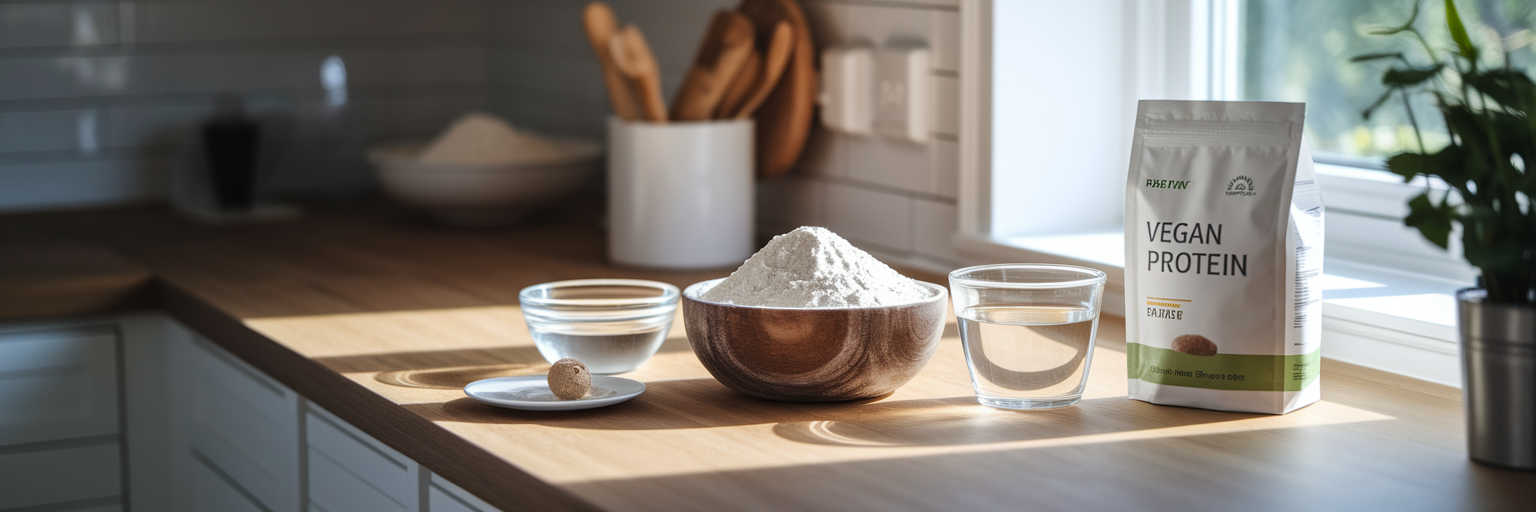
Now that you understand why protein is a great addition, let's talk about the "what." Not all protein powders behave the same way in the kitchen. The wrong choice can leave you with a dry, gritty bagel, and nobody wants that. The secret to success lies in selecting the right vegan protein powder for baking.
Plant proteins have different properties that affect texture and taste. Some, like certain rice proteins, can be chalky, while others, like pea protein, are known for their smooth consistency. A blend of different plant proteins often gives you the best of both worlds, creating a balanced texture that works beautifully in dough. For those curious about what makes certain powders superior for culinary use, exploring the differences between the best protein powders can provide deeper insight.
We strongly recommend using an unflavored or a neutral vanilla vegan protein powder. You want the classic bagel flavor to shine through, not be overpowered by a strong chocolate or berry taste. Our Beyond Good Foods powders are naturally flavored and finely milled, which helps them incorporate seamlessly into dough without creating a chalky texture. A high-quality powder designed for more than just shakes is your best bet for a perfect bake.
| Protein Type | Texture in Dough | Flavor Profile | Best For |
|---|---|---|---|
| Pea Protein | Smooth, incorporates well | Mildly earthy | Achieving a soft, consistent crumb. |
| Soy Protein | Good binding properties | Neutral | Creating a strong dough structure. |
| Rice Protein | Can be slightly gritty | Subtly sweet | Gluten-free blends, use finely milled versions. |
| Hemp Protein | Dense, slightly coarse | Nutty, earthy | Hearty, rustic bagels where a dense texture is desired. |
This table provides a quick reference for how different plant proteins behave in baking. For this bagel recipe, a smooth pea protein or a blend is recommended for the best texture.
Step-by-Step High Protein Vegan Bagel Recipe
This is where the magic happens! This foolproof high protein vegan bagel recipe will guide you to creating delicious, chewy bagels right in your own kitchen. It feels like a weekend project but is simple enough for any day of the week.
Ingredients
- 1 ½ cups warm water (around 110°F/43°C)
- 2 ¼ tsp active dry yeast (1 standard packet)
- 1 tbsp maple syrup
- 3 ½ cups bread flour, plus more for dusting
- 2 scoops (approx. ½ cup) Beyond Good Foods Unflavored or Vanilla Vegan Protein Powder
- 1 ½ tsp salt
- Optional toppings: sesame seeds, poppy seeds, everything bagel seasoning
Instructions
- Activate the Yeast: In a small bowl, combine the warm water, yeast, and maple syrup. Let it sit for 5-10 minutes until it becomes foamy. This foam is your sign that the yeast is alive and ready to work.
- Combine Ingredients: In a large mixing bowl, whisk together the bread flour, protein powder, and salt. Pour in the yeast mixture and stir until a shaggy dough forms.
- Knead the Dough: Turn the dough out onto a lightly floured surface. Knead for 5-7 minutes until it becomes smooth and elastic. You’ll know it’s ready when it springs back slowly if you poke it.
- First Proof: Place the dough in a lightly oiled bowl, cover it, and let it rise in a warm spot for about 1 hour, or until it has doubled in size. This step creates the light, airy texture inside the bagel.
- Shape and Boil: Punch the dough down and divide it into 8 equal pieces. Roll each piece into a ball, then poke a hole in the center and gently stretch it to form a bagel shape. Bring a large pot of water to a boil and boil each bagel for 1 minute per side. This step is the secret to a chewy, classic bagel crust.
- Bake: Place the boiled bagels on a baking sheet lined with parchment paper. Brush with a little plant-based milk and add your favorite toppings. Bake at 425°F (220°C) for 15-20 minutes, or until they are beautifully golden brown.
Once you've mastered these bagels, you might be ready to try other delicious dishes. We have 3 easy vegan protein recipes you'll actually crave waiting for you on our blog.
Tips for the Perfect Protein Bagel Texture
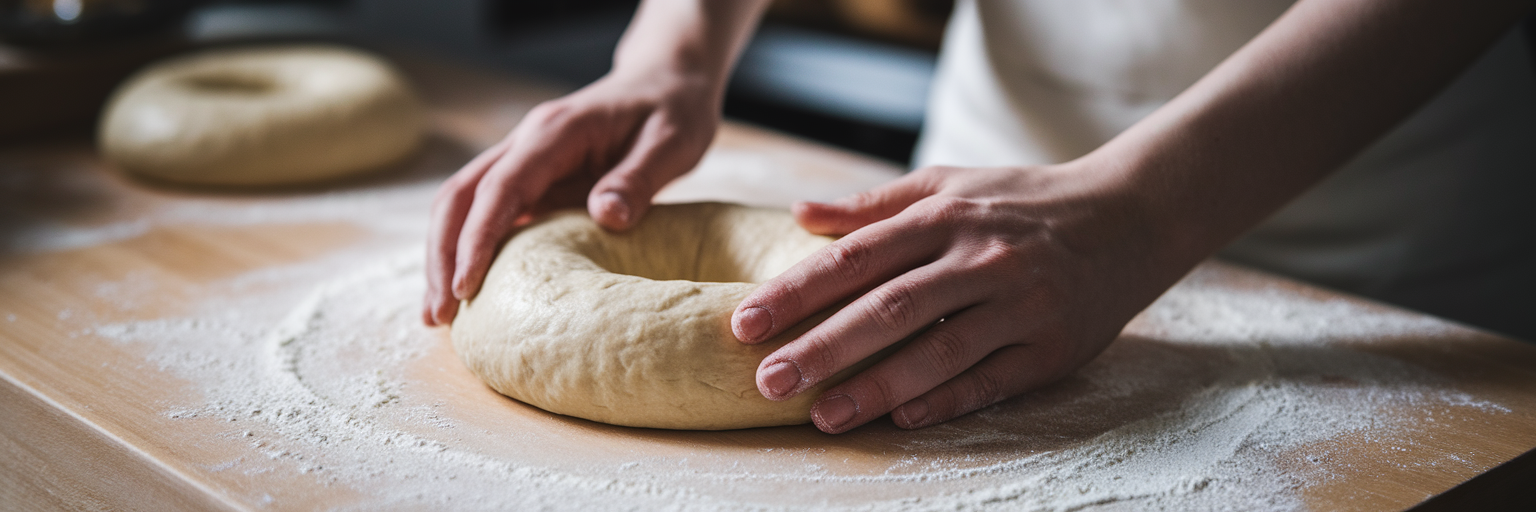
You've followed the recipe, but you want to make sure your bagels come out perfectly every time. Baking with vegan protein powder introduces a few new variables, but with a couple of expert tips, you can easily master the process and avoid common pitfalls.
First, let's talk about dryness. Protein powder is highly absorbent, much more so than flour. If your dough feels stiff or dry, don't hesitate to add more water, one tablespoon at a time, until it becomes pliable and easy to work with. This absorbent quality is well-documented; food science studies, such as one published by the journal Foods, often explore how adding plant proteins affects dough hydration and requires adjustments to liquid ratios.
While kneading is essential for developing gluten, be careful not to overwork a protein-enriched dough. Over-kneading can make the final product tough. As soon as the dough feels smooth and elastic, it's time to stop. Also, the boiling step is non-negotiable. It might seem like an extra hassle, but boiling the bagels before baking is what gelatinizes the starches on the crust, giving you that signature chewiness that separates a real bagel from just round bread.
Finally, choose your flour wisely. We strongly recommend bread flour over all-purpose flour for this recipe. Bread flour has a higher gluten content, which creates the strong, elastic structure needed to support the added protein and deliver a superior chew. All-purpose flour will work in a pinch, but the result will be a softer, more bread-like texture.
Creative Toppings and Balanced Pairings
You’ve baked a batch of beautiful, high-protein bagels. Now for the fun part: dressing them up! These bagels are a fantastic canvas for all sorts of delicious and nutritious toppings. Here are a few plant based protein breakfast ideas to get you started.
- Savory Sensations: For a satisfying meal, mash half an avocado on a toasted bagel and sprinkle it with everything bagel seasoning. Or, try a generous spread of dairy-free cream cheese topped with fresh dill and chives. For an extra protein punch, pile on a mini tofu scramble with a dash of black salt for an eggy flavor.
- Sweet & Simple: If you have a sweet tooth, you can’t go wrong with a classic combination. Spread on some natural almond butter and top it with banana slices and a sprinkle of cinnamon. Another great option is a layer of coconut yogurt topped with fresh berries and a light drizzle of maple syrup for a refreshing treat.
We love seeing your creativity in the kitchen! How do you top your protein bagels? Tag us in your photos on social media so we can see your amazing creations. Feel free to browse our full collection of clean, plant-based products to fuel your next kitchen creation.
Storing and Reheating Your Homemade Bagels
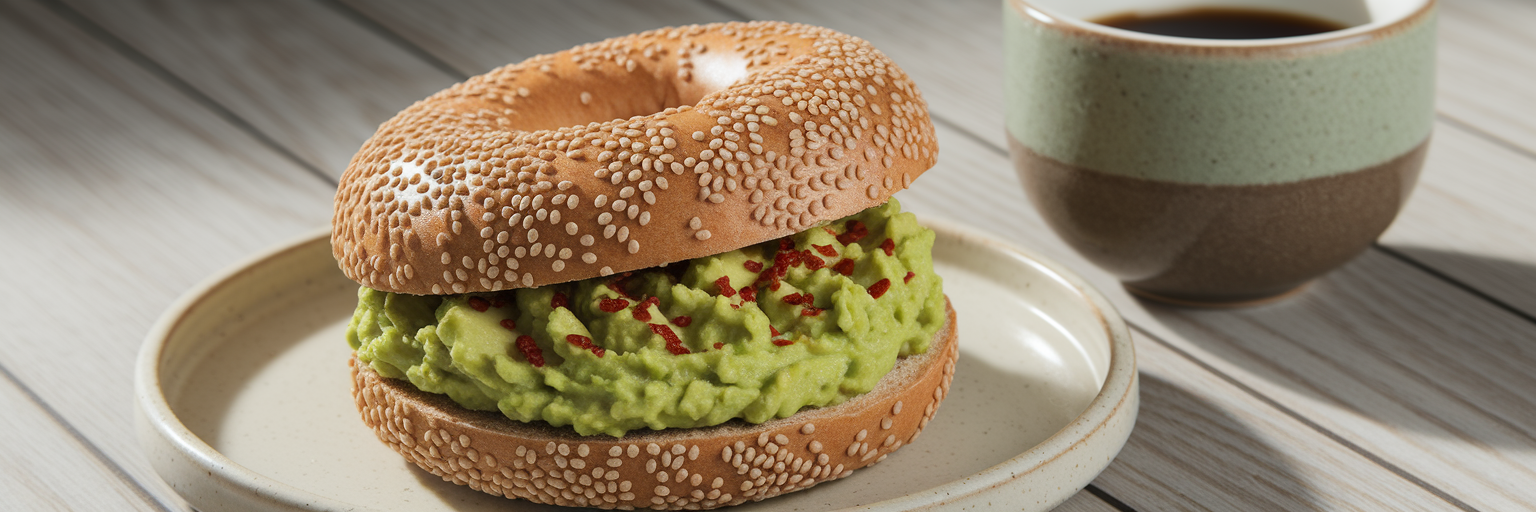
Your hard work has paid off, and now you have a fresh batch of homemade bagels. Since they don't contain preservatives, storing them correctly is key to keeping them fresh and delicious.
For the next two to three days, store your bagels in a paper bag on the counter. A plastic bag will trap moisture and make the crust soft, so paper is your best friend here. For longer storage, we have a tip that makes life so much easier: slice the bagels *before* you freeze them. This way, you can grab one and pop it straight into the toaster. Store the pre-sliced bagels in a freezer-safe bag for up to a month.
When you're ready to eat one, the best way to reheat it is in a toaster. Whether fresh or frozen, toasting revives that crispy crust and soft, warm interior. We recommend avoiding the microwave, as it can make the bagels tough and chewy in all the wrong ways.
For more healthy recipes and tips on living a plant-powered life, be sure to check out our blog.