

The Challenge of Recovery for Plant-Based Swimmers
Every dedicated swimmer knows the feeling. It’s that familiar, heavy ache in your shoulders and legs after a grueling practice, the kind that makes lifting your arms feel like a monumental effort. You’ve put in the work, but now the real challenge begins: recovery. For plant-based athletes, this process has an added layer of complexity. You are committed to both peak performance in the pool and a lifestyle that avoids animal products, which means your approach to nutrition has to be smart and strategic.
This is where missed opportunities in recovery often happen. While a balanced vegan diet is powerful, it naturally contains less of certain performance-focused compounds found in meat and fish. This is not a setback, but an area where a targeted approach can make a huge difference. Creatine monohydrate is a well-researched, completely vegan-friendly tool that helps bridge this gap. It’s not a shortcut, but a way to give your muscles the resources they need for effective post swim recovery for vegans. This guide will walk you through what creatine is, why it’s especially helpful for plant-based swimmers, and how to integrate it into your routine for better performance.
How Creatine Fuels High-Intensity Performance
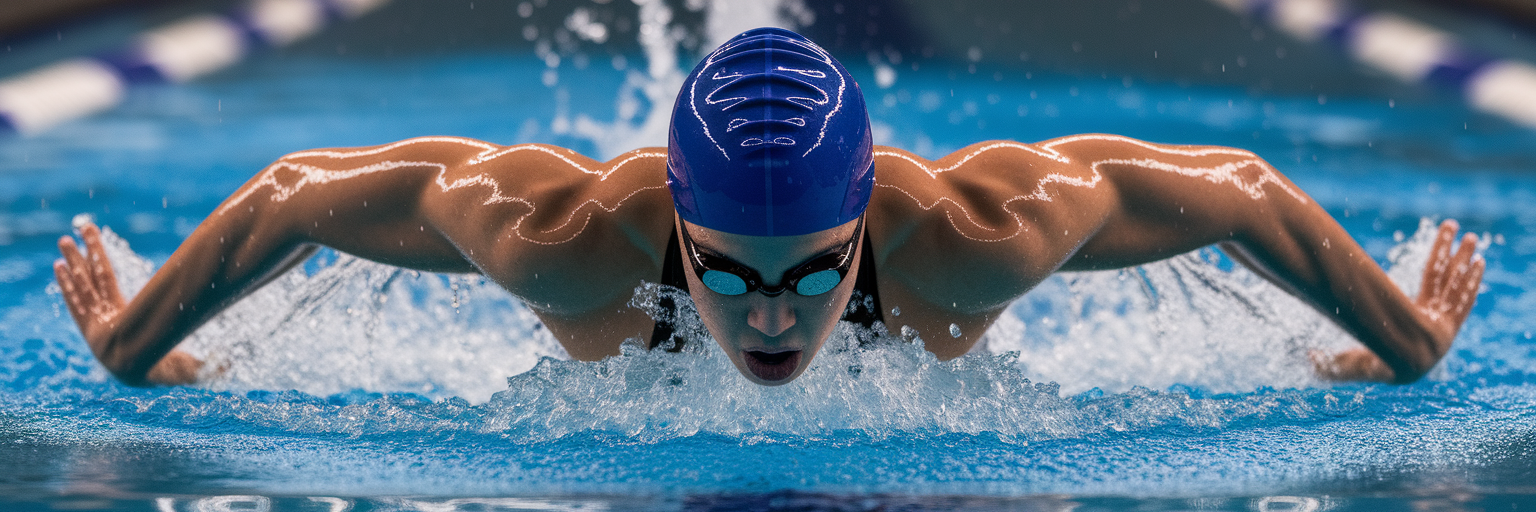
So, what exactly does creatine do? Think of it as a rapid-recharge power bank for your muscles. During short, explosive movements like a dive off the blocks, a powerful flip turn, or an all-out 50-meter sprint, your muscles use a high-energy molecule called ATP. The problem is, your body only has a few seconds' worth of ATP on hand. Once it’s used up, you feel that drop in power and speed.
This is where creatine steps in. Your body stores creatine in your muscles as creatine phosphate. When you burn through your ATP, creatine phosphate swoops in and quickly donates its phosphate molecule to regenerate ATP. This process allows you to sustain that high-intensity effort for a few crucial seconds longer. For a swimmer, that translates directly into more powerful kicks, maintaining speed through the end of a race, and feeling less gassed between interval sets. This isn't just theory; research has shown that creatine supplementation can improve performance during repeated interval swim sets, as noted in a review published by the National Institutes of Health.
There’s another benefit, too. Creatine helps pull water into your muscle cells, a process called cellular hydration. This not only makes muscles look fuller but, more importantly, supports the protein synthesis and repair processes that are essential for recovery after a tough workout. While this covers the basics, you can learn more about the extensive creatine benefits and how effective is creatine monohydrate really in our detailed guide.
The Creatine Advantage for Vegan Athletes
Now, let's talk about why this matters so much for you as a plant-based athlete. The main dietary sources of creatine are red meat and fish. While your body naturally produces a small amount on its own, it’s generally not enough to fully saturate your muscles. Because of this, studies consistently show that vegetarians and vegans have lower baseline levels of creatine stored in their muscles compared to omnivores.
But here’s the interesting part: this isn't a disadvantage. It’s an opportunity. Because your starting levels are lower, supplementing with creatine for vegan athletes can lead to more noticeable and significant improvements. You’re essentially filling a tank that has more room, allowing you to reach optimal muscle saturation and unlock gains in strength, power, and recovery that you might have been missing. In fact, a recent study highlighted in PubMed confirms that for vegans, who have reduced creatine stores, supplementation can enhance both physical and cognitive performance.
That’s right, the benefits aren’t just physical. That same study points to improved short-term memory and cognitive function, which can be a huge asset for maintaining focus during long, monotonous training sessions or staying sharp on race day. The difference in potential is quite clear.
| Diet Type | Typical Muscle Creatine Stores (Without Supplementation) | Potential Impact of Supplementation |
|---|---|---|
| Omnivore | ~80% Saturated | Moderate increase in power & recovery |
| Vegetarian | Lower than omnivores | Significant increase in power & recovery |
| Vegan | Lowest baseline levels | Most pronounced improvements in strength, power & recovery |
Note: This table illustrates general findings from nutritional science. Individual results can vary, but it highlights the greater potential for improvement in individuals with lower initial creatine stores.
Choosing a High-Quality Vegan Creatine Supplement

When you hear "creatine," you might wonder if it aligns with your vegan lifestyle. Let's clear that up right away: high-quality creatine monohydrate is 100% vegan. It is synthesized in a laboratory from non-animal starting materials, so you don’t have to worry about hidden animal products. The key is knowing what to look for to ensure you’re getting a pure and effective product.
Think of it as a simple quality-check before you buy. Here’s what to look for in vegan supplements for swimmers:
- 100% Pure Creatine Monohydrate: The label should be simple. You want a product that contains only creatine monohydrate, with no unnecessary fillers, sugars, or other additives. Purity is paramount.
- Certified Vegan Seal: While creatine is inherently vegan, a certification from a recognized organization provides an extra layer of assurance that the entire manufacturing process aligns with vegan standards.
- Third-Party Testing: For competitive athletes, this is non-negotiable. Look for certifications like NSF Certified for Sport or Informed-Sport. This verifies that the product is free from banned substances and contaminants.
It’s natural to have questions about safety, but major health organizations like the Mayo Clinic note that creatine does not appear to affect kidney function in healthy people when taken as directed. When you're ready to choose, a product like our pure Creatine Monohydrate checks all these boxes, giving you a clean and effective option to support your training.
Your Daily Creatine Plan for Optimal Swim Recovery
Integrating creatine into your routine is surprisingly simple. Forget complicated protocols; the most important factor, hands down, is consistency. Here’s a straightforward guide on how to take creatine monohydrate effectively.
There are two common approaches:
- The Loading Phase (Optional): This involves taking a higher dose, around 15–20 grams per day (split into 3–4 smaller doses), for 5–7 days. The goal is to saturate your muscles as quickly as possible. Some people experience minor stomach discomfort with this method, but it can help you feel the benefits a bit sooner.
- The Maintenance Phase (Recommended): This is the simpler, go-to method. Just take 3–5 grams of creatine every single day. It will take about three to four weeks to fully saturate your muscles, but you’ll reach the exact same level as you would with a loading phase, just without the rush.
For most swimmers, the maintenance dose is the perfect strategy. It’s easy to remember and gentle on your system. When should you take it? The timing isn't as critical as just taking it daily. Some studies suggest that taking it post-workout with carbohydrates and protein can slightly enhance absorption, making it a great addition to your recovery shake. But if you forget, don’t sweat it. Taking it in the morning or whenever you remember works just as well.
One crucial point: stay hydrated. Creatine helps your muscles hold onto water, so you need to drink plenty of fluids throughout the day to support its function and your overall health. A simple, consistent 3–5 gram daily dose is a proven and effective strategy for enhancing your performance and recovery. If you have more questions about how to fit this into your routine, check out our FAQs page for answers.
Building the Ultimate Vegan Post-Swim Recovery Meal
Creatine works best as part of a team. To maximize your plant based athletic recovery, you need to pair it with the right nutrients at the right time. After a hard swim, your muscles are like sponges, ready to soak up everything they need to repair and refuel. Combining creatine with fast-acting carbohydrates and high-quality protein creates a synergistic effect, helping to shuttle all those good nutrients directly into your tired muscle cells.
A post-swim smoothie is one of the easiest and most effective ways to get this done. It’s quick to digest and feels more like a reward than a chore. Here’s a simple recipe to get you started:
- 1 scoop of our Unflavored Creatine Monohydrate (5g)
- 1 scoop of a clean, delicious protein like our Chocolate Vegan Protein
- 1 ripe banana (for carbs and potassium)
- 1/2 cup of frozen berries (for antioxidants and carbs)
- 12 oz of your favorite plant-based milk (like almond or soy)
Just blend it all until smooth and enjoy it within 30–60 minutes of finishing your workout. If you’re not a smoothie person, a bowl of oatmeal with fruit and a scoop of protein powder or a fortified cereal with plant-based milk are also great options. Feel free to get creative! You can find more ideas in our collection of easy vegan protein recipes to keep your recovery routine fresh and exciting.