

The Weekend Warrior's Guide to Plant-Powered Recovery
There’s a special kind of quiet that settles in after a long hike. Whether you’ve just reached a peak in the Blue Ridge Mountains or are watching the sun dip below the Pacific, that feeling of accomplishment is incredible. But soon after, another familiar feeling arrives: the deep, satisfying ache in your muscles. That soreness isn't a sign of weakness; it’s your body telling you it’s ready to rebuild and get stronger.
For active people, especially plant-based hikers, this is where smart recovery comes in. You don’t have to just wait out the soreness. With the right nutrition, you can help your body repair itself more efficiently. This is where a high-quality vegan protein powder becomes your best friend on the trail. It’s a simple and effective tool to speed up muscle repair, reduce that next-day stiffness, and get you back on your feet for the next adventure.
In this guide, we’ll explore why protein is so important for recovery and how to choose the right plant-based options. We’ll also share simple ways to prepare shakes and snacks that fit perfectly into an active, outdoor lifestyle. For more tips on supporting your fitness journey, you can always find helpful insights on our blog.
Understanding Muscle Repair After a Hike
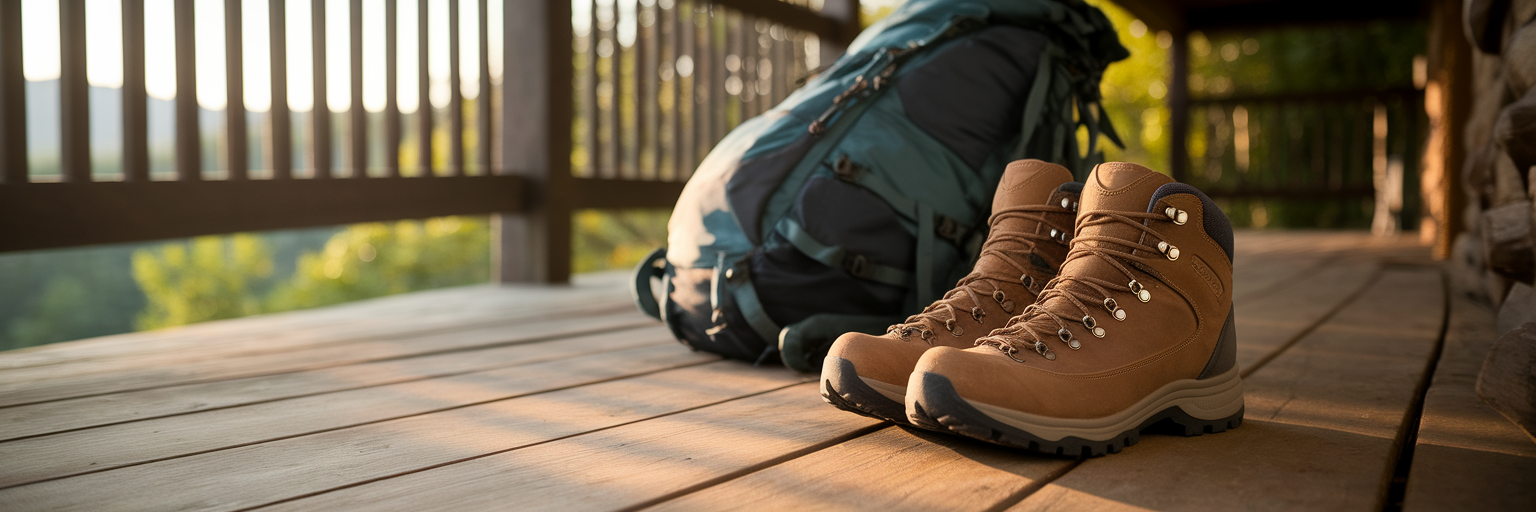
So, why exactly do your legs feel so tired after a challenging trek? Every step you take on uneven terrain creates tiny, microscopic tears in your muscle fibers. This might sound alarming, but it’s a completely normal and necessary process for building strength. When your body repairs these micro-tears, it reinforces the muscle, making it more resilient for your next outing.
Think of protein as the essential repair crew for your muscles. The amino acids found in protein are the building blocks that rush to the site of these tears to patch things up and build them back stronger. Without enough of these building blocks, the recovery process can be slow and incomplete, leaving you feeling sore and fatigued for days.
An active hiker’s protein needs are quite different from someone who is mostly sedentary. The standard Recommended Dietary Allowance (RDA) is about 0.8 grams of protein per kilogram of body weight. However, as the outdoor experts at Bearfoot Theory highlight, active individuals often need more to support proper recovery. This isn't just for elite athletes. If you’re pushing your limits on the trail over the weekend, your body requires extra resources to keep you feeling strong. Finding the best protein for hikers means choosing one that can effectively meet these increased demands and support your active lifestyle.
Selecting a High-Quality Vegan Protein
Choosing a vegan protein can feel overwhelming, but focusing on a few key factors makes it much easier. The goal is to find a clean, effective product that you actually enjoy drinking. After all, your recovery fuel should feel like a reward, not a chore.
Look for a Complete Amino Acid Profile
One of the most common myths about plant-based protein is that it’s "incomplete." While it's true that single plant sources may lack certain amino acids, a well-formulated blend solves this entirely. By combining different plant proteins, such as pea and rice, you get a full spectrum of all nine essential amino acids your muscles need for repair. In fact, a recent analysis highlighted by News-Medical.net found that plant-based protein blends can be just as effective as whey for muscle recovery. This makes these blends excellent vegan supplements for athletes and weekend warriors alike.
Check for Clean Ingredients
The quality of your protein powder is determined by what’s inside. When you’re looking for a great product, turn the container around and check the label for a few key things. As we explain in our guide to the best protein powders, a superior formula is defined by its simplicity and effectiveness. Look for:
- 20-25 grams of protein per serving to adequately support muscle synthesis.
- A blend of multiple plant sources like pea, rice, or hemp for a complete profile.
- No artificial sweeteners, colors, or unnecessary fillers.
- Natural sweeteners like monk fruit or stevia for a clean taste.
Prioritize Smooth Texture and Great Taste
Let’s be honest: no one likes a gritty, chalky protein shake. This is a common complaint with plant proteins, and it’s a valid one. The good news is that formulation has come a long way. We developed our vegan proteins specifically to deliver a smooth, creamy texture that mixes easily and tastes delicious. When your post-hike shake is something you look forward to, it makes sticking to your recovery routine that much easier.
Crafting the Ultimate Post-Hike Recovery Shake
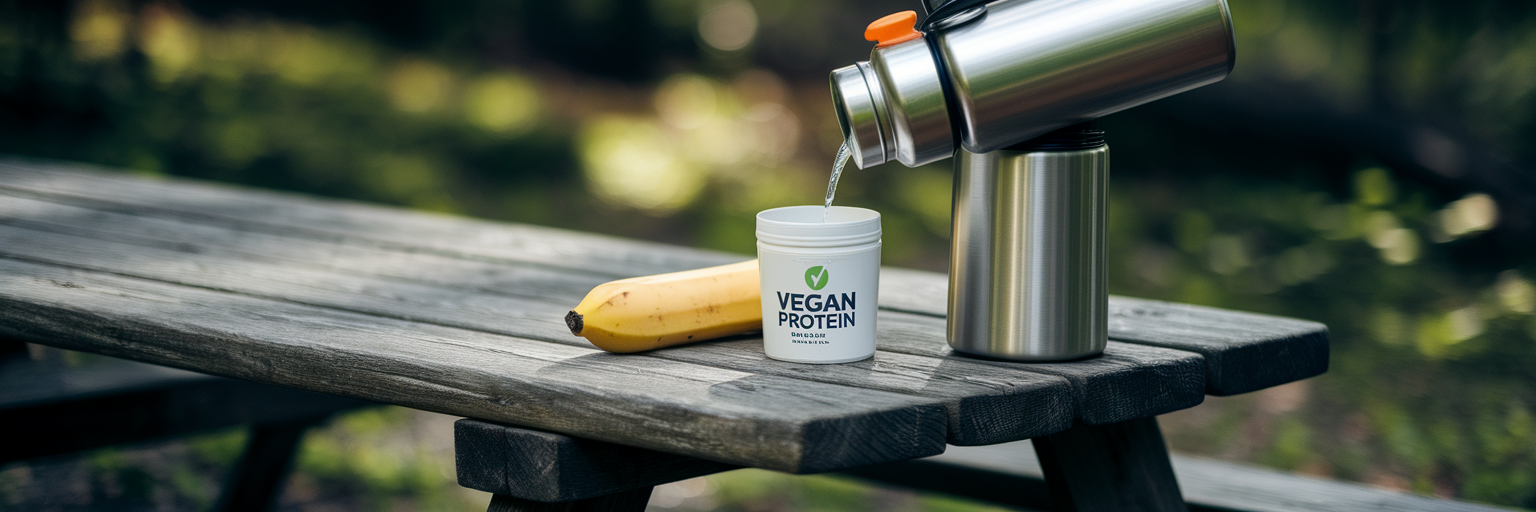
Now for the fun part: making your perfect post hike recovery shake. The simplest version is just one scoop of vegan protein powder mixed with 12-16 ounces of water or plant-based milk in a shaker bottle. It’s quick, easy, and gets the job done. But if you have a few extra minutes, you can create a nutritional powerhouse that will accelerate your recovery even more.
For optimal recovery, many experts recommend a carbohydrate-to-protein ratio of around 3:1. As noted in a guide by Trail.nl, this combination is ideal because carbohydrates work to replenish your depleted energy stores (glycogen), allowing the protein to focus entirely on its main job: muscle repair. This two-pronged approach helps you refuel and rebuild at the same time.
Here’s a simple framework to build a balanced and effective shake. Feel free to mix and match ingredients based on what you have on hand.
| Component | Purpose | Examples |
|---|---|---|
| Vegan Protein Powder | Muscle Repair | 1 scoop Beyond Good Foods Chocolate or Vanilla |
| Liquid Base (12-16 oz) | Hydration | Water, Oat Milk, Almond Milk, Coconut Water |
| Carbohydrate Source | Glycogen Replenishment | 1 Banana, 1/2 cup Berries, 1/4 cup Rolled Oats |
| Healthy Fat Source | Reduces Inflammation | 1 tbsp Chia Seeds, 1 tbsp Ground Flaxseed, 1 tbsp Almond Butter |
| Flavor & Nutrient Boost | Extra Recovery Support | Pinch of Cinnamon, Dash of Turmeric, Pinch of Sea Salt |
For an extra boost, consider adding these to your shake:
- Fruits like bananas or berries for natural sugars and antioxidants.
- Chia seeds or ground flaxseed for healthy omega-3 fats.
- A pinch of sea salt to help replenish electrolytes lost through sweat.
Pro Tip: Before you leave for your hike, add a scoop of protein powder to your shaker bottle. That way, all you need to do at the trailhead is add water, shake, and enjoy an instant recovery drink. For more creative ideas, check out these three easy vegan protein recipes.
Portable Plant-Based Protein for the Trail
Recovery doesn’t just start after the hike ends. Fueling your body during your adventure can make a huge difference in how you feel afterward. Consuming small, protein-rich snacks on the trail helps sustain your energy levels and can prevent excessive muscle breakdown, making your post-hike recovery smoother.
Finding good plant based hiking food is easier than you think. You can create your own high-protein trail mix by combining nuts, seeds, and a booster like roasted chickpeas or dried edamame. Another great make-ahead option is no-bake protein bites, which you can easily prepare by mixing protein powder with oats, nut butter, and a little maple syrup.
Here are a few other convenient, whole-food vegan protein sources that are perfect for packing, with more ideas available from resources like Veggie Vagabonds:
- Single-serving packets of almond or peanut butter
- Hummus with pretzel crisps or veggie sticks
- Crackers made from lentils or seeds
- Roasted chickpeas or fava beans
By incorporating snacks like these alongside the shakes and other options from our collection of products, you can create a well-rounded nutrition plan that supports you from the start of the trail to the end.
Timing Your Nutrition for Peak Recovery
You may have heard about the "anabolic window," a period of about an hour after exercise when your body is primed to absorb nutrients. Drinking your protein shake within this window can be beneficial for kick-starting muscle repair. It’s a great goal to aim for when you can.
However, don’t stress if you miss it. Consistency is far more important than perfect timing. What truly matters for supporting an active lifestyle is your overall daily protein intake. As long as you are consistently giving your body the fuel it needs, you will recover effectively.
The key is to prioritize high-quality protein, choose a clean and effective blend, and prepare simple shakes and snacks that fit your routine. With the right approach to vegan protein for muscle recovery, you can conquer your next adventure and feel even stronger. Ready to power your recovery? Try our Chocolate Vegan Protein to get started.