

If you’re a rower, you know the feeling. The final 500 meters, when your legs are burning, your core is screaming, and your lungs feel like they’re on fire. It’s a unique kind of exhaustion, born from a sport that demands everything from your body all at once. But what happens after you cross the finish line?
The Unique Physical Demands of Rowing
Every rower is familiar with that full-body ache that sets in after a tough session on the water or the erg. It starts with the explosive leg drive, transfers through a tightly braced core, and finishes with a powerful pull from the back and arms. Unlike many other sports, rowing is a rare combination of grueling endurance and repetitive, explosive strength. This intensity creates tiny micro-tears in muscle fibers throughout your quads, glutes, lats, and core.
At the same time, your body is rapidly burning through its primary fuel source: glycogen. Think of glycogen as the high-octane fuel in your tank. An intense rowing piece can leave that tank nearly empty, contributing to that profound sense of fatigue. This combination of muscle damage and energy depletion is what makes post workout recovery for rowers so critical.
Without a dedicated recovery strategy, you’re not just risking a few sore muscles. Inadequate repair can lead to performance plateaus where you just can’t seem to get faster, no matter how hard you train. It can also result in chronic fatigue that seeps into your daily life and, most importantly, increases your risk of injury. Your body needs the right tools to rebuild, and that process starts the moment your workout ends.
How Protein Powers Muscle Repair and Growth

Now that we’ve established the physical toll of rowing, let’s talk about the solution. After a workout, your muscles are essentially a construction site with minor damage. Protein acts as the expert construction crew that arrives to repair and rebuild those damaged fibers, making them stronger and more resilient for the next session. This biological process is known as Muscle Protein Synthesis (MPS).
The building blocks for this repair job are amino acids, which are the components of protein. Think of them as the bricks and mortar for your muscles. One amino acid, in particular, acts as the site foreman: leucine. Leucine is the trigger that signals your body to kickstart the entire muscle-building process. In fact, research highlighted by News-Medical.net based on a study in the journal Nutrients suggests that a dose of at least 2.5 grams of leucine is highly effective for initiating MPS.
Timing also plays a key role. Your body is most receptive to nutrients in the window immediately following exercise. As Runner's World highlights, consuming protein within two hours of finishing your workout can significantly aid muscle recovery. This is when your muscles are primed to absorb amino acids and begin the repair process. For athletes looking to optimize their gains, high-quality muscle repair supplements for rowers, like a good protein powder, become an indispensable tool for delivering these essential nutrients quickly and efficiently.
The Advantage of Plant-Based Protein for Athletes
For years, athletes were told that only animal-based proteins could effectively build muscle. It’s time we put that myth to rest. Modern vegan protein for athletes is a completely different story. By blending complementary plant sources like pea, brown rice, and hemp, we can create a complete amino acid profile that is just as potent as whey for muscle repair and growth.
But the benefits of a plant based diet for athletes go beyond just muscle synthesis. Many athletes prefer plant-based proteins for several key reasons:
- Easier Digestion: We’ve all heard stories of athletes feeling bloated or uncomfortable after a whey protein shake. Plant proteins are often much gentler on the stomach, allowing for faster absorption without the digestive distress sometimes associated with dairy.
- Rich in Micronutrients: Plant sources are naturally packed with fiber, antioxidants, and anti-inflammatory compounds. These bonus nutrients help manage exercise-induced inflammation and support a healthy gut, which is foundational to overall wellness.
- Clean and Sustainable: For the conscious athlete, what’s left out is just as important as what’s put in. Plant-based proteins are typically free from artificial additives and align with a more sustainable lifestyle, having a lower environmental footprint than dairy-based alternatives. When you're looking for a quality supplement, our guide to the best protein powders can help you navigate the options.
| Factor | Plant-Based Protein (Blends) | Whey Protein |
|---|---|---|
| Digestibility | Often easier to digest, less bloating | Can cause digestive issues for those with lactose sensitivity |
| Amino Acid Profile | Complete profile achieved through blending (e.g., pea & rice) | Naturally complete amino acid profile |
| Inflammation | Rich in anti-inflammatory phytonutrients and antioxidants | Can be pro-inflammatory for some individuals |
| Sustainability | Lower environmental impact (water and land use) | Higher environmental impact from dairy farming |
| Additional Nutrients | High in fiber, vitamins, and minerals | Lower in fiber and other plant-based micronutrients |
This table compares key attributes of plant-based and whey proteins relevant to an athlete's performance and overall well-being. Data points are based on general nutritional science and sustainability research comparing plant-based agriculture to dairy farming.
Crafting the Perfect Post-Rowing Recovery Shake
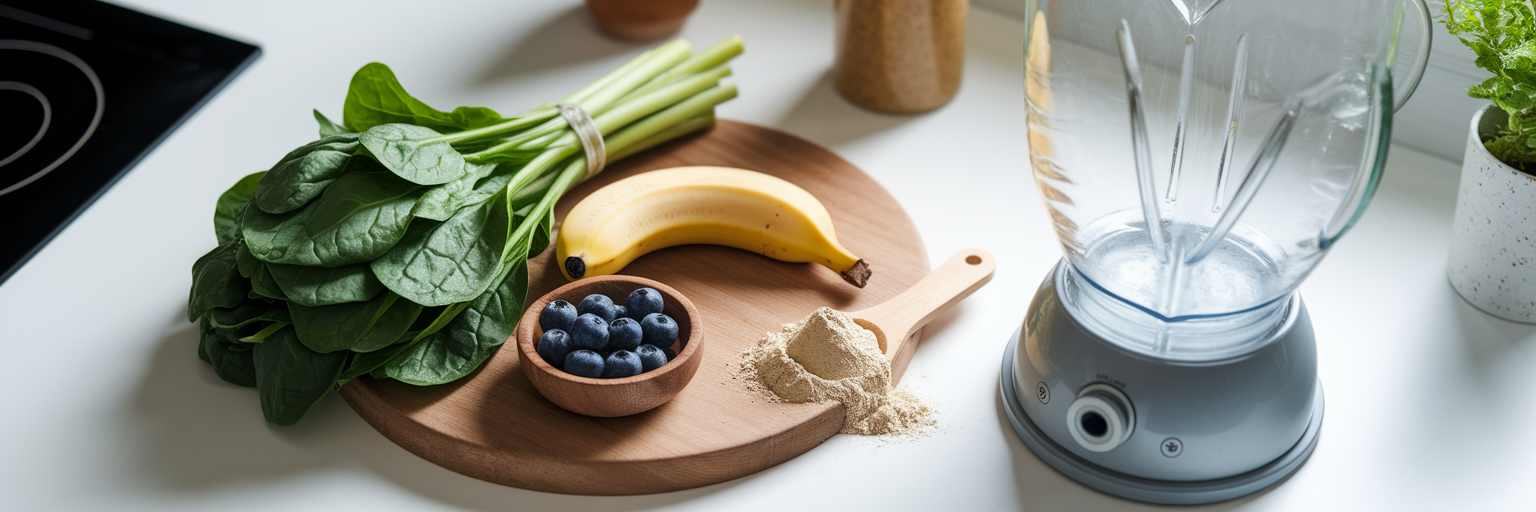
Knowing you need protein is one thing; making it a delicious and effective part of your routine is another. The key to a great recovery shake is balancing protein for muscle repair with carbohydrates to replenish those depleted glycogen stores. According to guidance from the rowing resource Row2k.com, a 4:1 carb-to-protein ratio is ideal after long, endurance-focused rows, while a 2:1 ratio works well after shorter, high-intensity strength sessions.
Here’s a simple formula to build your perfect shake: 1 serving of the best vegan protein powder US (providing about 25g of protein) + 1-2 sources of carbohydrates + 1 source of healthy fats + your liquid of choice. It’s that easy. To get you started, here are two of our favorite recipes. For even more ideas, check out these three easy vegan protein recipes you'll actually crave.
- The Powerhouse Chocolate Shake: Perfect for muscle building and satisfying those chocolate cravings. Blend 1 scoop of our Chocolate Vegan Protein, 1 frozen banana (for carbs and creaminess), 1 tablespoon of almond butter (for healthy fats), and 12 oz of your favorite plant-based milk.
- The Berry Antioxidant Blast: Focused on fighting inflammation and replenishing energy. Blend 1 scoop of vanilla vegan protein, 1 cup of mixed frozen berries (carbs and antioxidants), a handful of spinach (you won’t taste it!), 1 tablespoon of chia seeds (fats and fiber), and 12 oz of coconut water for extra electrolytes.
Integrating Plant-Based Power into Your Daily Diet
While a post-workout shake is a powerful recovery tool, it’s most effective when it complements a diet rich in whole foods. Protein powders are supplements, designed to fill the gaps and provide convenient, high-quality nutrition when you need it most. To keep your body fueled for performance all day long, focus on incorporating protein-rich plant foods into every meal.
Here are a few simple ideas to get you started:
- Breakfast: A hearty tofu scramble with black beans, bell peppers, and a side of avocado on whole-grain toast.
- Lunch: A large lentil and quinoa salad loaded with roasted vegetables and drizzled with a lemon-tahini dressing.
- Snack: A handful of roasted edamame or almonds with an apple for a perfect mix of protein, fiber, and healthy fats.
For plant-based athletes, it’s also worth considering other supportive supplements. Creatine, a compound proven to enhance strength and power output, is naturally found in animal products. Supplementing with a pure, vegan-friendly source like creatine monohydrate can offer significant performance benefits. If you're curious, you can learn more about how effective creatine monohydrate really is on our blog.
Fueling your body for peak performance is a journey, and we’re here to support you every step of the way. We believe in clean, effective, and sustainable nutrition that empowers you to reach your goals. Explore our full range of products and resources, and feel free to share your favorite recovery tips with our community!