

The Post-Hike High and the Morning-After Low
There’s nothing quite like the feeling of reaching a summit, breathing in the fresh air, and looking out at the view you just worked so hard for. That post-hike high is incredible. The morning-after low? Not so much. We’ve all been there: you wake up on Monday feeling stiff, sore, and wondering if you’ll ever be able to walk down a flight of stairs normally again.
This common struggle can turn a beautiful weekend memory into a week of discomfort. But what if you could minimize that physical toll? The secret isn’t hiking less. It’s refueling smarter. What you put into your body right after your hike is just as important as the miles you covered. Clean, plant-based protein is one of the most efficient tools you can use to help your body repair and recover, so you can feel ready for your next adventure sooner.
What Really Happens to Your Muscles on the Trail
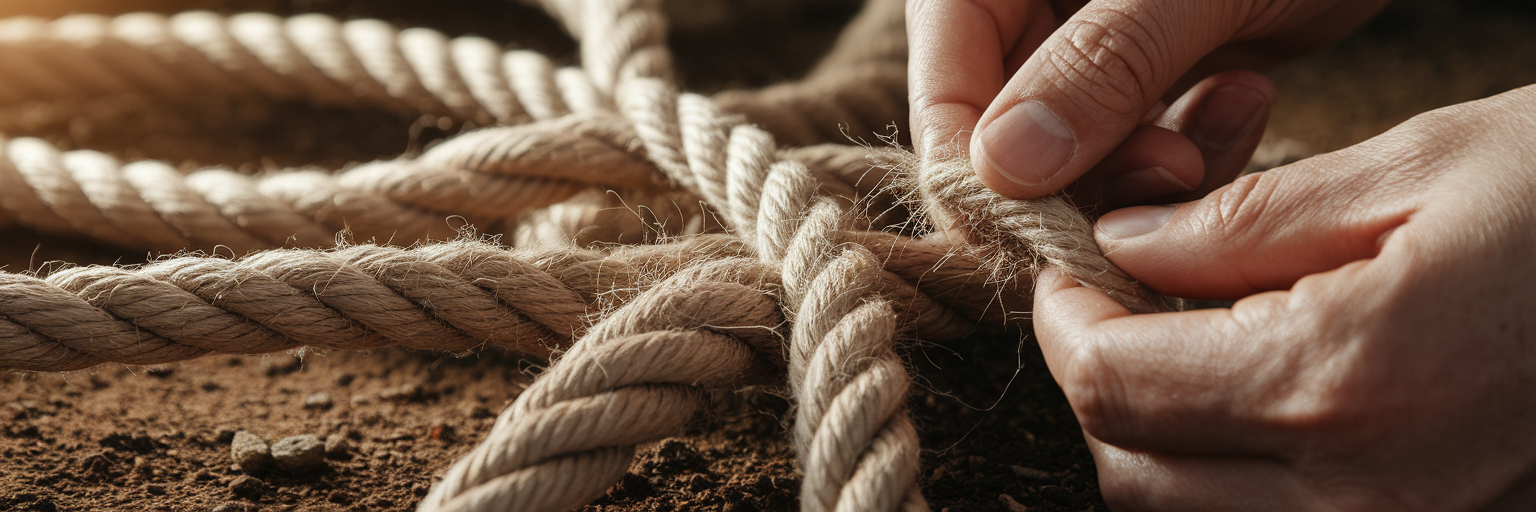
That soreness you feel isn’t just general tiredness. When you hike, especially on trails with steep inclines and descents, you’re creating thousands of microscopic tears in your muscle fibers. It sounds dramatic, but this process is completely normal and it’s how your muscles get stronger over time. The discomfort that follows is known as Delayed-Onset Muscle Soreness, or DOMS, which typically peaks 24 to 48 hours after your hike. That explains why Monday often feels tougher than Saturday evening.
At the same time, your body is also running on an empty tank. Hiking burns through your glycogen stores, which are the carbohydrates your muscles use for energy. This depletion is what leaves you feeling fatigued. So, you’re dealing with both muscle damage and an energy deficit. The most effective way to reduce muscle soreness and bounce back is with targeted nutrition. The right post hike recovery food gives your body the exact materials it needs to repair those muscle fibers and restock its energy reserves, speeding up the entire recovery cycle.
According to experts at Backpacker.com, hikers may need anywhere from 1.2 to 1.8 grams of protein per kilogram of body weight, depending on the intensity of their trek, which is significantly more than someone with a sedentary lifestyle.
Plant-Based Protein as Your Muscle Repair Crew
Think of protein as your body’s dedicated muscle repair crew. After a tough hike, your body sends out a call for help, and the amino acids found in protein are the workers that show up to the job site. They are the essential building blocks used to patch up those micro-tears, helping your muscles rebuild stronger than before. This is why vegan protein for muscle repair is such a powerful tool for active individuals.
Timing and dosage matter, too. Your body is most receptive to nutrients in the window right after exercise, and it can effectively use about 25 grams of protein in one sitting to kickstart the repair process. This makes a post-hike protein shake an incredibly efficient recovery strategy.
A common myth is that plant-based proteins are inferior, but that’s simply not the case anymore. Modern vegan protein powders blend different plant sources, like pea and rice protein, to create a complete amino acid profile that provides everything your body needs. If you're curious about what makes for one of the best protein powders, it often comes down to a complete amino acid profile and clean ingredients. Plus, many people find plant-based proteins easier to digest, which means less bloating and discomfort when your body is already under stress.
| Activity Level | Protein Recommendation (per kg of body weight) | Example for a 150 lb (68 kg) Person |
|---|---|---|
| Sedentary Lifestyle | 0.8g | ~54g per day |
| Weekend Hiker (Moderate Trails) | 1.2g - 1.4g | ~82g - 95g per day |
| Strenuous Hiker (Long Distances/High Elevation) | 1.6g - 1.8g | ~109g - 122g per day |
This table illustrates how protein requirements increase with physical activity. These figures are general guidelines; individual needs may vary based on metabolism and hike intensity.
The Hiker's Advantage of Vegan Protein Powder
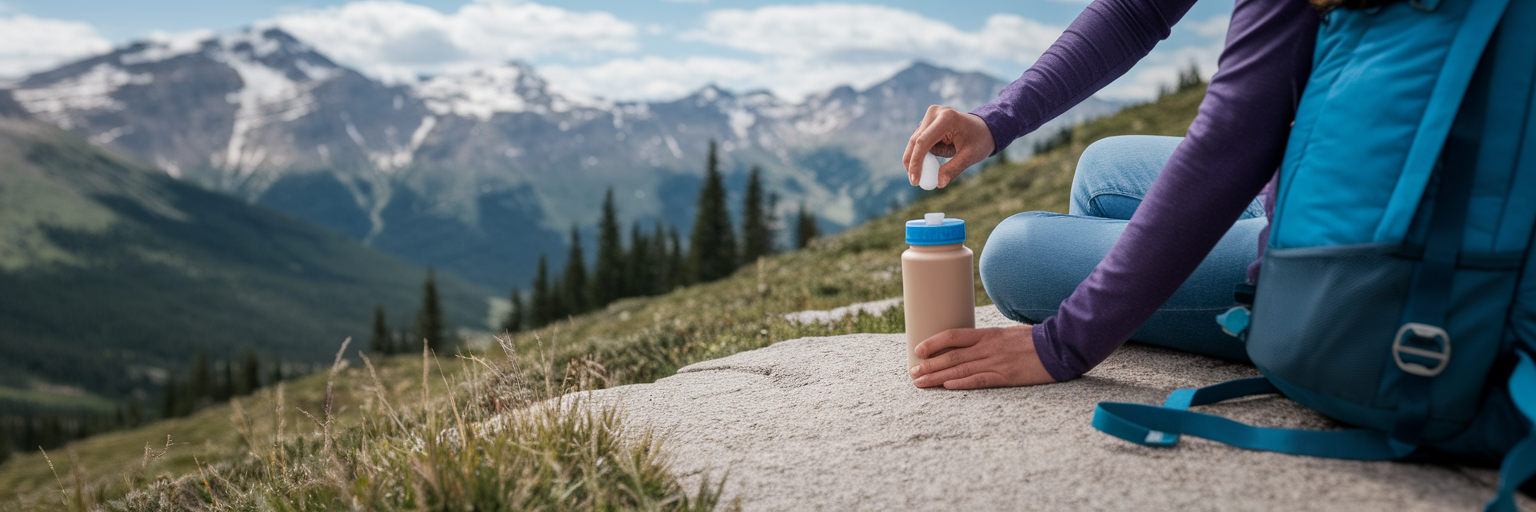
While whole foods are great, they aren’t always practical for immediate post-hike recovery. Who wants to carry a container of cooked chicken or a can of beans in their pack? This is where vegan protein powder truly shines for hikers. It’s lightweight, non-perishable, and incredibly easy to pack. You can throw a scoop in a shaker bottle and have it ready to go the second you get back to your car.
That convenience is a huge advantage. Mixing a shake with water right at the trailhead gives your muscles the amino acids they’re craving within that crucial recovery window. You don’t have to wait until you get home to start refueling. This immediate support can make a noticeable difference in how you feel the next day.
When choosing the best plant based protein powder, look for one with a smooth, non-chalky texture and a clean formula without artificial additives. As a health-conscious hiker, you value what you put into your body, and your supplements should reflect that. After all, recovery should feel good. A scoop of a delicious chocolate vegan protein mixed with cold water can feel like a well-deserved reward after a tough climb, making it a habit you’ll actually look forward to.
Easy Protein-Packed Snacks for Your Pack
Fueling your recovery starts on the trail itself. Having the right snacks can help you maintain energy levels and give your body a head start on muscle repair. Here are a couple of simple, no-fuss easy trail snack recipes you can prepare at home.
No-Bake Protein Energy Bites
These bites offer a perfect balance of protein for muscle support and carbs for quick energy.
- In a bowl, mix 1 cup of rolled oats, ½ cup of your favorite nut butter, ⅓ cup of honey or maple syrup, and 1 scoop of unflavored or vanilla vegan protein powder.
- Add in ¼ cup of mix-ins like dried cranberries, chocolate chips, or chia seeds.
- Stir until everything is well combined. The mixture should be sticky.
- Roll into small, bite-sized balls and store in an airtight container. They’ll stay fresh in your pack all day!
Protein-Boosted Trail Mix
Give your classic trail mix a functional upgrade with a dusting of protein.
- In a large bag or container, combine 2 cups of your favorite nuts and seeds (like almonds, walnuts, and pumpkin seeds).
- Add 1 cup of dried fruit (like raisins, apricots, or mango).
- Add one scoop of unflavored vegan protein powder to the bag, seal it, and shake well until everything is lightly coated.
- The powder will stick to the ingredients, adding a protein boost to every handful.
Once you've mastered these, you can find even more creative ideas, like our 3 easy vegan protein recipes you'll actually crave, on our blog. For even more inspiration, organizations like the Washington Trails Association also offer great plant-based treat ideas for powering your hike.
Hydration Is the Foundation of Recovery

You can consume all the protein in the world, but it won’t do its job effectively if you’re dehydrated. Water is the vehicle that transports nutrients—including those vital amino acids—to your muscles. It also plays a critical role in flushing out metabolic waste products that build up during exercise and contribute to soreness. Without enough water, your body’s entire recovery process slows down.
Here are some simple hydration tips for hikers: aim to drink 16 to 32 ounces of water within the first hour after you finish your hike. But it’s not just about water. You also need to replace the electrolytes like sodium, potassium, and magnesium that you lost through sweat. These minerals are essential for proper muscle function and fluid balance. As highlighted by Trail.recipes, replenishing fluids and electrolytes promptly is a critical first step in post-hike recovery. Instead of reaching for a sugary sports drink, try a simple DIY electrolyte mix: just add a pinch of sea salt and a splash of lemon or lime juice to your water bottle.
Your Post-Hike Recovery Game Plan
Feeling great after a hike comes down to a few simple, consistent habits. Instead of guessing what to do, follow this straightforward plan to support your body and minimize soreness.
- Within 30-60 Minutes Post-Hike: Mix one 25g serving of vegan protein powder with water and drink it right away. At the same time, start rehydrating with 16-32 ounces of water, preferably with added electrolytes.
- Throughout the Evening: Eat a balanced, nutrient-dense meal that includes complex carbohydrates (like sweet potatoes or quinoa), healthy fats (like avocado), and more protein. Continue sipping water.
- The Next Day: Don’t be surprised if DOMS shows up. Continue to hydrate and focus on protein-rich snacks to give your muscles the ongoing support they need to finish the repair job.
By adopting this routine, you can turn muscle soreness into a minor inconvenience rather than a week-long struggle. Ready to fuel your next adventure? Explore our complete collection of plant-based nutrition to find the perfect fit for your goals.