

Rethinking Your Post-Workout Meal
When you think of a post-workout meal, what comes to mind? Probably a quick protein shake or a big salad. While those are great, sometimes you just want something warm, comforting, and genuinely satisfying. Enter pasta. In the US, it's a comfort food staple, but it’s not usually the first thing we associate with a powerful, muscle-building meal.
We’re here to change that. Imagine finishing a tough workout and sitting down to a vibrant bowl of pesto pasta that not only tastes incredible but also delivers the high-quality protein your body needs. This recipe solves the common problem of pasta dishes being low in protein and most store-bought pestos containing dairy. It’s one of the best post workout vegan meal ideas because it feels like a treat while working hard for your recovery.
The secret weapon? A clean, unflavored vegan protein powder. It seamlessly blends into a fresh, savory pesto sauce, turning a simple dinner into a nutritional powerhouse without compromising that classic basil flavor. If you're tired of the same old recovery meals, it's time to get creative in the kitchen. For more inspiration, you can discover other delicious ways to use protein powder on our blog.
Why Add Vegan Protein Powder to Pesto?
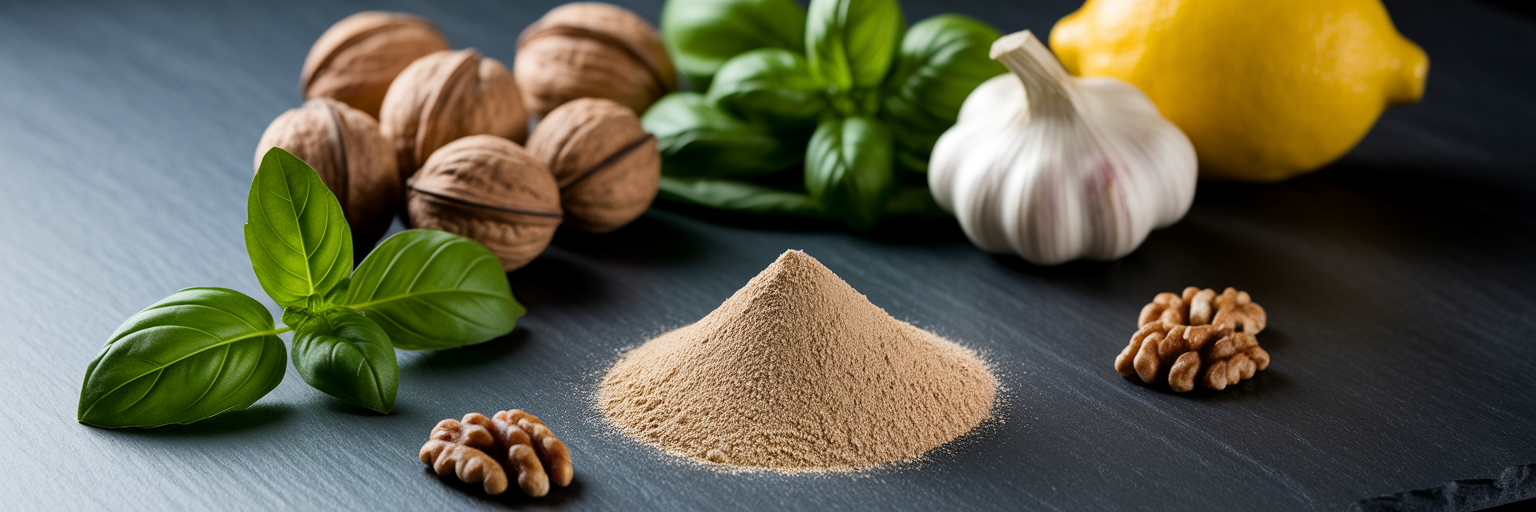
Adding a scoop of protein powder to your pesto might sound unusual, but it’s a simple move with some serious benefits. It transforms a classic sauce into a functional food that supports your active lifestyle. Here’s why this technique is becoming so popular for making vegan pesto with protein powder:
- A Serious Protein Boost: Traditional pesto offers minimal protein. By adding a scoop of unflavored pea protein isolate, you can dramatically increase the protein content. As food blog Steamy Vegan notes, a single serving can easily deliver around 30 grams of protein, which is an ideal amount to support muscle repair and growth after exercise.
- All-in-One Convenience: We all have those busy weeknights. Instead of cooking a separate protein source, fortifying the sauce itself creates a complete, balanced meal in one go. You get your carbs, healthy fats, and protein all tossed together in a single, delicious bowl. It simplifies meal prep without sacrificing nutrition.
- Completely Dairy-Free and Vegan: Most pesto recipes call for Parmesan cheese, which is a no-go for anyone following a vegan diet. Using a plant-based protein powder along with nutritional yeast gives you that rich, savory flavor and creamy texture without any dairy. It makes the dish accessible and enjoyable for everyone, regardless of dietary restrictions.
The key is to use a high-quality, clean powder that lets the fresh basil and garlic flavors shine. An unflavored pea protein isolate works perfectly because it blends smoothly and doesn't have a chalky aftertaste.
The Ultimate High-Protein Vegan Pesto Recipe
This high protein vegan pasta recipe is designed for both flavor and function. It combines whole-food ingredients with a clean protein boost to create a meal that’s as nourishing as it is delicious. The peas add a subtle sweetness and extra creaminess, while the walnuts provide a wonderful texture and healthy fats.
Ingredients (for 2 servings)
- 8 oz legume-based pasta (chickpea or mung bean pasta works great)
- 1 cup packed fresh basil leaves
- ½ cup thawed frozen peas
- ¼ cup walnuts
- 2 tbsp nutritional yeast
- 1 scoop (≈30g) of one of our Unflavored Vegan Proteins
- 2 tbsp fresh lemon juice
- 2 tbsp extra-virgin olive oil
- ¼ cup cold water or unsweetened oat milk
- 1 garlic clove, minced
- Salt and freshly ground black pepper to taste
Instructions
- Cook the pasta according to package directions. Just before draining, reserve about ½ cup of the starchy pasta water. This is a crucial step for the sauce later.
- While the pasta is cooking, combine the basil, thawed peas, walnuts, nutritional yeast, vegan protein powder, lemon juice, olive oil, water or oat milk, and garlic in a high-speed blender.
- Blend on high until the sauce is completely smooth and creamy. If it’s too thick, add another tablespoon of water. Season with salt and pepper to your liking. Sources like Minimalist Baker also recommend blending protein powder directly into sauces for the smoothest results.
- Drain the cooked pasta and return it to the pot. Pour the pesto over the pasta and toss to combine. Add a few tablespoons of the reserved pasta water at a time until the sauce reaches your desired consistency and clings perfectly to the noodles.
- Serve immediately, garnished with extra basil or a sprinkle of nutritional yeast.
Secrets to an Ultra-Creamy, Non-Gritty Sauce
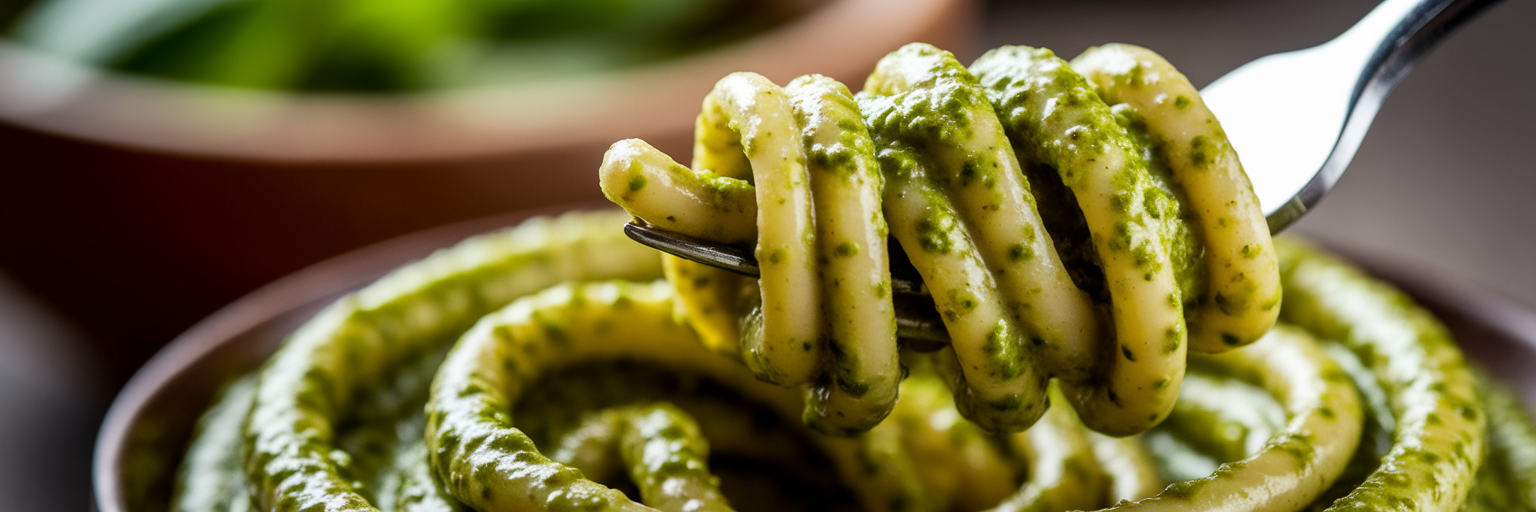
We’ve all been there: you add protein powder to a recipe, and the texture just feels… off. The fear of a gritty or chalky sauce is real, but it’s completely avoidable. The secret to a perfectly creamy vegan pesto sauce lies in two things: the quality of your ingredients and your technique.
First, not all protein powders are created equal. A finely milled pea protein isolate is your best friend here. Its superior solubility means it dissolves more completely, preventing that dreaded sandy mouthfeel. Second, a high-speed blender is essential. It does more than just mix the ingredients; it emulsifies them, breaking down the powder and fats into microscopic particles that create a silky-smooth texture.
But what if you want to make it even creamier? There are a few simple tricks you can use. As noted by food resources like Nutriciously, adding natural emulsifiers like silken tofu or extra nutritional yeast can create an even richer consistency. And never underestimate the power of that reserved pasta water. The starches released from the pasta act as a natural binder, helping the sauce cling to every noodle for a restaurant-quality finish.
| Method | How It Works | Best For |
|---|---|---|
| High-Quality Pea Protein Isolate | Finely milled powder dissolves completely, avoiding grittiness. | Creating a smooth base texture from the start. |
| Silken Tofu (¼ cup) | Acts as a natural emulsifier, adding creaminess without fat. | A richer, almost dairy-like mouthfeel. |
| Nutritional Yeast (extra tbsp) | Enhances the 'cheesy' flavor and helps thicken the sauce. | Boosting both creaminess and savory flavor. |
| Reserved Pasta Water | Starch from the water helps the sauce bind to the pasta. | Thinning the sauce to the perfect consistency without losing richness. |
Note: These methods can be combined. Start with a quality protein and use pasta water, then add tofu or extra nutritional yeast based on your preference for richness and flavor.
Building a Complete and Balanced Meal
While this high-protein pesto pasta is a fantastic meal on its own, you can easily build upon it to create an even more nutritionally dense plate. Thinking about the entire meal is key for anyone looking for effective post workout vegan meal ideas. Using legume-based pasta is a great start, as it naturally provides more protein and fiber than traditional wheat pasta.
Here are a few simple pairings to round out your dish:
- Add Roasted Vegetables: Roasting a pint of cherry tomatoes until they burst brings a beautiful sweetness that cuts through the richness of the pesto. You could also toss in some sautéed kale or spinach for extra greens and micronutrients.
- Include Extra Protein Boosters: For an even bigger protein punch, serve the pasta with a side of pan-seared tempeh or grilled tofu. As suggested by sites like Veggielation, pairing pesto pasta with a hearty plant-based protein like tempeh creates a truly powerful recovery meal.
By combining these elements, you create a meal that is perfectly balanced with complex carbs, healthy fats, fiber, and high-quality protein. It’s proof that unflavored pea protein recipes can be both incredibly versatile and delicious. For more inspiration, check out these other easy vegan protein recipes you’ll actually crave.
How to Store and Reheat for Perfect Leftovers
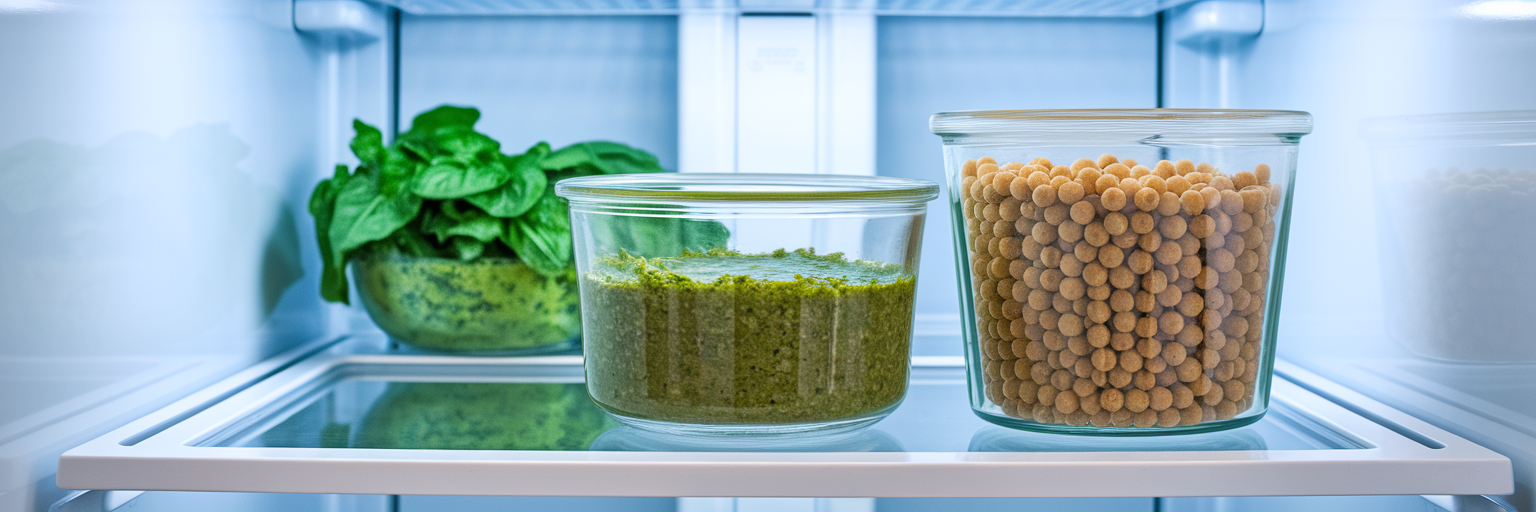
One of the best parts about this recipe is that it’s great for meal prep. To store leftover pesto, transfer it to an airtight container. A helpful tip is to pour a thin layer of olive oil over the surface before sealing the lid. This creates a barrier that prevents the basil from oxidizing and turning brown, keeping your pesto vibrant and fresh for up to four days in the refrigerator.
When you’re ready to enjoy your leftovers, avoid the microwave. The best way to reheat the pasta is gently in a skillet over low heat. Add a splash of water or vegetable broth to the pan to help loosen the sauce and restore its original creamy consistency without making it oily. This simple step ensures your second-day pasta tastes just as good as the first.
Fuel Your Fitness with Creative Cooking
Achieving your fitness goals doesn’t mean you have to eat boring, repetitive meals. The trend of using protein powders in savory cooking shows that modern, functional food can also be exciting and delicious. This recipe is a perfect example of how you can fuel your body with clean, powerful ingredients while enjoying the foods you love.
Now it’s your turn. Try this recipe, make it your own, and see how easy it is to integrate high-quality protein into your favorite dishes. Share your creations with us on social media by tagging @BeyondGoodFoods! Ready to start your own culinary experiments? Explore everything we offer on our website.