
Why Your Bones Deserve the Spotlight
Here’s a fascinating thought: our skeletons are in a constant state of renewal, with the body rebuilding itself entirely about every 10 years. You meticulously track your macros for muscle growth, but are you giving the same attention to the very framework that supports every lift, run, and jump? We often think of bone health as a concern for later in life, but the truth is, it’s fundamental to your athletic performance and injury resilience right now.
A strong skeleton is the unsung hero of your fitness journey. It’s the anchor for your muscles and the shield that protects you from sidelining injuries. The great news is that a well-planned vegan diet isn't a hurdle to overcome for strong bones. Instead, it can be a powerful and intentional strategy for achieving optimal bone density and plant based diet success. This guide will show you exactly how to strengthen bones naturally, backed by science, and clear up some common myths along the way.
The Unseen Partnership Between Protein and Bones

When we think of bones, calcium is usually the first thing that comes to mind. But protein plays an equally critical role. Think of your bones as living, dynamic tissue, not inert rock. Protein acts as the flexible "steel scaffolding" that gives your bones their structure and resilience. In fact, as highlighted in research published by ScienceDirect, protein constitutes about 50% of bone volume and a third of its mass, forming the very matrix that holds our skeleton together.
Your body is constantly engaged in a process called bone remodeling, where old bone tissue is broken down and replaced with new, stronger tissue. Exercise, especially resistance training, accelerates this cycle. Every time your muscles contract, they pull on your bones, signaling them to get denser. This rebuilding process is heavily dependent on a steady supply of dietary protein to create that foundational matrix. Adequate protein intake is directly linked to higher bone mineral density, making your skeleton more robust and less prone to fractures. This makes understanding vegan protein for bone health a crucial piece of your fitness puzzle.
Common Misconceptions About Vegan Diets and Bone Strength
Let's clear the air about some persistent myths surrounding vegan diets and bone health. It’s easy to find conflicting information, but a closer look at the science provides a lot of reassurance. While some studies, like one published in the National Center for Biotechnology Information, have raised concerns, these often don't account for well-planned nutritional strategies.
One old idea, the "acid-ash hypothesis," suggested that high-protein diets could leach calcium from bones. However, modern research has largely debunked this, showing that protein can actually support calcium absorption. Another common worry is that vegan diets are inherently deficient. The reality is that any poorly planned diet, vegan or not, can have nutritional gaps. A mindful, well-structured vegan diet is a conscious and effective strategy for supporting your body.
Finally, there's the question of bioavailability. Certain plant compounds like oxalates and phytates can slightly reduce the absorption of minerals. But this is easily managed through simple food preparation techniques like soaking, sprouting, or cooking, and by eating a wide variety of foods. Building a robust, bone-healthy vegan diet is about mindful choices, not limitations. For more tips and nutritional insights, feel free to explore the articles on our blog.
Your Plant-Powered Bone-Building Toolkit
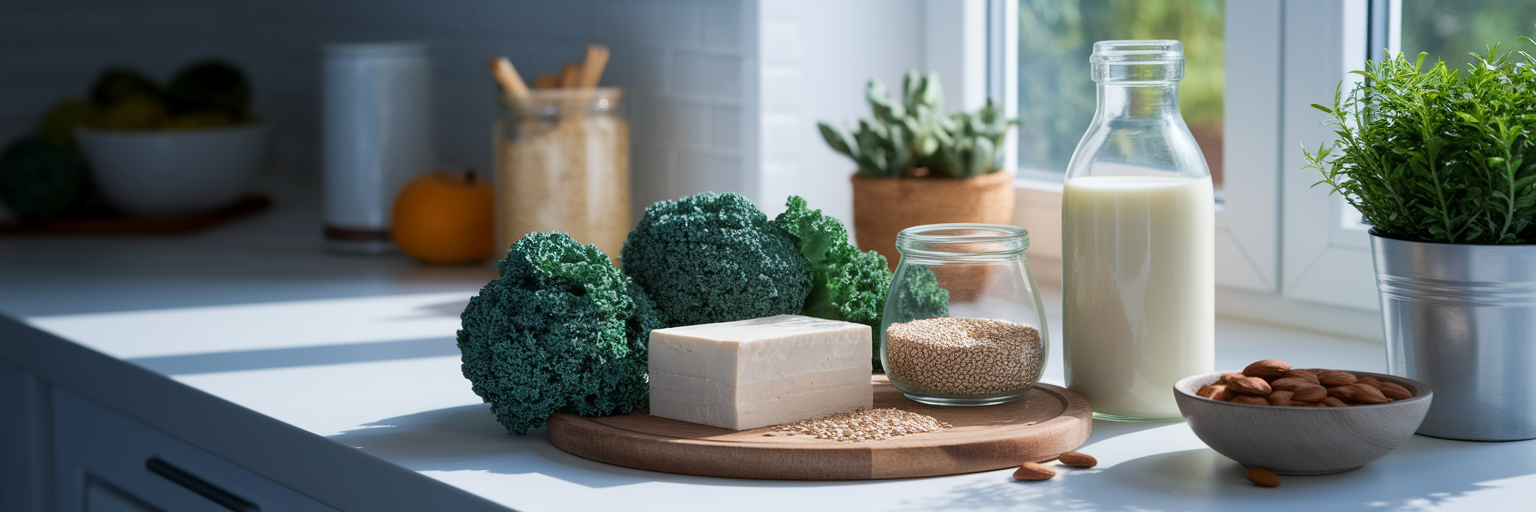
Building strong bones on a plant-based diet is all about knowing your ingredients. It’s a team effort, requiring not just calcium but a host of other nutrients working in harmony.
Key Plant-Based Sources of Calcium
Calcium is the primary mineral that hardens the protein framework of your bones. According to the NHS, excellent vegan sources of calcium are abundant and delicious. It's important to include a variety of plant based sources of calcium in your daily meals. For instance, some leafy greens like kale and broccoli are fantastic because their calcium is more bioavailable than that in spinach, which is high in oxalates. Putting this knowledge into practice is easier than you think. For inspiration on how to combine these ingredients into delicious meals, explore our collection of 3 easy vegan protein recipes you'll actually crave.
| Food Source | Serving Size | Approximate Calcium (mg) |
|---|---|---|
| Fortified Soy Milk | 1 cup | 300 mg |
| Calcium-Set Tofu | 1/2 cup | 250-400 mg |
| Tahini (Sesame Seed Paste) | 2 tbsp | 130 mg |
| Almonds | 1/4 cup | 95 mg |
| Collard Greens (cooked) | 1 cup | 268 mg |
| Kale (cooked) | 1 cup | 177 mg |
Note: Calcium content can vary by brand and preparation method. Always check product labels for the most accurate information. These values are based on data from the USDA FoodData Central.
Essential Partner Nutrients: Vitamin D & K
Calcium doesn’t work alone. It needs help from other key nutrients to do its job effectively.
- Vitamin D: Often called the "sunshine vitamin," it's essential for helping your body absorb calcium from your diet. Besides sensible sun exposure, you can find it in fortified plant milks, cereals, and mushrooms exposed to UV light.
- Vitamin K: This vitamin helps direct calcium to your bones and away from your arteries. It’s abundant in dark leafy greens like kale, collard greens, and Swiss chard.
Fueling Your Active Body with Plant-Based Protein
Here’s where your fitness goals and bone health perfectly align. When you lift weights or go for a run, your muscles pull on your bones. This mechanical loading is the single most important signal for your body to build denser, stronger bone tissue. To respond to this signal, your body needs two things: the raw materials to build bone (protein and minerals) and the energy to fuel muscle recovery.
Active individuals have elevated protein needs to support both muscle repair and this crucial bone-strengthening cycle. High-quality vegan protein powders offer a convenient and efficient way to meet these demands, especially in the critical post-workout window. A "complete protein" provides all nine essential amino acids your body can't make on its own, which are vital for muscle protein synthesis. Even for those with an active lifestyle, a well-structured plant-based diet can sufficiently meet protein needs, a point echoed by wellness resources like Forks Over Knives.
The best vegan protein for athletes often comes from multi-source blends, like pea and rice protein, which create a robust amino acid profile for optimal absorption and muscle repair. Finding the right supplement is key. If you're wondering which option aligns with your fitness goals, our guide to the best protein powders can help you make an informed choice.
Selecting a High-Quality Vegan Protein Supplement
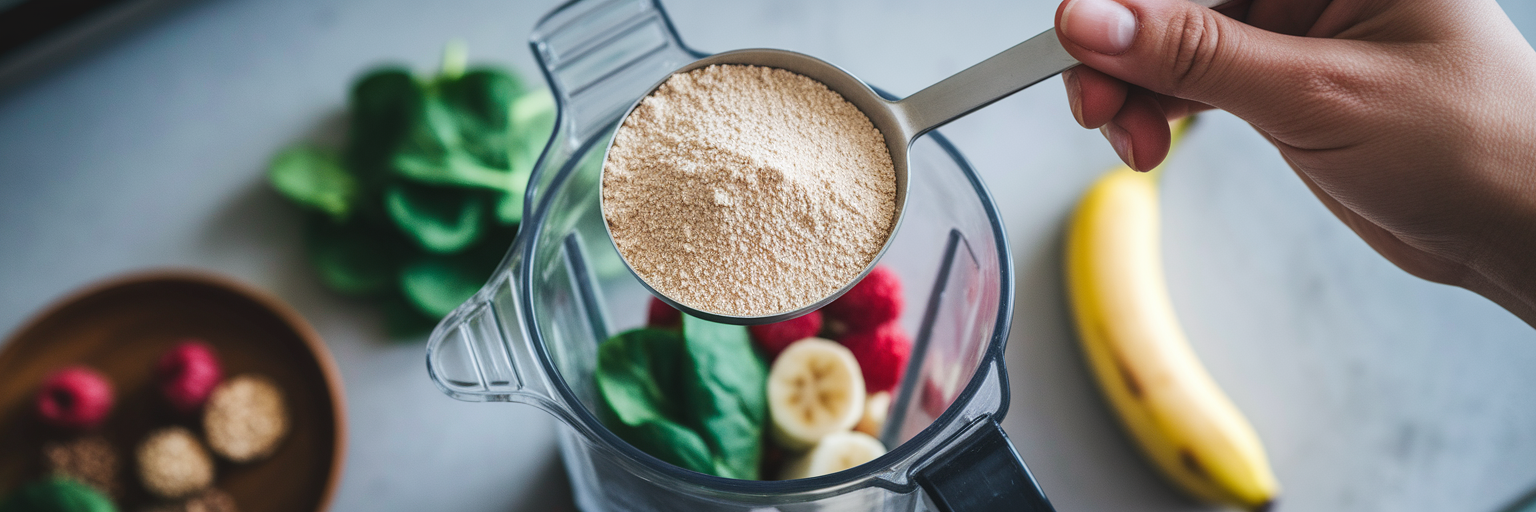
Not all protein powders are created equal. The old stereotype of gritty, earthy-tasting plant proteins is thankfully a thing of the past. Modern formulations have made enjoying your post-workout shake a genuinely pleasant experience. When you're reading a label, here’s what to look for:
- A clean, simple ingredient list. You want to see whole-food ingredients without a long list of artificial sweeteners, fillers, or gums. Your protein powder should fuel you, not weigh you down.
- A complete amino acid profile. Look for a high-quality vegan protein isolate, which offers a higher concentration of protein with fewer carbs and fats. This ensures your muscles get everything they need to repair and grow.
- Positive reviews on taste and mixability. Life is too short for chalky protein shakes. A smooth texture and enjoyable flavor make consistency effortless.
You no longer have to compromise on taste. Our Chocolate Vegan Protein is crafted to deliver 25g of protein with a smooth, satisfying flavor that makes recovery a treat. Unflavored options also offer great versatility for adding a protein boost to smoothies, oatmeal, or baked goods without altering the taste.
Embracing a Strong, Plant-Powered Future
Building a resilient body starts from the inside out. We've seen that protein is a crucial partner for your bones, a well-planned vegan diet is fully equipped to build a strong skeleton, and high-quality supplements are a smart tool for any active person. By focusing on whole foods and smart supplementation, you are giving your body everything it needs to perform at its best for years to come.
Ready to build your strongest self? Share your favorite bone-boosting vegan meal in the comments below, and explore our full range of clean, plant-based nutrition to fuel your journey.