
Why Protein Is Your Ally on a Low-Carb Vegan Diet
Committing to a low-carb, plant-based lifestyle is a fantastic step toward your wellness goals. You're already focused on smart food choices, but you might be wondering how to get enough protein to fuel your body, especially without meat or dairy. It’s a common question, and the great news is that it's not only possible but incredibly effective with the right approach.
Think of low-carb eating and high-quality protein as a powerful team. The low-carb strategy helps your body manage its energy sources, while protein steps in to build and protect your hard-earned muscle. This partnership is essential for achieving a strong, lean physique.
More than just a muscle-builder, protein is your best friend for managing hunger. It increases feelings of fullness, which can help you naturally reduce cravings and stick to your plan without feeling deprived. We all know that feeling when a mid-afternoon snack craving hits; a protein-rich option can make all the difference. With a quality low-carb vegan protein powder, you can confidently support your body’s needs. Let's walk through exactly how to find the perfect one for you.
Decoding the Nutrition Label for Low-Carb Success
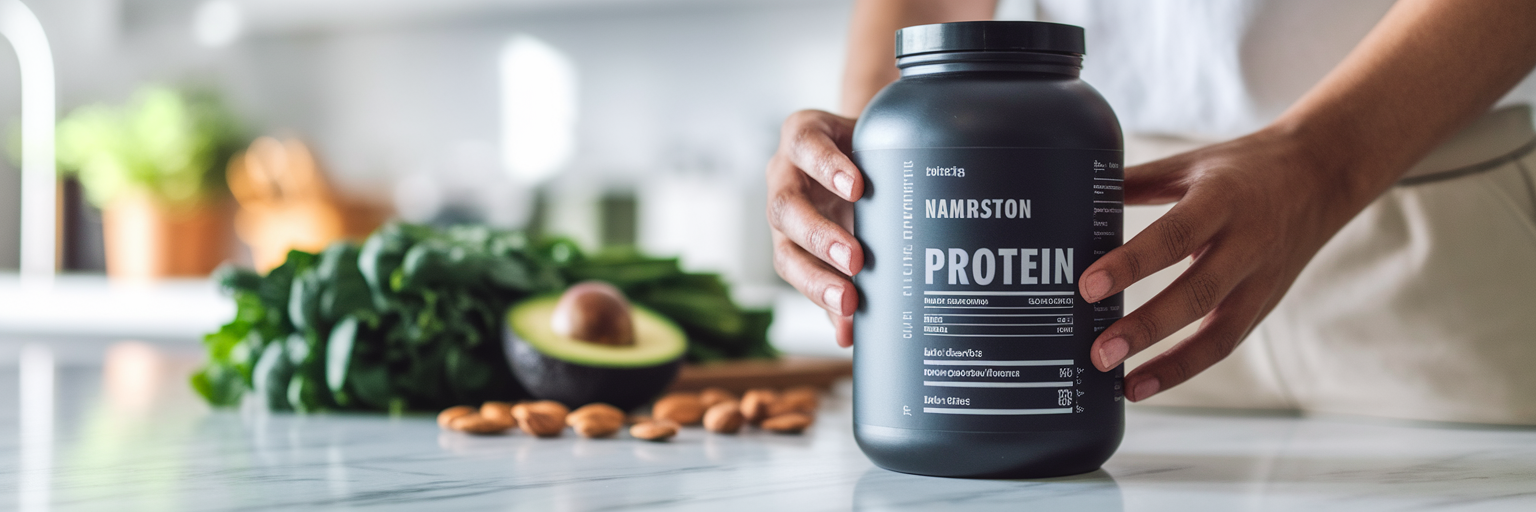
Walking down the supplement aisle can feel overwhelming, with every container making big promises. The secret to finding the right product isn't in the marketing copy on the front; it's in the nutrition facts on the back. Learning how to choose vegan protein starts with knowing exactly what to look for on the label. Let's break it down into a simple checklist.
Check the Carbohydrate Count
This is your first and most important checkpoint. For a protein powder to fit a low-carb lifestyle, it needs to have a minimal carb count. Look for a product with 3 to 5 grams of net carbs or less per serving. This ensures your protein shake won't interfere with your dietary goals. To support this, a guide from GetLabTest recommends choosing a powder with under 3 grams per serving to stay comfortably within your daily limits.
Prioritize High Protein Content
Next, check the protein "yield." You want a powder that delivers a powerful dose of protein in every scoop. Aim for a product that provides 20 to 25 grams of protein per serving. This amount is effective for stimulating muscle repair and growth after a workout. A high protein content means you're investing in pure fuel for your muscles, not unnecessary fillers or carbs.
Scan for Sugars and Sweeteners
Sugar is a carb, and hidden sugars can quickly derail your progress. The ideal powder should have zero grams of added sugar. Be mindful of the difference between naturally occurring sugars and those added during manufacturing. For flavor without the carbs, look for products sweetened with natural, zero-calorie options like stevia or monk fruit. While some powders use artificial sweeteners, many people prefer to avoid them for a cleaner approach. For instance, a quality powder like our Chocolate Vegan Protein clearly lists its low-carb, high-protein content, making it easy to see how it fits your goals.
Finding Your Ideal Plant-Based Protein Source
Once you've mastered the nutrition label, the next step is to understand the ingredients inside. Not all plant proteins are created equal, and the source determines its texture, digestibility, and amino acid profile. As dietitians noted in a Health.com article, personal dietary needs and flavor are key factors when choosing between different vegan protein sources.
One of the most popular and effective options is pea protein. The pea protein isolate benefits are significant; it’s a complete protein containing all nine essential amino acids required for muscle building, and it's known for its surprisingly smooth texture. Soy protein is another complete protein, though some people choose to avoid it based on personal preference.
You'll also see protein blends, which combine sources like pea and rice protein. This is done to create an optimized amino acid profile, ensuring your body gets a balanced and effective mix for muscle synthesis. Here’s a quick comparison to help you decide:
| Protein Source | Key Benefit | Amino Acid Profile | Best For |
|---|---|---|---|
| Pea Protein Isolate | Hypoallergenic & Easy to Digest | Complete (All 9 EAAs) | Muscle building and smooth texture |
| Soy Protein Isolate | High Protein Content | Complete (All 9 EAAs) | Effective muscle repair (for those who tolerate soy) |
| Hemp Protein | Rich in Fiber & Omega-3s | Complete (All 9 EAAs) | Overall wellness and a nutritional boost |
| Protein Blends (e.g., Pea & Rice) | Optimized Amino Acid Profile | Complete & Balanced | Maximizing muscle protein synthesis |
Note: This table compares the primary benefits of popular vegan protein sources. Blends are often formulated to combine the strengths of multiple plants for a more robust nutritional profile.
How Vegan Protein Supports Healthy Weight Management
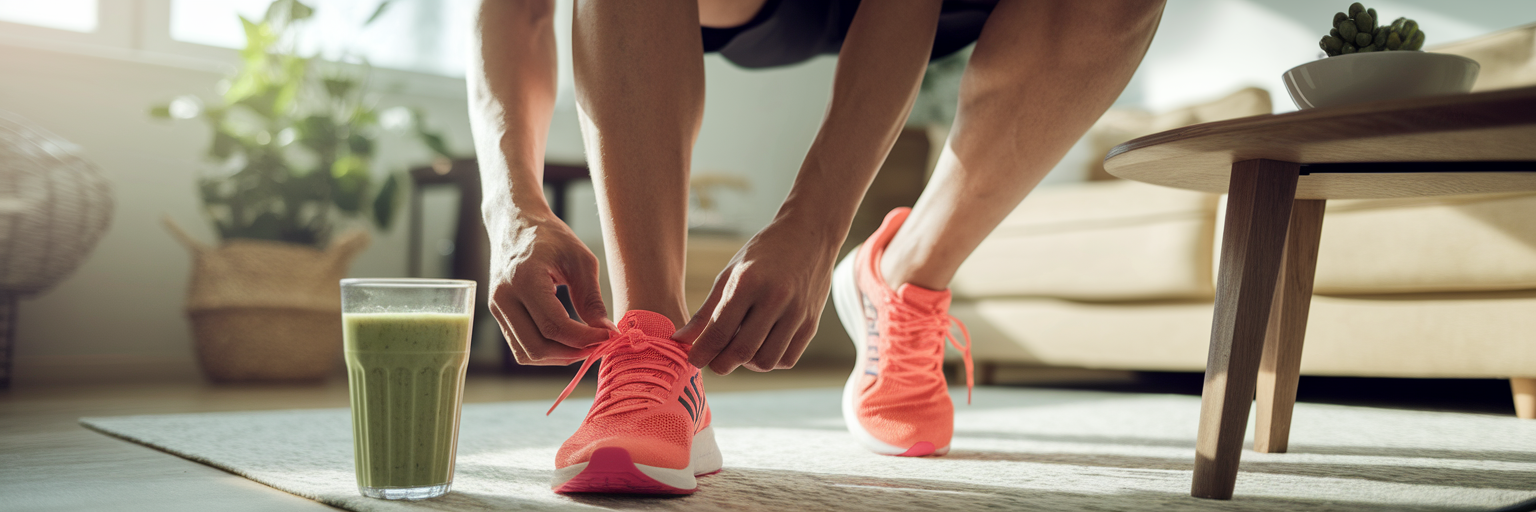
A low-carb vegan protein powder is more than just a post-workout recovery tool; it's a strategic partner in your weight management journey. When your goal is to lose fat, controlling hunger and boosting your metabolism are key. This is where a high-quality protein shake truly shines, making it one of the best plant-based protein for weight loss strategies.
Here’s how it works:
- Promotes Satiety: Protein is incredibly effective at making you feel full and satisfied. According to nutrition experts at Precision Nutrition, this high satiety effect can naturally lead to consuming fewer calories throughout the day. A protein shake can quiet those persistent snack cravings.
- Boosts Metabolism: Your body actually burns more calories digesting protein than it does digesting fats or carbohydrates. This is known as the Thermic Effect of Food (TEF). A high-protein intake gives your metabolism a gentle, consistent nudge.
- Stabilizes Blood Sugar: A protein-rich shake helps prevent the blood sugar spikes and crashes that often lead to fatigue and cravings for sugary foods. This stable energy makes it much easier to stick to your healthy eating plan.
You can blend it into a delicious smoothie to keep you full for hours. If you need inspiration, check out these 3 easy vegan protein recipes you'll actually crave.
Protecting Lean Muscle During Weight Loss
When you're in a calorie deficit to lose weight, there's a common concern: am I losing muscle along with fat? This is a valid question, because muscle is metabolically active tissue that helps your body burn calories. Protecting it is crucial.
This is where vegan protein for muscle retention becomes so important. Providing your body with a steady supply of high-quality protein gives it the amino acids needed to repair and maintain muscle tissue, even when you're consuming fewer calories. This signals to your body to use stored fat for energy, not your precious muscle.
Of course, protein works best as part of a team. Combining your protein intake with regular resistance training is the most effective way to ensure the weight you lose is fat. For those serious about performance and muscle maintenance, pairing your protein with a proven supplement like our pure creatine monohydrate can offer even greater benefits by supporting strength and power output during your workouts.
Beyond Macros: Judging Texture, Flavor, and Purity
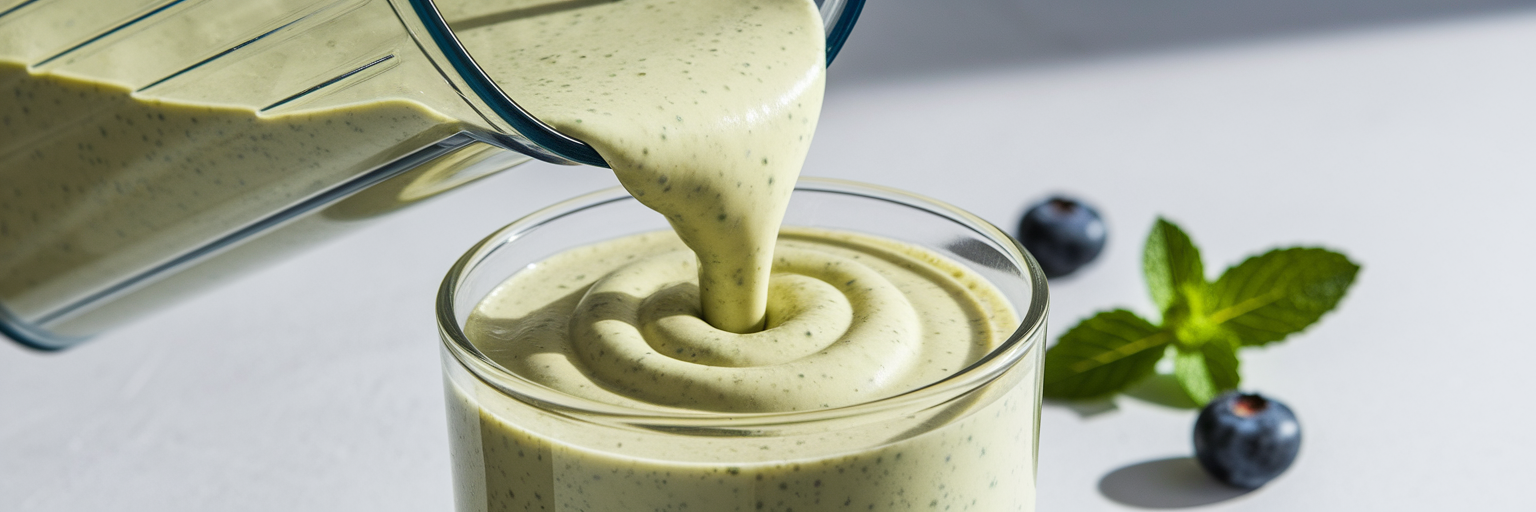
You can find a powder with the perfect macros, but if you don't enjoy drinking it, it will end up collecting dust in your pantry. The sensory experience—texture and flavor—is what turns a supplement into a daily ritual you look forward to.
Let's be honest, many people associate vegan protein with a chalky, gritty texture. Thankfully, modern processing has come a long way. High-quality ingredients, especially pea protein isolate, can now produce a remarkably smooth and pleasant mouthfeel. At Beyond Good Foods, we prioritized a smooth, non-gritty texture because we believe a healthy choice should also be a delicious one.
Beyond texture, look for a clean ingredient list free from artificial flavors, colors, and unnecessary additives. For flavor, you have options. Unflavored powders are great for mixing into savory dishes or low-carb baked goods, while naturally sweetened varieties with stevia or monk fruit make for a perfect, tasty shake. Finally, look for a clean protein powder US brands should offer that is third-party tested. This shows a brand's commitment to transparency and quality, giving you confidence in what you're putting into your body.
Making Your Protein Powder a Daily Habit
The best protein powder is the one you use consistently. Integrating it into your routine should feel easy and enjoyable. Here are a few simple ideas to get you started:
- Whip up a quick post-workout shake with unsweetened almond milk to kickstart recovery.
- Blend a scoop into a meal-replacement smoothie with spinach, avocado, and a few berries for a filling and nutrient-dense meal.
- Mix an unflavored powder into low-carb pancake batter, yogurt, or overnight "oats" made with chia seeds for an extra protein boost.
Your health journey is unique, and finding the right tools makes all the difference. We hope this guide empowers you to choose a protein powder that aligns with your goals and values.
Ready to find the clean, delicious protein that will help you crush your goals? Explore our collection of plant-based nutrition and see the difference for yourself. We'd love to hear your favorite low-carb recipes—share them in the comments below!